
The Fee Trade-Off: How State Laws Banning Hidden Charges Force a Redesign of All Retail Pricing
A wave of state and federal "junk fee" bans is forcing retailers, ticket platforms, and hospitality brands to adopt all-in pricing. The shift eliminates checkout surprises, giving consumers unprecedented transparency while requiring businesses to overhaul how they advertise costs.
By Factlen Editorial Team
- Consumer Advocates
- Argue that drip pricing is inherently deceptive and that all-in pricing restores trust by allowing genuine comparison shopping.
- Retail & Hospitality Operators
- Support transparency but highlight the heavy operational costs of redesigning systems and warn that higher upfront prices may initially shock buyers.
- State Regulators
- Focus on aggressive enforcement to protect residents from bait-and-switch tactics, emphasizing that the rules dictate transparency, not price controls.
What's not represented
- · Independent software vendors (ISVs) tasked with rewriting point-of-sale algorithms.
- · Gig economy delivery drivers whose compensation models are tied to service fees.
Why this matters
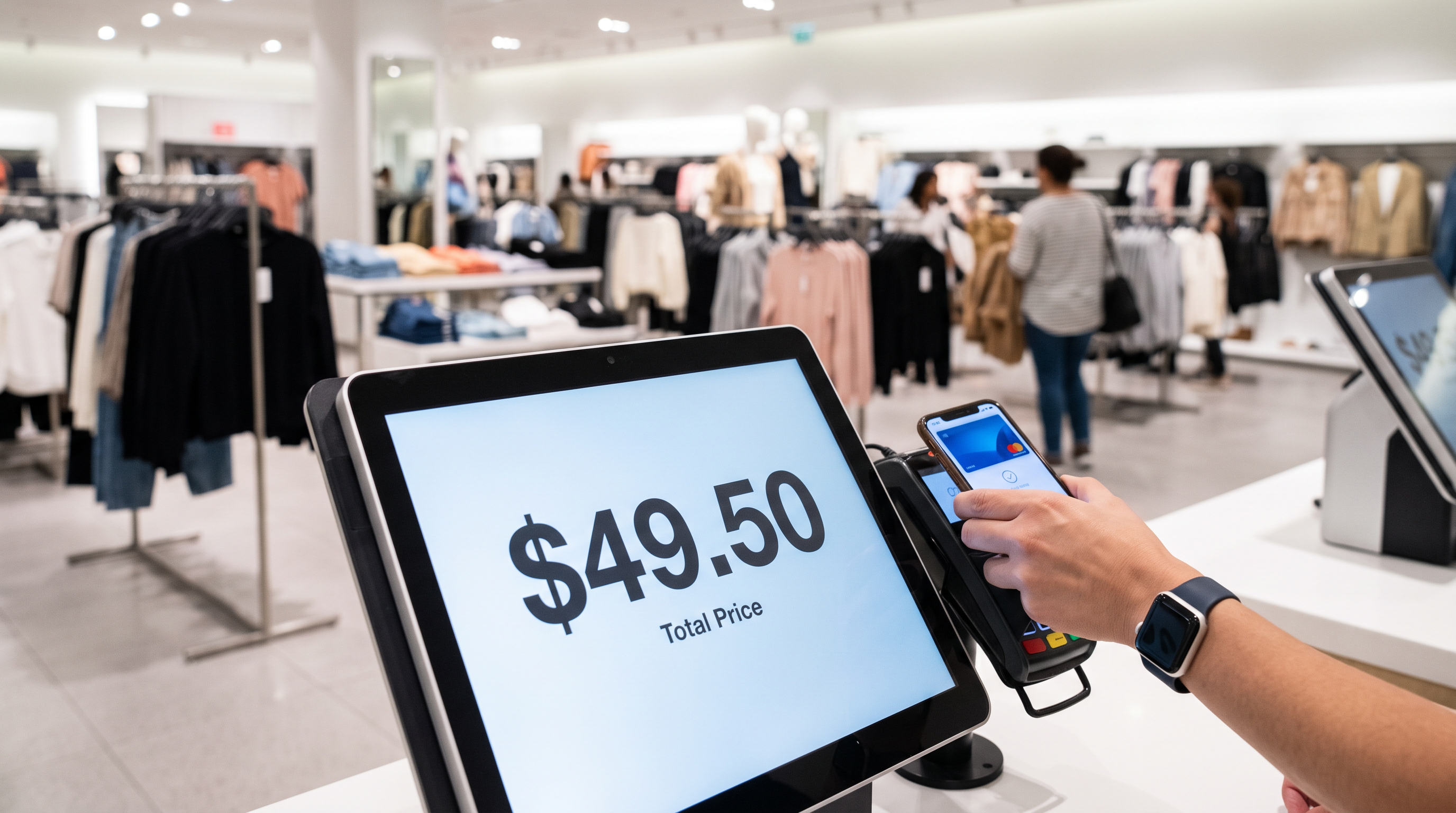
For years, consumers have been frustrated by "drip pricing" where a $50 ticket becomes $85 at checkout. The new legal landscape means the price you see upfront is exactly what you pay, restoring trust and making comparison shopping significantly easier.
Key points
- State laws in California, Minnesota, and Massachusetts now require businesses to include all mandatory fees in advertised prices.
- A federal FTC rule targeting hidden fees in ticketing and short-term lodging took effect in May 2025.
- The laws eliminate 'drip pricing,' allowing consumers to accurately compare total costs upfront.
- Retailers and hospitality brands are overhauling point-of-sale systems and menus to comply with the new transparency mandates.
The era of the checkout-screen surprise is rapidly coming to an end. Across the United States, a sweeping wave of legislative action has fundamentally altered the retail and hospitality landscape, forcing companies to abandon hidden charges in favor of transparent, all-in pricing. For years, consumers have navigated a frustrating maze of "drip pricing," where a seemingly affordable concert ticket or hotel room balloons in cost as mandatory convenience, service, and resort fees are tacked on at the final payment screen. Now, a combination of aggressive state laws and federal regulations has mandated that the price advertised must be the price paid. This shift is not merely a legal compliance exercise; it represents a massive logistical and psychological redesign of how American businesses market their goods and services.[4]
The momentum for this nationwide overhaul began at the state level, driven by mounting consumer exhaustion with deceptive pricing tactics. California set the precedent with its Honest Pricing Law, known as SB 478, which went into effect in July 2024. The statute made it unlawful for businesses to advertise a price that does not include all mandatory fees, excluding only government taxes and reasonable shipping costs. Minnesota followed suit in January 2025 with amendments to its Deceptive Trade Practices Act, and Massachusetts implemented its own strict price transparency regulations in September 2025. By mid-2026, these early adopters had created a domino effect, with states like Virginia, New York, and Illinois either passing or heavily debating similar comprehensive bans.[1][3][5][6]
Federal regulators have amplified this state-level momentum, ensuring that the push for transparency reaches across state lines. The Federal Trade Commission (FTC) promulgated its Rule on Unfair or Deceptive Fees, which became fully enforceable in May 2025. Initially, the federal rule targeted the most notorious offenders of drip pricing: the live-event ticketing and short-term lodging industries. The FTC's mandate requires that these businesses prominently disclose the true total price upfront, before asking for payment information. The agency estimates that eliminating these bait-and-switch tactics will save Americans more than $11 billion and over 53 million hours of wasted shopping time over the next decade.[2][7]

For consumers, the benefits of this regulatory shift are immediate and highly tangible. The psychological friction of comparison shopping has been drastically reduced. Previously, a consumer trying to choose between two short-term rental properties had to click all the way through to the final checkout screen to discover which one was actually cheaper after cleaning and service fees were applied. Today, the upfront price tag tells the whole truth. This transparency empowers buyers to make informed financial decisions without doing mental gymnastics, restoring a baseline level of trust between the public and the platforms they use daily.[4]
For consumers, the benefits of this regulatory shift are immediate and highly tangible.
Behind the scenes, however, the transition has required a massive operational overhaul for retailers and hospitality brands. Businesses have had to redesign their digital interfaces, mobile applications, and printed marketing materials to comply with the patchwork of new laws. E-commerce platforms and point-of-sale software providers have rolled out major architectural updates. Instead of relying on backend algorithms to calculate regional surcharges at the end of a transaction, systems must now geolocate users instantly to display the legally required all-in price from the moment an item is added to the digital cart.[3]
The transition has not been entirely uniform, particularly in the food and beverage sector. In California, intense lobbying by the hospitality industry resulted in SB 1524, a legislative carve-out passed just days before the broader junk fee ban took effect. This exception allows restaurants and bars to continue charging mandatory service fees—often used to cover rising labor costs and employee healthcare—provided those fees are clearly and conspicuously disclosed on the menu. This compromise highlights the ongoing tension between the demand for consumer transparency and the razor-thin margins faced by food service operators.[1]

Despite these carve-outs, the legal risks for non-compliance are severe, prompting businesses to err on the side of caution. California's law allows consumers to sue for actual damages of at least $1,000 per violation, while Minnesota's attorney general can seek civil penalties of up to $25,000 per infraction. Furthermore, state attorneys general have ramped up enforcement actions under existing consumer protection laws. In New Jersey, for example, the state's Division of Consumer Affairs has aggressively pursued enforcement against auto dealers, rental car companies, and financial institutions for burying excessive fees in fine print, signaling that regulators will not wait for specific "junk fee" statutes to crack down on deceptive practices.[1][4][6]
As 2026 progresses, the regulatory focus is already expanding into new sectors of the economy. The FTC has issued Advance Notices of Proposed Rulemaking to explore extending its fee bans to rental housing and online food delivery platforms, citing the latter as one of the most significant sources of drip pricing concerns in the modern digital economy. While businesses continue to adapt their pricing strategies to this new reality, the overarching message for the American consumer is overwhelmingly positive: the era of the hidden checkout fee is closing, replaced by a marketplace where what you see is finally what you pay.[2][7]
How we got here
October 2023
California passes SB 478, the Honest Pricing Law, setting a national precedent for fee transparency.
July 2024
California's law takes effect, alongside a specific carve-out allowing restaurants to use clearly displayed service charges.
January 2025
Minnesota's comprehensive junk fee ban goes into effect, amending its Deceptive Trade Practices Act.
May 2025
The FTC's federal rule targeting hidden fees in live-event ticketing and short-term lodging becomes enforceable.
September 2025
Massachusetts implements strict new regulations on price transparency and subscription disclosures.
Early 2026
The FTC issues Advance Notices of Proposed Rulemaking to expand fee bans to rental housing and food delivery apps.
Viewpoints in depth
Consumer Advocates' view
Transparency restores fair competition and consumer trust.
Consumer protection groups and federal regulators argue that 'drip pricing' fundamentally breaks the free market by making it impossible to compare goods accurately. When a $50 ticket carries $35 in hidden fees, consumers are lured in under false pretenses. Advocates assert that all-in pricing not only saves buyers money but also rewards honest businesses that were previously undercut by competitors artificially deflating their headline prices.
Hospitality Operators' view
Operational costs and margin pressures complicate the transition.
Restaurant and hotel operators point out that many service fees were introduced to cope with rising labor costs, healthcare mandates, and credit card interchange fees without inducing 'sticker shock' on the core menu. While industry groups generally support a level playing field, they warn that the logistical burden of redesigning menus, updating point-of-sale software, and retraining staff is immense. They also express concern that consumers might initially balk at the higher upfront prices before the new normal sets in.
What we don't know
- How consumers will react to higher upfront headline prices in the short term, even if the final checkout cost remains the same.
- Whether the FTC will successfully finalize and enforce its proposed expansions into rental housing and online food delivery platforms.
- How courts will interpret the boundaries of 'reasonable shipping costs' and optional add-ons under the new state statutes.
Key terms
- Drip Pricing
- A deceptive tactic where a low headline price is advertised, but mandatory fees are added incrementally throughout the checkout process.
- All-In Pricing
- A pricing model where the advertised cost of a product or service includes all mandatory fees and surcharges upfront.
- Junk Fees
- A colloquial term for hidden, unexpected, or mandatory charges tacked onto a purchase, such as convenience or resort fees.
Frequently asked
Do these laws mean prices are going down?
Not necessarily. The laws dictate transparency, not price controls. You will pay the same total amount, but you will see that full amount upfront rather than at the end of the transaction.
Are restaurants included in the junk fee bans?
It depends on the state. California passed a specific exception allowing restaurants to keep mandatory service charges if they are clearly displayed on the menu, while other states require them to be baked into the item price.
Does this apply to online purchases?
Yes. E-commerce platforms, food delivery apps, and online ticket sellers must display the all-in price, excluding only government taxes and reasonable shipping fees.
Sources
Source coverage
7 outlets
3 viewpoints surfaced







[1]California Department of JusticeState Regulators
California's Honest Pricing Law (SB 478)
Read on California Department of Justice →[2]Federal Trade CommissionConsumer Advocates
Rule on Unfair or Deceptive Fees
Read on Federal Trade Commission →[3]PYMNTSRetail & Hospitality Operators
State lawmakers are intensifying their scrutiny of the fees consumers encounter at checkout
Read on PYMNTS →[4]ReutersConsumer Advocates
Junk fees have become a central political and regulatory buzzword
Read on Reuters →[5]Holland & KnightRetail & Hospitality Operators
All State Laws Aren't Local: Are You Ready for New Massachusetts Junk Fee and Subscription Law?
Read on Holland & Knight →[6]Minnesota GovernmentState Regulators
New Laws 2025: Junk fees law requires advertised prices to include all mandatory fees
Read on Minnesota Government →[7]Troutman PepperRetail & Hospitality Operators
The federal government has taken steps in recent years to address junk fees and drip pricing
Read on Troutman Pepper →

More in shopping
See all 4 stories →

Every angle. Every day.
Get shopping stories with full source coverage and perspective breakdowns delivered to your inbox.