
The Twin Pillars of Longevity: Why VO2 Max and Muscle Strength Outperform Traditional Health Metrics
A growing consensus in longevity science points to cardiorespiratory fitness and muscle mass as the most powerful, evidence-backed predictors of a long and healthy life.
By Factlen Editorial Team
- Clinical Exercise Physiologists
- Argue that mechanical loading and aerobic stress are the only proven interventions for extending healthspan, prioritizing accessible physical training over experimental supplements.
- Biogerontology Researchers
- Focus on the cellular mechanisms of aging, seeking to develop pharmacological interventions (like senolytics) that can mimic the metabolic benefits of exercise for those unable to train.
- Public Health Advocates
- Emphasize that longevity metrics must be addressed at a population level through built environments that encourage daily movement, rather than relying solely on individualized fitness protocols.
What's not represented
- · Accessibility advocates highlighting the financial and educational barriers to specialized fitness coaching and equipment.
- · Clinical dieticians emphasizing the nutritional prerequisites, specifically protein intake, required for muscle hypertrophy in older adults.
Why this matters
While genetics play a role in lifespan, actionable metrics like aerobic capacity and physical strength offer the most reliable, evidence-backed pathways to delay chronic disease and maintain independence into old age.
Key points
- Longevity science is shifting focus from simply extending lifespan to maximizing healthspan—years lived free of chronic disease.
- Cardiorespiratory fitness (VO2 max) is a stronger predictor of survival than traditional risk factors like smoking or type 2 diabetes.
- Moving from the lowest fitness category to even a below-average category cuts all-cause mortality risk by roughly half.
- Muscle mass acts as an endocrine organ, releasing protective proteins and serving as the body's primary glucose sink.
- Grip strength is a highly accurate clinical proxy for overall systemic strength and a strong predictor of cardiovascular health.
- Current consensus recommends a polarized training protocol combining high-volume steady-state cardio with heavy resistance training.
The modern longevity industry is often characterized by a dizzying array of expensive supplements, cold plunges, and experimental biohacks. Yet, beneath the commercial noise, a quiet consensus has formed within clinical exercise physiology and biogerontology. The most potent interventions for extending human healthspan do not come in a pill; they are measured on a treadmill and a weight rack.[6]
This consensus marks a fundamental shift in medical focus from "lifespan"—the sheer number of chronological years lived—to "healthspan," defined as the period of life spent free from chronic disease and debilitating physical decline. Researchers are increasingly zeroing in on two specific, measurable biomarkers that predict healthspan better than almost any other clinical data point.[5][6]
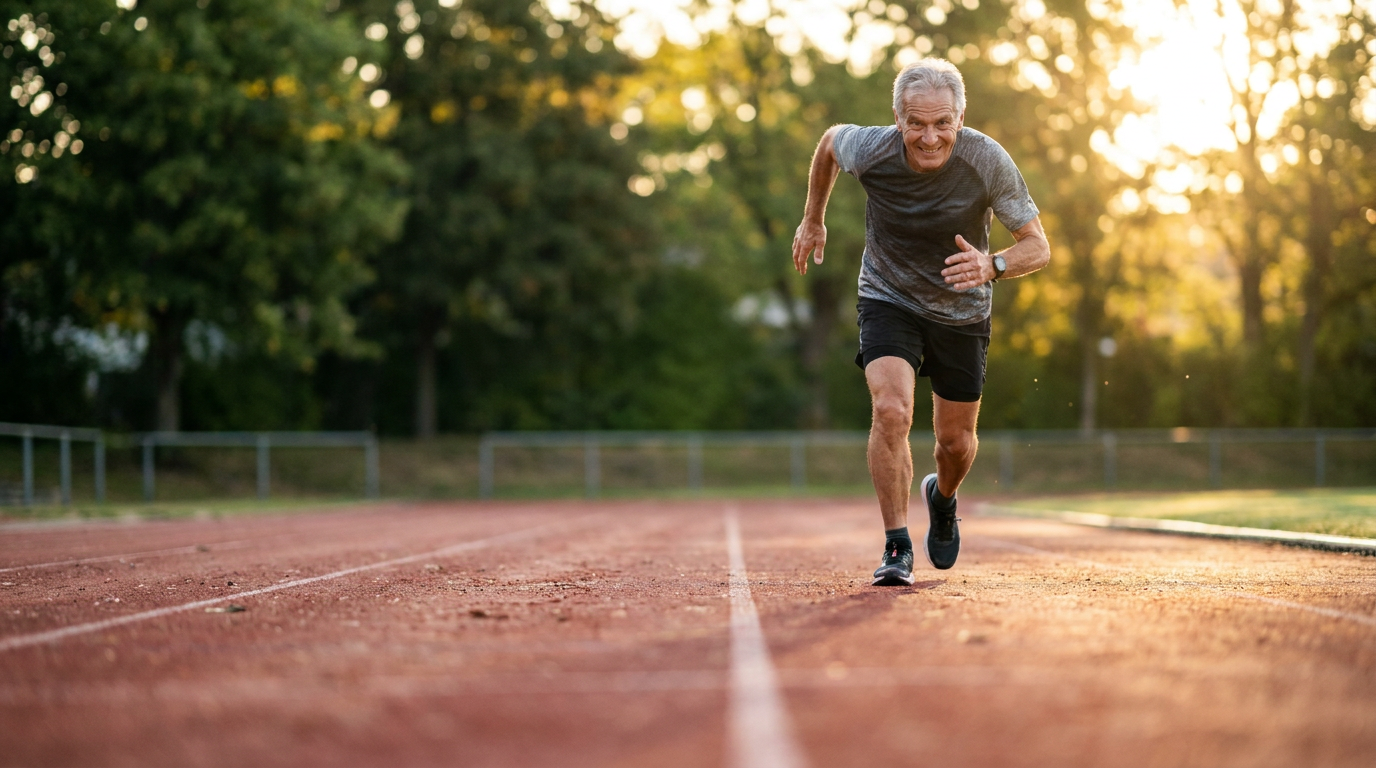
The first of these twin pillars is cardiorespiratory fitness, universally quantified in clinical settings as VO2 max. This metric represents the maximum rate at which the heart, lungs, and skeletal muscles can effectively absorb and utilize oxygen during exhaustive exercise. For decades, it was viewed primarily as a performance metric for elite endurance athletes.[2]
That perception shifted dramatically following a foundational, large-scale retrospective study published in JAMA Network Open. Analyzing treadmill test data from over 120,000 patients across several decades, researchers uncovered a startling reality about the protective power of high aerobic capacity against all-cause mortality.[1]
The researchers found that the health risks associated with poor cardiorespiratory fitness were not just significant; they were comparable to, or even exceeded, traditional clinical red flags like smoking, hypertension, and type 2 diabetes. The data demonstrated a clear, inverse relationship between aerobic fitness and the likelihood of premature death.[1]

Specifically, the study revealed that moving from the lowest performing fitness cohort to the elite tier of VO2 max was associated with a nearly 500% reduction in all-cause mortality risk. Even modest improvements—moving from the "low" to the "below average" category—yielded massive survival dividends, cutting mortality risk by roughly 50%.[1]
The biological mechanism behind this protection lies deep within our cells. Regular aerobic stress forces the body to build more mitochondria, the cellular powerhouses responsible for energy production. This increased mitochondrial density improves metabolic flexibility, enhances insulin sensitivity, and helps clear the cellular waste products associated with aging.[5]
But aerobic capacity is only half of the longevity equation. The second pillar is muscular strength and mass, often proxied in clinical and epidemiological settings by a surprisingly simple, highly reproducible metric: grip strength.[3]
But aerobic capacity is only half of the longevity equation.
The PURE (Prospective Urban Rural Epidemiology) study, a landmark investigation published in The Lancet, tracked nearly 140,000 adults across 17 countries. The findings established grip strength as a remarkably accurate predictor of cardiovascular death, outperforming even systolic blood pressure in its prognostic value.[3]
The data showed that every 5-kilogram decline in grip strength was associated with a 16% increased risk of all-cause mortality. This metric serves as a reliable proxy for overall systemic strength, highlighting the silent, pervasive threat of sarcopenia—the age-related loss of skeletal muscle mass and function.[3][4]
Historically, muscle was viewed merely as a mechanical tissue for locomotion. Today, endocrinologists recognize skeletal muscle as the body's largest endocrine organ and its primary glucose sink, playing a critical role in preventing the insulin resistance that leads to metabolic syndrome.[4][5]

When skeletal muscle contracts against resistance, it releases myokines—specialized signaling proteins that travel throughout the body to reduce systemic inflammation, strengthen bone density, and even promote neurogenesis in the brain, offering a buffer against cognitive decline.[5]
Furthermore, maintaining a robust reserve of muscle mass and power provides a physical buffer against frailty. Falls are among the leading causes of catastrophic decline and loss of independence in older adults; the neurological recruitment and physical force generated by healthy muscle tissue are the primary defenses against these events.[4]

While the benefits are clear, some uncertainty has lingered around the "extreme exercise hypothesis." Early epidemiological data suggested a U-shaped curve, theorizing that extreme endurance athletes might face diminishing returns or even increased cardiac risks, such as atrial fibrillation, from decades of chronic systemic stress.[2]
However, more recent, highly powered analyses of elite athletes have largely debunked the idea of a hard upper limit. The current consensus suggests that while the marginal benefits of exercise eventually flatten out at extreme volumes, the curve does not invert; there is no identified threshold where high cardiorespiratory fitness becomes inherently detrimental to lifespan.[1][6]
Translating this clinical evidence into an actionable protocol, exercise physiologists increasingly recommend a polarized training model. This typically involves spending roughly 80% of training time in "Zone 2"—a conversational pace of steady-state cardio that maximizes mitochondrial efficiency and fat oxidation without requiring extensive recovery.[2][6]

The remaining 20% of the protocol is dedicated to high-intensity interval training to push the VO2 max ceiling higher, combined with heavy, progressive resistance training to preserve type II fast-twitch muscle fibers and stimulate bone mineral density.[4][6]
Ultimately, while the biotechnology sector continues its multi-billion-dollar race to develop pharmacological interventions like senolytics and mTOR inhibitors to mimic these effects, the data remains unequivocal. Mechanical loading and aerobic stress are currently the only proven, universally accessible longevity drugs available to the public.[5][6]
How we got here
1990s-2000s
Longevity research primarily focuses on genetic factors and caloric restriction models in animal studies.
2015
The PURE study publishes findings in The Lancet establishing grip strength as a major predictor of cardiovascular mortality.
2018
JAMA Network Open publishes a landmark study of 120,000 patients, proving VO2 max outperforms traditional clinical risk factors in predicting survival.
2026
Clinical consensus solidifies around polarized training (Zone 2 cardio plus resistance training) as the primary evidence-backed longevity intervention.
Viewpoints in depth
Clinical Exercise Physiologists
Argue that mechanical loading and aerobic stress are the only proven interventions for extending healthspan.
This camp emphasizes that while the longevity industry is flooded with unproven supplements and biohacks, the clinical data overwhelmingly supports exercise as the ultimate intervention. They point to the massive hazard ratio reductions associated with high VO2 max and muscle mass, arguing that medical systems should prescribe specific, progressive exercise protocols with the same precision and urgency as pharmaceutical drugs. Their focus is on democratizing access to functional fitness testing and education.
Biogerontology Researchers
Focus on the cellular mechanisms of aging, seeking to develop pharmacological interventions that mimic the benefits of exercise.
Researchers in this field acknowledge the profound benefits of exercise but highlight a critical limitation: many older or disabled adults cannot perform the rigorous physical training required to achieve elite VO2 max or muscle hypertrophy. Consequently, they are focused on mapping the exact molecular pathways activated by exercise—such as AMPK activation and mTOR inhibition—to develop 'exercise mimetics.' These pharmacological interventions aim to deliver the metabolic and mitochondrial benefits of physical training to populations unable to train.
Public Health Advocates
Emphasize that longevity metrics must be addressed at a population level through built environments.
Public health experts argue that placing the burden of longevity entirely on individualized, highly optimized fitness protocols ignores the socioeconomic determinants of health. They advocate for systemic changes, such as walkable cities, accessible public parks, and community recreation programs, which naturally elevate the baseline cardiorespiratory fitness of entire populations. From this perspective, the most effective longevity intervention is an environment that requires daily, low-level physical exertion as a byproduct of normal life.
What we don't know
- Whether emerging pharmacological interventions (like rapamycin or senolytics) can fully replicate the systemic, multi-organ benefits of mechanical loading and aerobic stress.
- The exact optimal ratio of endurance to strength training required to maximize healthspan in advanced age.
- How genetic predispositions to high or low baseline VO2 max alter an individual's response to standardized longevity training protocols.
Key terms
- Healthspan
- The period of a person's life during which they are generally healthy and free from serious or chronic illness, as opposed to lifespan, which is merely the total years lived.
- VO2 Max
- The maximum rate at which the heart, lungs, and muscles can effectively absorb and utilize oxygen during exhaustive exercise; a primary indicator of cardiovascular fitness.
- Sarcopenia
- The involuntary, age-related loss of skeletal muscle mass, strength, and function, which significantly increases the risk of frailty and falls.
- Myokines
- Signaling proteins released by skeletal muscle fibers during contraction that help regulate metabolism, reduce inflammation, and support brain health.
- Zone 2 Cardio
- Steady-state aerobic exercise performed at an intensity where the body primarily uses fat for fuel and lactic acid does not accumulate, typically allowing the person to maintain a conversation.
Frequently asked
Can I still improve my VO2 max in my 60s or 70s?
Yes. While absolute VO2 max naturally declines with age, older adults remain highly responsive to aerobic training and can significantly improve their baseline capacity and mitochondrial function at any age.
Does brisk walking count as Zone 2 cardio?
It depends on your baseline fitness. Zone 2 is defined by metabolic effort (typically 60-70% of max heart rate), where you can hold a conversation but sound slightly strained. For some, brisk walking achieves this; for others, it requires jogging or cycling.
Why do doctors measure grip strength instead of other muscles?
Grip strength is measured because it is incredibly fast, cheap, and highly reproducible in a clinical setting using a hand dynamometer, and it correlates strongly with overall systemic muscle mass and central nervous system function.
Is it better to focus on cardio or weightlifting for longevity?
Current clinical consensus strongly recommends both. Aerobic training builds mitochondrial density and cardiovascular health, while resistance training preserves bone density and prevents the age-related loss of muscle mass (sarcopenia).
Sources
Source coverage
6 outlets
3 viewpoints surfaced






[1]JAMA Network OpenClinical Exercise Physiologists
Association of Cardiorespiratory Fitness With Long-term Mortality Among Adults Undergoing Exercise Treadmill Testing
Read on JAMA Network Open →[2]American Heart AssociationClinical Exercise Physiologists
American Heart Association Recommendations for Physical Activity in Adults
Read on American Heart Association →[3]The LancetPublic Health Advocates
Prognostic value of grip strength: findings from the Prospective Urban Rural Epidemiology (PURE) study
Read on The Lancet →[4]World Health OrganizationPublic Health Advocates
Physical activity guidelines and older adults
Read on World Health Organization →[5]Nature MedicineBiogerontology Researchers
Biomarkers of aging and the impact of physical fitness on cellular senescence
Read on Nature Medicine →[6]Factlen Editorial TeamClinical Exercise Physiologists
Synthesis by Factlen editorial team
Read on Factlen Editorial Team →
More in health
See all 5 stories →Paternal Neuroscience
How Fatherhood Rewires the Brain: The Science of Paternal Neuroplasticity
7 sources

Longevity Science
The Ultimate Predictors of Longevity: Why VO2 Max and Muscle Strength Outperform Traditional Health Metrics
6 sources
Nutritional Psychiatry
Nutritional Psychiatry: How the Gut Microbiome is Reshaping Mental Health Treatment
7 sources

Every angle. Every day.
Get health stories with full source coverage and perspective breakdowns delivered to your inbox.