
The Science of Koji: How an Ancient Mold is Rewriting the Rules of Home Cooking
Aspergillus oryzae, the fungus behind miso and soy sauce, is breaking out of traditional Japanese cuisine. Armed with a powerful payload of enzymes, it is allowing home cooks to tenderize meats, accelerate charcuterie, and unlock massive umami flavors.
By Factlen Editorial Team
- Culinary Innovators
- Chefs and home cooks leveraging koji's enzymes to accelerate aging, tenderize meats, and invent new flavor profiles outside traditional Asian cuisine.
- Food Scientists
- Researchers viewing A. oryzae as a highly efficient, sustainable chassis for producing alternative proteins, heme, and vital antioxidants.
- Traditional Fermenters
- Artisans who maintain the centuries-old techniques of using koji strictly for its historical applications: brewing sake and fermenting miso and soy sauce.
What's not represented
- · Commercial soy sauce manufacturers
- · Industrial enzyme producers
Why this matters
Understanding how to harness enzymatic fermentation allows home cooks to drastically improve the flavor and texture of everyday meals with minimal effort. Furthermore, the bioengineering of these traditional molds points toward a highly sustainable, nutritious future for alternative proteins.
Key points
- Aspergillus oryzae is a filamentous fungus that produces massive amounts of digestive enzymes.
- These enzymes—amylase, protease, and lipase—break down starches, proteins, and fats to create complex flavors.
- Home cooks use shio koji (salt koji) to rapidly tenderize meats and boost umami.
- Modern chefs are applying koji to accelerate charcuterie aging and improve baked goods.
- Bioengineers are modifying the mold to produce heme, creating sustainable, meat-like alternative proteins.
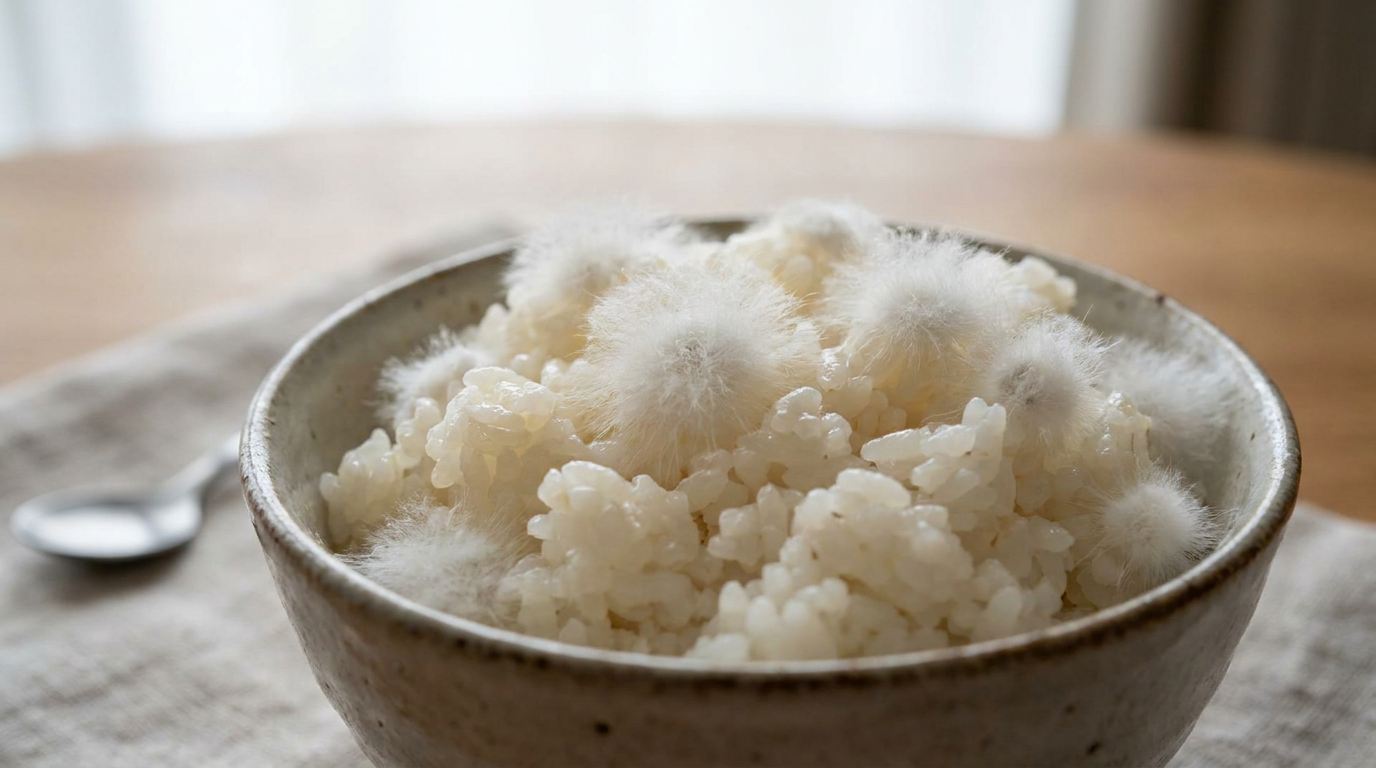
For more than two millennia, a microscopic filamentous fungus has quietly served as the backbone of East Asian cuisine. Aspergillus oryzae, affectionately known as koji mold, is the biological engine responsible for transforming humble soybeans and grains into soy sauce, miso, and sake. Historically, this transformation was left to specialized artisans and industrial producers who understood how to coax the mold into saccharifying starches and breaking down proteins. But in recent years, this ancient microbe has breached the walls of the commercial brewery and entered the modern home kitchen. Driven by a surge of interest in fermentation science and popularized by landmark culinary texts, koji is no longer just a behind-the-scenes industrial workhorse. It has become a frontline ingredient for home cooks seeking to unlock entirely new spectrums of flavor.[1][3]
The catalyst for this shift was a growing realization among Western chefs that koji is, fundamentally, an unparalleled enzyme factory. When the mold spores are inoculated onto a starchy substrate—typically steamed rice or barley—the growing mycelium secretes a massive payload of digestive enzymes to break down its environment. This biological imperative is what makes koji so valuable to cooks. Rather than relying on heat or long, slow cooking times to develop complex flavors, cooks can harness the mold's living chemistry to do the heavy lifting at room temperature. The publication of books like Koji Alchemy and the Noma Guide to Fermentation provided the necessary blueprints, translating esoteric microbiological processes into accessible, food-safe techniques for the amateur kitchen.[1][6]
To understand koji's culinary power, one must look at the specific enzymes it produces, primarily amylase, protease, and lipase. Amylase is responsible for breaking down complex, tasteless starches into simple, sweet sugars. This is the mechanism that converts rice into the sweet base required for brewing sake. Protease, meanwhile, acts as a microscopic butcher, cleaving long protein chains into individual amino acids. Among these amino acids is glutamate, the chemical compound responsible for umami—the deeply savory, mouth-filling "fifth taste." Finally, lipase breaks down fats into fatty acids and alcohols, contributing aromatic complexity. When a cook applies koji to an ingredient, they are essentially deploying a targeted chemical strike that simultaneously sweetens, tenderizes, and maximizes savory depth.[1][3]

For most home cooks, the gateway into this enzymatic world is a simple, traditional Japanese preparation called shio koji, which translates to "salt koji." It requires only three ingredients: dried rice koji, water, and salt. By mixing these components into a porridge-like consistency and leaving them to ferment at room temperature for seven to fourteen days, the cook creates a highly active, all-purpose marinade. The high salt concentration—typically around 10 percent of the total weight—creates a hostile environment for harmful bacteria and wild yeasts, ensuring the mixture remains safe. Meanwhile, the salt-tolerant enzymes produced by the Aspergillus oryzae continue to thrive, breaking down the rice grains until the mixture softens into a sweet, funky, and deeply savory paste.[4][5]
Once the shio koji is mature, it acts as a transformative marinade for proteins and vegetables. When applied to a piece of chicken or fish, the proteases immediately begin dismantling the muscle fibers on the surface of the meat. This not only tenderizes the flesh but also floods it with free amino acids, drastically amplifying its natural savory qualities. In test kitchens, cooks have found that shio koji lowers the surface pH of meats, which intensifies the denaturation of myoglobin and promotes rapid, even browning when the protein is eventually cooked. A simple chicken thigh marinated in shio koji for just a few hours will caramelize beautifully in a pan, yielding a texture and depth of flavor that usually requires days of brining or slow braising.[4][5]

Once the shio koji is mature, it acts as a transformative marinade for proteins and vegetables.
But modern culinary innovators are pushing the mold far beyond traditional marinades. By applying koji directly to raw meats, chefs have discovered they can radically accelerate the aging process of charcuterie. In a traditional dry-cured sausage like pepperoni, developing deep, complex flavors can take months of careful climate control. However, when koji-inoculated rice is introduced to the meat mixture and held at the low end of its enzymatic temperature range, the mold's proteases and lipases fast-track the breakdown of proteins and fats. This technique cuts the post-fermentation curing time down to a fraction of the traditional schedule while yielding a flavor profile that rivals long-aged artisanal meats.[1][5]
The applications extend into baking and dairy as well, proving that koji's enzymes are agnostic to the ingredients they encounter. When incorporated into bread dough, the amylase enzymes rapidly convert the flour's starches into sugars, providing abundant food for the yeast and resulting in a lighter, fluffier crumb—even in notoriously dense loaves like rye. In the realm of dairy, applying koji to a simple block of cream cheese and allowing it to ferment for a few days transforms the mild spread into a complex, pungent ingredient that mimics the sharp, piquant notes of a fine blue cheese. The mold effectively acts as a culinary skeleton key, unlocking hidden flavors in almost any raw material.[1]
Beyond the kitchen counter, Aspergillus oryzae is capturing the attention of food scientists and bioengineers who see it not just as a flavor enhancer, but as a sustainable food source in its own right. Traditional agriculture, particularly livestock farming, carries a massive environmental footprint. Fungal mycelium, by contrast, can be cultivated rapidly in bioreactors using a fraction of the water, land, and energy. Because Aspergillus oryzae already holds a "Generally Recognized as Safe" (GRAS) designation from global health authorities, it is an ideal candidate for developing next-generation alternative proteins that are both nutritious and environmentally sustainable.[2][3]
Recent breakthroughs in synthetic biology have demonstrated how this ancient mold can be tailored to meet modern nutritional needs. In a landmark study published in FEMS Microbiology Letters, researchers successfully engineered a strain of Aspergillus oryzae to produce elevated levels of heme and ergothioneine. Heme is the iron-rich molecule that gives meat its characteristic color and metallic flavor, while ergothioneine is a powerful antioxidant that protects cells from oxidative stress. By introducing soy leghemoglobin genes into the fungus, the researchers created a mycelium biomass with intracellular heme levels four times higher than the wild-type strain—closely mirroring the nutritional profile of leading plant-based meat alternatives.[2]

The sensory results of this bioengineering are particularly promising for the future of sustainable food. After harvesting, the engineered fungal biomass naturally exhibits a red hue that persists even after cooking, effectively mimicking the visual experience of eating meat. Furthermore, the modified strain contains a complete profile of all essential amino acids without compromising the fungus's natural growth yield or protein density. This suggests that the same microbe humans have used for centuries to flavor their food could soon become the primary protein source on the center of the plate, offering a highly efficient, meat-like experience without the associated environmental costs.[2]
Despite its vast potential, working with living microbes requires a baseline understanding of food safety and environmental variables. The primary uncertainty for home cooks venturing into koji fermentation lies in temperature and salinity control. Aspergillus oryzae thrives in a specific thermal band; if the environment drops too cold, enzymatic activity stalls, and if it spikes too high, the mold dies. Furthermore, while recipes from high-end test kitchens sometimes push the boundaries with very low salt percentages to encourage secondary bacterial fermentations, food safety experts caution that home cooks should stick to established ratios. Maintaining a salt concentration of at least 10 percent by weight is crucial for preventing the proliferation of unwanted pathogens during aerobic room-temperature ferments.[4][6]
As the culinary and scientific communities continue to map the capabilities of Aspergillus oryzae, the line between ancient tradition and modern food technology is blurring. What began as a localized method for preserving soybeans in East Asia has evolved into a global phenomenon that touches everything from backyard barbecues to cutting-edge synthetic biology labs. For the home cook, keeping a jar of shio koji in the refrigerator is no longer just a nod to Japanese cuisine; it is an embrace of applied biology. By harnessing the invisible architecture of enzymes, anyone can fundamentally rewrite the rules of flavor in their own kitchen.[1][3][6]
How we got here
2,000+ years ago
Aspergillus oryzae is domesticated in East Asia for brewing and food preservation.
2011
Shio koji experiences a massive 'glow up' in Japan following the publication of dedicated diet and recipe books.
2018
The Noma Guide to Fermentation is published, introducing advanced koji techniques to Western home cooks.
2020
Koji Alchemy is released, marking the first English-language book entirely dedicated to mold-based fermentation.
2024
Researchers successfully bioengineer A. oryzae to produce high levels of heme for sustainable meat alternatives.
Viewpoints in depth
Culinary Innovators
Chefs and home cooks leveraging koji's enzymes to invent new flavor profiles.
For the modern culinary innovator, koji is less about preserving tradition and more about unlocking the biochemical potential of raw ingredients. By treating Aspergillus oryzae as an 'enzyme factory,' chefs have discovered they can bypass months of traditional aging for charcuterie, transform basic cream cheese into complex blue-cheese analogues, and create deeply savory marinades for fried chicken. This camp views koji as a universal culinary tool, applicable to any cuisine, rather than an ingredient strictly bound to Japanese gastronomy.
Food Scientists & Bioengineers
Researchers viewing A. oryzae as a highly efficient chassis for sustainable food production.
In the realm of synthetic biology, Aspergillus oryzae is prized for its 'Generally Recognized as Safe' (GRAS) status and its incredible efficiency at converting simple inputs into dense, nutritious biomass. Food scientists are actively engineering the mold to express high levels of heme and ergothioneine, aiming to create alternative proteins that mimic the sensory experience of meat without the environmental devastation of livestock farming. For this camp, the mold is not just a seasoning—it is the future center-of-the-plate protein.
Traditional Fermenters
Artisans who maintain the centuries-old techniques of using koji for its historical applications.
Traditionalists revere Aspergillus oryzae as Japan's 'national fungus,' focusing on its historical role in saccharifying rice for sake and fermenting soybeans for miso and soy sauce. This perspective emphasizes the deep cultural heritage, precise temperature controls, and generational knowledge required to cultivate the perfect mold. While they acknowledge the modern 'glow up' of shio koji in Western kitchens, their primary focus remains on the meticulous, time-honored craft of East Asian fermentation.
What we don't know
- How bioengineered strains of A. oryzae will be regulated for commercial sale in different global markets.
- The long-term viability of using low-salt koji ferments in uncontrolled home kitchen environments without spoilage.
Key terms
- Aspergillus oryzae
- The scientific name for koji mold, a filamentous fungus used for centuries in East Asia to ferment foods.
- Shio Koji
- A versatile Japanese marinade made from fermented rice koji, salt, and water.
- Amylase
- An enzyme produced by koji that breaks down complex starches into simple, sweet sugars.
- Protease
- An enzyme that breaks down proteins into amino acids, tenderizing meat and creating umami flavor.
- Umami
- The savory "fifth taste" driven by glutamates, heavily amplified by koji fermentation.
Frequently asked
Is it safe to grow mold on food at home?
Yes, Aspergillus oryzae is designated 'Generally Recognized as Safe' (GRAS). When combined with the correct ratio of salt, it safely outcompetes harmful bacteria.
What does shio koji taste like?
It has a salty, deeply savory umami flavor with sweet, floral, and slightly fruity notes.
Can I use koji for things other than Japanese food?
Absolutely. Modern chefs use it to accelerate the aging of charcuterie, tenderize fried chicken, and even bake fluffier bread.
What is the difference between koji and miso?
Koji is the mold-inoculated grain used as a starter. Miso is the final paste created when koji is mixed with soybeans and left to ferment for months.
Sources
Source coverage
6 outlets
3 viewpoints surfaced






[1]ForbesCulinary Innovators
Koji Alchemy Unveils The Magical Mold That Pushes Culinary Boundaries Far Beyond Japanese Tradition
Read on Forbes →[2]FEMS Microbiology LettersFood Scientists
Edible mycelium bioengineered for enhanced nutritional value and sensory appeal
Read on FEMS Microbiology Letters →[3]American BiosystemsFood Scientists
Aspergillus oryzae: A filamentous fungus with numerous applications
Read on American Biosystems →[4]The FermentaryTraditional Fermenters
Shio Koji: The Magic Marinade
Read on The Fermentary →[5]Cook's ScienceCulinary Innovators
The Science of Koji
Read on Cook's Science →[6]Factlen Editorial TeamTraditional Fermenters
Synthesis by Factlen editorial team
Read on Factlen Editorial Team →
Every angle. Every day.
Get food drink stories with full source coverage and perspective breakdowns delivered to your inbox.