
The Race to Rotterdam: How the 2026 Gymnastics World Championship Field is Taking Shape
With the 2026 World Artistic Gymnastics Championships approaching in October, national teams and individual specialists are locking in their qualification spots through a high-stakes series of continental and World Cup events.

The global gymnastics calendar has reached a critical juncture this June, as athletes and national federations navigate a high-stakes qualification race. The ultimate destination is the 2026 World Artistic Gymnastics Championships, scheduled to take place from October 17 to 25. With the sport's premier non-Olympic competition looming, the current standings across various qualifying circuits are crystallizing the field of competitors.
Unlike earlier eras where participation was largely open, the International Gymnastics Federation (FIG) now employs a rigorous, multi-tiered qualification system. This ensures that only the most consistent and highly ranked athletes secure a ticket to the world stage, making every routine this summer a vital step toward the autumn championships.[1][4]
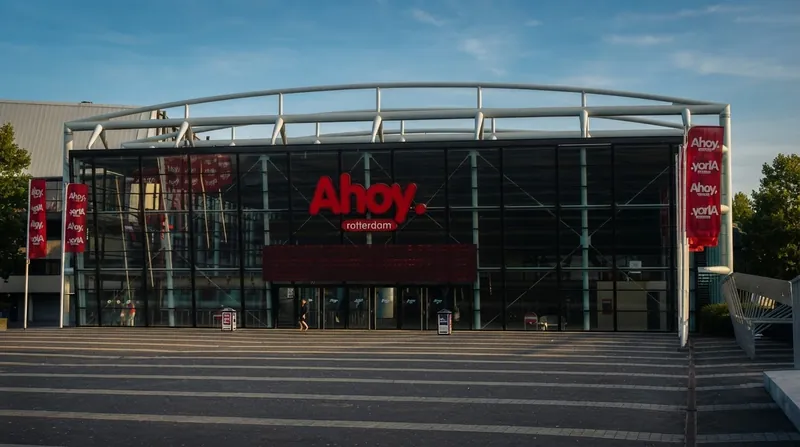
The upcoming World Championships will be hosted at the iconic Rotterdam Ahoy arena in the Netherlands, marking the third time the city has welcomed the event following successful runs in 1987 and 2010. Organizers have centered the 2026 competition around the theme "Building Bridges," aiming to celebrate unity across generations, cultures, and athletic disciplines.
For the athletes, however, the immediate focus is on crossing the bridge of qualification. The pathways to Rotterdam are divided into two primary routes: the team and all-around berths decided at the Continental Championships, and the individual apparatus spots earned through the FIG World Cup series.[3][5][6]
The Continental Championships serve as the most direct route for powerhouse nations to qualify their full, five-athlete rosters. June is a particularly decisive month, with the Pan American Gymnastics Championships running from June 17 to 21. This event acts as the primary qualifier for the Americas, drawing intense focus as federations finalize their strategies.
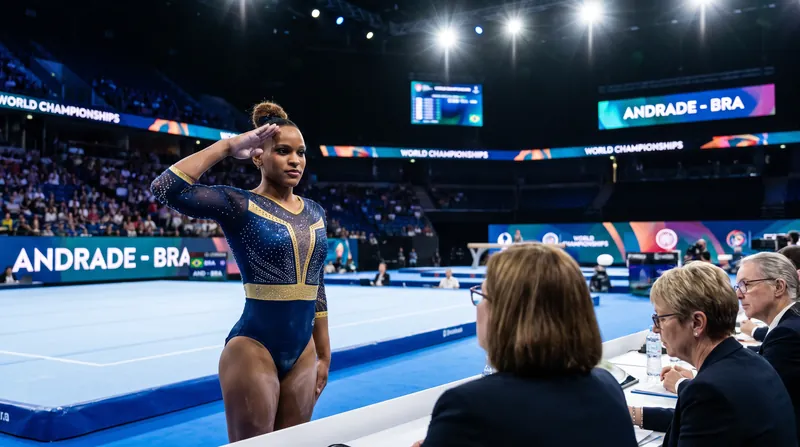
Gymnastics fans are closely watching the return of major stars to the competition floor, including Brazil's Rebeca Andrade, who is set to make her first competitive appearance of the year. For established programs like the United States and Brazil, securing a team spot is the baseline expectation, but the internal race among athletes to actually make those five-person squads remains fiercely competitive.[1]
Simultaneously, the Asian Gymnastics Championships are unfolding from June 18 to 21, serving as the battleground for the Eastern hemisphere's top talent. The Japanese men's team, a perennial dominant force, is looking to officially lock in its roster.
Pending team qualification, Japan is expected to field a formidable lineup featuring Olympic champion Daiki Hashimoto alongside Shinnosuke Oka, Shohei Kawakami, Ryosuke Doi, and Fusuke Maeda. On the women's side, the Japanese federation is relying on a mix of rising stars and seasoned competitors, including Haruka Nakamura and Aiko Sugihara, to secure their national presence in Rotterdam.[4]
While the Americas and Asia settle their team standings this month, European nations have a slightly longer runway. The European Women's Artistic Championships are slated for mid-August, meaning athletes from those countries are currently utilizing the FIG World Challenge Cup series to test routine upgrades and build competitive stamina.
Events like the upcoming Challenge Cup in Beijing offer a crucial testing ground. These meets do not directly qualify athletes for the World Championships, but they provide essential international scoring feedback from FIG judges, allowing gymnasts to adjust their difficulty values and execution before the definitive continental qualifiers.[4][5]
For athletes whose nations do not qualify a full team, the pathway to Rotterdam is an intricate mathematical race through the FIG Apparatus World Cup series. This circuit, which began earlier in the year in cities like Cottbus and concluded in Osijek, offers a lifeline for individual apparatus specialists.
At the end of the five-meet series, the top eight gymnasts with the highest three-meet point total on each apparatus—vault, uneven bars, balance beam, and floor exercise—become eligible for a World Championship berth. This system rewards specialists who can consistently deliver world-class routines on their signature events, even if they do not compete in the all-around.[2][4]
The standings for these apparatus spots are currently in a state of dynamic flux. Because the continental championships are held after the conclusion of the World Cup series, the final allocation of individual spots requires a complex reallocation process.
If a top-ranked apparatus specialist ends up qualifying for Rotterdam through their team or via the all-around competition at their continental championship, their World Cup points are effectively bypassed, and the apparatus spot is reallocated to the next eligible competitor in the standings. This trickle-down effect means that athletes sitting just outside the top eight are anxiously watching the continental results, hoping a spot might open up.[2]
This dual-track system has fundamentally changed how national federations approach the sport. Smaller gymnastics programs now strategically deploy their best athletes to specific World Cup events, prioritizing apparatus medals over all-around development if it offers a clearer path to the World Championships.
Securing a spot in Rotterdam is not just about medals; it guarantees crucial funding, international broadcast exposure, and momentum heading into the next Olympic cycle. As the June continental meets conclude and the final points are tallied, the complete picture of the 2026 World Championship field will finally emerge, setting the stage for a spectacular showcase of strength and flexibility in the Netherlands.[2][3][6]
Beyond the artistic gymnastics realm, the broader global gymnastics calendar remains incredibly active this summer. The rhythmic gymnastics discipline is currently staging its own World Challenge Cup series, with major upcoming stops in Beijing and Cluj-Napoca in late June. While the artistic gymnasts focus on Rotterdam, rhythmic competitors are fine-tuning their hoop, ball, clubs, and ribbon routines. These parallel circuits highlight the immense logistical coordination required by the FIG to manage multiple global standings simultaneously, ensuring that athletes across all disciplines have structured, transparent pathways to their respective pinnacle events.[5]
Ultimately, the race to Rotterdam exemplifies the evolving landscape of global gymnastics. The sport has moved away from subjective invitations toward a meritocratic, data-driven standings system that rewards both sustained excellence and strategic planning. As the summer progresses and the final rosters are cemented, the athletes heading to the Netherlands will represent the absolute peak of current gymnastic ability.
The essentials
- The 2026 Artistic Gymnastics World Championships will take place in Rotterdam this October.
- June is a critical qualification month, featuring both the Pan American and Asian Gymnastics Championships.
- National federations are battling to secure full five-athlete team berths via continental results.
- Individual specialists are relying on the FIG Apparatus World Cup series standings to secure top-eight finishes and earn their spots.
- The final list of individual qualifiers will not be confirmed until all continental championships conclude and points are reallocated.
Timeline
February - April 2026
The FIG Apparatus World Cup series takes place across multiple cities, allowing specialists to accumulate qualification points.
June 17–21, 2026
The Pan American Gymnastics Championships determine team and individual qualifiers for the Americas.
June 18–21, 2026
The Asian Gymnastics Championships finalize the qualification standings for Eastern hemisphere nations.
August 2026
The European Women's Artistic Championships serve as the final major continental qualifier.
October 17–25, 2026
The 2026 World Artistic Gymnastics Championships take place in Rotterdam, Netherlands.
- National Team Directors
- Prioritizing full-team qualification and overall program dominance.
- Apparatus Specialists
- Focused on the individual World Cup points race and securing single-event berths.
- Event Organizers
- Focused on the logistics, cultural impact, and successful hosting of the championships.
Perspectives this story doesn't cover
- Athletes recovering from injury
- Judges evaluating routine upgrades
Sources
Source coverage
6 outlets
3 viewpoints surfaced






- [1]Olympics.comNational Team Directors
2026 Pan American Gymnastics Championships: Schedule, stars, how to watch live
Read on Olympics.com → - [2]The GymternetApparatus Specialists
2026 Apparatus World Cup WAG Rankings
Read on The Gymternet → - [3]Rotterdam 2026Event Organizers
All about the Artistic Gymnastics World Championships 2026 in Rotterdam
Read on Rotterdam 2026 → - [4]WikipediaEvent Organizers
2026 World Artistic Gymnastics Championships
Read on Wikipedia → - [5]FIG OfficialEvent Organizers
FIG World Challenge Cup 2026
Read on FIG Official → - [6]TIG SportsEvent Organizers
2026 Artistic Gymnastics World Championships
Read on TIG Sports →
More in Sports
See all →Injury
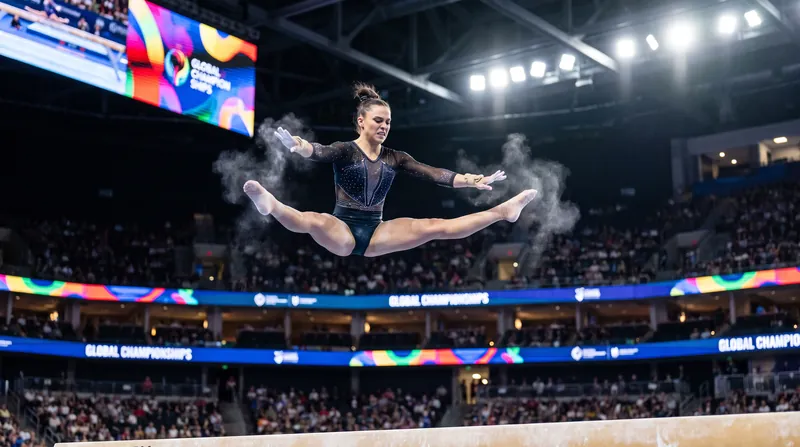
Gymnastics Injury Report: Blakely Returns, Japan's Men Battle Setbacks Ahead of Rotterdam
4 sources
Power ranking
Women's All-Around Power Rankings: The Five Gymnasts Setting the Pace for Rotterdam
6 sources
Asian Games
Carlos Yulo Completes Career Grand Slam With Floor Exercise Gold at 2026 Asian Games
5 sources

Recap
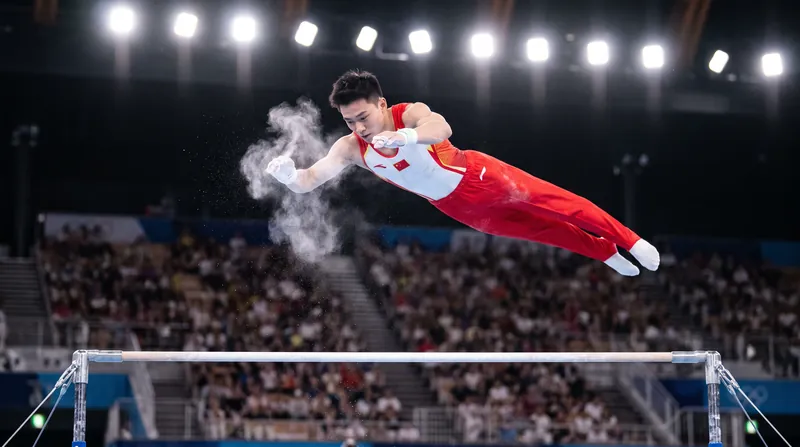
China Edges Japan in Dramatic Horizontal Bar Finale to Retain Asian Games Men's Gymnastics Team Gold
5 sources
Comments
Every angle. Every day.
Get Sports stories with full source coverage and perspective breakdowns, free every day.