
The HOME Rule Reversal: How HUD's Proposed Rollback Reshapes Affordable Housing Rehab and Tenant Rights
A new HUD proposal seeks to strip recent tenant protections and green-building incentives from the HOME program, aiming to boost landlord participation but drawing fire from housing advocates.

Share this story
In short
- HUD has proposed revoking 22 tenant protections added to the HOME program in 2025.
- The rollback eliminates the requirement for landlords to pay for tenant relocation during life-threatening property repairs.
- Green building incentives that allowed developers to exceed subsidy limits are also slated for removal.
On April 30, 2026, the U.S. Department of Housing and Urban Development (HUD) issued a sweeping proposal to strip a suite of newly established tenant protections and green-building incentives from the HOME Investment Partnerships Program. The supplemental notice of proposed rulemaking effectively dismantles the core of a landmark January 2025 final rule, which had introduced 22 federal landlord-tenant requirements designed to shield low-income renters.
By indefinitely delaying and proposing to revoke these provisions, HUD is signaling a major policy pivot, arguing that the regulatory burden of the 2025 rule was actively deterring private landlords and developers from participating in the federal affordable housing pipeline.[1]
To understand the stakes of the reversal, it is necessary to understand the mechanics of the HOME program itself. As the largest federal block grant dedicated exclusively to creating affordable housing for low-income households, HOME funds are distributed to states and localities to build, buy, and rehabilitate rental housing, as well as to provide direct tenant-based rental assistance (TBRA).
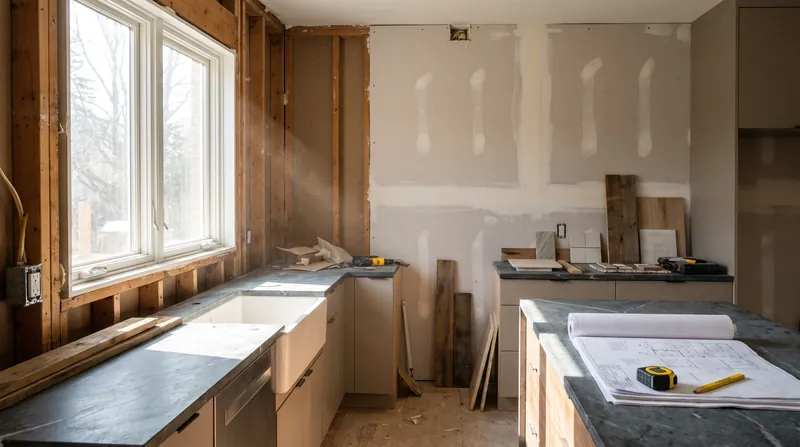
Because a significant portion of HOME funds goes toward the physical remodeling and rehabilitation of aging properties, the rules governing how landlords must handle tenants during major repairs—and what building standards they must meet—dictate the financial viability of thousands of projects nationwide.[1][2]
The January 2025 Final Rule was celebrated by housing advocates as a generational upgrade to tenant rights. Among its most significant changes was a strict mandate regarding property rehabilitation and life-threatening unit deficiencies.
Under the 2025 framework, if a property owner could not resolve a severe health or safety hazard on the same day it was identified, they were legally required to relocate the affected tenants to temporary housing at no additional cost to the renter. This provision was designed to prevent 'self-help evictions,' where landlords might use prolonged remodeling or utility shut-offs to force tenants out of their units.[1]
However, the April 2026 proposal entirely removes this unconditional relocation requirement. HUD's revised stance reverts to the pre-2025 standards, applying the mandate for immediate correction only to specific life-threatening deficiencies rather than all health and safety issues, and stripping the financial obligation for landlords to fund temporary hotel stays or alternate apartments during extensive unit repairs. For property owners, this removes a massive financial liability from the balance sheet of a rehabilitation project; for tenants, it removes a critical safety net during major structural interventions.
Beyond physical repairs, the 2026 rollback targets the legal relationship between landlords and tenants. The 2025 rule introduced a broad prohibition against 'unreasonable interference or retaliation,' which barred property owners from retaliating against tenants who organized, complained about code violations, or requested necessary remodeling. In its April 2026 notice, HUD proposed deleting this prohibition entirely, stating bluntly that the regulatory test for unreasonable interference has no basis in the underlying statute.
The rollback also targets the physical construction standards of the housing itself. The 2025 rule included a mechanism that permitted participating jurisdictions to exceed the maximum per-unit federal subsidy if a rehabilitation or new construction project met specific green building standards. This was intended to incentivize developers to install energy-efficient HVAC systems, superior insulation, and sustainable materials. The April 2026 supplemental notice proposes to revoke this green-building flexibility, prioritizing raw unit volume and lower upfront costs over long-term environmental performance and tenant utility savings.[1]
The housing industry has largely welcomed the reversal, arguing that the 2025 rule was a classic case of regulatory overreach that threatened to freeze affordable housing development. Groups like the National Apartment Association had previously warned HUD that overlaying 22 new federal mandates on top of an already complex web of state and local landlord-tenant laws would create an administrative nightmare.
Industry advocates argued that the threat of federal penalties for complex retaliation claims, combined with the open-ended costs of tenant relocation during rehab, would cause private property owners to simply refuse HOME funds and exit the program entirely.
HUD's official justification echoes this industry anxiety. In the Federal Register notice, the agency stated that reverting to the pre-2025 tenant protections will better incentivize the production of affordable housing and improve private landlord participation in HOME tenant-based rental assistance. The fundamental mechanism of the HOME program relies on private-sector cooperation; if the compliance costs of accepting federal funds exceed the financial benefit, developers will pivot to market-rate projects, leaving low-income renters with fewer housing options, even if those options come with fewer federal guarantees.[2]
Tenant advocates view the reversal as a dangerous capitulation. The National Low Income Housing Coalition and other advocacy groups have mobilized against the April 2026 proposal, arguing that it strips away basic human rights for vulnerable populations. They point out that without the anti-retaliation provisions, tenants living in properties undergoing disruptive remodeling or suffering from severe deferred maintenance will be afraid to report unsafe conditions to local code enforcement, fearing eviction or lease non-renewal.
Despite the sweeping nature of the rollback, HUD is not abandoning every element of the 2025 framework. The agency is proposing to maintain the 'good cause' eviction standards, which limit the circumstances under which a landlord can terminate or refuse to renew a tenancy. Additionally, the statutory requirements for the Violence Against Women Act (VAWA) lease addendum remain intact, ensuring that survivors of domestic violence retain specific housing protections regardless of the broader regulatory rollback.
The regulatory whiplash has left local housing authorities and developers in a state of administrative limbo. HUD had already delayed the implementation of the 2025 tenant protections multiple times—first to October 2025, and then to April 2026—before finally issuing the indefinite delay and proposed revocation. Property owners are currently instructed to follow the pre-2025 HOME program lease requirements while the federal government processes the new round of public comments, which are due by June 1, 2026.
The regulatory whiplash has left local housing authorities and developers in a state of administrative limbo.
Ultimately, the HOME rule reversal highlights the inherent tension in federal housing policy: the trade-off between maximizing the sheer volume of affordable units and guaranteeing the quality and security of those units. By stripping away relocation mandates during remodeling, anti-retaliation clauses, and green building incentives, HUD is betting that a lighter regulatory touch will keep private capital flowing into the affordable housing sector. Whether that capital will produce safe, sustainable, and secure housing for the nation's most vulnerable renters remains the central question of the 2026 housing landscape.[2]
Key terms
- HOME Investment Partnerships Program
- A federal block grant that funds the construction, purchase, and rehabilitation of affordable housing for low-income renters.
- Tenant-Based Rental Assistance (TBRA)
- A federal subsidy that helps low-income households pay rent and security deposits in the private housing market.
- Self-Help Eviction
- An illegal practice where a landlord forces a tenant out by shutting off utilities, changing locks, or making the unit uninhabitable during repairs.
- Notice of Proposed Rulemaking
- A public notice issued by a federal agency detailing a proposed change to federal regulations, which opens a period for public comment.
Frequently asked
What is the HOME Investment Partnerships Program?
It is a federal block grant program that provides funds to states and localities to build, buy, and rehabilitate affordable rental housing for low-income households.
Why is HUD rolling back the 2025 tenant protections?
HUD stated that reverting to the pre-2025 rules will reduce regulatory burdens, thereby incentivizing more private landlords and developers to participate in the affordable housing program.
How does this affect tenants during major property repairs?
Under the proposed rollback, landlords would no longer be federally required to pay for temporary relocation if a life-threatening deficiency cannot be fixed on the same day.
Are all tenant protections being removed?
No. HUD is proposing to maintain 'good cause' eviction standards and the required lease addendums under the Violence Against Women Act (VAWA).
Viewpoints in depth
Affordable Housing Providers
Property owners argue that excessive federal mandates make affordable housing projects financially unviable.
Industry groups like the National Apartment Association argue that the 2025 rule overlaid confusing, redundant federal mandates on top of existing state and local landlord-tenant laws. They contend that the open-ended financial liability of unconditionally relocating tenants during major remodeling, combined with the legal risks of broad anti-retaliation clauses, forces private developers to abandon the HOME program entirely in favor of market-rate projects.
Tenant Advocates
Housing advocates argue the rollback endangers vulnerable renters and enables retaliatory evictions.
Organizations like the National Low Income Housing Coalition view the 2026 reversal as a dangerous removal of basic safety nets. They argue that without strict federal rules requiring temporary relocation during life-threatening repairs, landlords can use disruptive remodeling or utility shut-offs as 'self-help evictions' to force low-income tenants out. They also warn that removing anti-retaliation protections will silence tenants from reporting severe code violations.
Federal Regulators
HUD aims to balance tenant safety with the economic incentives required to maintain the affordable housing supply.
HUD's stated rationale for the rollback is purely pragmatic: the agency believes that reverting to pre-2025 standards will 'better incentivize the production of affordable housing.' Regulators are attempting to thread the needle by removing the most costly mandates—like unconditional relocation and green-building requirements—while retaining baseline protections like 'good cause' eviction standards and VAWA lease addendums.
- Affordable Housing Providers
- Argue that heavy regulations deter private participation and slow down housing production.
- Tenant Advocates
- Argue that the rollback endangers vulnerable renters and removes basic safety standards.
- Federal Regulators
- Aiming to balance tenant safety with the economic realities of incentivizing developers.
- Neutral Analysts
- Evaluating the trade-offs between housing volume and tenant security.
Perspectives this story doesn't cover
- Low-income tenants currently living in HOME-assisted properties undergoing major rehabilitation.
- Local municipal code enforcement officers who handle tenant complaints.
Sources
Source coverage
2 outlets
4 viewpoints surfaced


- [1]HUD ExchangeFederal Regulators
HUD Publishes HOME Final Rule, Effective Date – February 5, 2025
Read on HUD Exchange → - [2]Factlen Editorial TeamNeutral Analysts
Synthesis by Factlen editorial team
Read on Factlen Editorial Team →
More in Home
See all →Housing Supply
FHA Title I Loan Limits for ADUs and Manufactured Homes Jump 107% Under New Federal Housing Act
1 sources
Building Codes
The 2026 California Mandate: How New Homes Must Now Be Built With Integrated Battery Storage Capacity
4 sources
Lead Abatement
EPA's Strictest-Ever Lead Dust Standards Take Effect, Forcing Costly Abatement in Millions of Pre-1978 Homes
7 sources
Home Renovation
Harvard LIRA Forecasts Home Remodeling Growth to Decelerate Sharply to 1.2% by Mid-2026
6 sources
Comments
Every angle. Every day.
Get Home stories with full source coverage and perspective breakdowns, free every day.