
The Hidden Digital Wealth of a Modern Library Card
Beyond physical books, local library cards now unlock thousands of dollars in free access to streaming services, professional certification courses, and premium digital media.
By Factlen Editorial Team
- Digital Resource Advocates
- Emphasize the democratization of expensive media, courses, and tools, viewing the library card as a vital economic equalizer.
- Library Administrators
- Focus on the hidden financial strain of digital licensing, balancing soaring patron demand against restrictive publisher pricing and pay-per-use streaming models.
- Publishers & Platform Providers
- Argue that digital licensing fees are necessary to compensate authors and maintain the technological infrastructure of apps like Libby and Kanopy.
What's not represented
- · Independent Authors
- · Low-Income Families Without Broadband Access
Why this matters
Most people are paying hundreds of dollars annually for streaming platforms, audiobooks, and online courses that their local taxes already fund. Activating these digital library benefits can significantly reduce household subscription fatigue.
Key points
- Digital library checkouts surpassed 820 million globally in 2025.
- Libraries pay significantly more for digital licenses than physical books, causing waitlists.
- Streaming services like Kanopy and Hoopla offer ad-free movies and documentaries.
- Library cards unlock free access to premium courses on LinkedIn Learning and Coursera.
- Many libraries now lend non-traditional items like tools, seeds, and museum passes.
The modern library card has quietly evolved from a simple piece of plastic used to borrow paperbacks into a powerful digital passport. As subscription fatigue sets in across the entertainment and education sectors, public libraries have transformed into comprehensive digital hubs, offering thousands of dollars in premium services entirely free of charge to residents.[7]
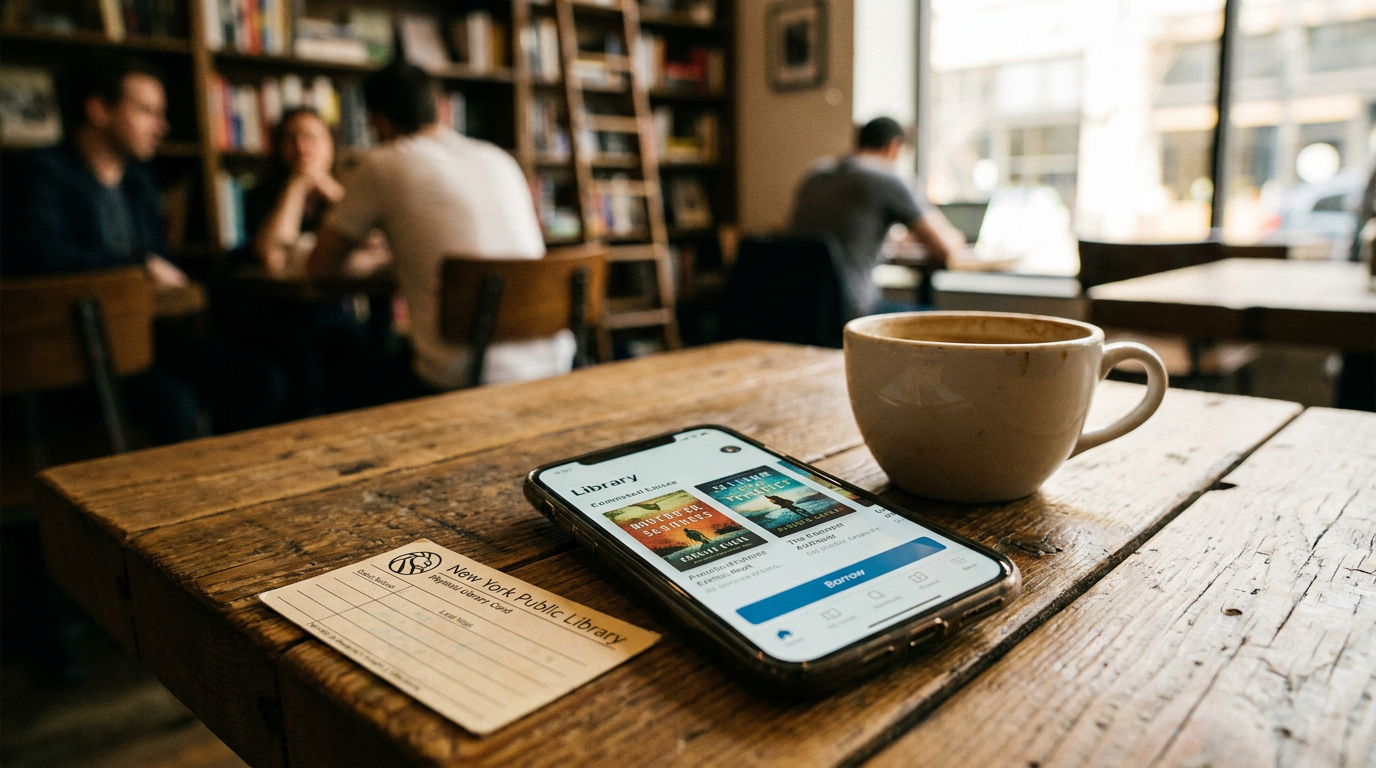
The sheer scale of this digital shift is staggering. In 2025, digital checkouts via the Libby app—the primary platform used by public libraries—surpassed 820 million worldwide. This represents a massive jump that reflects a fundamental change in how communities consume media, with digital circulation now routinely surpassing physical checkouts in many major municipal districts.[1]
Audiobooks and ebooks are driving this unprecedented surge. Patrons borrowed over 315 million audiobooks alone last year, turning their daily commutes and dog walks into free literary experiences. However, the seamless convenience of tapping "borrow" on a smartphone hides a complex and often strained economic reality behind the scenes.[1]

When a consumer buys a physical book, a library might pay between $8 and $30, and that copy stays in the collection indefinitely. But when a library buys that same title digitally, publishers often charge three to four times as much. A single digital audiobook license can cost a library up to $73, and these licenses frequently expire after a set number of months or checkouts, forcing the library to repurchase them.[2]
This restrictive pricing model explains the long waitlists patrons often encounter for popular digital titles. Libraries must constantly balance their budgets, spending thousands of dollars weekly just to maintain digital queues. Because they are legally required to purchase individual digital licenses rather than sharing a single file infinitely, libraries only have a set number of digital copies to lend out at any given time.[2]

Beyond books, libraries have quietly become major players in the streaming wars. Services like Kanopy and Hoopla offer ad-free access to movies, documentaries, and television shows, entirely funded by local library systems. For film enthusiasts, these platforms offer a compelling alternative to paid subscriptions like Netflix or Max.[3][4]
Kanopy focuses heavily on critically acclaimed cinema, independent films, and the prestigious Criterion Collection. The platform has seen explosive growth, racking up nearly 30 million plays in 2025 as more viewers discover its high-quality, ad-free catalog.[1][3]
Kanopy focuses heavily on critically acclaimed cinema, independent films, and the prestigious Criterion Collection.
Hoopla offers a broader, more versatile catalog that includes comics, music, and mainstream movies. However, it operates on a pay-per-use model. This means the library is charged a direct fee—ranging from $2.75 to $5.00—every single time a patron hits play, making it one of the most expensive resources a library can offer.[3][4]
Because of these mounting pay-per-use costs, many library systems have been forced to implement strict monthly borrowing caps. In 2026, major systems like the LA County Library reduced their Hoopla limits from eight items a month down to five in order to keep their digital budgets intact while still providing the service.[4]
The digital wealth of a library card extends far beyond entertainment into the realm of professional development. A library card often grants free access to premium educational platforms like LinkedIn Learning (formerly Lynda.com) and Coursera, which normally cost hundreds of dollars a year.[6]
Through these portals, patrons can take thousands of courses in software development, business management, and creative skills. Users can learn Python, master graphic design, or study project management from industry experts, often earning printable certificates of completion at absolutely no cost.[6]

Language learning is another massive, often-overlooked perk. Premium apps like Mango Languages and Rosetta Stone are frequently available through library portals, allowing users to learn dozens of languages directly from their smartphones without paying hefty monthly subscription fees.[6]
Returning to the physical world, the modern library has also pioneered the "Library of Things." Patrons can check out non-traditional items ranging from energy-efficient induction cooktops and gardening seeds to camping equipment, board games, and specialized tools.[5][6]
Cultural access is heavily subsidized as well. Programs like California's "Discover & Go" or Colorado's state park backpack kits allow cardholders to reserve free passes to local museums, science centers, and state parks, saving families hundreds of dollars on weekend outings and educational trips.[5][6]
Ultimately, the library card remains one of the most powerful financial tools available to the public. By navigating the complex economics of digital licensing on behalf of their communities, public libraries continue to democratize access to information, entertainment, and professional growth in the digital age.[5][7]

How we got here
2012
OverDrive and early digital lending platforms begin gaining widespread adoption in public libraries.
2021
OverDrive acquires Kanopy, consolidating major digital reading and streaming platforms under one umbrella.
2023
Digital checkouts surpass physical material circulation in several major municipal library systems for the first time.
2025
Global digital checkouts via Libby surpass 820 million, setting a new record for library e-lending.
2026
Rising licensing costs prompt several major library systems to adjust streaming caps on pay-per-use platforms like Hoopla.
Viewpoints in depth
Digital Resource Advocates
View the library card as a vital economic equalizer that democratizes expensive media and education.
Advocates argue that the shift to digital resources is one of the most important public services of the 21st century. By subsidizing access to platforms like LinkedIn Learning, Coursera, and Kanopy, libraries are leveling the playing field for lower-income residents who cannot afford hundreds of dollars in monthly subscription fees. They emphasize that the return on investment for taxpayers is massive, as a single library card can replace the need for multiple streaming and educational subscriptions, directly improving a community's economic mobility and quality of life.
Library Administrators
Focus on the hidden financial strain of digital licensing and the challenge of balancing soaring patron demand.
For library directors and budget managers, the digital revolution is a double-edged sword. While they celebrate the record-breaking engagement, they are quietly struggling with the economics of digital lending. Because publishers charge libraries significantly more for digital licenses than physical books—and because streaming services like Hoopla charge per play—libraries are burning through their materials budgets faster than ever. This financial reality forces administrators to make difficult choices, such as capping monthly streaming limits or enduring long waitlists for popular ebooks, simply to keep their systems solvent.
Publishers & Platform Providers
Argue that digital licensing fees are necessary to compensate creators and maintain technological infrastructure.
Publishers and platform developers maintain that the higher costs for library digital licenses are justified. Unlike a physical book that eventually wears out or gets lost, a digital file remains in pristine condition forever. To protect authors' royalties and prevent a single digital purchase from cannibalizing retail sales, publishers implement metered access and higher upfront costs. Furthermore, platform providers note that the fees support the continuous development of accessible, user-friendly apps like Libby and Kanopy, ensuring they remain competitive with commercial tech giants.
What we don't know
- Whether publishers will eventually agree to lower digital licensing costs for public libraries.
- How libraries will sustain pay-per-use streaming models if patron demand continues to grow exponentially.
Key terms
- Libby
- The primary reading app developed by OverDrive, used by millions to borrow ebooks and audiobooks from local libraries.
- Kanopy
- An ad-free video streaming service offered through libraries and universities, specializing in independent films and documentaries.
- Hoopla
- A digital media service that allows library patrons to borrow movies, music, audiobooks, and comics on a pay-per-use model.
- Pay-per-use model
- A licensing agreement where the library pays a specific fee every time a patron borrows or streams an item, rather than buying the item outright.
- Metered Access
- A digital licensing model where a library's right to lend an ebook or audiobook expires after a set time period or number of checkouts.
Frequently asked
How do I access LinkedIn Learning for free?
You must log in through your local library's dedicated web portal using your library card number and PIN, rather than going directly to the LinkedIn website.
Why is there a waitlist for a digital book?
Libraries must purchase individual digital licenses for ebooks and audiobooks, meaning they only have a set number of digital copies to lend out at any given time.
Can I use both Kanopy and Hoopla?
Yes, if your library subscribes to both. You can create free accounts on both platforms using the same library card number.
What is a Library of Things?
It is a collection of non-traditional items available for checkout, which can include tools, electronics, camping gear, and state park passes.
Sources
Source coverage
7 outlets
3 viewpoints surfaced







[1]OverDrivePublishers & Platform Providers
Libraries Break Digital Lending Records in 2025 with Over 820 Million Checkouts
Read on OverDrive →[2]Spokane Public LibraryLibrary Administrators
The Cost of Digital Content for Libraries
Read on Spokane Public Library →[3]BrokenStreamsPublishers & Platform Providers
Hoopla vs Kanopy 2026: Which Free Library Streaming Service Wins?
Read on BrokenStreams →[4]LA County LibraryLibrary Administrators
Watch Free Films and TV Shows: Kanopy and Hoopla
Read on LA County Library →[5]California State GovernmentDigital Resource Advocates
The Value of a Library Card: Savings and Services
Read on California State Government →[6]Douglas County LibrariesDigital Resource Advocates
Library Perks: Online Learning and Nontraditional Items
Read on Douglas County Libraries →[7]Factlen Editorial TeamDigital Resource Advocates
Synthesis by Factlen editorial team
Read on Factlen Editorial Team →
Every angle. Every day.
Get guides stories with full source coverage and perspective breakdowns delivered to your inbox.