
Real-Time CdA Sensors Bring Aerodynamic Testing Out of Wind Tunnels and Onto the Road
Miniaturized sensors are moving aerodynamic testing out of expensive wind tunnels and onto the open road, allowing cyclists to measure their drag coefficient in real time.
By Omar Haddad

Share this story
For decades, the pursuit of speed in professional cycling has been locked behind the heavy, soundproofed doors of aerospace wind tunnels. Teams spend thousands of dollars an hour to place their star riders in static, highly controlled environments, searching for minute reductions in aerodynamic drag.[1]
In these sterile laboratories, engineers tweak helmet visors, adjust fabric seams, and lower handlebars by millimeters to find "free speed." But wind tunnels have a fundamental flaw when applied to the sport of cycling: they do not pedal, they do not steer, and they do not fatigue over a five-hour stage.
When a rider leaves the tunnel and hits the unpredictable crosswinds of a mountain descent, the meticulously calculated aerodynamic posture often falls apart. The real world is messy, filled with changing road surfaces, shifting weather fronts, and the biomechanical reality of human exhaustion.
Now, a wave of miniaturized technology is moving the wind tunnel out of the laboratory and onto the open road. Devices known as real-time CdA (Coefficient of Aerodynamic Drag) sensors are mounting directly to the handlebars and stems of professional bicycles.[2]
Companies like Aerosensor, founded by former Formula 1 aerodynamicist Dr. Barney Garrood, and Body Rocket are leading a quiet revolution in how cycling teams measure efficiency.[2]
By combining data from a bicycle's power meter, speed sensors, and proprietary airflow probes, these systems calculate a rider's exact aerodynamic drag second by second, streaming the results directly to a computer on the handlebars.[3]
The physics driving this technological arms race is both elegant and unforgiving. At moderate racing speeds of 25 mph, roughly 70 to 80 percent of a cyclist's power output is consumed entirely by overcoming air resistance.
As speeds approach 35 mph in a sprint or a fast valley descent, that figure climbs to a staggering 90 percent. Because the rider's body accounts for approximately 80 percent of the total aerodynamic drag, optimizing human posture is far more impactful than upgrading to a lighter carbon frame or deeper wheels.[3]
Real-time sensors tackle this by using pitot tubes—similar to the nose cones on commercial aircraft—to measure the exact airspeed and yaw angle of the wind hitting the bicycle.
While some systems calculate drag by measuring the wind and subtracting the rider's power output, others take a more direct, mechanical approach. Body Rocket's system, for example, isolates the rider entirely by placing force sensors in the seat post, the stem, and the pedals.[3]
These sensors measure the literal horizontal push of the wind against the cyclist's body. The pedals double as highly accurate power meters, while a front-mounted airspeed sensor captures the environmental conditions.[3]
This direct-force measurement allows the system to account for the micro-adjustments a rider makes while navigating real-world tarmac, isolating the human from the machine.
The accuracy of these on-bike systems is beginning to rival traditional aerospace methods. In comparative testing, Body Rocket's sensors demonstrated a maximum deviation of just 2.7 percent from wind tunnel data, with an average variation of a mere 0.7 percent.
Professional teams are already integrating the technology into their competitive workflows. Lidl-Trek has formally partnered with Aerosensor to refine their time-trial setups, using the devices to replicate velodrome testing during standard training rides.
The Aerosensor system even includes a laser-based "Aerobody" component that monitors the rider's head and chest position. If a rider breaks their aerodynamic tuck due to fatigue, the system alerts them via their cycling computer, acting as a virtual aerodynamic coach.[2]
Despite the breakthroughs, real-world testing introduces variables that algorithms still struggle to perfectly filter. Heavy traffic can completely skew the data, as passing cars create artificial drafts and pressure waves that confuse the sensors.
Wet weather can interfere with the delicate pitot tubes, and gusting, unpredictable crosswinds require riders to find quiet, flat stretches of road to establish reliable aerodynamic baselines. Furthermore, the technology remains prohibitively expensive for the average consumer, with early commercial arrays costing upwards of £2,000.
Yet, the trajectory of the technology mirrors the early days of the cycling power meter—a once-exotic tool that eventually became standard equipment for amateurs and professionals alike. As the hardware shrinks and the artificial intelligence filtering the data improves, real-time aerodynamic feedback is poised to become the next great equalizer in the sport.
Key points
- Real-time CdA sensors are moving aerodynamic testing from static wind tunnels to the open road.
- At racing speeds, up to 90 percent of a cyclist's power is used entirely to overcome air resistance.
- The rider's body accounts for 80 percent of total drag, making posture optimization crucial.
- Systems like Body Rocket and Aerosensor use pitot tubes and force sensors to calculate drag dynamically.
- WorldTour teams are already using the technology to replicate velodrome testing during standard training.
How we got here
2019
Early consumer aerodynamic sensors like the Argon18 Notio hit the market, introducing real-time drag calculation.
2022
Body Rocket launches campaigns to develop direct-force measurement systems that isolate the rider.
2024
WorldTour teams like Lidl-Trek begin formally partnering with sensor companies like Aerosensor for race preparation.
2026
Advanced prototypes capable of measuring drag on standard drop-bar road bikes enter elite testing.
- Aerodynamic Innovators
- Companies and engineers pushing to bring F1-level telemetry to cycling.
- WorldTour Teams
- Professional squads integrating the tech to gain marginal advantages.
- Cycling Tech Analysts
- Reviewers evaluating the practical accuracy and cost of the new systems.
Perspectives this story doesn't cover
- Amateur cyclists priced out of the technology
- Wind tunnel operators facing industry disruption
Sources
Source coverage
3 outlets
3 viewpoints surfaced



- [1]Factlen Editorial TeamAerodynamic Innovators
Synthesis by Factlen editorial team
Read on Factlen Editorial Team → - [2]AerosensorAerodynamic Innovators
Bringing F1 level aerodynamics measurements to real-world cycling
- [3]Tri247Cycling Tech Analysts
What is Body Rocket? How the cycling aero testing technology works
Read on Tri247 →

More in Sports
See all →Power ranking
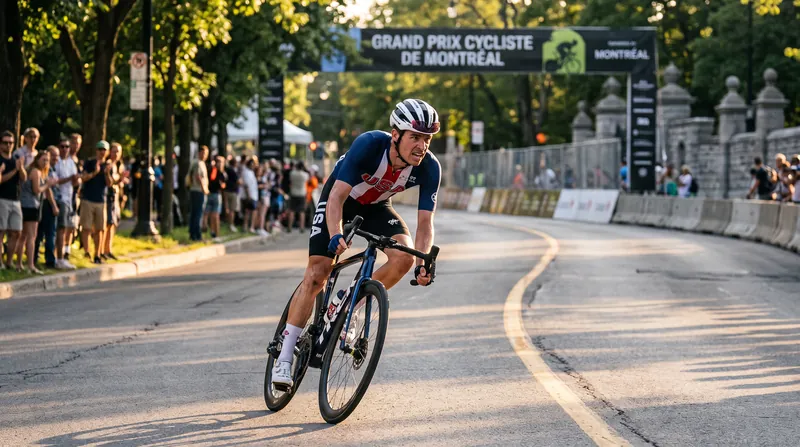
Post-Montreal Cycling Power Rankings: McNulty and Vollering Surge as Pogačar Holds the Throne
5 sources
UCI Regulations
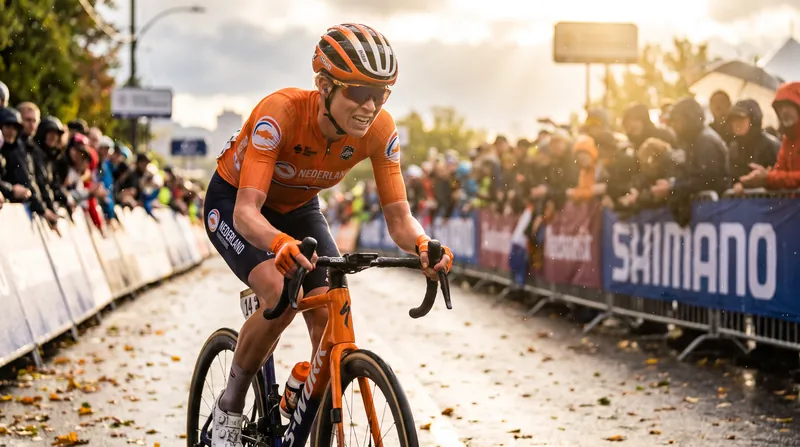
World Champion Demi Vollering Fined and Docked Points for Illegal Bike Position After Montreal Win
4 sources
Trade
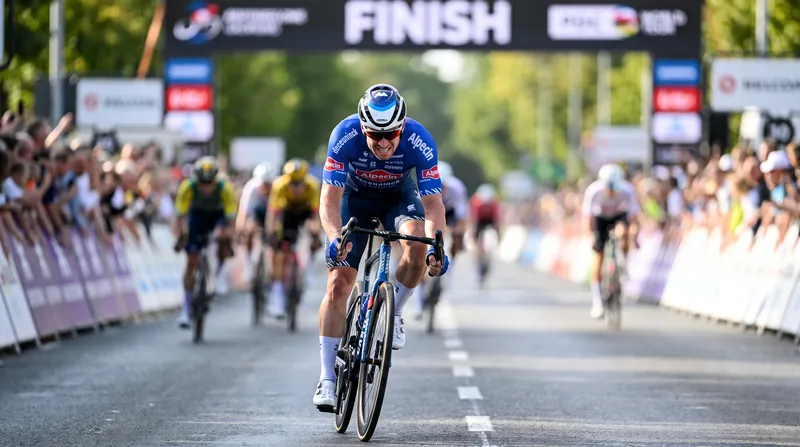
Cycling Transfer Window: Tudor Pro Cycling Signs Groves and Denz as UAE Secures Supporting Core
4 sources
Pro Cycling Rules
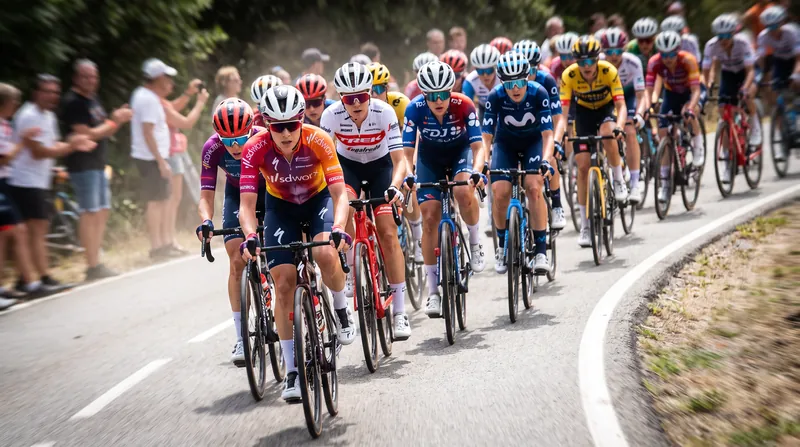
UCI Approves Major 2027 Calendar and Safety Overhaul, Moving Vuelta Femenina and Mandating New Finish-Line Barriers
3 sources
Comments
Every angle. Every day.
Get Sports stories with full source coverage and perspective breakdowns, free every day.