
The Brain's Washing Machine: How Sleep Physically Clears Toxic Waste
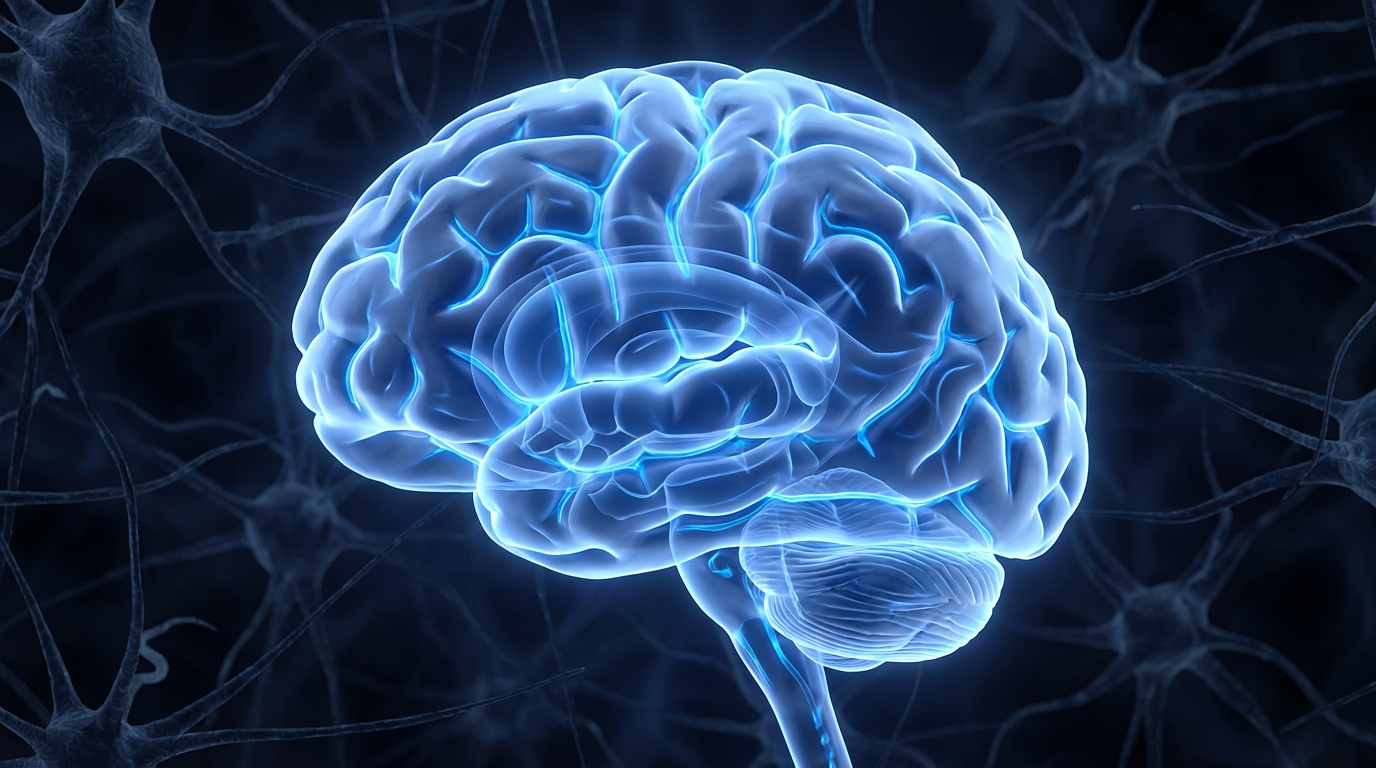
Neuroscientists have discovered that during deep sleep, the brain's cellular structure shifts to allow cerebrospinal fluid to wash away the toxic proteins associated with Alzheimer's disease.
By Factlen Editorial Team
- Neuroscience Researchers
- Focus on the mechanical discovery of the glymphatic system and its role in clearing neurotoxic proteins.
- Clinical Sleep Specialists
- Emphasize the actionable link between sleep quality, sleep disorders, and long-term cognitive health.
- Public Health Advocates
- Argue that sleep must be reframed as a foundational pillar of public health rather than a lifestyle luxury.
What's not represented
- · Pharmaceutical Developers
- · Patients with early-stage cognitive decline
Why this matters
Understanding the mechanical reality of how the brain cleans itself transforms sleep from a passive luxury into an active, essential defense against cognitive decline and Alzheimer's disease.
Key points
- The glymphatic system is a recently discovered network that acts as the brain's dedicated waste-clearance mechanism.
- During deep, slow-wave sleep, the brain's interstitial space expands by up to 60%, allowing cerebrospinal fluid to wash through the tissue.
- This fluid flushes out amyloid-beta and tau, the toxic metabolic proteins associated with Alzheimer's disease.
- A 2026 human trial confirmed that normal sleep actively pushes these biomarkers out of the brain and into the bloodstream.
For decades, biology wrestled with a fundamental paradox: why do we spend a third of our lives unconscious? From an evolutionary standpoint, sleep leaves animals vulnerable to predators and unable to forage. Yet, the biological drive to sleep is universal across species. Now, a wave of neuroscientific research has provided a mechanical answer to this mystery. The brain, it turns out, is not simply resting when we close our eyes; it is actively washing itself.[5]
To understand this process, we must look at how the rest of the human body handles cellular waste. When muscles and organs burn energy, they produce metabolic byproducts. These toxins are swept away by the lymphatic system, a network of vessels that parallels the bloodstream and drains waste into the liver and kidneys.[1]
However, the brain is isolated from the rest of the body by the blood-brain barrier, a strict biological checkpoint that prevents pathogens from entering the central nervous system. For a long time, scientists did not know how the brain—an organ that consumes roughly 20% of the body's energy—managed to clear its own metabolic trash without a lymphatic network.[4]
The breakthrough came in 2012, when a team led by Dr. Maiken Nedergaard at the University of Rochester Medical Center discovered a hidden anatomical network. They named it the "glymphatic system," a portmanteau of "glial cells" (the brain cells that manage the process) and the "lymphatic" system it mimics.[2]
The glymphatic system operates as an elegant, microscopic plumbing network. It relies on cerebrospinal fluid (CSF), the clear liquid that cushions the brain and spinal cord. Instead of using dedicated waste vessels, the brain piggybacks on its existing blood vessels. CSF flows into the brain along the outside of arteries, washes through the dense brain tissue, and then drains out along the veins, carrying waste with it.[3]

The unsung heroes of this process are astrocytes, star-shaped glial cells that envelop the brain's blood vessels. These cells are equipped with specialized water channels called aquaporin-4. Acting like microscopic pumps, these channels force the cerebrospinal fluid deep into the brain tissue, creating a pressurized wash that flushes out cellular debris.[4]
But here is the critical catch: this washing machine is almost entirely turned off while we are awake. When the brain is conscious, it is flooded with norepinephrine, a neurotransmitter associated with arousal and alertness. This chemical signal keeps the brain's cells tightly packed together, optimizing them for rapid communication and complex thought, but leaving no room for fluid to flow.[4]
When we enter deep, slow-wave sleep, the neurological environment changes dramatically. Norepinephrine levels plummet. As the brain transitions into this restorative phase, the interstitial space—the gaps between brain cells—actually expands by up to 60%. This massive structural shift drops the physical resistance within the brain, allowing cerebrospinal fluid to rush in and sweep the tissue clean.[4]

What exactly is the glymphatic system washing away? The most heavily scrutinized targets are amyloid-beta and tau. These proteins are normal byproducts of daily neuronal activity. Every time you think, learn, or process information, your brain cells generate these metabolic exhaust fumes.[1][2]
The most heavily scrutinized targets are amyloid-beta and tau.
Under normal circumstances, the glymphatic system flushes these soluble proteins out of the brain every night. But if they are not efficiently cleared, amyloid-beta and tau can accumulate and clump together. Over time, they form the toxic plaques and tangles that are the biological hallmarks of Alzheimer's disease and other forms of dementia.[2][4]
For years, this clearance mechanism was primarily observed in animal models. But a landmark 2026 randomized crossover trial published by the National Institutes of Health provided definitive proof in humans. Researchers monitored healthy participants, comparing their blood plasma after a full night of normal sleep versus a night of sleep deprivation.[4]
The 2026 trial revealed that after a normal night of sleep, morning plasma levels of Alzheimer's biomarkers were significantly higher. This proved that sleep-active physiological processes were successfully pushing amyloid-beta and tau out of the brain and into the bloodstream for disposal. Conversely, sleep deprivation trapped these toxic proteins inside the central nervous system.[4]

The mechanics of this nighttime purge are deeply tied to cardiovascular rhythms. Recent research highlights the role of "vasomotion"—slow, rhythmic changes in the size of blood vessels that occur independently of the heartbeat. During deep sleep, these synchronized vascular oscillations act as a physical pump, driving the cerebrospinal fluid through the brain's expanded channels.[2]
This intricate dependency explains why poor sleep is so detrimental to long-term cognitive health. It is not just about feeling groggy; it is about leaving physical waste behind. Even a single night of disrupted sleep measurably reduces the brain's ability to clear harmful proteins, and the effects compound over years and decades.[2][4]
Furthermore, researchers warn of a vicious cycle. As amyloid-beta accumulates due to poor sleep, it can begin to damage the specific regions of the brain responsible for generating deep, slow-wave sleep. This creates a devastating feedback loop: poor sleep leads to plaque buildup, which degrades the brain's ability to sleep deeply, leading to even faster plaque accumulation.[4][5]
The discovery of the glymphatic system fundamentally changes how medical professionals view sleep disorders. Conditions like obstructive sleep apnea, which repeatedly pull patients out of deep sleep and disrupt vascular rhythms, are no longer seen just as breathing issues. They are now recognized as direct threats to the brain's waste-clearance capabilities.[1][4]
Protecting this system requires actionable lifestyle changes. Prioritizing consistent, uninterrupted sleep is the most obvious step, but cardiovascular health is equally vital. Because the glymphatic system relies on the pulsatility of blood vessels to drive fluid, maintaining healthy blood pressure and vascular elasticity through exercise directly supports brain clearance.[1][5]

Looking ahead, scientists are exploring non-invasive ways to monitor glymphatic health. Because the brain's fluid dynamics are linked to heart rate variability during sleep, researchers hope that wearable technology might soon be able to track how effectively your brain is cleaning itself on any given night, identifying risks long before cognitive symptoms appear.[2]
The paradigm shift is profound. For generations, sleep was viewed as a passive state of rest—a period of inactivity required to recharge the body's batteries. The glymphatic system reveals that sleep is, in fact, an incredibly active and essential state of neurological maintenance.[5]
By understanding the mechanical reality of how the brain washes itself, the imperative to protect our sleep becomes undeniable. It is not a luxury, nor is it a sign of weakness. It is the foundational biological process that keeps our minds sharp, our memories intact, and our brains free from the toxic debris of daily life.[5]
How we got here
2012
Dr. Maiken Nedergaard's lab at the University of Rochester first discovers and names the glymphatic system in animal models.
2019
Researchers observe that the brain's interstitial space expands by 60% during slow-wave sleep, allowing fluid to rush in.
2024
Studies link the loss of aquaporin-4 water channels in astrocytes to impaired cerebrospinal fluid drainage.
2026
A landmark randomized crossover trial in humans proves that normal sleep actively clears amyloid-beta and tau into the bloodstream.
Viewpoints in depth
Neuroscience Researchers
Focus on the mechanical discovery of the glymphatic system and its role in clearing neurotoxic proteins.
For neuroscientists, the discovery of the glymphatic system solved a decades-old anatomical mystery. Researchers emphasize the mechanical reality of brain clearance, focusing on how astrocytic aquaporin-4 channels and vascular pulsatility physically drive cerebrospinal fluid through brain tissue. Their primary concern is mapping how the failure of this system directly accelerates the accumulation of amyloid-beta and tau, providing a clear biological mechanism for the onset of neurodegenerative diseases like Alzheimer's.
Clinical Sleep Specialists
Emphasize the actionable link between sleep quality, sleep disorders, and long-term cognitive health.
Sleep specialists view the glymphatic system as a critical tool for preventative medicine. They argue that conditions like obstructive sleep apnea and chronic insomnia are not merely lifestyle inconveniences, but active threats to neurological health. From this perspective, treating sleep fragmentation is essential to preserving the brain's ability to enter the slow-wave sleep required for optimal waste clearance, thereby reducing the long-term risk of dementia.
Public Health Advocates
Argue that sleep must be reframed as a foundational pillar of public health rather than a lifestyle luxury.
Public health advocates stress the societal implications of glymphatic research. In a culture that often glorifies hustle and chronic sleep deprivation, they argue that the mechanical proof of brain clearance demands a cultural shift. This camp advocates for policies that protect sleep—such as delayed school start times, limits on shift work, and broader access to sleep disorder treatments—framing restorative rest as a fundamental human biological necessity.
What we don't know
- Whether sleeping in a specific physical position (like on your side) significantly improves glymphatic clearance in humans, as it appears to in some animal models.
- If pharmacological interventions can be developed to artificially stimulate the glymphatic system's fluid flow in patients who are unable to achieve deep sleep.
- The exact threshold of sleep deprivation required to cause permanent, irreversible damage to the brain's clearance network.
Key terms
- Glymphatic System
- The brain's unique waste-clearance network that uses cerebrospinal fluid to wash away toxic byproducts during sleep.
- Cerebrospinal Fluid (CSF)
- The clear fluid that surrounds the brain and spinal cord, acting as both a cushion and a cleaning solution.
- Astrocytes
- Star-shaped glial cells in the brain that help regulate blood flow and form the channels that pump fluid through the glymphatic system.
- Amyloid-beta
- A metabolic waste protein produced by normal brain activity that, if not cleared, can clump into plaques associated with Alzheimer's disease.
- Slow-wave Sleep
- The deepest phase of non-REM sleep, during which the brain's electrical activity synchronizes and glymphatic clearance is most active.
Frequently asked
Can I catch up on brain cleaning by sleeping in on weekends?
While recovery sleep helps, the glymphatic system relies on consistent, nightly slow-wave sleep. Chronic sleep deprivation causes waste to accumulate in ways that a single weekend cannot fully reverse.
Do sleep medications help the glymphatic system?
It depends on the medication. Some sedatives do not induce the natural slow-wave sleep required for optimal glymphatic clearance, meaning you may be unconscious but not effectively cleaning your brain.
Does sleeping position affect brain clearance?
Some animal studies suggest that sleeping on your side (lateral position) may optimize the flow of cerebrospinal fluid, though more human research is needed to confirm this effect.
Sources
Source coverage
5 outlets
3 viewpoints surfaced





[1]Cleveland ClinicClinical Sleep Specialists
Glymphatic System: What It Is, Function & How It Works
Read on Cleveland Clinic →[2]University of Rochester Medical CenterNeuroscience Researchers
The Brain's Night Shift: How Sleep, Waste Clearance, and Dementia May Be Linked
Read on University of Rochester Medical Center →[3]Paris Brain InstituteNeuroscience Researchers
Brain Clearance
Read on Paris Brain Institute →[4]National Institutes of Health (PMC)Neuroscience Researchers
Sleep-Dependent Clearance of Brain Metabolites via the Glymphatic System
Read on National Institutes of Health (PMC) →[5]Factlen Editorial TeamPublic Health Advocates
Synthesis by Factlen editorial team
Read on Factlen Editorial Team →



Every angle. Every day.
Get guides stories with full source coverage and perspective breakdowns delivered to your inbox.