
The Brain's Hidden Dishwasher: How Deep Sleep Clears Toxins and Protects Your Mind
Recent discoveries reveal that during deep sleep, the brain activates a specialized plumbing network called the glymphatic system to wash away toxic proteins. Understanding how this mechanism works offers new ways to protect cognitive health and prevent neurodegeneration.
By Factlen Editorial Team
- Neuroscientists
- Focused on mapping the exact fluid dynamics and cellular mechanisms of the glymphatic system.
- Preventative Health Advocates
- Emphasize lifestyle interventions to maximize natural brain clearance.
- Clinical Researchers
- Investigating targeted therapies and technologies to artificially boost glymphatic flow.
What's not represented
- · Patients currently suffering from early-onset Alzheimer's disease
- · Shift workers who cannot maintain a natural circadian sleep schedule
Why this matters
Protecting your deep sleep is not just about feeling rested; it is a critical biological defense mechanism against cognitive decline. Optimizing the brain's nightly cleaning cycle can actively reduce the risk of developing neurodegenerative diseases like Alzheimer's.
Key points
- The glymphatic system is the brain's dedicated waste-clearance network, discovered in 2012.
- During deep sleep, the space between brain cells expands by 60%, allowing fluid to wash away toxic proteins.
- Glymphatic clearance increases by up to 90% during slow-wave sleep compared to wakefulness.
- Chronic sleep deprivation leads to the accumulation of amyloid-beta, a protein linked to Alzheimer's disease.
- Aerobic exercise and acoustic stimulation like pink noise can actively enhance the brain's cleaning cycle.
The groggy, foggy feeling after a restless night is not just a lack of energy. It is the physical sensation of the brain marinating in its own metabolic waste. For decades, the exact mechanical process of how sleep restores the mind remained a mystery, leaving scientists to rely on observational data rather than biological mechanics.[4]
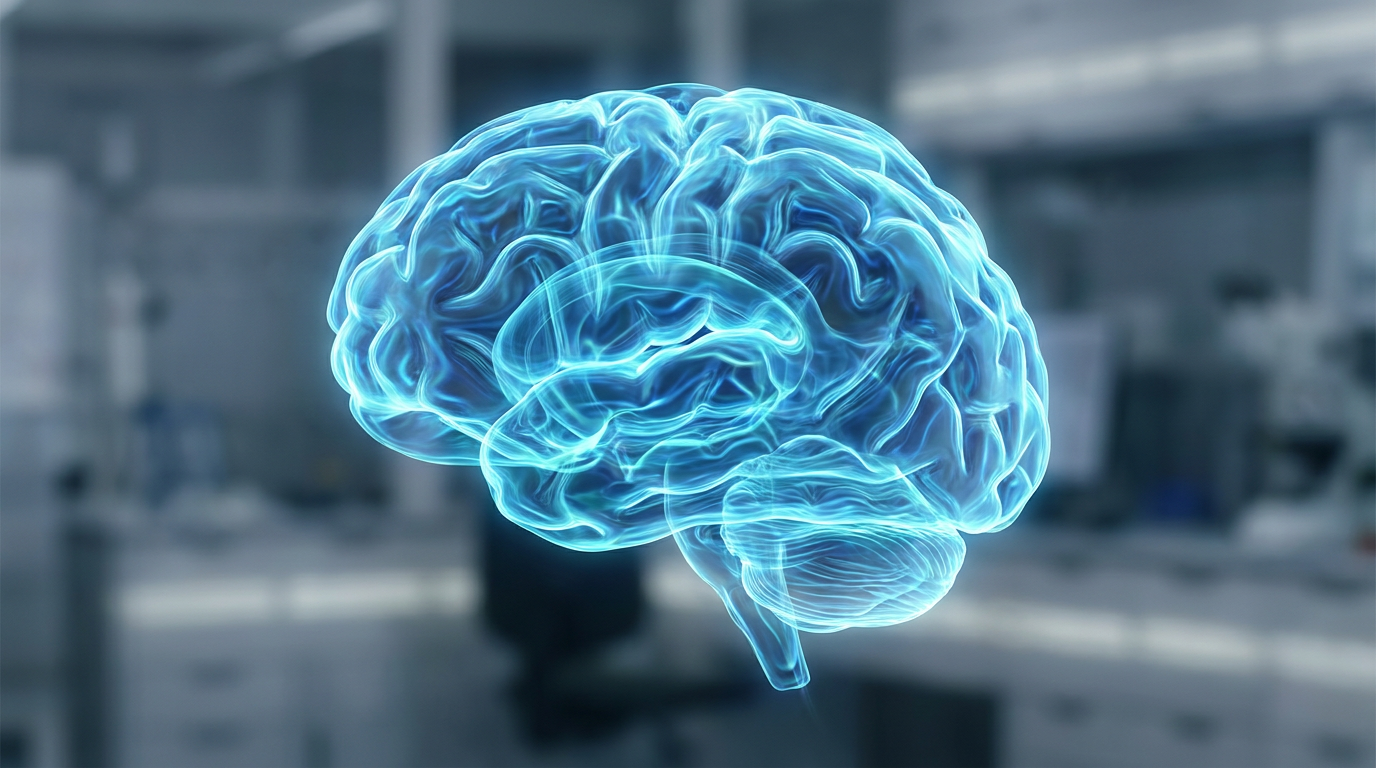
It was not until 2012 that researchers at the University of Rochester discovered the brain's dedicated plumbing network. Operating almost exclusively while we are unconscious, this microscopic waste-clearance pathway acts as the brain's built-in dishwasher, flushing out toxic byproducts that accumulate during waking hours.[1][4]
They named it the glymphatic system. The mechanism relies heavily on cerebrospinal fluid, the clear, water-like substance that cushions the brain and spinal cord. During the day, the brain consumes massive amounts of energy to process information, leaving behind cellular garbage in the interstitial spaces between neurons.[2][4]
Among this cellular debris is a protein called amyloid-beta. In healthy brains, this byproduct is routinely cleared away, but if left to accumulate, it can form the toxic plaques heavily associated with Alzheimer's disease and other forms of severe cognitive decline.[3][4]
When the body enters slow-wave sleep—the deepest phase of non-rapid eye movement sleep—a remarkable physical transformation occurs. The interstitial space between brain cells actually expands by roughly 60 percent, fundamentally altering the physical structure of the brain tissue to allow for maximum fluid dynamics.[2][4]

This expansion opens the floodgates. Driven by specialized water channels known as aquaporin-4 located on the surface of brain cells, cerebrospinal fluid rushes through the brain tissue like a pressure washer, accessing deep areas that are otherwise tightly packed during wakefulness.[4][5]
The fluid sweeps up the accumulated amyloid-beta, tau proteins, and inflammatory metabolites, carrying them out of the brain and into the body's lymphatic system for disposal. This nightly wash cycle is essential for maintaining cerebral, immune, and psychological health.[3][4]
Recent breakthroughs have mapped this process with unprecedented precision. In a 2026 study, researchers combined magnetic resonance imaging with physics-informed artificial intelligence to track the speed of this fluid in living tissue, a feat previously considered impossible without causing harm to the subject.[1]
Recent breakthroughs have mapped this process with unprecedented precision.
They discovered that the fluid races along the brain's surface but slows to a trickle—about 50 times slower—as it navigates the dense, deep tissue of the brain. Understanding these flow rates is critical for developing future screening tools that could detect poor circulation before cognitive symptoms appear.[1]
The stakes of this nightly wash cycle are incredibly high. During deep sleep, glymphatic clearance increases by up to 90 percent compared to wakefulness, meaning the brain is almost entirely reliant on this specific sleep phase to maintain its structural integrity.[4]

When sleep is chronically fragmented or restricted to less than seven hours, the cleaning cycle is cut short. The toxic proteins are left behind, accumulating over time and causing a cascade of inflammation that weakens the blood-brain barrier.[3][4]
Scientists now believe that glymphatic dysfunction is not merely a symptom of cognitive decline, but a primary early driver that begins decades before memory problems surface. Even a single night of severe sleep deprivation has been shown to measurably increase the amyloid-beta burden in the brain.[1][3]
Fortunately, the glymphatic system can be actively supported and optimized through lifestyle interventions. The most critical step is prioritizing seven to nine hours of uninterrupted sleep to ensure adequate time in the slow-wave phase, allowing the brain to complete its full cleaning cycle.[4]
Regular aerobic exercise has also been shown to significantly increase glymphatic influx. Physical activity optimizes the specialized water channels on the brain cells and enlarges the meningeal lymphatic vessels that carry the waste away, making the entire system more efficient.[2][4]

Researchers are also exploring acoustic stimulation to artificially enhance deep sleep. Listening to pink noise—a steady sound frequency that boosts low pitches—has been shown to synchronize brain waves, extending the duration of slow-wave sleep and thereby maximizing the cleaning cycle.[4][6]
Clinical trials are even testing multisensory interventions, such as 40-hertz gamma light and sound stimulation. These therapies actively promote the recruitment of the brain's drainage channels, offering a potential non-invasive treatment to accelerate toxin clearance in aging populations.[5]
Pharmacological agents are also being investigated for their ability to enhance glymphatic circulation during surgical recovery, aiming to mitigate postoperative cognitive dysfunction by ensuring the brain continues to flush toxins even under anesthesia.[5]
How we got here
2012
Dr. Maiken Nedergaard and her team at the University of Rochester first discover and name the glymphatic system.
2017
Researchers demonstrate that acoustic stimulation, such as pink noise, can enhance slow-wave sleep and memory consolidation.
2024
Human trials confirm that normal sleep actively flushes Alzheimer's-linked proteins from the brain into the bloodstream.
2026
Scientists successfully use physics-informed AI and MRI scans to map the exact speed and flow of glymphatic fluid in living tissue.
Viewpoints in depth
Neuroscientists
Focused on mapping the exact fluid dynamics and cellular mechanisms of the glymphatic system.
Researchers in this camp are utilizing advanced imaging and artificial intelligence to understand exactly how cerebrospinal fluid navigates the dense tissue of the brain. Their ultimate goal is to develop early screening tools that can detect poor glymphatic circulation decades before cognitive decline becomes apparent, allowing for proactive intervention.
Preventative Health Advocates
Emphasize lifestyle interventions to maximize natural brain clearance.
This perspective highlights that the most powerful tools for brain health are already accessible. By prioritizing strict sleep hygiene, engaging in regular aerobic exercise, and maintaining circadian alignment, individuals can naturally boost their glymphatic flow. They argue that protecting slow-wave sleep is the first line of defense against neurodegenerative diseases.
Clinical Researchers
Investigating targeted therapies and technologies to artificially boost glymphatic flow.
For aging populations or those suffering from chronic insomnia, natural sleep may not be enough. Clinical researchers are exploring multisensory interventions—such as 40-Hz gamma light stimulation and pink noise—as well as specific pharmacological agents that can actively recruit the brain's drainage channels and accelerate toxin clearance during rest.
What we don't know
- How to effectively measure glymphatic fluid flow velocity in human patients during routine clinical checkups.
- The exact threshold of sleep deprivation required to cause irreversible damage to the brain's waste clearance channels.
- Whether pharmaceutical drugs can safely replicate the 60% cellular expansion that occurs naturally during deep sleep.
Key terms
- Glymphatic System
- The brain's unique waste clearance network that uses cerebrospinal fluid to flush out toxins during sleep.
- Cerebrospinal Fluid (CSF)
- The clear, water-like fluid that surrounds and cushions the brain and spinal cord, acting as the cleaning agent for the brain.
- Slow-Wave Sleep
- The deepest phase of non-rapid eye movement (NREM) sleep, characterized by slow brain waves and physical restoration.
- Amyloid-Beta
- A metabolic waste protein that, if left to accumulate, can form plaques associated with Alzheimer's disease.
- Aquaporin-4 (AQP4)
- Specialized water channels on the surface of brain cells that act as the drainage pipes for the glymphatic system.
Frequently asked
Does the brain clear waste while I am awake?
The glymphatic system functions at a very low level during wakefulness, but its clearance rate increases by up to 90% during deep, slow-wave sleep.
How does exercise help the brain's cleaning cycle?
Aerobic exercise optimizes the specialized water channels in the brain and enlarges the lymphatic vessels that carry waste away, accelerating the flushing process.
What is pink noise and how does it help?
Pink noise is a steady sound that boosts low frequencies. Studies show it can synchronize brain waves, extending the duration of deep sleep and maximizing the brain's cleaning cycle.
What happens if I don't get enough deep sleep?
Chronic sleep deprivation prevents the brain from fully flushing out metabolic waste, leading to the accumulation of toxic proteins linked to brain fog and long-term neurodegeneration.
Sources
Source coverage
7 outlets
3 viewpoints surfaced







[1]University of RochesterNeuroscientists
Artificial intelligence helps scientists measure fluid flow in the brain
Read on University of Rochester →[2]Cleveland ClinicNeuroscientists
Glymphatic System: What It Is & How It Works
Read on Cleveland Clinic →[3]Anti-Age MagazineClinical Researchers
Sleep architecture: physiological overview and brain washing
Read on Anti-Age Magazine →[4]MaxLivingPreventative Health Advocates
The Glymphatic System: Your Brain's Hidden Dishwasher
Read on MaxLiving →[5]NDNRClinical Researchers
Clinical Strategy: The Glymphatic Flush Protocol
Read on NDNR →[6]OuraPreventative Health Advocates
How Pink Noise Can Help You Get Better Sleep
Read on Oura →[7]Factlen Editorial TeamClinical Researchers
Synthesis by Factlen editorial team
Read on Factlen Editorial Team →

More in health
See all 9 stories →Dementia Research
The Shingles Vaccine Is Emerging as a Powerful Shield Against Dementia
7 sources

Exercise Mimetics
The Science of 'Exercise in a Pill': How New Longevity Drugs Mimic Physical Activity
7 sources

Brain Health
How Deep Sleep Washes the Brain: The Science of the Glymphatic System
7 sources
Longevity Science
The Postbiotic Promise: How Urolithin A Recycles Aging Cells
6 sources
Every angle. Every day.
Get health stories with full source coverage and perspective breakdowns delivered to your inbox.