
The $5 Billion NEVI EV Charging Program: Inside the Funding Freeze and the Future of Highway Infrastructure
After a controversial funding freeze by the Trump administration and a subsequent court reversal, the federal initiative to build a nationwide electric vehicle charging network is moving forward. Here is how the NEVI program works, why it stalled, and what it means for the future of U.S. transit.
By Derya Kaplan

- Environmental & Clean Energy Advocates
- Views the charging network as essential for reducing transportation emissions and successfully sued to unfreeze the funds.
- State Governments & Planners
- Focused on recovering funds, streamlining local permitting, and building out infrastructure to support local economies.
- Federal Administration
- Argues that the charging subsidies are market distortions that unfairly favor EVs over other technologies.
Why this matters
The success or failure of the NEVI program dictates whether everyday drivers will have the reliable fast-charging infrastructure needed to confidently switch to electric vehicles. For local communities, it represents billions in potential economic development and infrastructure upgrades.
Key points
- The Trump administration froze the $5 billion NEVI program in early 2025, calling the EV charging subsidies 'ill-conceived.'
- A federal judge overturned the freeze in January 2026, ruling that the Department of Transportation acted unlawfully.
- Despite the legal victory, the rollout remains severely bottlenecked by local permitting and utility interconnection delays.
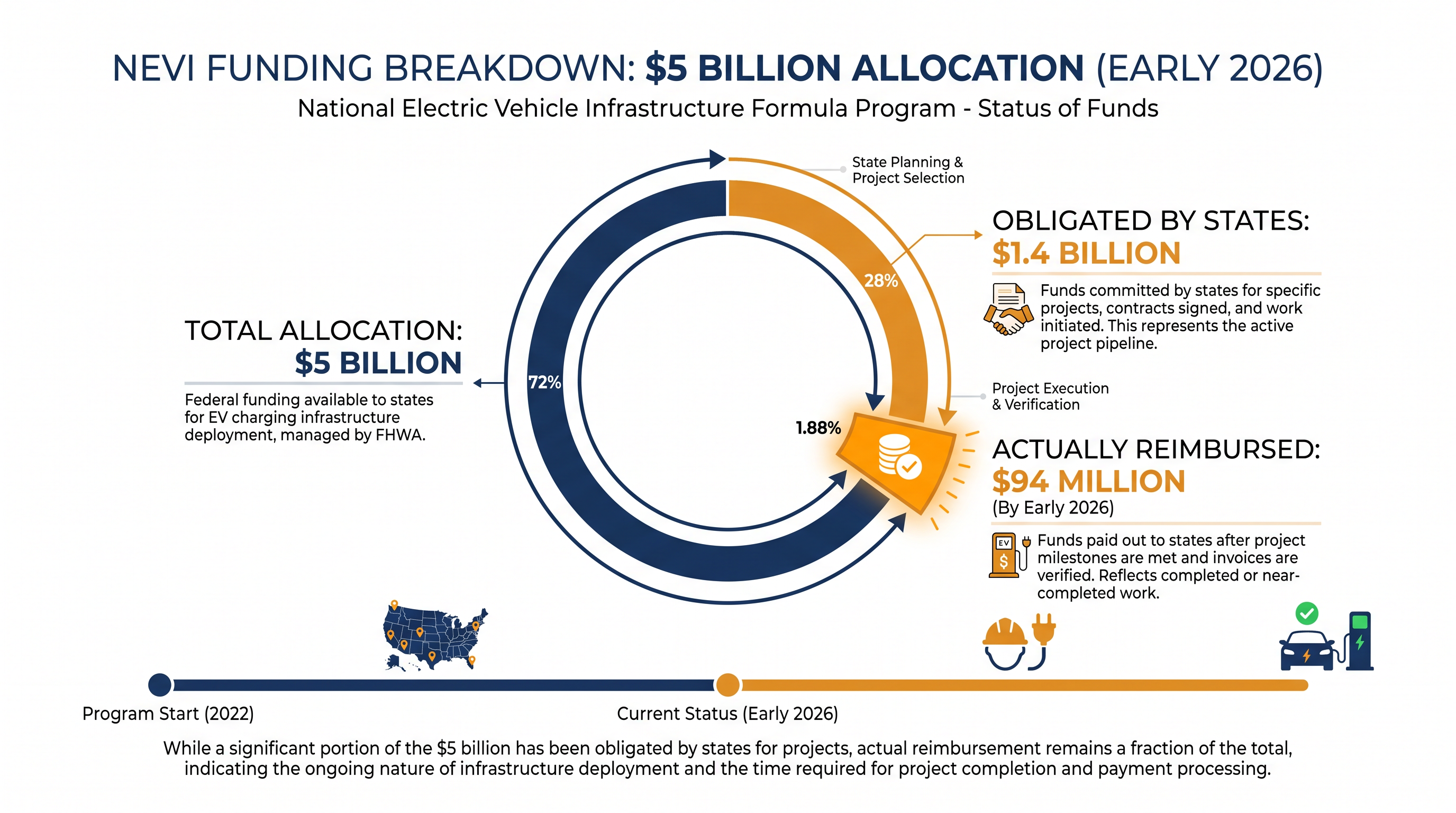
- States have obligated $1.4 billion for chargers, but only $94 million has been reimbursed for completed projects.
- The program faces a new threat from a pending congressional bill that would transfer nearly $900 million away from EV infrastructure.
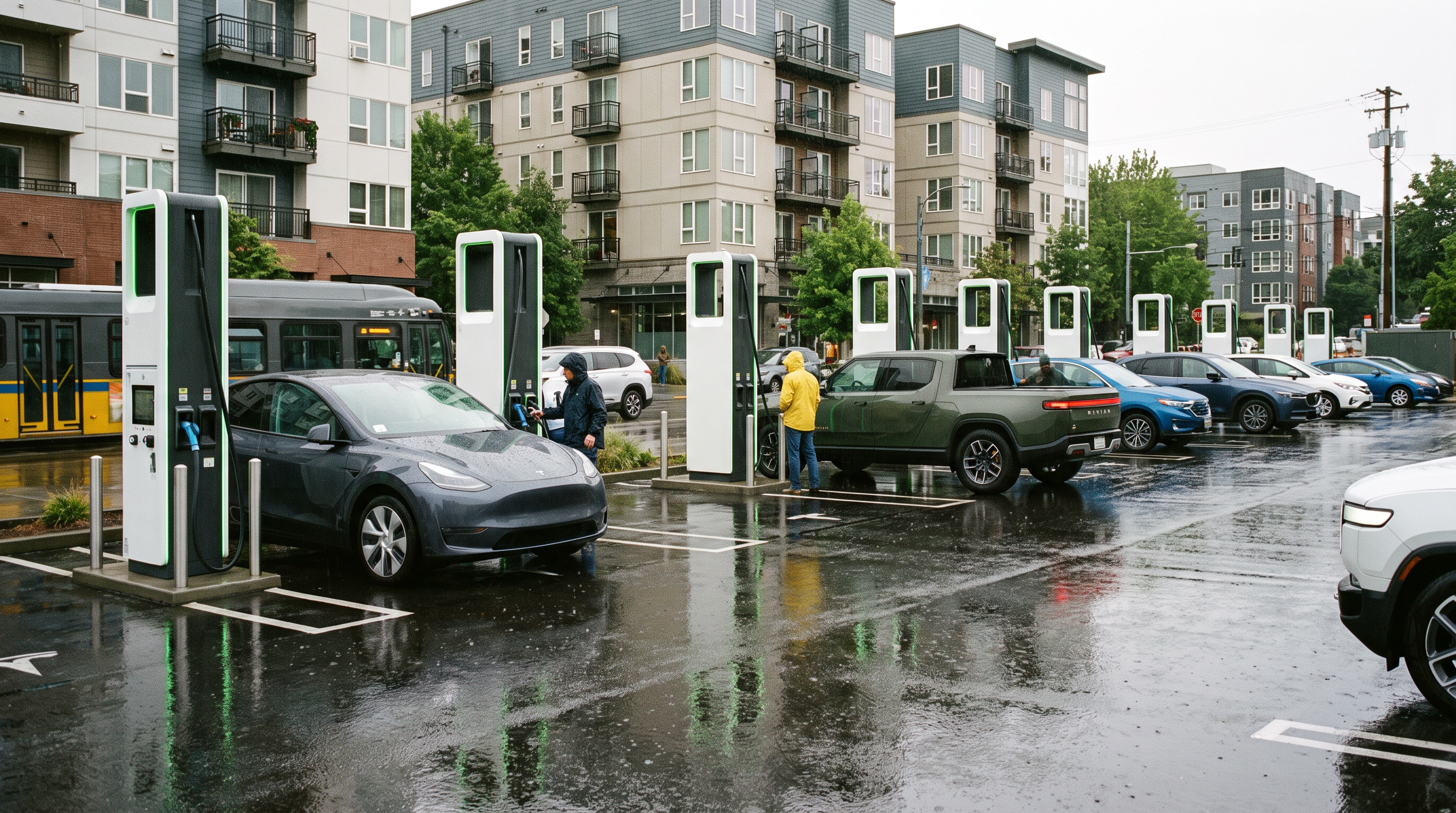
The transition to electric vehicles in the United States hinges on a single, massive logistical challenge: ensuring drivers can cross the country without fear of a dead battery. To solve this range anxiety, the federal government launched the National Electric Vehicle Infrastructure (NEVI) program, an ambitious initiative designed to place a high-speed fast-charging station every 50 miles along major American highways. By creating a reliable, ubiquitous network of chargers, policymakers hoped to remove the primary barrier preventing everyday consumers from abandoning internal combustion engines.
Funded with $5 billion through the 2021 Bipartisan Infrastructure Law, NEVI was structured to provide states with the massive capital needed to build out this charging backbone. The program operates on a strict reimbursement model rather than providing upfront cash. States must first submit comprehensive deployment plans to the Federal Highway Administration (FHWA) for approval. Once approved, states obligate the funds to private contractors who build the stations. The federal government only reimburses the states after the chargers are fully operational and the receipts are submitted, a process designed to ensure accountability but one that requires significant upfront investment from local builders.[3][5]
However, this carefully orchestrated infrastructure initiative hit a massive political roadblock in the early weeks of 2025. The Trump administration, shifting federal priorities away from green energy initiatives, issued an executive order that abruptly froze the NEVI program. The directive halted all new funding obligations and rescinded existing federal guidance, throwing the nationwide rollout into immediate chaos. State transportation departments were left scrambling to understand the status of their pending projects, while private contractors who had already begun site preparations were suddenly unsure if they would ever be reimbursed for their labor and materials.[3][4]
The administration argued that the freeze was a necessary economic correction to eliminate 'unfair subsidies and other ill-conceived government-imposed market distortions that favor EVs over other technology.' Department of Transportation officials, under Secretary Sean Duffy, paused the program indefinitely. They stated they needed to review the underlying policies to ensure federal resources were being used efficiently and not simply propping up a single industry at the expense of taxpayers. The move was part of a broader effort to redirect federal highway funds toward traditional road and bridge expansion rather than climate-focused transit initiatives.[3]
The sudden freeze sent immediate shockwaves through state transportation departments and the private charging industry. In New Jersey, which had been allocated $104 million over five years and had just awarded its first major $20.9 million construction contract for 76 charging stations, the pause threatened to derail dozens of planned sites. In Arkansas, the uncertainty proved too much for the private sector; nearly half of the station builders who had been awarded contracts backed out during the pause, setting the state's infrastructure timeline back by at least a year as officials searched for replacement contractors.[4][5]
The executive action immediately triggered a fierce legal counterattack from states and environmental advocates. A coalition of 17 states—led by Washington, Colorado, and California—joined forces with prominent clean energy organizations to sue the federal government. The plaintiffs argued that the administration lacked the legal authority to unilaterally withhold funds that Congress had explicitly appropriated for electric vehicle infrastructure. They contended that the freeze was not a standard administrative review, but an ideological attempt to dismantle a bipartisan law through executive overreach.[6][7]
In January 2026, the plaintiffs secured a decisive and sweeping victory in federal court. U.S. District Judge Tana Lin ruled that the Department of Transportation and the FHWA had acted unlawfully in halting the program. In her final decision, Judge Lin delivered a sharp rebuke of the administration's tactics, stating that the government had capriciously 'yanked the NEVI Formula Program's cord out of the outlet.' She ruled that calling for an instantaneous cessation of the program ran counter to the Administrative Procedure Act, declaring that 'it is simply not how things are lawfully done.'[1]
In January 2026, the plaintiffs secured a decisive and sweeping victory in federal court.
The court order permanently barred the federal government from withdrawing the funds, canceling implementation plans, or otherwise interfering with the states' NEVI deployments. Forced to comply with the ruling, the FHWA released updated guidance that actually streamlined the application process. The revised rules expanded site eligibility beyond the originally designated highway corridors and included new provisions allowing NEVI funding to support medium- and heavy-duty commercial vehicle charging, giving states significantly more flexibility in how they deploy the capital.[1][7]
Yet, the political freeze and subsequent legal battle are only one part of the NEVI program's turbulent story. Even before the 2025 pause, the initiative was plagued by severe logistical bottlenecks that had little to do with Washington politics. By early 2026, states had successfully obligated roughly $1.4 billion to various charging projects, meaning contracts were signed, sites were selected, and funds were committed in principle. However, the federal government had only reimbursed states for a meager $94 million in completed work, revealing a massive disconnect between allocating money and actually turning on the chargers.[5]
That $94 million reimbursement figure represents roughly two cents of every dollar originally allocated to the $5 billion program. The stark gap between obligated funds and completed stations highlights a fundamental deployment problem that extends far beyond federal politics. A state that obligates $15 million but only manages to open two operational charging stations is not suffering from a lack of capital; it is suffering from an inability to execute construction in the real world. Industry analysts note that the hardest part of the NEVI process often begins only after the federal funding is fully secured and the contracts are signed.[5]
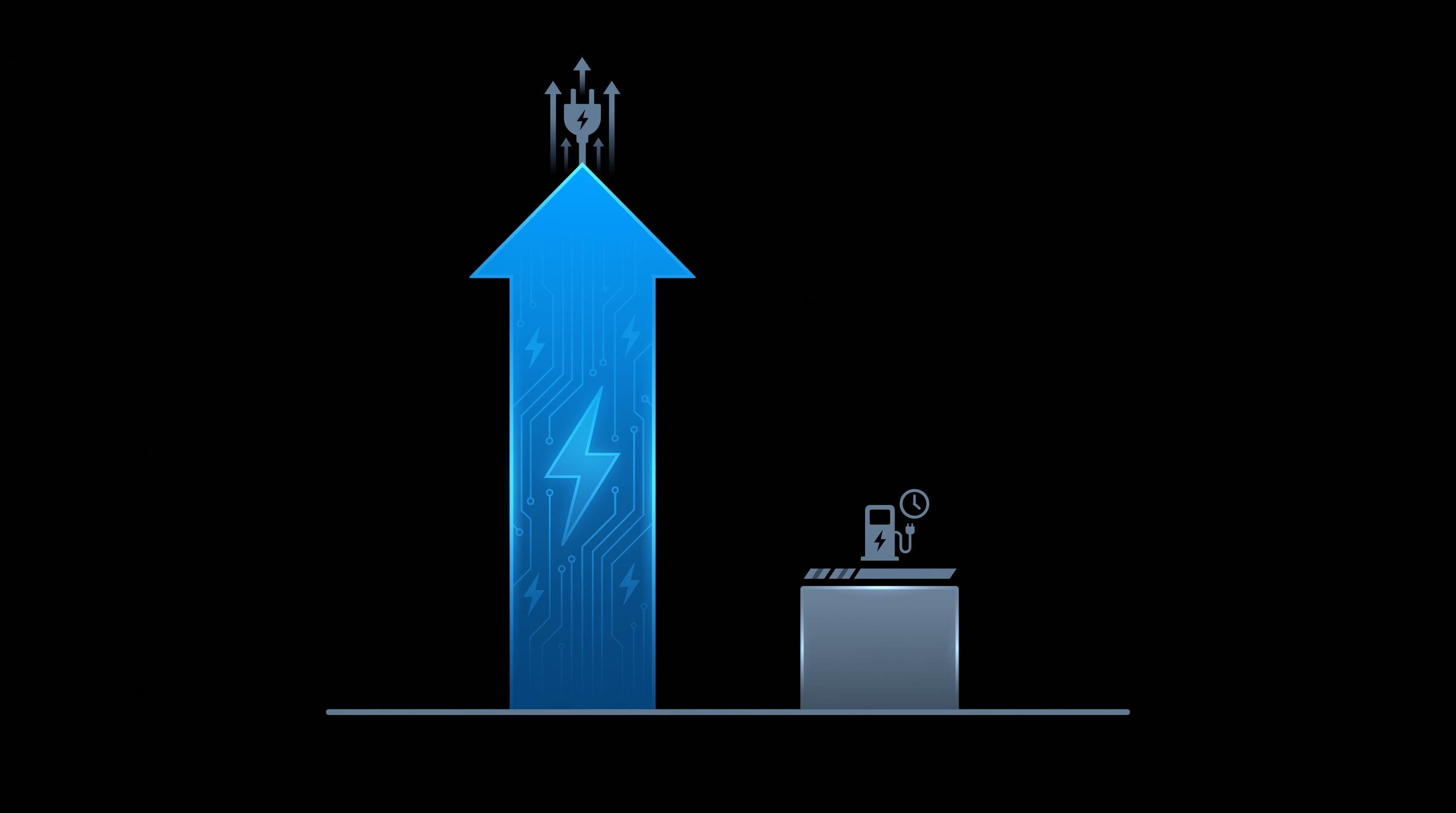
Contractors building the charging stations face a labyrinth of local zoning laws, complex municipal permitting requirements, and agonizingly lengthy wait times for utility interconnections. Upgrading the local electrical grid to handle the massive, concentrated power draw of multiple DC fast chargers can take months, if not years. Supply chain constraints for heavy-duty electrical equipment, such as specialized transformers and switchgears, have further delayed projects, leaving fully funded charging sites sitting as empty concrete pads while they wait for utility companies to connect them to the grid.[5]
The sluggish pace of the federal program stands in sharp contrast to the efficiency of the private sector. While NEVI-funded installations accounted for a tiny fraction—roughly 3 percent—of new charging ports in 2025, private networks deployed tens of thousands of fast chargers nationwide over the same period. Companies building national EV charging networks at scale treat local permitting and utility delays as variables to be aggressively managed, whereas the bureaucratic structure of the federal reimbursement model often forces state contractors to wait passively through the administrative friction.[3][5]
Despite these grinding operational hurdles, local municipalities remain eager to tap into the restored federal funds. In states like Pennsylvania, small towns situated along alternative transit corridors are viewing the chargers as vital economic assets rather than just transit infrastructure. Local planners hope that while drivers wait 20 to 30 minutes for their vehicles to charge, they will spend money at downtown restaurants, coffee shops, and retail stores, effectively turning a mandatory highway pit stop into a steady stream of tourism revenue for rural communities.
Environmental advocates also emphasize the broader public health and climate benefits of the restored program. By enabling longer-distance EV travel and expanding access to lower-cost public charging, the infrastructure buildout is seen as a critical step in reducing transportation-related emissions. Advocates argue that reliable charging networks are especially vital for overburdened communities located near major highway corridors. In these areas, a widespread shift from diesel and gasoline engines to electric vehicles could significantly reduce localized air pollution, lower rates of respiratory illnesses, and mitigate the long-term impacts of climate change.[6][7]
Nevertheless, the NEVI program's financial future remains precarious as it navigates a divided Washington. While the executive branch is now legally barred by a federal judge from freezing the funds or interfering with state plans, the initiative faces a potent new threat from the legislative branch. Congressional opponents of the EV transition are actively seeking to dismantle the program's funding mechanisms through the standard budget process, setting up another high-stakes showdown over the future of American transit infrastructure and the billions of dollars still waiting to be deployed.[2]
The pending FY 2026 Department of Transportation appropriations bill includes controversial provisions that would transfer nearly $900 million out of the NEVI program and redirect it into general Federal Highway Administration programs. If passed in its current form, this congressional action would effectively gut a significant portion of the remaining grants, severely reducing the capital available for future charging stations. State officials warn that such a massive reduction in federal support would force them to scale back their long-term deployment maps, leaving large stretches of rural highways without adequate charging coverage.[2]
For now, state transportation departments are racing against the clock to obligate their remaining NEVI funds before they can be clawed back or redirected by a hostile Congress. The ultimate success of the $5 billion program will depend on whether states can successfully navigate this dual gauntlet: surviving the shifting political winds and budget battles in Washington while simultaneously overcoming the grinding, real-world realities of local construction, permitting, and grid interconnection. If they succeed, the U.S. could finally secure the charging backbone needed for the electric vehicle era; if they fail, the transition could stall on the highway.[2]
How we got here
2021
Congress passes the Bipartisan Infrastructure Law, allocating $5 billion for the NEVI program.
February 2025
The Trump administration issues an executive order freezing all new NEVI funding obligations.
May 2025
A coalition of 17 states and environmental groups sues the federal government over the freeze.
August 2025
The Department of Transportation issues revised guidance for the program.
January 2026
A federal judge rules the freeze unlawful, permanently barring the government from withholding the funds.
August 2026
States push forward with new funding rounds, while Congress debates transferring NEVI funds to other highway programs.
Viewpoints in depth
Federal Administration
Argues that the charging subsidies are market distortions that unfairly favor EVs over other technologies.
The Trump administration's rationale for the freeze centered on fiscal efficiency and market neutrality. Officials argued that the $5 billion program represented an 'ill-conceived' government intervention that artificially propped up electric vehicles at the expense of alternative transit technologies. By pausing the funds, the Department of Transportation aimed to review the program's guidance to ensure that federal resources were not being wasted on inefficient, heavily subsidized green energy projects.
State Governments & Planners
Focused on recovering funds, streamlining local permitting, and building out infrastructure to support local economies.
For state transportation departments, the sudden freeze was a logistical nightmare that threatened to unravel years of planning and millions of dollars in preliminary contracts. States view the NEVI funds not just as environmental policy, but as critical infrastructure investments that can drive local economic development. Planners in rural and suburban municipalities are particularly focused on using the chargers to attract travelers to local downtowns, turning mandatory charging stops into revenue for local businesses.
Environmental & Clean Energy Advocates
Views the charging network as essential for reducing transportation emissions and successfully sued to unfreeze the funds.
Environmental coalitions see the federal charging network as the linchpin of the transition away from fossil fuels. They argue that without a reliable, ubiquitous fast-charging backbone, widespread EV adoption is impossible. These groups successfully argued in court that the administration's freeze was an unlawful overreach that ignored the explicit will of Congress, emphasizing that the infrastructure is vital for improving air quality and reducing greenhouse gas emissions in communities disproportionately affected by traffic pollution.
What we don't know
- Whether Congress will successfully pass the FY 2026 appropriations bill transferring nearly $900 million out of the NEVI program.
- How quickly utility companies can resolve grid interconnection delays to bring fully constructed charging stations online.
- If the administration will attempt to introduce new regulatory hurdles to slow the deployment of the remaining funds.
Key terms
- NEVI
- The National Electric Vehicle Infrastructure Formula Program, a federal initiative funding the deployment of EV chargers.
- Obligated Funds
- Money that a government agency has legally committed to spend on a specific project, such as a signed contract for a charging station.
- Reimbursement Model
- A funding structure where states or contractors must first pay for the construction of a project and then submit receipts to the federal government to get their money back.
- DC Fast Charger
- A high-powered electric vehicle charging station capable of rapidly recharging a car's battery, typically used along highway corridors.
- Administrative Procedure Act
- A federal law that governs the process by which federal agencies develop and issue regulations, which the court ruled the administration violated during the freeze.
Frequently asked
What is the NEVI program?
The National Electric Vehicle Infrastructure (NEVI) program is a $5 billion federal initiative created by the 2021 Bipartisan Infrastructure Law to fund the construction of EV fast chargers along major U.S. highways.
Why did the Trump administration freeze the funds?
In early 2025, the administration paused the program to review its policies, with President Trump calling the subsidies 'ill-conceived government-imposed market distortions' that unfairly favored EVs.
How did the courts respond to the freeze?
In January 2026, a federal judge ruled the freeze unlawful and ordered the Department of Transportation to release the funds, stating the administration violated the Administrative Procedure Act.
Why are the charging stations taking so long to build?
Beyond the political freeze, the rollout has been slowed by local zoning laws, complex permitting processes, and lengthy wait times to connect the high-powered chargers to the local electrical grid.
Sources
Source coverage
7 outlets
3 viewpoints surfaced







[1]Utility DiveEnvironmental & Clean Energy Advocates
Trump administration must release EV charger funds, court rules
Read on Utility Dive →[2]Eno Center for TransportationState Governments & Planners
Court Declares Trump Administration's Freezing of NEVI Funds Illegal
Read on Eno Center for Transportation →[3]Green Car ReportsFederal Administration
Trump DOT freezes EV charger funding, demands new state plans
Read on Green Car Reports →[4]NJ Spotlight NewsFederal Administration
Trump administration freezes billions for electric vehicle chargers
Read on NJ Spotlight News →[5]Rhonda BuildState Governments & Planners
The $4.4 billion NEVI program moved slowly before the 2025 funding freeze
Read on Rhonda Build →[6]Fresh EnergyEnvironmental & Clean Energy Advocates
NEVI funds protected from further interference from Trump administration
Read on Fresh Energy →[7]Southern Environmental Law CenterEnvironmental & Clean Energy Advocates
Federal judge blocks Trump administration's unlawful freeze of EV charging funds
Read on Southern Environmental Law Center →
Every angle. Every day.
Get automotive stories with full source coverage and perspective breakdowns delivered to your inbox.