
Bosnia, Czechia, Sweden, and Türkiye Secure Final European Berths for 2026 World Cup
Four nations punched their tickets to the 2026 World Cup in a dramatic night of European playoffs, highlighted by Bosnia and Herzegovina's stunning penalty-shootout victory to end decades-long tournament droughts.
By Xia Wu

- The Triumphant Underdogs
- Celebrating historic milestones, resilience, and the realization of a generational dream for returning nations.
- Neutral Analysts
- Highlighting the drama of the playoffs and the shifting balance of power in European football.
- The Italian Reckoning
- Mourning a third consecutive failure and questioning the structural issues in Italian football.
Perspectives this story doesn't cover
- Kosovo Supporters
- Denmark Supporters
- Poland Supporters
- 48
- Teams in the expanded 2026 World Cup
- 24
- Years since Türkiye's last World Cup appearance
- 20
- Years since Czechia's last World Cup appearance
- 4-1
- Penalty shootout score in Bosnia's victory over Italy
Fast facts
- Bosnia and Herzegovina secured their second-ever World Cup appearance by defeating Italy 4-1 in a dramatic penalty shootout.
- Türkiye ended a 24-year World Cup drought with a decisive 1-0 victory over Kosovo, courtesy of a Kerem Akturkoglu goal.
- Czechia overcame Denmark in a penalty shootout to qualify for their first World Cup since 2006.
- Striker Viktor Gyokeres scored a late winner to send Sweden to the tournament with a 3-2 victory over Poland.
The road to the 2026 World Cup reached a thrilling crescendo across Europe as the final UEFA qualification playoffs concluded, delivering a night of historic triumphs and generational breakthroughs. In a series of high-stakes, winner-take-all matchups, four nations—Bosnia and Herzegovina, Czechia, Sweden, and Türkiye—punched their tickets to the expanded 48-team tournament in North America. The dramatic slate of matches provided everything that makes international football captivating: late equalizers, tense penalty shootouts, and the realization of lifelong dreams for players and supporters alike.[1]
While the night will be remembered globally for the shocking elimination of four-time champion Italy, the true story belongs to the resilient nations that seized their moment on the grandest stage. For these four qualifying teams, the victories represent the culmination of years of rebuilding, tactical discipline, and an unwavering belief that they belong among the world's elite. The expanded tournament format promised to open doors for emerging and returning footballing powers, and the European playoffs delivered exactly that, ending decades of waiting for fanbases starved of World Cup glory.[1][5]
The most astonishing result of the evening unfolded in Zenica, where Bosnia and Herzegovina orchestrated a monumental upset against Italy. Entering the match as heavy underdogs against a squad brimming with top-tier European talent, the Bosnian side relied on a raucous home crowd and a deeply organized defensive structure. The atmosphere inside the stadium was electric, providing a fortress-like advantage that the hosts leaned on when the match threatened to slip away from them in the early stages.[1][4]
Italy initially looked poised to avoid another qualification disaster, taking the lead in the 15th minute through a sharp finish from striker Moise Kean. However, the complexion of the match shifted dramatically late in the first half when Italian defender Alessandro Bastoni was shown a red card, reducing the visitors to ten men. Sensing blood, Bosnia and Herzegovina intensified their high press, forcing the Azzurri into a desperate, retreating defensive posture for the remainder of the contest.[4]
The relentless Bosnian pressure finally fractured the Italian resistance in the 79th minute. Substitute Haris Tabakovic found a pocket of space inside the penalty area and drove a clinical equalizer past Gianluigi Donnarumma, sending the home supporters into a frenzy. The goal forced the match into extra time, where a fatigued and depleted Italian side managed to hold on, ultimately sending the high-stakes encounter to a penalty shootout.[1]
In the decisive shootout, the Bosnian players exhibited remarkable composure under unimaginable pressure. While Donnarumma, usually a penalty specialist, failed to stop a single attempt, Italy faltered, missing two crucial spot-kicks. Esmir Bajraktarević stepped up to bury the final penalty, sealing a 4-1 shootout victory and securing Bosnia and Herzegovina's second-ever World Cup appearance, their first since their independent debut in 2014.[1][4]
Elsewhere, an entire nation erupted in celebration as Türkiye secured its long-awaited return to the World Cup with a hard-fought 1-0 victory over Kosovo. For a football-obsessed country that has not seen its team on the global stage since a legendary run to the semifinals in 2002, the victory felt like the exorcism of a 24-year ghost. Under the guidance of manager Vincenzo Montella, the Turkish squad played with a blend of tactical maturity and passionate intensity.[1][2]
Elsewhere, an entire nation erupted in celebration as Türkiye secured its long-awaited return to the World Cup with a hard-fought 1-0 victory over Kosovo.
The breakthrough moment arrived in the 53rd minute courtesy of Kerem Akturkoglu, who capitalized on a perfectly weighted through-ball to slot the winner into the bottom corner. Türkiye dominated possession and dictated the tempo, expertly managing the game in the final stages to deny Kosovo any clear equalizing opportunities. The final whistle sparked wild celebrations in the stadium and across the streets of Istanbul, marking the dawn of a new era for Turkish football.[1][2]
In another gripping encounter, Czechia demonstrated immense mental fortitude to overcome Denmark in a match that swung wildly in momentum. The two sides traded blows in a thrilling 2-2 draw, with the Danes repeatedly fighting back from deficits to keep their qualification hopes alive. The Czech side, however, refused to buckle, relying on their structured midfield and physical dominance to weather Denmark's late attacking surges.[1]
The match ultimately required a penalty shootout to separate the two evenly matched squads. Czechia's players proved flawless from the spot, converting their attempts with clinical precision to secure a 3-1 shootout victory. The triumph ends a grueling 20-year World Cup drought for the Czechs, who last appeared in the tournament in 2006, and validates a long-term investment in their domestic youth development programs.[1][3]
Rounding out the quartet of qualifiers, Sweden engaged in a pulsating, back-and-forth battle with Poland that seemed destined for extra time. The Scandinavian side took the lead twice, only to see a resilient Polish team claw their way back into the match on both occasions. The open, attacking nature of the game created a spectacle for neutral observers but frayed the nerves of both fanbases as the clock ticked toward the 90th minute.[1]
Cometh the hour, cometh the man: Swedish striker Viktor Gyokeres emerged as the hero, popping up in the penalty area to score a dramatic late winner. The 3-2 victory showcased Sweden's attacking depth and resilience, ensuring their return to the World Cup after missing out on the 2022 edition. Gyokeres's decisive strike cemented his status as a national icon and capped off a brilliant qualifying campaign for the Swedes.[1]
The success of these four nations underscores the transformative impact of the expanded 48-team World Cup format. By increasing the number of available berths, the tournament has democratized access, allowing highly competitive but historically unlucky teams to finally break through. The result is a more diverse and globally representative competition, enriching the tournament's narrative with fresh faces and compelling underdog stories.[1]
While the night belonged to the victors, the shadow of Italy's unprecedented collapse cannot be entirely ignored. A four-time world champion missing three consecutive tournaments is a statistical anomaly that has triggered a profound reckoning within Italian football. Head coach Gennaro Gattuso and captain Gianluigi Donnarumma face intense scrutiny, but their despair only highlights the unforgiving, meritocratic nature of international qualification, where pedigree guarantees absolutely nothing.[5]
Ultimately, the conclusion of the UEFA playoffs serves as a celebration of football's enduring magic. For Bosnia and Herzegovina, Czechia, Sweden, and Türkiye, the grueling qualification journey has ended in ultimate triumph. As they begin preparations for the 2026 tournament in the United States, Canada, and Mexico, these four nations carry with them the hopes of millions, ready to write the next glorious chapters in their respective sporting histories.[1]
Sources
Source coverage
5 outlets
3 viewpoints surfaced





- [1]FIFAThe Triumphant Underdogs
Bosnia, Czechia, Sweden and Türkiye qualify as Italy miss out
Read on FIFA → - [2]Turkish MinuteThe Triumphant Underdogs
Italy to miss World Cup again as Turkey, Bosnia, Czech Republic and Sweden qualify
Read on Turkish Minute → - [3]RatopatiThe Triumphant Underdogs
Czech Republic Qualifies for World Cup After 20-Year Wait
Read on Ratopati → - [4]ESPNNeutral Analysts
Bosnia-Herz 1-1 Italy (Mar 31, 2026) Game Analysis
Read on ESPN → - [5]The AthleticNeutral Analysts
Italy fail to reach 2026 World Cup after penalty shootout defeat by Bosnia and Herzegovina
Read on The Athletic →
Comments

More in Sports
See all →Standings
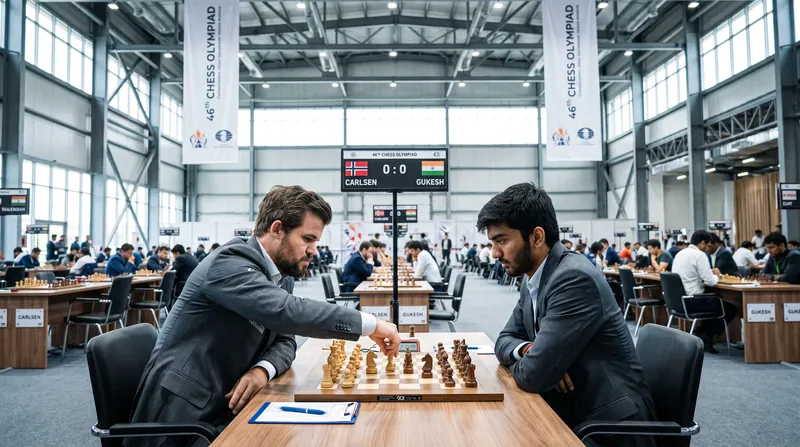
Race to Gold Narrows at 46th Chess Olympiad as US, India, and Uzbekistan Remain Perfect
7 sources
Recap
Gerwyn Price Survives Brody Klinge's Stunning Fightback at World Series of Darts Finals
4 sources

Storyline
Hockey Australia Launches 'Talent Accelerator 2032' to Fast-Track Next Generation
4 sources

Storyline
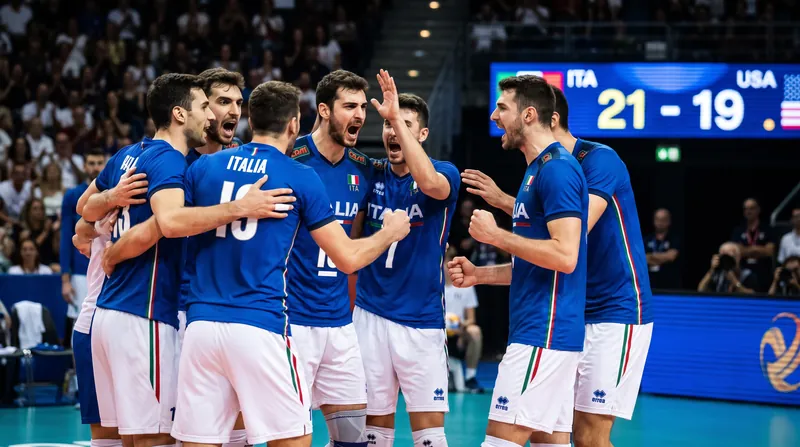
Italy Completes Flawless EuroVolley Group Stage as Knockout Phase Arrives in Turin and Sofia
6 sources
Every angle. Every day.
Get Sports stories with full source coverage and perspective breakdowns delivered to your inbox.