
Global Equestrian Injury Report: Aachen Roster Shifts and Inspiring Rider Comebacks
As the 2026 FEI World Championships approach, top contenders prioritize horse welfare with key withdrawals, while riders like Simon Delestre and Milo Johnston navigate their own grueling recovery journeys.
By Meera Iyer

- National Federations
- Focused on fielding competitive teams while strictly adhering to veterinary advice and prioritizing horse welfare above all else.
- Rider Rehabilitation Advocates
- Emphasize the immense physical and mental toll of the sport, advocating for proper medical recovery and psychological support after severe falls.
- Equestrian Analysts
- Closely monitoring how roster substitutions and rider recoveries will impact the competitive landscape at major international tournaments.
Perspectives this story doesn't cover
- Equine Veterinarians
- Event Organizers
How we got here
June 2025
Milo Johnston suffers a catastrophic fall, breaking his neck in four places.
Early 2026
Marcus Ehning is sidelined with a knee injury, missing the start of the show jumping season.
June 2026
Simon Delestre dislocates his clavicle during a fall at the LGCT Grand Prix in Cannes.
August 1, 2026
US Equestrian announces Phillip Dutton will substitute Denim for the injured Possante at the World Championships.
August 4, 2026
Canada's Michael Winter withdraws El Mundo from the World Championships to prioritize the horse's recovery.
The pursuit of perfection in equestrian sports demands an extraordinary physical toll, binding horse and rider in a delicate balance of peak athletic performance and inherent risk. As the global equestrian community turns its attention to the 2026 FEI World Championships in Aachen, Germany, the narrative has briefly shifted from medal predictions to medical updates. Across eventing, show jumping, and dressage, the latest injury reports highlight the grueling reality of the sport. Yet, these updates also underscore a profound culture of resilience and a steadfast commitment to equine welfare, proving that the decisions made in the veterinary clinic are often just as courageous as those made in the competition arena.[1]
The most pressing news comes from the international eventing world, where two major North American contenders have made the difficult decision to withdraw their top mounts from the upcoming Aachen roster. Eventing, often described as an equestrian triathlon, requires horses to be at the absolute peak of their physical capabilities to safely navigate the demanding cross-country phase. Recognizing this, both the United States and Canadian camps have opted to prioritize the long-term health of their equine partners over the immediate allure of a World Championship medal, citing minor training injuries that simply will not heal in time for the mid-August competition.[1]
US Equestrian formally announced on August 1 that veteran rider Phillip Dutton has withdrawn Possante from the Defender U.S. Eventing Squad. The 2013 KWPN gelding, owned by The Possante Group, had been training exceptionally well before sustaining an untimely injury. Dutton, a vastly experienced championship rider who has only missed one World Championship since 1994, noted that the timing of the injury made competing at Aachen impossible without compromising the horse's recovery. The decision reflects the strict veterinary protocols and ethical standards that govern modern high-performance eventing.[1]
While Dutton expressed his deep disappointment for Possante's owners and support team, he reassured fans that the gelding is expected to make a full and uncomplicated recovery. To fill the vacancy, Dutton will now pilot Denim, a 2015 Holsteiner gelding who had already been named as a reserve for the squad. Although Denim was not Dutton's direct reserve horse, the substitution ensures that the United States will still field a highly competitive and experienced combination when the team arrives in Germany.[1]
Just days after the American roster shift, the Canadian high-performance camp faced a remarkably similar setback. Michael Winter announced the withdrawal of his veteran partner El Mundo, affectionately known in the stables as "Roberto," after the horse sustained an injury during final championship preparations in Europe. El Mundo, the 2025 Equestrian Canada Horse of the Year, has been a cornerstone of the Canadian team, delivering top-level international results both individually and as a crucial team member. His sudden absence represents a significant blow to Canada's podium aspirations in Aachen, but the team's leadership did not hesitate to pull him from the lineup.
Winter emphasized that the decision to withdraw was made entirely with the horse's long-term welfare in mind, a sentiment that resonated deeply across the international eventing community. "The most important thing is that Roberto is here at home, being well cared for," Winter stated publicly. He highlighted the profound responsibility riders have to their equine partners, noting that the choice was made not because of what the horse has achieved, but because he is a valued living partner entrusted to their care.
While the eventing world adjusts its national rosters, the international show jumping circuit is closely monitoring the recovery of one of its brightest human stars. France's Simon Delestre, who has been dominating the season and leading the Longines Global Champions Tour overall rankings, is currently sidelined following a severe fall. The incident serves as a stark reminder that even the most experienced and highly ranked riders in the world are vulnerable to the sudden, unpredictable forces involved in navigating massive 1.60-meter obstacles at speed.[2]
While the eventing world adjusts its national rosters, the international show jumping circuit is closely monitoring the recovery of one of its brightest human stars.
During the LGCT Grand Prix in Cannes, Delestre took a heavy tumble with his mount, Gatsby. While Delestre was quick to confirm that the horse walked away completely uninjured, the rider himself bore the brunt of the impact. Delestre suffered a dislocated clavicle, torn ligaments, and several hematomas to his temple and the back of his head. The injuries required immediate surgical intervention to stabilize his shoulder and ensure that no further damage had been done to the surrounding bone structure.[2]
The French show jumping star now faces several weeks of complete immobilization for his left arm, temporarily halting his momentum on the prestigious global tour. Despite the painful setback, Delestre has remained notably optimistic. In a public update, he thanked the global equestrian community for their outpouring of support, acknowledging that such injuries are simply a reality of a rider's life. He credited the messages and calls from his peers for helping him cope with the brutal and unexpected hiatus from the saddle.[2]
Delestre can look to his fellow competitors for inspiration on the grueling road back to the competition arena. Earlier this year, German show jumping legend Marcus Ehning successfully returned to five-star competition after his own frustrating medical hiatus. Ehning was forced to miss the crucial early months of the 2026 season due to a severe knee injury that kept him out of action for several weeks. Thanks to careful rehabilitation and the support of his family, who kept his horses fit in his absence, Ehning made a triumphant return at the prestigious Saut Hermès in Paris.
The physical toll of equestrian sports extends far beyond the high-speed disciplines of jumping and eventing. In the highly precise and controlled environment of the dressage arena, Irish rider Milo Johnston is currently authoring one of the most remarkable and inspiring comeback stories of the decade. Johnston's journey back to the saddle defies incredible medical odds and highlights the sheer psychological fortitude required to overcome catastrophic trauma in a sport where the rider's body is their primary instrument of communication.
Johnston's ordeal began when he was backing a young three-year-old horse. What started as a routine training session quickly turned violent when the horse rodeoed and reared, sending Johnston crashing to the ground. The impact was devastating: Johnston landed on the back of his head, breaking his neck in four places and his back in six, alongside a minor brain bleed. In the immediate aftermath, doctors delivered the crushing news that he might never be able to walk properly again, let alone return to the elite levels of dressage.
Refusing to accept the premature end of his riding career, Johnston embarked on a grueling, multi-year rehabilitation program. The physical recovery involved endless hours of physical therapy, pain management, and slowly rebuilding the shattered structures of his spine. However, Johnston noted that the mental recovery was often much harder than the physical healing. He worked extensively with mindset coaches to rebuild his shattered confidence and process the lingering trauma of the fall, slowly reclaiming his identity as a professional equestrian.
Today, Johnston is not only riding again but is actively pursuing his ultimate goals of competing at the Olympic Games and the World Championships. His return to the arena serves as a powerful testament to human resilience. It proves that with access to top-tier medical support, unwavering dedication, and a deep, abiding love for the horse, even the most devastating injuries in equestrian sports can be overcome. His story has become a beacon of hope for other riders currently navigating their own dark periods of rehabilitation.
As the sport continues to grapple with its inherent physical risks, governing bodies and riders alike are leaning heavily into advanced recovery technology to protect both human and equine athletes. The United States Eventing Association recently renewed its partnership with PulseVet, highlighting the industry's growing reliance on cutting-edge veterinary shock wave therapy. This non-invasive technology is increasingly used to treat soft tissue injuries, accelerate bone healing, and manage chronic lameness, ensuring that horses who do sustain injuries have the best possible chance at a full and comfortable recovery.[3]
Ultimately, this latest wave of global injury reports underscores a vital and positive shift in equestrian culture. Whether it is a rider enduring months of agonizing physical therapy to get back in the saddle, or a national team willingly withdrawing a star horse from a World Championship to protect its future, the modern sport is increasingly defined by its integrity. By prioritizing long-term health, sustainable recovery, and unwavering equine welfare over short-term competitive glory, the equestrian community is ensuring that the sport remains as compassionate as it is thrilling.[1][3]
Key points
- US Equestrian withdrew Possante from the World Championships due to injury, substituting Denim.
- Canada's Michael Winter withdrew El Mundo from Aachen to prioritize the horse's long-term welfare.
- Show jumper Simon Delestre is recovering from a dislocated clavicle following a fall in Cannes.
- Irish dressage rider Milo Johnston has successfully returned to riding after breaking his neck.
- The equestrian community continues to prioritize advanced veterinary care and long-term health over immediate competition results.
- Aug 13-16
- FEI World Championships dates
- 2
- Major North American eventing withdrawals
- 4
- Neck fractures overcome by Johnston
Sources
Source coverage
3 outlets
3 viewpoints surfaced



- [1]Practical HorsemanNational Federations
US Equestrian Announces Substitution for Defender U.S. Eventing Squad Ahead of 2026 FEI Eventing World Championships Aachen
Read on Practical Horseman → - [2]World of ShowjumpingRider Rehabilitation Advocates
Simon Delestre sidelined for several weeks after a fall during the LGCT Grand Prix in Cannes
Read on World of Showjumping → - [3]USEAEquestrian Analysts
PulseVet Returns as Official Shock Wave of the USEA for 2026
Read on USEA →
Comments
More in Sports
See all →Standings
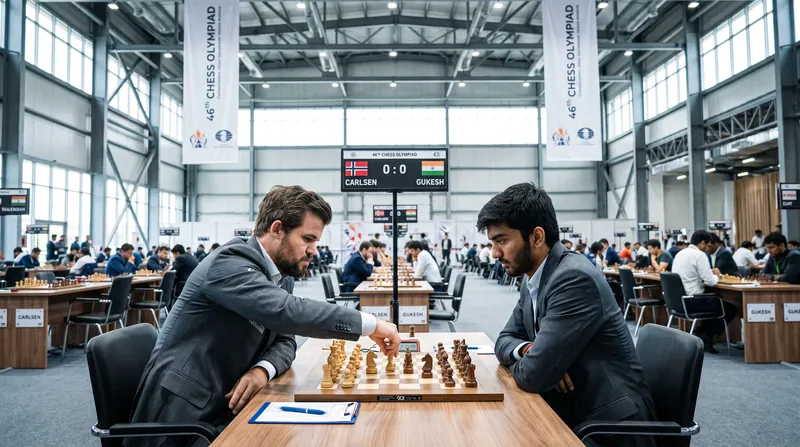
Race to Gold Narrows at 46th Chess Olympiad as US, India, and Uzbekistan Remain Perfect
7 sources
Recap
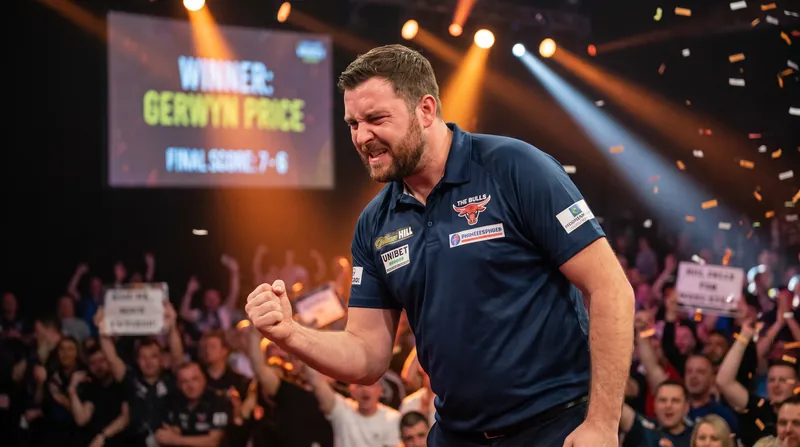
Gerwyn Price Survives Brody Klinge's Stunning Fightback at World Series of Darts Finals
4 sources
Storyline
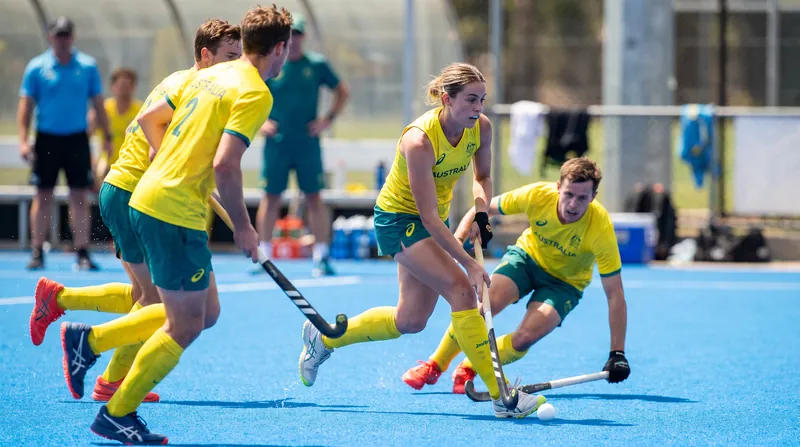
Hockey Australia Launches 'Talent Accelerator 2032' to Fast-Track Next Generation
4 sources
Storyline
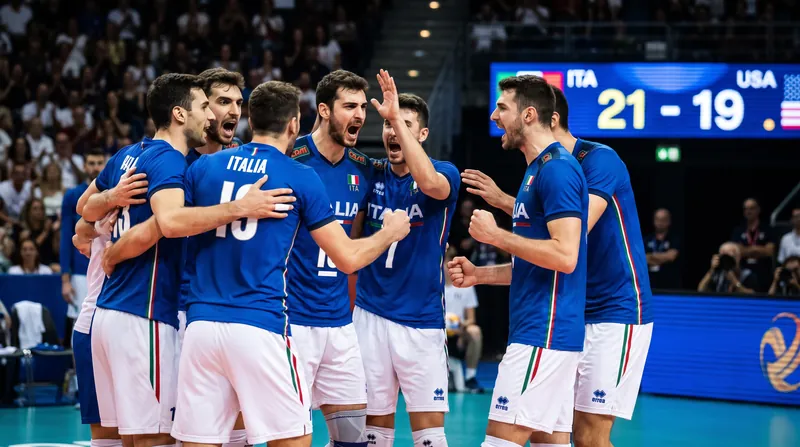
Italy Completes Flawless EuroVolley Group Stage as Knockout Phase Arrives in Turin and Sofia
6 sources
Every angle. Every day.
Get Sports stories with full source coverage and perspective breakdowns delivered to your inbox.