
The 2026 Guide to Used EV Battery Health Certificates
Standardized battery health tests are proving that used electric vehicles degrade far slower than consumers fear, unlocking major bargains for savvy car shoppers.
By Paige Carter

Share this story
In short
- Standardized Battery Health Certificates are removing the guesswork from buying used EVs.
- A major 2026 UK study found average used EV battery health remains exceptionally high at 95.15%.
- Mileage is not a reliable predictor of battery degradation; many high-mileage EVs retain over 90% capacity.
For anyone shopping for a used car in 2026, the electric vehicle market presents a tantalizing but terrifying proposition. Prices for second-hand EVs have plummeted over the last two years, offering incredible deals on high-tech, low-emission vehicles. Yet, a single anxiety has kept millions of potential buyers on the sidelines: the fear of a dying battery.[4]
Unlike a traditional combustion engine, where a mechanic can easily spot a leaking gasket or a worn timing belt during a pre-purchase inspection, an EV battery is essentially a sealed black box. Without knowing exactly how much capacity the battery has lost over its lifetime, buying a used EV has felt like a high-stakes gamble for the average consumer.[3]
But in 2026, the automotive market is undergoing a radical shift toward transparency. The era of guessing an electric vehicle's lifespan is ending, replaced by standardized "Battery Health Certificates" that reveal exactly how much life is left in the cells, fundamentally changing how these cars are bought and sold.[4]
The most comprehensive data drop to date arrived in February 2026 with the publication of the UK's Generational Battery Performance Index. Analyzing over 8,000 battery health assessments across various vehicle ages and mileages, the report delivered a resounding and uplifting message: battery degradation is not the systemic risk consumers assumed it to be.[1]
The real-world numbers are overwhelmingly positive. Across all the vehicles tested in the UK study, the average battery retained 95.15% of its original capacity. Even more surprisingly, vehicles that were eight to nine years old still held a median capacity of around 85%—comfortably above the thresholds where manufacturers typically require warranty replacements.[1]
The data also shattered a long-held automotive myth: that high mileage equals a ruined car. The study found that mileage is not a reliable predictor of battery health, with EVs driven over 100,000 miles frequently returning health scores between 88% and 95%.[1]
This longevity is corroborated by fleet operators who push EVs to their absolute limits on a daily basis. In Australia, rideshare vehicle provider Splend reports that their high-kilometre EVs consistently remain well above the 90% capacity mark for years, proving the durability of modern thermal management systems.[2]
So what exactly is a Battery Health Certificate? Often referred to as a State of Health (SoH) report, it is a diagnostic test that compares a battery's current usable capacity to its original factory specification. If a used car has a 95% SoH, it means it still holds 95% of the energy it did on day one.[2]
Independent diagnostic companies, such as Europe's AVILOO, have pioneered these rapid flash tests. By plugging a specialized dongle into the car's diagnostic port, technicians can generate a certified, tamper-proof report in minutes. Dealerships are increasingly using these certificates to alleviate the primary sales objection of skeptical buyers, finding that certified cars sell significantly faster.
Consumer advocates are now demanding that these certificates become mandatory across the industry. Automotive commentators argue that pricing a used EV without an SoH report is like selling a petrol car with the hood welded shut. They point out that two visually identical EVs with the exact same mileage could have vastly different battery health, making traditional guide prices highly misleading without underlying data.[3]
In some regions, regulators and financial institutions are already stepping in to enforce this transparency. Starting in 2026, the United Arab Emirates mandated that all used EVs over three years old must obtain a Battery Health Certificate to qualify for comprehensive motor insurance.
The UAE's Road and Transport Authority introduced the requirement to help insurers accurately assess the risk profile of aging batteries. The certificate acts as a "Battery Passport," logging not just the overall health percentage, but also the number of fast-charging cycles the vehicle has endured over its lifetime.
For shoppers, understanding these numbers is the key to unlocking massive value. A used EV with an 85% SoH might have slightly less maximum range than a brand-new model, but it is still perfectly capable of handling daily commutes, road trips, and rideshare work—often at a fraction of the original sticker price.[2]
While the fear of a massive replacement bill still looms large in online forums, the reality is far less dramatic. Complete battery failures are exceedingly rare, and when replacements do occur outside of warranty, costs typically range from $5,000 to $16,000. For context, major engine or transmission failures in luxury petrol cars can easily cost the same amount, often without any prior warning.[2]
The consensus among industry experts in 2026 is clear: uncertainty, rather than actual battery failure, has been the primary drag on used EV values. When battery condition is opaque, buyers naturally assume the worst, punishing the valuations of perfectly healthy vehicles.[1]
As Battery Health Certificates become as standard as a Carfax report or a mechanical inspection, that uncertainty is evaporating. For the informed car shopper, the used EV market is no longer a minefield—it is a goldmine of heavily depreciated, highly reliable vehicles waiting to be driven.[4]
Jargon, explained
- State of Health (SoH)
- A percentage that compares an electric vehicle battery's current usable capacity to its original capacity when brand new.
- Battery Passport
- A digital or physical certificate detailing a battery's manufacturing history, health metrics, and charging cycle count.
- Flash Test
- A rapid diagnostic test performed via a vehicle's onboard computer port to assess the health of the battery cells.
- Degradation
- The natural, gradual loss of a battery's ability to hold a charge over time and repeated use.
Common questions
What is a good battery health percentage for a used EV?
Most experts consider a State of Health (SoH) above 90% to be excellent. Even a battery at 85% is perfectly adequate for daily commuting and typical driving needs.
Does high mileage mean the EV battery is ruined?
No. Recent data from over 8,000 vehicles shows that mileage is not a reliable predictor of battery health, with many 100,000-mile EVs still retaining over 90% capacity.
How much does it cost to replace an EV battery?
While complete failures are rare, out-of-warranty replacements typically cost between $5,000 and $16,000 depending on the make and model.
How do I get a battery health certificate?
Many specialized EV dealers now provide them at the point of sale. Alternatively, buyers can request an independent diagnostic test from companies like AVILOO before purchasing.
Competing readings
Used Car Buyers
Consumers demanding transparency before making a major financial commitment.
For years, buyers have been burned by the lack of transparency in the used EV market. Without a clear picture of battery health, many have stayed away entirely, fearing they might inherit a vehicle that requires a $10,000 replacement just months after purchase. Consumer advocates argue that traditional valuation metrics like age and mileage are useless for EVs, and that no vehicle should be sold without a certified State of Health report.
Auto Dealers & Auction Houses
Retailers looking to move inventory and rebuild trust in depreciated assets.
Dealerships have struggled to sell used EVs as consumer anxiety drives down demand. By adopting independent testing from companies like AVILOO, forward-thinking dealers are turning battery health from a liability into a selling point. Industry data shows that used EVs accompanied by a certified health report generate significantly more interest and sell faster than those without, allowing dealers to protect their profit margins.
Regulators & Insurers
Institutions requiring standardized data to assess risk and ensure safety.
As the global EV fleet ages, regulators and insurance companies are stepping in to mandate transparency. In markets like the UAE, insurers now require battery health certificates to underwrite comprehensive policies, as the battery's condition directly impacts total-loss calculations in the event of an accident. This institutional push is accelerating the adoption of 'battery passports' worldwide.
- Consumer Advocates
- Demand mandatory battery health transparency to protect used car buyers from misleading valuations.
- Industry Data Analysts
- Focus on real-world degradation metrics to stabilize the volatile used EV market and prove longevity.
- Regulators & Insurers
- Require standardized battery testing to accurately assess financial and safety risks for older vehicles.
Perspectives this story doesn't cover
- Traditional auto mechanics who may need to invest in new diagnostic equipment to remain competitive.
- Original equipment manufacturers (OEMs) who historically controlled battery data and may resist third-party testing.
Sources
Source coverage
4 outlets
3 viewpoints surfaced




- [1]Transport and EnergyIndustry Data Analysts
Used EV battery performance report highlights degradation 'not a systemic risk'
Read on Transport and Energy → - [2]SplendIndustry Data Analysts
EV battery warranties and buyer protections in Australia
Read on Splend → - [3]BCCarsConsumer Advocates
Used EV Prices Are Wrong: Why Battery Health Certificates Could Expose The Whole Market!
- [4]Factlen Editorial TeamIndustry Data Analysts
Synthesis by Factlen editorial team
Read on Factlen Editorial Team →

More in Shopping & Reviews
See all →Auto Safety
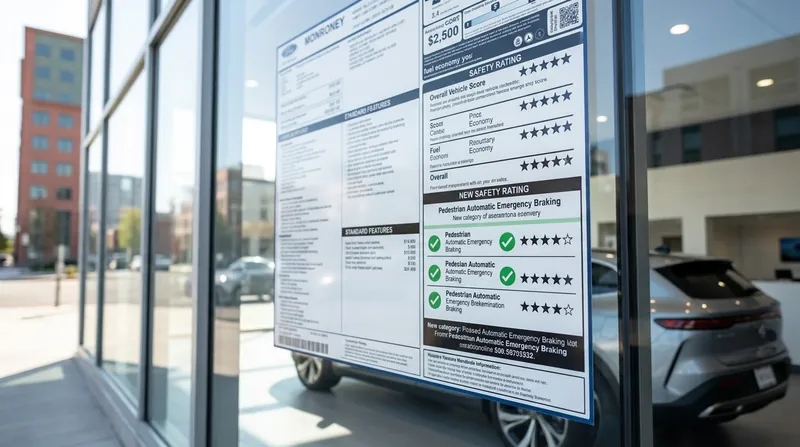
The 2026 Safety Shift: How NHTSA's New 5-Star Rating Will Force Pedestrian Protection Into Every Car
4 sources
Impaired Driving Tech
The 'Kill Switch' Mandate: How New US Impaired Driving Tech Will Reshape Car Shopping and Privacy Concerns
2 sources

Vehicle Automation
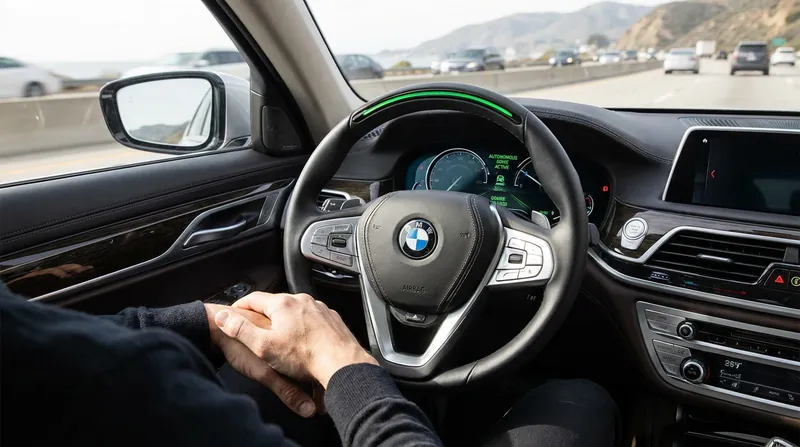
The 2026 Guide to Hands-Free Driving: Decoding Level 2+ and Level 3 Automation
5 sources
Drivetrain Mechanics
Why a One Percent Tire Diameter Difference Destroys All-Wheel-Drive Center Differentials
4 sources

Comments
Every angle. Every day.
Get Shopping & Reviews stories with full source coverage and perspective breakdowns, free every day.