
Stem Cell Transplants Achieve 15-Year Remission in Severe Autoimmune Disease
Two patients with a rare autoimmune disorder have remained completely disease-free for over 15 years after a pioneering stem cell transplant rebooted their immune systems.
By Factlen Editorial Team
- Clinical Researchers
- Focus on the long-term efficacy and the potential for a definitive cure by resetting the immune system.
- Patient Advocates
- Emphasize the life-changing impact of long-term remission and the return to normal life without lifelong immunosuppressants.
- Medical Guideline Committees
- Cautiously optimistic, balancing the high efficacy of the treatment against the significant risks like graft-versus-host disease.
What's not represented
- · Health Insurance Providers
- · Pharmaceutical Companies manufacturing lifelong immunosuppressants
Why this matters
For millions suffering from severe autoimmune diseases, standard treatments mean a lifetime of suppressing the immune system to manage symptoms. This 15-year milestone proves that completely 'rebooting' the immune system with stem cells can offer a permanent, drug-free cure for the most devastating cases.
Key points
- Two patients with a severe autoimmune disorder have remained in complete remission for over 15 years after receiving stem cell transplants.
- The procedure involved wiping out their malfunctioning immune systems and replacing them with healthy donor stem cells.
- Both patients were able to stop all immunosuppressive medications and resume normal lives without disease relapse.
- While highly effective, allogeneic transplants carry severe risks, including graft-versus-host disease and high transplant-related mortality.
- Medical guidelines currently reserve the procedure for highly active, treatment-refractory cases of diseases like NMOSD and multiple sclerosis.
- Clinical focus is increasingly shifting toward autologous transplants, which use the patient's own cells to eliminate the risk of donor rejection.
Autoimmune diseases represent a fundamental betrayal by the body's own defense network. For decades, the standard medical response to conditions where the immune system attacks healthy tissue has been suppression—using lifelong medications to dampen the body's overall immune response. While effective at managing symptoms, this approach leaves patients vulnerable to infections and rarely offers a definitive cure. Now, a radical alternative is proving that it is possible to completely "reboot" a malfunctioning immune system.[8]
A milestone report published in the clinical journal Med and highlighted by Nature has documented two patients with a severe autoimmune condition who have remained entirely disease-free for more than 15 years after receiving stem cell transplants. The patients suffered from neuromyelitis optica spectrum disorder (NMOSD), a rare and debilitating disease where the immune system mistakenly attacks the optic nerve and the spinal cord.[1][2]
NMOSD typically causes recurring, unpredictable episodes of vision loss, severe eye pain, vomiting, weakness, and in severe cases, paralysis. Traditional therapies aim to reduce the frequency of these relapses, but they require continuous, lifelong administration and often fail to halt the disease's progression entirely. For the two patients in the recent study, conventional treatments had proven completely ineffective, leaving them facing severe neurological decline.[1][8]
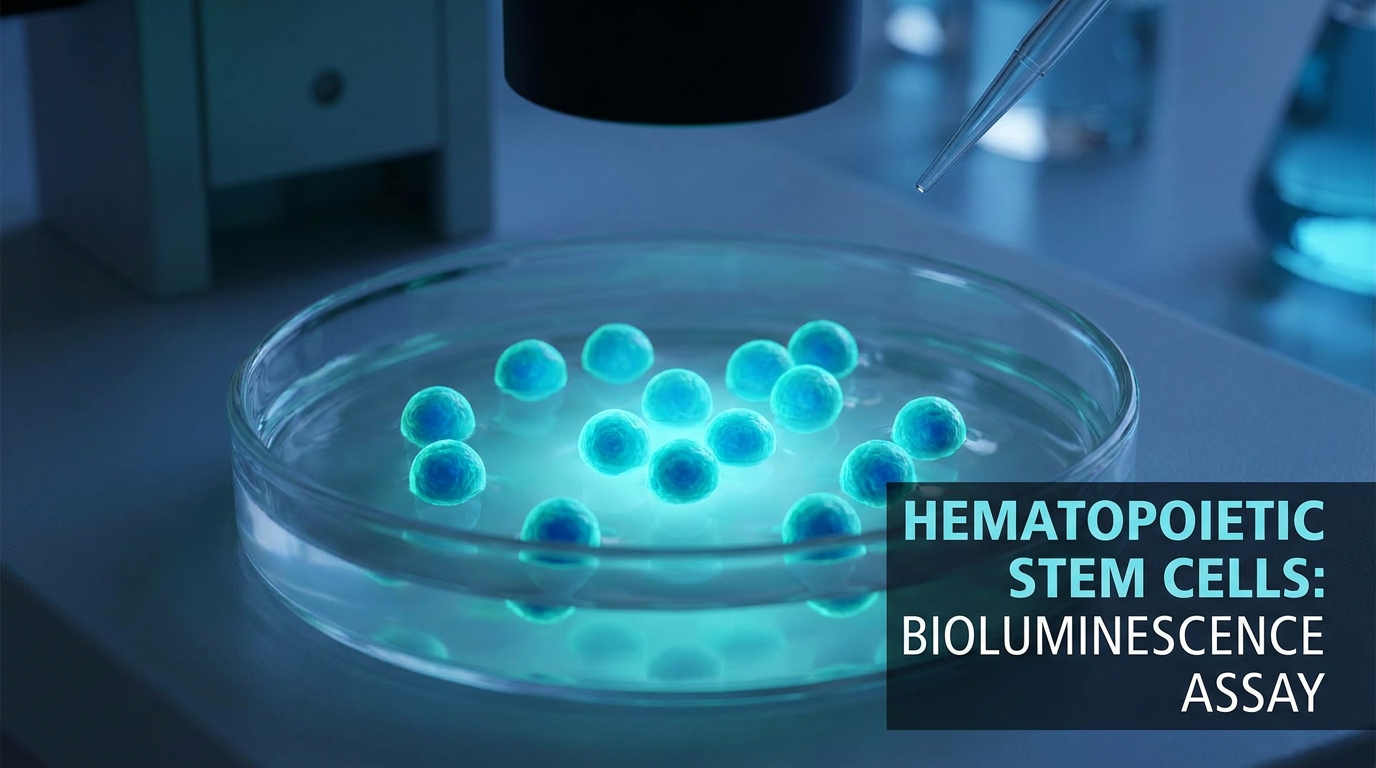
Facing limited options, medical teams turned to an allogeneic hematopoietic stem-cell transplant—a procedure more commonly associated with treating blood cancers like leukemia. The concept behind using this for an autoimmune disease is both elegant and extreme: if the immune system is fundamentally broken, the solution is to wipe it out entirely and build a new one from scratch.[2][3]

The procedure begins with a rigorous "conditioning" phase. Doctors use intensive chemotherapy drugs and targeted antibody therapies to systematically hunt down and destroy the patient's existing, malfunctioning immune cells. This leaves the patient temporarily without an immune system, creating a blank slate but also a window of extreme vulnerability to infection.[1][3]
Once the autoreactive cells are eliminated, the patient receives an infusion of healthy, blood-forming hematopoietic stem cells. In the case of the two NMOSD patients, these were allogeneic cells, meaning they were harvested from healthy donors rather than the patients themselves. The first patient, a man with rapidly progressing disease, received stem cells from his sister in 2009. The second, a woman, received cells from an unrelated donor the following year.[1][2]
The infused donor stem cells migrate to the bone marrow, where they begin the process of engraftment—multiplying and differentiating into a completely new, healthy immune system that does not carry the genetic or cellular memory to attack the host's nervous system. According to the clinical follow-up, the results have been transformative.[5][6]
According to the clinical follow-up, the results have been transformative.
More than a decade and a half later, neither patient has experienced a single relapse. The disease-causing autoantibodies have completely vanished from their bloodstreams. The male patient saw his neurological condition improve so dramatically that he was able to resume a normal life and start a family. The female patient regained significant use of her arms and has lived symptom-free without the need for any immunosuppressive medication for 15 years.[1][2]
This 15-year milestone is a watershed moment in immunology. It provides concrete evidence that severe autoimmune diseases can be permanently halted—effectively cured—rather than merely managed. However, clinical researchers and medical guideline committees are quick to emphasize that this procedure is not a first-line therapy, nor is it suitable for every patient.[1][8]
The primary barrier to widespread adoption is the sheer physical toll and risk of the procedure. Allogeneic transplants carry a significant risk of graft-versus-host disease (GVHD), a potentially fatal complication where the newly transplanted donor immune cells recognize the recipient's body as foreign and begin to attack it. To mitigate this, patients require additional intense medication during the recovery phase.[1][3]

Because of these risks, major medical bodies, including the European Society for Blood and Marrow Transplantation (EBMT) and the European Committee for Treatment and Research in Multiple Sclerosis (ECTRIMS), have issued strict consensus guidelines. They recommend stem cell transplantation primarily for patients with highly active, aggressive disease who have failed to respond to high-efficacy disease-modifying therapies.[4][7]
To lower the risks associated with donor cells, much of the current clinical focus has shifted toward autologous stem cell transplants. In an autologous procedure, a patient's own stem cells are harvested before the immune system is wiped out, and then reinfused. Because the cells belong to the patient, the risk of graft-versus-host disease is entirely eliminated.[3][6]
While autologous transplants are safer, they rely on the theory that the newly generated immune cells will develop "self-tolerance" and not repeat the mistakes of their predecessors. Extensive registry data shows that for diseases like multiple sclerosis and systemic sclerosis, autologous transplants can induce long-lasting, drug-free remission in a significant proportion of patients, though the relapse rate is slightly higher than with allogeneic donor cells.[3][6]

Specialized centers are now integrating these therapies into standard care protocols for the most severe cases. Programs are utilizing stem cell transplants not just for NMOSD and multiple sclerosis, but also for systemic lupus erythematosus, Crohn's disease, and severe rheumatoid arthritis. The goal across all these applications is identical: to break the cycle of chronic inflammation and organ damage.[3][5]
The success of the NMOSD patients over 15 years serves as a powerful proof of concept for the future of autoimmune medicine. As conditioning regimens become safer and patient selection criteria become more refined, the medical community is steadily moving toward a reality where resetting the immune system replaces a lifetime of suppressing it.[2][8]
How we got here
2009
The first NMOSD patient in the milestone study receives an allogeneic stem cell transplant from his sister.
2010
A second NMOSD patient receives a transplant from an unrelated donor.
2011
Early retrospective analyses show an 85% 5-year survival rate for stem cell transplants across various autoimmune diseases.
2025
Major medical committees release updated consensus guidelines for using stem cell therapy in multiple sclerosis and NMOSD.
June 2026
Researchers publish 15-year follow-up data confirming complete, drug-free remission for the two NMOSD patients.
Viewpoints in depth
Clinical Researchers
Focusing on the biological triumph of engineering permanent immune tolerance.
For immunologists and clinical researchers, the 15-year remission milestone represents a fundamental proof of concept: the immune system can be entirely rebooted. Rather than relying on lifelong pharmaceutical suppression, which leaves patients vulnerable to opportunistic infections and organ damage, an allogeneic transplant replaces the defective cellular machinery entirely. Researchers view this as the ultimate validation that autoimmune diseases are driven by specific, eradicable cell lineages rather than an irreversible systemic flaw.
Medical Guideline Committees
Balancing the profound efficacy of the treatment against its severe inherent risks.
Regulatory and consensus bodies like the EBMT maintain a cautious stance. While acknowledging the transformative potential of stem cell transplants, they emphasize the high transplant-related mortality and the severe risk of graft-versus-host disease associated with donor cells. Their guidelines strictly position the therapy as a secondary or tertiary option, reserved exclusively for patients with highly active, rapidly progressing disease who have exhausted all conventional high-efficacy disease-modifying therapies.
Patient Advocates
Highlighting the return to a normal, drug-free life for those with severe disease.
Patient advocacy groups focus on the dramatic improvement in quality of life. For individuals facing inevitable paralysis or blindness, the prospect of a definitive, one-time treatment offers unprecedented hope. Advocates stress that achieving a state where no daily immunosuppressive medications are required—allowing patients to start families and resume careers—shifts the narrative of autoimmune disease from a life sentence of management to the possibility of a true cure.
What we don't know
- Whether the 15-year remission achieved with donor cells can be reliably replicated using the patient's own stem cells.
- How to completely eliminate the risk of graft-versus-host disease in allogeneic transplants for autoimmune conditions.
- Which specific genetic or environmental factors determine whether a patient's new immune system will eventually relapse into autoimmunity.
Key terms
- Neuromyelitis Optica Spectrum Disorder (NMOSD)
- A rare, severe autoimmune disease where the immune system mistakenly attacks the optic nerve and spinal cord.
- Hematopoietic Stem Cell Transplantation (HSCT)
- A medical procedure that infuses blood-forming stem cells to rebuild a patient's immune system and bone marrow.
- Allogeneic Transplant
- A transplant procedure using stem cells collected from a healthy donor rather than the patient.
- Autologous Transplant
- A transplant procedure using the patient's own stem cells, harvested before their immune system is suppressed.
- Graft-versus-Host Disease (GVHD)
- A severe complication of donor transplants where the newly infused immune cells attack the recipient's body.
- Conditioning Regimen
- The intensive chemotherapy and antibody treatment used to destroy a patient's malfunctioning immune system prior to a transplant.
Frequently asked
Can stem cell transplants cure all autoimmune diseases?
Currently, they are reserved for severe, treatment-refractory cases of specific diseases like NMOSD, multiple sclerosis, and scleroderma, rather than being a universal cure.
What is the difference between autologous and allogeneic transplants?
Autologous transplants use the patient's own stem cells, which is safer, while allogeneic transplants use donor cells, which carries higher risks but completely replaces the immune system.
Why is this treatment considered high-risk?
The procedure requires wiping out the patient's existing immune system, leaving them highly vulnerable to infections, and donor cells carry the risk of graft-versus-host disease.
Sources
Source coverage
8 outlets
3 viewpoints surfaced








[1]NatureClinical Researchers
Stem cells banish severe autoimmune disease for 15 years
Read on Nature →[2]MedClinical Researchers
Long-term remission of NMOSD following allogeneic hematopoietic stem-cell transplantation
Read on Med →[3]National Institutes of HealthMedical Guideline Committees
Successes and Failures of Stem Cell Transplantation in Autoimmune Diseases
Read on National Institutes of Health →[4]European Society for Blood and Marrow TransplantationMedical Guideline Committees
Autologous haematopoietic stem cell transplantation for treatment of multiple sclerosis and neuromyelitis optica spectrum disorder
Read on European Society for Blood and Marrow Transplantation →[5]Northwestern MedicinePatient Advocates
Stem Cell Transplant and Cell Therapy for Autoimmune Diseases
Read on Northwestern Medicine →[6]Blood & Marrow Transplant Information NetworkPatient Advocates
Stem Cell Transplants for Autoimmune Diseases
Read on Blood & Marrow Transplant Information Network →[7]White Rose Research OnlineClinical Researchers
Recommendations from ECTRIMS and the EBMT on AHSCT
Read on White Rose Research Online →[8]Factlen Editorial TeamMedical Guideline Committees
Synthesis by Factlen editorial team
Read on Factlen Editorial Team →

More in science
See all 6 stories →Uranus Interior
Gas Detected Deep Inside Uranus Confirms the Planet is a True 'Ice Giant'
8 sources

Stem Cell Therapy
Stem Cells Banish Severe Autoimmune Disease for 15 Years in Landmark Trial
7 sources
Stem Cell Therapy
Stem Cell Transplant Banishes Severe Autoimmune Disease for 15 Years in Medical First
6 sources
Stonehenge Landscape
Archaeologists Uncover 5,000-Year-Old Wooden 'Prototype' for Stonehenge
7 sources

Every angle. Every day.
Get science stories with full source coverage and perspective breakdowns delivered to your inbox.