
STB Orders Belt Railway of Chicago to Explain and Fix Critical Chicago Rail Hub Congestion
The Surface Transportation Board has directed the Belt Railway of Chicago to implement expanded weekly reporting and submit an action plan after freight car dwell times surged 72% at the nation's busiest interchange yard.
By Layla Zaher

- Federal Regulators
- Prioritize network fluidity and demand accountability for the sudden spike in congestion at a critical national chokepoint.
- Rail Labor
- Argue that the congestion is a direct result of Class I railroads shifting switching operations to cut costs.
- Infrastructure Planners
- Focus on the physical constraints of the Chicago rail hub and the necessity of continuous capital improvements.
How we got here
April 2026
CSX reduces operations at Barr Yard, shifting classification work to Clearing Yard.
July 2026
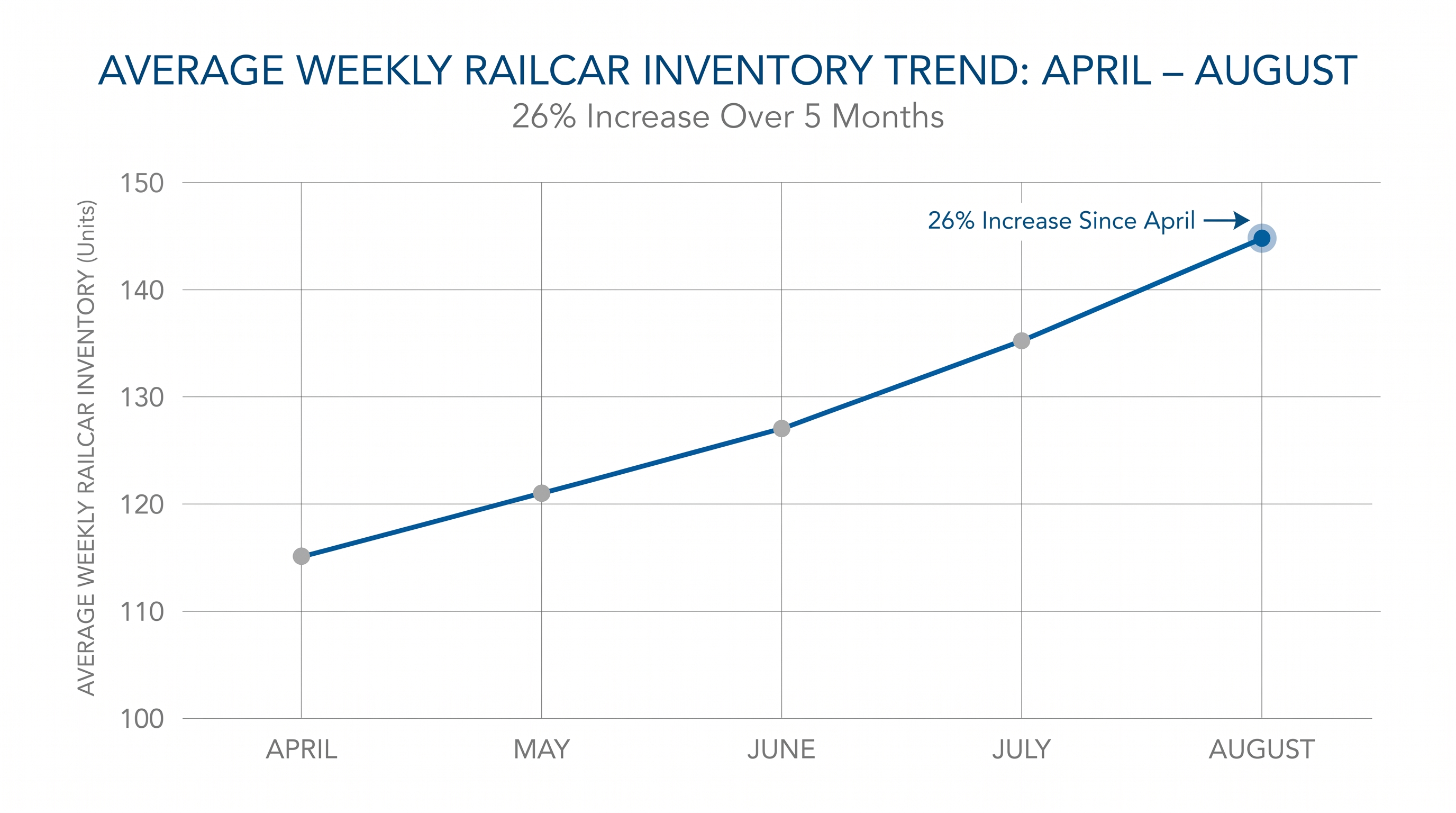
Average railcar inventory at Clearing Yard surpasses 5,000 cars, a 57% year-over-year increase.
August 3, 2026
The STB sends a formal letter to the BRC demanding explanations and expanded reporting.
August 10, 2026
Deadline for the BRC to submit its first expanded weekly performance report to federal regulators.
Why it matters
Chicago is the central node of the North American freight network, handling roughly a quarter of all U.S. rail traffic. When cars stall at the Belt Railway's Clearing Yard, the resulting bottleneck ripples outward, threatening to delay agricultural shipments, energy supplies, and manufacturing components nationwide.
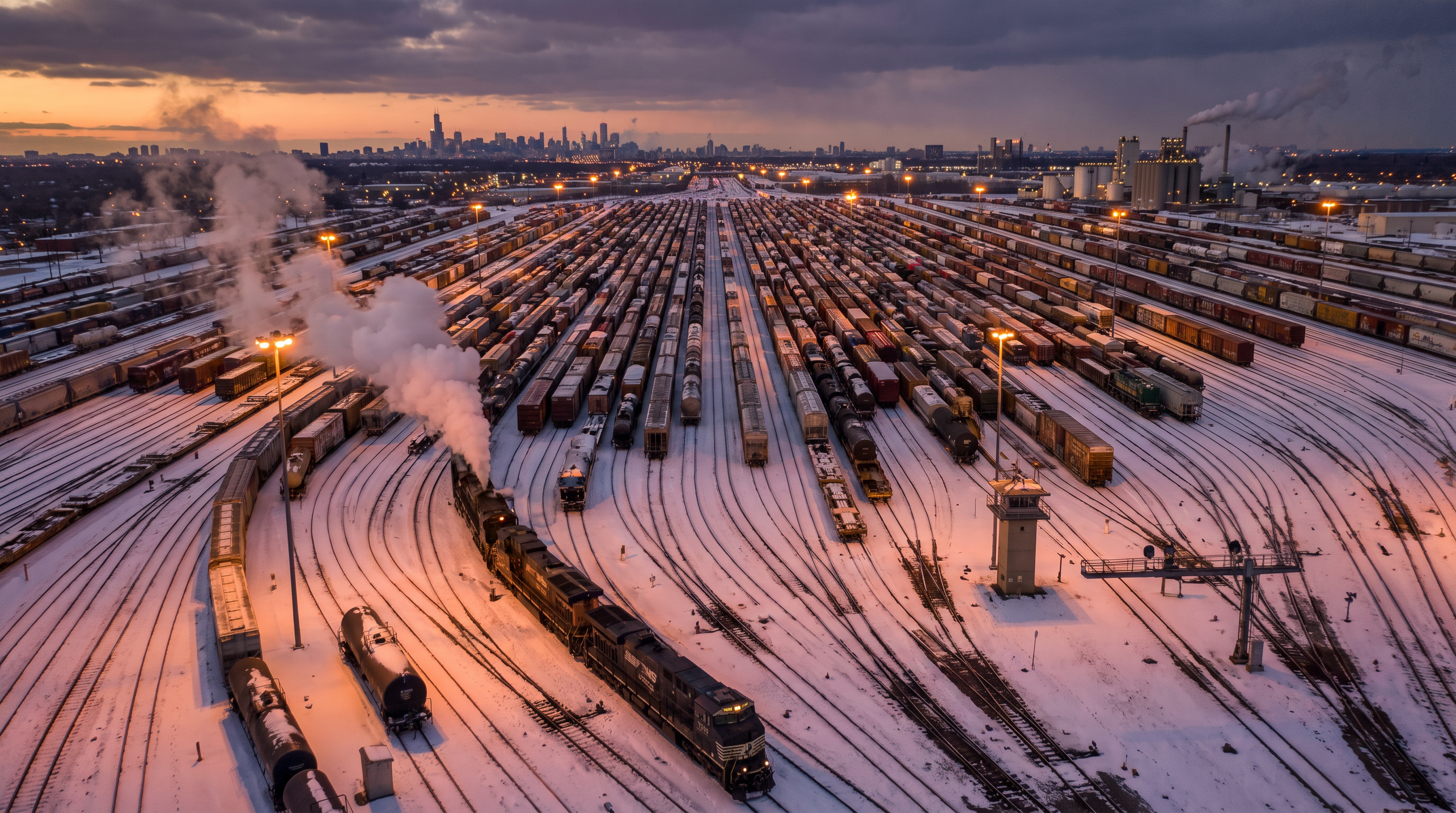
When a freight train stalls in Chicago, the public assumption is usually that bad weather or a localized derailment is to blame. But the reality of the North American supply chain is far more systemic: the continent's freight network relies on a few massive, invisible chokepoints, and when one of them alters its operating model, the ripple effects can delay everything from agricultural exports to auto parts. That systemic fragility is now under federal scrutiny. On August 3, the Surface Transportation Board (STB) ordered the Belt Railway of Chicago (BRC) to explain a severe and sudden spike in congestion at its Clearing Yard, the busiest classification facility in the United States.[1][2]
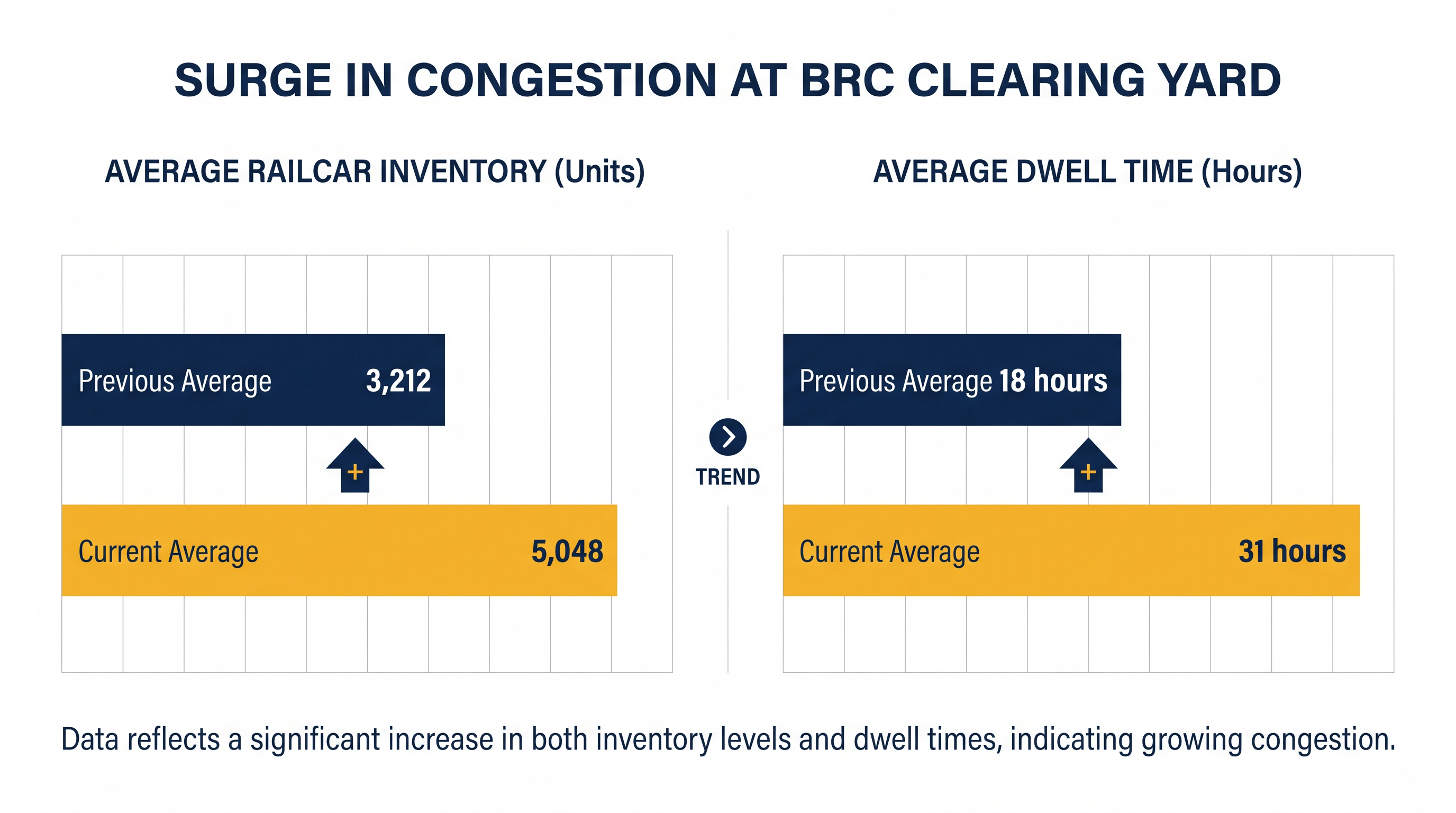
The regulatory intervention comes after months of deteriorating service metrics at the critical interchange hub. According to the STB, average railcar inventory at Clearing Yard jumped 57% year-over-year, rising from 3,212 cars in late July 2025 to 5,048 cars in the same week of 2026. Concurrently, the average time a freight car spends idling in the yard—known as dwell time—surged by 72%, climbing from 18 hours to 31 hours.[1][2]
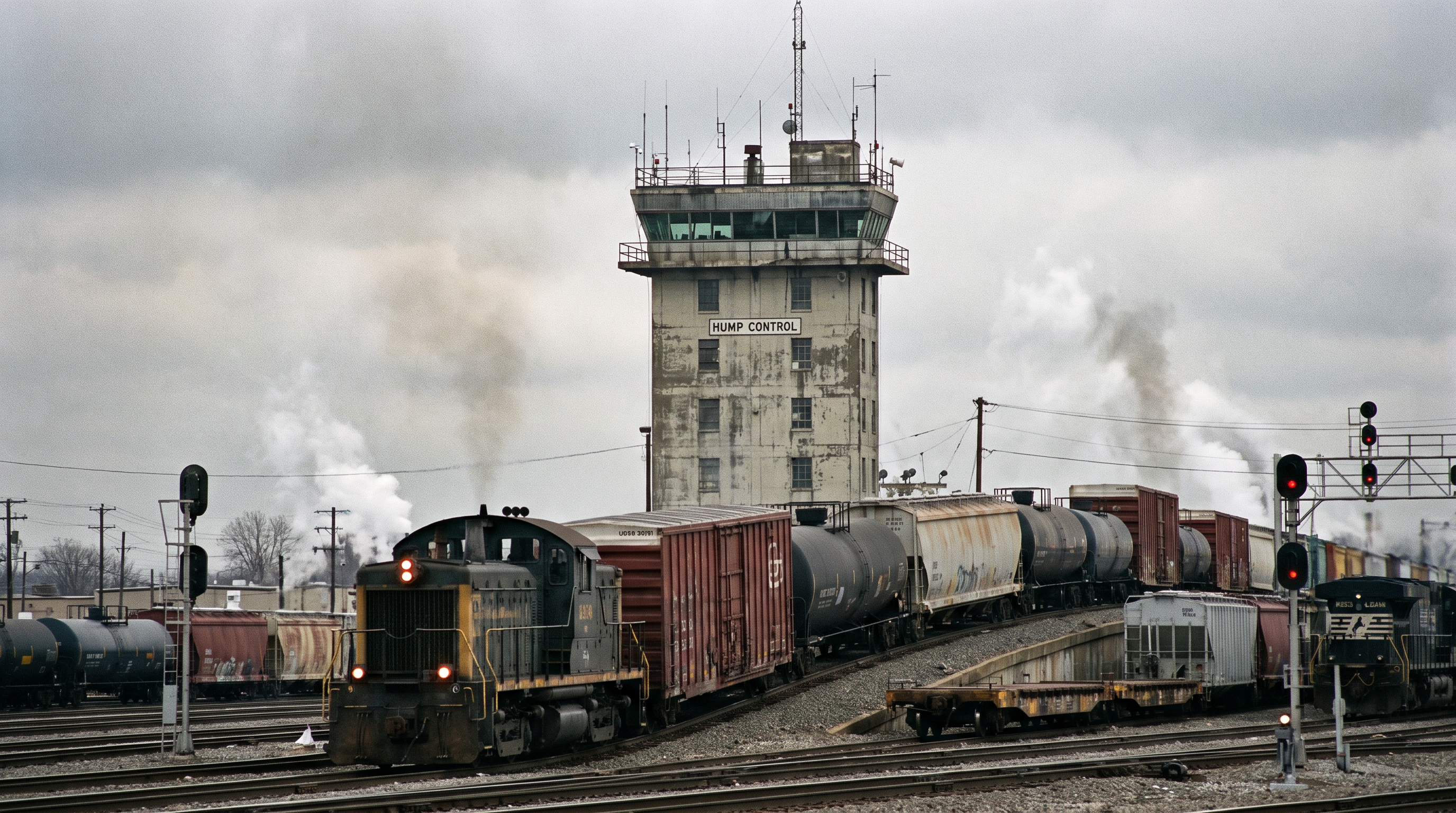
To understand the stakes of this bottleneck, one must understand the scale of the Belt Railway of Chicago. Owned jointly by the six Class I railroads—BNSF, Canadian National, CPKC, CSX, Norfolk Southern, and Union Pacific—the BRC functions as the central switching board for the Chicago gateway. Its Clearing Yard is a 786-acre, 5.5-mile facility featuring more than 250 miles of track and a double hump system that allows operators to classify freight cars in two directions simultaneously.[1][4]
On a normal day, the terminal dispatches more than 8,400 railcars, interchanging traffic between every major railroad serving the region. Because all Class I carriers route transcontinental traffic through this single node, the STB warned that the simultaneous increase in inventory and dwell could indicate growing congestion across the wider Chicago rail complex.[2][4]
The root cause of the sudden backup is a matter of intense industry debate. The upward trend in congestion began in April 2026, a timeline that coincides with CSX reducing operations at its own Barr Yard. By downgrading its internal facility, CSX shifted much of its Chicago-area interchange classification work to Clearing Yard and, to a lesser extent, the Indiana Harbor Belt.[1]
The root cause of the sudden backup is a matter of intense industry debate.
Rail labor organizations were quick to point to this operational shift as the catalyst for the current crisis. The SMART-TD union argued that farming out switching operations to short lines is a cost-cutting measure that reduces buffer capacity across the network. Labor representatives characterized the move as a repeat of a similar 2017 strategy that resulted in severe service failures and required federal intervention to reverse.[3]
For its part, CSX has maintained that the volume of traffic it sends to Clearing Yard has held steady, and the STB's letter did not explicitly blame the Barr Yard downgrade for the meltdown. However, independent rail analysts have noted that removing infrastructure from the network inherently increases the vulnerability of the remaining yards, meaning that a random operational hiccup can quickly cascade into a massive backlog.[1]
Regardless of the exact catalyst, the STB is demanding immediate transparency and a concrete recovery plan. The board's letter, which was copied to the chief executives of all six Class I railroads, ordered the BRC to outline how it will work with its corporate owners to restore normal operations. The regulators emphasized that severe congestion in Chicago impairs regional fluidity and threatens major economic sectors, including energy and agriculture.[1][2]
Starting August 10, the BRC is required to submit expanded weekly reports to the federal government. These reports must break down performance metrics by interchanging railroad, detailing on-time departures, the number of cars received versus the daily quota, and the frequency of "haulbacks"—instances where cars arrive and depart on the same railroad due to routing errors or capacity constraints.[1][2]
The situation at Clearing Yard highlights the ongoing tension between railroad operating ratios and national infrastructure resilience. While physical upgrades, such as the CREATE program's grade separation projects, continue to improve the physical flow of trains through Chicago, operational decisions by individual carriers can still overwhelm the system. By tightening its oversight of the Belt Railway, the STB is signaling that it views terminal railroads not just as local switching assets, but as critical national infrastructure that cannot be allowed to fail.[2][3][5]
What to know
- The Surface Transportation Board ordered the Belt Railway of Chicago to explain severe congestion at its Clearing Yard.
- Average railcar inventory at the yard surged 57% year-over-year, while dwell times increased by 72%.
- The STB warned the bottleneck could impair regional fluidity and impact the manufacturing and agriculture sectors.
- The congestion coincides with CSX shifting classification work from its Barr Yard to the Belt Railway.
- The BRC must submit expanded weekly performance reports to federal regulators starting August 10.
Where opinion splits
Federal Regulators
View the Chicago gateway as the linchpin of the national supply chain that requires proactive oversight.
The Surface Transportation Board approaches terminal railroads not merely as local switching operations, but as critical national infrastructure. Regulators argue that persistent congestion at a single node like Clearing Yard can cause cascading failures across the manufacturing and agricultural sectors. By demanding granular data and a concrete recovery plan, the STB is asserting its authority to prevent localized bottlenecks from degrading the broader North American freight network.
Rail Labor
Argue that the congestion is a self-inflicted wound by Class I railroads prioritizing cost-cutting over resilience.
Labor organizations, including SMART-TD, view the current crisis as a direct consequence of corporate operational shifts. They point to CSX's decision to downgrade its own Barr Yard and shift the burden to terminal railroads as a repeat of past mistakes. From this perspective, farming out switching operations to short lines reduces the network's buffer capacity, leading to severe service failures, exhausted crews, and a fragile supply chain that melts down under pressure.
Infrastructure Planners
Focus on the physical constraints of the Chicago rail hub and the necessity of continuous capital improvements.
For urban planners and infrastructure advocates, the congestion at Clearing Yard highlights the physical limitations of legacy rail networks operating within dense urban environments. They emphasize that while operational decisions by carriers fluctuate, the baseline capacity of the Chicago gateway must be expanded through sustained capital investment. Initiatives like the CREATE program's grade separations are viewed as essential, long-term solutions to physically untangle the overlapping passenger, freight, and vehicular traffic that inherently slows down the system.
Sources
Source coverage
5 outlets
3 viewpoints surfaced





[1]Trains.comFederal Regulators
STB asks Belt Railway of Chicago to explain rise in volume and dwell at Clearing Yard
Read on Trains.com →[2]Progressive RailroadingFederal Regulators
STB tightens oversight of Belt Railway of Chicago
Read on Progressive Railroading →[3]SMART UnionRail Labor
Enough is Enough: STB Puts the Belt Railway of Chicago on Notice
Read on SMART Union →[4]Diesel EraInfrastructure Planners
Belt Railway of Chicago: A Generation of Change
Read on Diesel Era →[5]CREATE ProgramInfrastructure Planners
Archer Avenue at Belt Railway Company of Chicago (BRC) Grade Separation
Read on CREATE Program →
Comments
Every angle. Every day.
Get transportation stories with full source coverage and perspective breakdowns delivered to your inbox.