
Eli Lilly Grants Early Access to Next-Gen Weight-Loss Drug Retatrutide After 28.7% Trial Results
Eli Lilly is opening a limited early-access program for its investigational triple-agonist obesity medication, retatrutide, ahead of its anticipated 2027 FDA approval. The move follows Phase 3 trials where the drug drove an unprecedented 28.7% average weight reduction and significantly improved severe joint pain.
By Aylin Aksoy


- Aggressive Interventionists
- Argue that obesity is a severe chronic disease requiring the most potent pharmacological tools available to prevent downstream complications.
- Stepped-Care Advocates
- Emphasize starting with established single or dual agonists, reserving triple agonists only for refractory cases to minimize unknown long-term risks.
- Market Analysts
- Focus on the commercial impact, supply chain viability, and the regulatory race between pharmaceutical giants.
The short answer
- Eli Lilly is opening a limited early-access program for its investigational triple-agonist drug, retatrutide.
- The medication achieved an unprecedented 28.7% average weight reduction in Phase 3 clinical trials.
- Retatrutide adds a glucagon receptor mechanism to increase energy expenditure, differentiating it from existing therapies.
- Early access is restricted to patients with treatment-resistant obesity and severe complications who cannot join trials.
- The drug is expected to be filed for formal FDA approval in early 2027.
The short version: Eli Lilly is opening an early-access pathway for its next-generation weight-loss medication, retatrutide, allowing a select group of patients to use the drug before its anticipated 2027 FDA approval. This unprecedented move follows Phase 3 clinical trials where the drug drove an average body weight reduction of 28.7%—the highest efficacy ever recorded for an obesity pharmacotherapy.[2]
For the millions of Americans navigating the rapidly evolving landscape of metabolic health, the headline numbers can feel overwhelming. The practical reality is that while retatrutide represents a significant scientific breakthrough, it is not an immediate replacement for current treatments. Instead, it expands the ceiling of what medical intervention can achieve for those with the most severe, treatment-resistant forms of obesity.
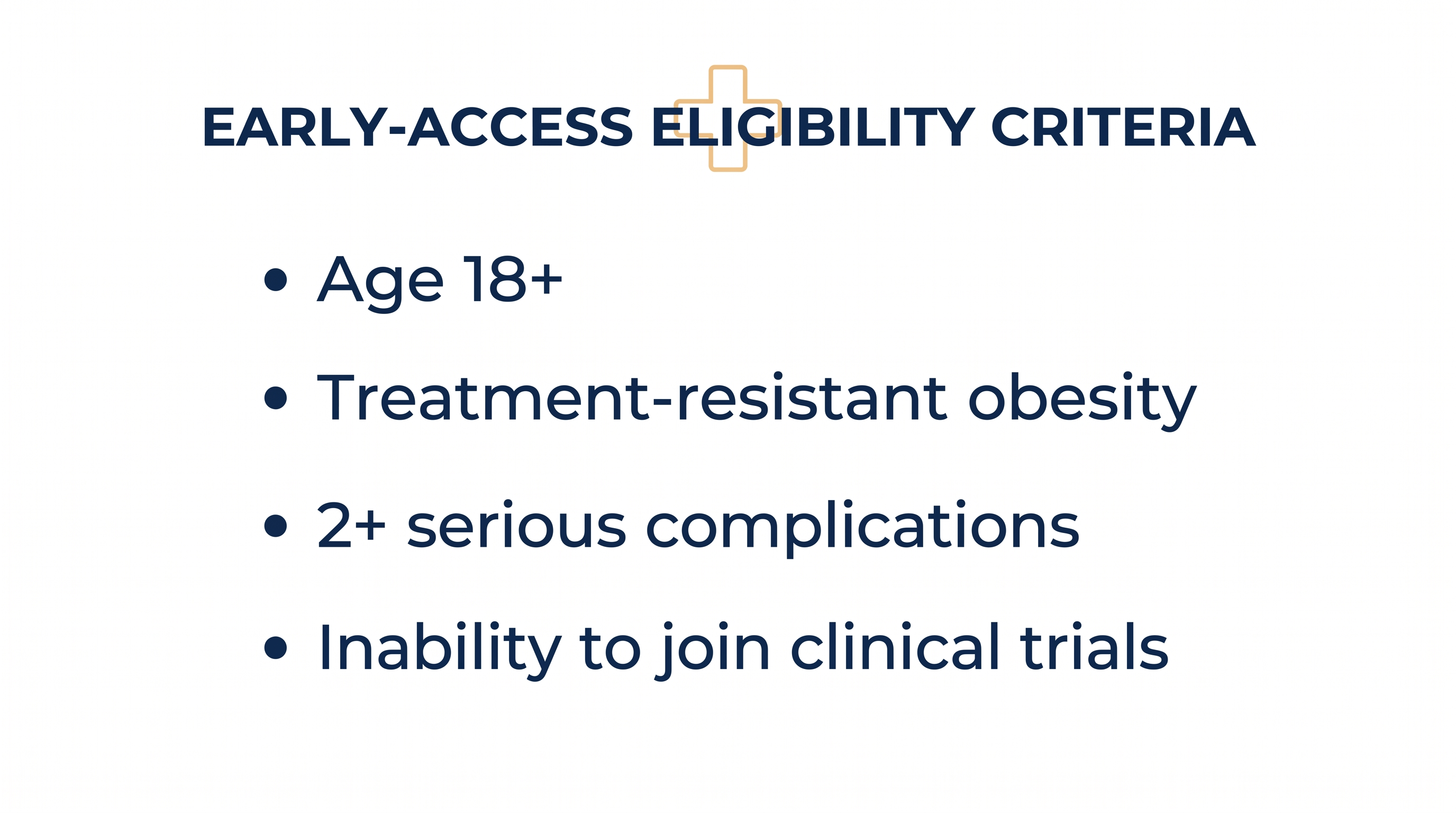
The early-access program, confirmed by Eli Lilly in early August 2026, is strictly limited. It is designed specifically for patients aged 18 or older who have refractory obesity, suffer from at least two serious or life-threatening weight-related complications, and are unable to participate in ongoing clinical trials.[1]
This compassionate-use framework was established after weeks of pressure from the medical community. In April 2026, Lilly granted exclusive access to a 79-year-old patient with severe complications, prompting physicians to advocate for a formalized, equitable pathway for others in similarly critical conditions.[1]
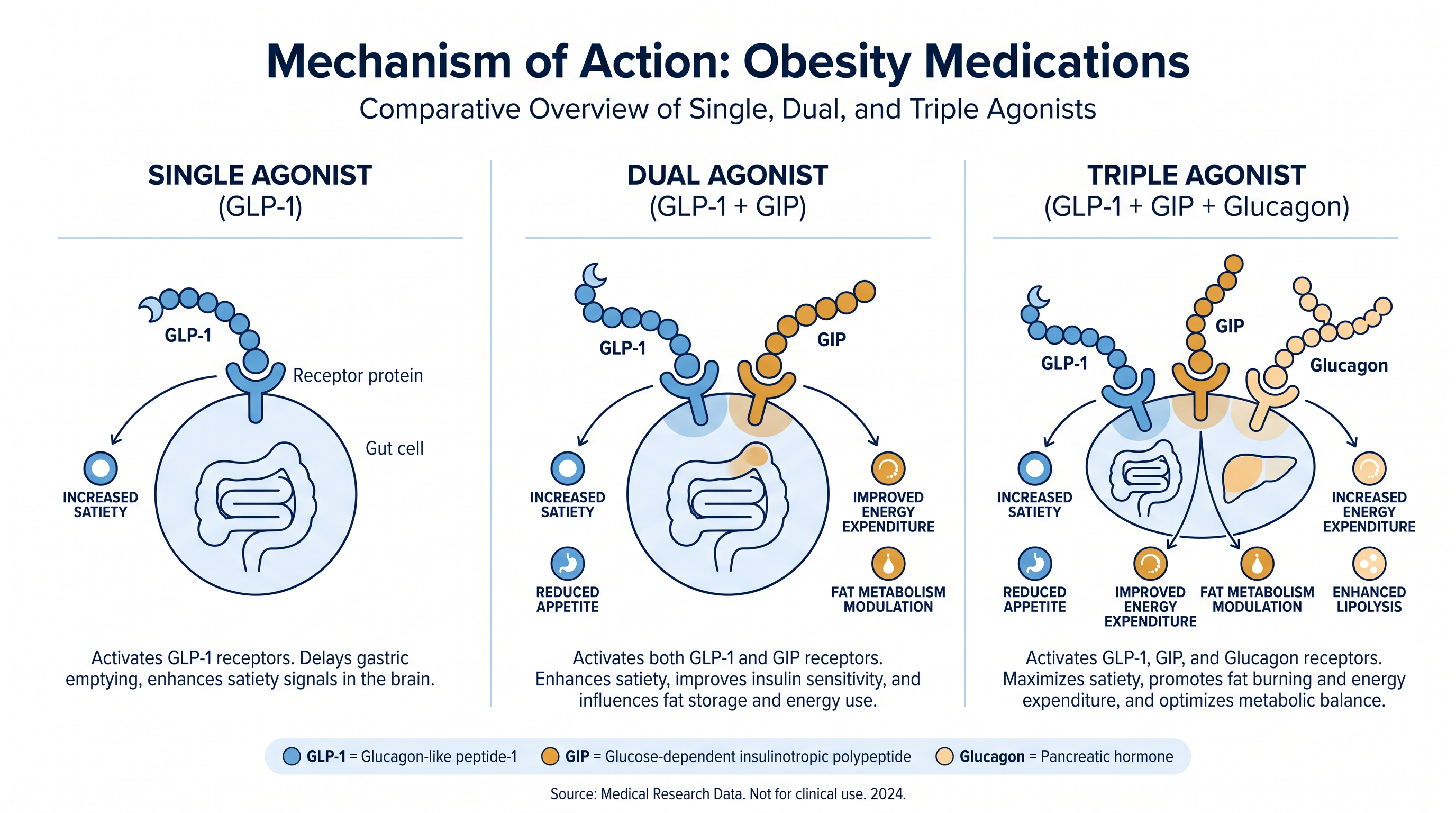
To understand why retatrutide is generating this level of clinical urgency, we have to look at its mechanism. Current blockbuster drugs like Wegovy (semaglutide) operate on a single hormone receptor, GLP-1, which regulates appetite and slows digestion. Zepbound (tirzepatide) adds a second target, GIP, which further improves metabolic response and insulin secretion.[4]
Retatrutide introduces a third mechanism: the glucagon receptor. By activating GLP-1, GIP, and glucagon simultaneously, this "triple agonist" not only reduces appetite and improves insulin sensitivity but directly increases the body's resting energy expenditure. It essentially prompts the body to burn more calories while simultaneously reducing the desire to consume them.[4]
Retatrutide introduces a third mechanism: the glucagon receptor.
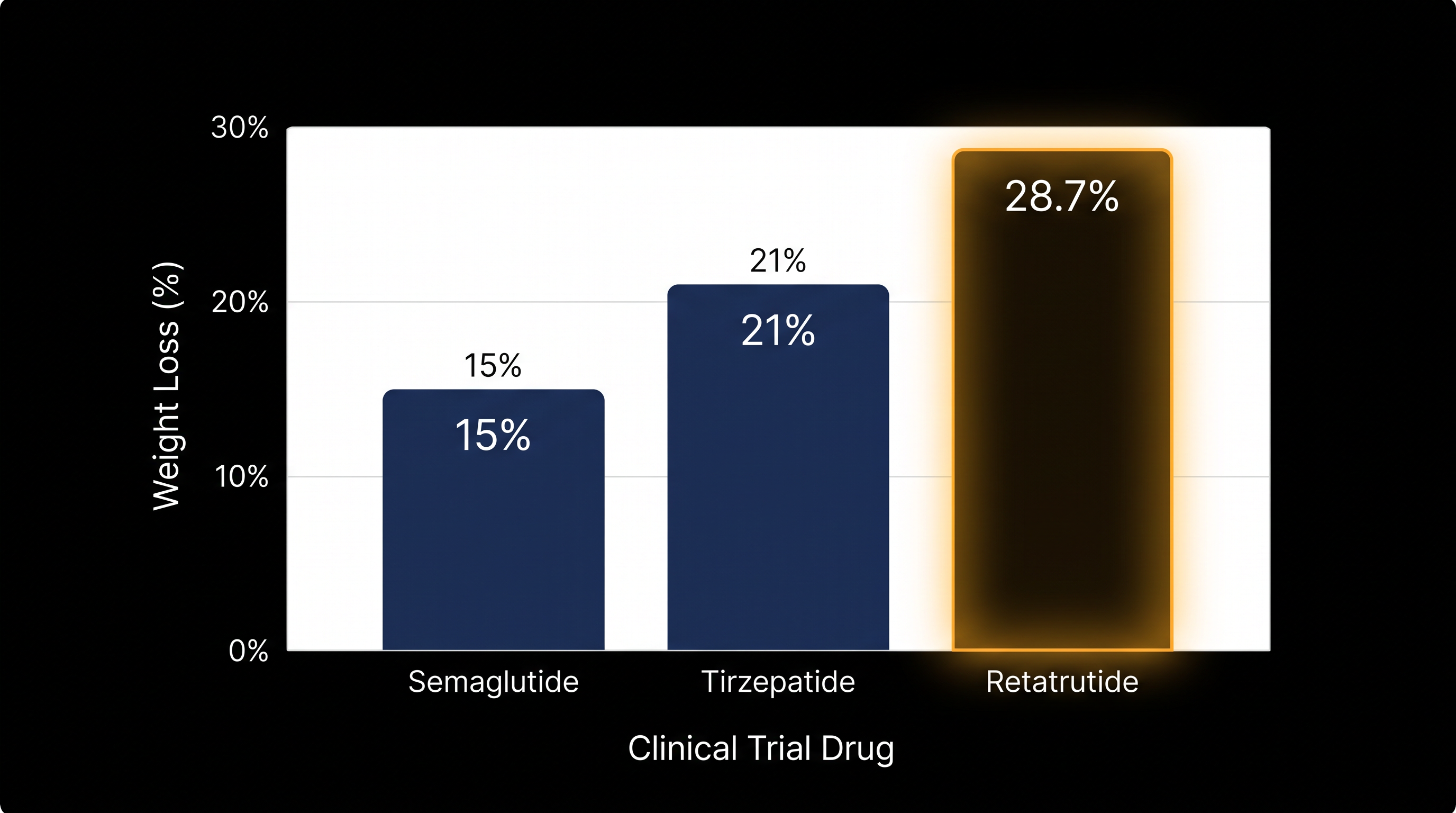
The clinical results of this three-pronged approach were published in the TRIUMPH-4 Phase 3 trial. Over 68 weeks, participants taking the highest dose (12 mg) lost an average of 71.2 pounds, or 28.7% of their baseline body weight. This pushes pharmacological weight loss into a territory that was previously only achievable through invasive bariatric surgery.[2][3]
Beyond the scale, the trial demonstrated profound improvements in related comorbidities. Participants with knee osteoarthritis reported a 75.8% reduction in pain scores, alongside significant drops in cardiovascular risk markers like non-HDL cholesterol and high-sensitivity C-reactive protein.[2][3]
For patients currently taking semaglutide or tirzepatide, the arrival of retatrutide data does not mean their current regimen is obsolete. Clinical practitioners emphasize that weight management is highly individualized. If a patient is successfully losing weight and improving their metabolic markers on a single or dual agonist, there is no medical necessity to escalate to a triple agonist.
However, a subset of patients do not respond adequately to GLP-1 or dual-agonist therapies, or they plateau before reaching a clinically meaningful weight reduction. For this population, the addition of the glucagon receptor mechanism offers a vital new pathway.
The regulatory timeline remains firm despite the early-access program. Eli Lilly executives confirmed during their Q2 2026 earnings call that they plan to submit the Biologics License Application (BLA) for retatrutide in the first quarter of 2027. If the FDA follows a standard 6-to-10-month review cycle, the drug could reach pharmacy shelves by late 2027 or early 2028.[5]
In the interim, the early-access program serves as a critical bridge. It acknowledges that for patients facing immediate, life-threatening complications from severe obesity, waiting 18 months for commercial availability is not a viable option.[1]
The broader takeaway for anyone managing their metabolic health is reassuring: the toolbox is expanding rapidly. We are moving away from a one-size-fits-all approach to obesity treatment and toward a tiered, precision-medicine model where the intensity of the intervention can be matched to the severity of the disease.
Why it matters
For patients with severe, treatment-resistant obesity, retatrutide offers a non-surgical intervention that achieves bariatric-level weight loss. Its early-access availability signals a shift toward precision medicine in metabolic health, where therapies are tiered based on disease severity.
Competing readings
Single Agonist (Semaglutide / Wegovy)
The established baseline therapy targeting the GLP-1 receptor to reduce appetite.
For: Extensive long-term safety data, proven cardiovascular benefits, and broad insurance coverage. Against: Lower total weight reduction (averaging 15%) compared to newer generations, and a higher rate of weight-loss plateaus. Fits well when: A patient is initiating pharmacological weight management for the first time or needs a proven cardiovascular risk-reduction profile. Does not fit when: The patient has severe, refractory obesity requiring >20% weight reduction to resolve acute mechanical comorbidities.
Dual Agonist (Tirzepatide / Zepbound)
The current high-efficacy standard combining GLP-1 and GIP activation.
For: Superior weight loss (averaging 20-22%) compared to single agonists, with robust improvements in metabolic markers and sleep apnea. Against: Higher cost, ongoing supply chain constraints, and potential for more pronounced gastrointestinal side effects during dose escalation. Fits well when: A patient requires significant weight reduction that single agonists cannot achieve, or struggles with persistent metabolic syndrome. Does not fit when: The patient experiences severe nausea on lower-tier incretins or has already achieved their clinical goals on a single agonist.
Triple Agonist (Retatrutide)
The investigational next-generation therapy adding glucagon activation to increase energy expenditure.
For: Unprecedented bariatric-surgery-level weight loss (28.7%), rapid resolution of mechanical joint pain, and efficacy in treatment-resistant patients. Against: Currently unavailable outside of clinical trials or strict early-access programs, with long-term safety data still accumulating. Fits well when: A patient has refractory obesity with life-threatening complications, or has failed to respond to both single and dual agonists. Does not fit when: A patient is managing mild-to-moderate overweight conditions where standard dual or single therapies are highly effective.
What’s still unclear
- The exact out-of-pocket cost and insurance coverage landscape for retatrutide once it reaches the commercial market.
- How the long-term maintenance dosing of a triple agonist will differ from current single and dual agonists.
- Whether the FDA will grant retatrutide a broader label that includes specific cardiovascular or osteoarthritis indications upon initial approval.
Sources
Source coverage
5 outlets
3 viewpoints surfaced





[1]AJMCAggressive Interventionists
Lilly Confirms Early Access Program for Retatrutide
Read on AJMC →[2]Clinical Trials ArenaAggressive Interventionists
Lilly's retatrutide achieves 28.7% weight loss in Phase III
Read on Clinical Trials Arena →[3]Patient Care OnlineStepped-Care Advocates
Retatrutide Achieves Up to 28.7% Weight Loss and Marked Knee Pain Reduction in Phase 3
Read on Patient Care Online →[4]The Peptide CatalogMarket Analysts
TRIUMPH-4 Results: Retatrutide Reaches 28.7% Weight Loss
Read on The Peptide Catalog →[5]AllSciMarket Analysts
Eli Lilly Q2'26: Retatrutide heads toward filing amid BLA dispute
Read on AllSci →
Comments


Every angle. Every day.
Get fitness stories with full source coverage and perspective breakdowns delivered to your inbox.