
Road to Recovery: How Soccer is Rewriting the Injury Narrative in 2026
From the launch of Project ACL in the NWSL to the triumphant returns of sidelined stars in MLS and Europe, advanced medical protocols are helping players get back on the pitch safer and stronger.

The narrative around soccer injuries is shifting from despair to resilience. As the summer of 2026 kicks into gear, a wave of high-profile players are making their way back to the pitch, supported by advanced medical protocols and player-led initiatives.
While international tournaments often dominate the headlines, a quieter but equally vital story is unfolding at club training grounds worldwide: the triumphant return of sidelined stars. From the grueling mid-season schedules of Major League Soccer to the meticulous pre-season preparations of European powerhouses, clubs are welcoming back key personnel who have spent months battling through grueling rehabilitation regimens.[2][3]
The physical and psychological toll of a long-term injury can derail a promising career, but advancements in sports medicine are actively rewriting the script. Medical professionals are increasingly emphasizing that returning to the pitch requires significantly more than just biological healing. The modern approach to rehabilitation treats the athlete as a whole, acknowledging that the trauma of a severe injury lingers in the mind just as stubbornly as it does in the muscle or ligament. This paradigm shift is transforming how clubs manage their most valuable assets.[1]
Dr. Bonnie Gregory, a sports medicine orthopedic surgeon at UTHealth Houston, notes that readiness to return to sport is a highly multifactorial decision. Athletes must meticulously rebuild their foundational strength, restore their full range of motion, and regain the cardiovascular endurance required to perform sport-specific movements at game intensity. It is no longer enough to simply run in a straight line; a player must prove they can absorb the unpredictable, high-velocity impacts of a competitive match without hesitation or mechanical compensation.[1]
Mental readiness is now recognized as being equally critical to physical recovery. Specialists in 2026 frequently utilize diagnostic tools like the ACL-RSI (Return to Sport after Injury) scale to quantitatively measure an athlete's confidence and psychological readiness to step back onto the grass. Clinical research consistently indicates that players who lack implicit trust in their previously injured knee face a significantly higher risk of reinjury. Even after physical recovery is deemed complete, a hesitant player will subconsciously alter their landing mechanics, placing dangerous stress on other joints.[1]
This holistic, evidence-based approach is driving systemic changes across the sport, particularly in women's soccer. In response to the disproportionate and alarming rate of severe knee injuries among female players, FIFPRO and the National Women's Soccer League (NWSL) have officially launched the United States expansion of 'Project ACL.' The initiative represents a landmark collaboration between global player unions, academic researchers, and athletic brands to tackle an issue that has sidelined countless stars at the peak of their careers.
Beginning its comprehensive three-year clinical study in June 2026, the initiative focuses heavily on the multifactorial nature of ACL injuries and the environmental risk factors that have historically remained under-researched. By placing the players' voices and lived experiences at the absolute center of the research model, the project aims to build a robust global evidence base. The ultimate goal is to move beyond mere treatment and develop actionable, preventative strategies that protect female athletes from the ground up.
Former professional players have universally praised the initiative, noting that navigating a long-term recovery can be a profoundly isolating experience. Gaining direct, unfiltered insight from those who are actively living through the rehabilitation process is now viewed as essential to progressing the game. Advocates stress that if the sport fails to listen to its athletes regarding their pain, recovery hurdles, and equipment concerns, it immediately puts itself at a disadvantage in ensuring that players can return to the pitch at their absolute highest potential.
On the men's side, Major League Soccer is currently witnessing several inspiring comebacks as the grueling summer schedule accelerates. New England Revolution forward Jayden Da recently made a seamless and highly anticipated return from a devastating season-ending injury suffered last year. His journey back to the first team required months of grueling, behind-the-scenes work in the physio room, highlighting the immense resilience required to overcome the physical and mental hurdles of a long-term absence in a highly physical league.[2]
Da's perseverance spectacularly paid off when he netted his first goal since returning to competitive action, a cathartic moment he described to the press as a massive sigh of relief. Club management and coaching staff praised his relentless work ethic off the field, pointing out that modern recovery protocols allow players to return without losing their innate competitive edge. His successful reintegration serves as a powerful morale boost for a squad navigating the demanding mid-summer MLS fixture congestion.[2]
Across the North American league, daily injury trackers show a wave of seasoned veterans nearing full fitness just when their teams need them most. Portland Timbers stalwart Diego Chara and Chicago Fire midfielder Fabian Herbers are both slated to return to action in mid-June 2026. The imminent return of these experienced professionals provides crucial mid-season reinforcements for their respective squads, proving that age and severe knocks are no longer the career death sentences they once were in previous eras of the sport.[4][5]
In Europe, the narrative is focused on players pushing through their final, intensive rehabilitation phases ahead of the grueling 2026/27 club pre-seasons. PSV Eindhoven defender Sergino Dest, who suffered a severe upper leg injury earlier in the year, has been working tirelessly with the Dutch club's medical staff to ensure a swift and safe recovery. His targeted return is viewed as a critical component of the team's defensive strategy as they prepare for both domestic and continental campaigns.[3]
Dest recently expressed deep gratitude for the overwhelming support he received from fans and teammates, stating that the encouragement provided vital extra motivation to attack his daily recovery plan. His vocal optimism reflects a broader, highly encouraging trend among elite players who, backed by 2026's advanced regenerative therapies and highly personalized care regimens, are returning to the pitch faster, stronger, and more mentally resilient than ever before. The days of players fading into obscurity following a major tear are rapidly being replaced by highly publicized, triumphant returns.[3]
The broader landscape of sports recovery in 2026 is increasingly defined by personalized, non-opioid pathways that prioritize long-term joint health. Regenerative therapies, such as advanced Platelet-Rich Plasma (PRP) injections and stem cell treatments, are now routinely utilized to accelerate natural tissue healing.
Furthermore, the introduction of biological scaffolds and enhanced surgical suture tapes offer vastly improved structural outcomes for reconstructed ligaments, drastically reducing the dreaded re-injury rates that plagued previous generations of footballers. These medical breakthroughs ensure that the repaired tissue can withstand the immense torque generated by modern, high-traction football boots.
At-home recovery tools have also evolved at a blistering pace, democratizing access to elite-level care. Athletes now routinely rely on targeted hydrotherapy systems, app-monitored rehabilitation routines, and advanced thermal compression sleeves to manage daily swelling and boost localized circulation.
These highly accessible, tech-driven tools effectively bridge the crucial gap between the club's state-of-the-art physio room and the player's living room, ensuring that the healing process continues uninterrupted around the clock. By empowering players to take active control of their daily pain management, clubs are seeing higher compliance rates with prescribed physical therapy exercises.
Despite all these remarkable medical and technological advancements, prevention remains the ultimate holy grail for the global soccer community. While sports scientists acknowledge that no program can completely eliminate the inherent risk of contact injuries in a collision-heavy sport, structured neuromuscular training programs like the FIFA 11+ protocol are now heavily implemented across global leagues from the youth academies up to the senior professional ranks. These dynamic warm-up routines are specifically designed to correct dangerous biomechanical flaws before they result in a catastrophic tear.[1]
Despite all these remarkable medical and technological advancements, prevention remains the ultimate holy grail for the global soccer community.
These preventative programs focus intensely on balance exercises, core strength stabilization, and improving the rapid communication between the brain and the lower-extremity joints. By meticulously training athletes to react more efficiently and safely during high-velocity cutting, pivoting, and landing maneuvers, clubs are actively working to keep their returning stars off the medical report for good. The ultimate victory in 2026 isn't just a successful surgery—it's ensuring the player never has to see the operating table again, allowing them to enjoy a long, uninterrupted career playing the beautiful game.[1]
Key points
- Advanced medical protocols and psychological readiness scales are improving return-to-play outcomes for injured soccer players.
- FIFPRO and the NWSL have launched a three-year study to address the high rate of ACL injuries in women's football.
- MLS players like Jayden Da and Diego Chara are making successful mid-season returns to competitive action.
- Regenerative therapies and at-home tech tools are significantly accelerating the healing process for elite athletes in 2026.
How we got here
January 2026
Several high-profile players suffer mid-season injuries, beginning long rehabilitation journeys.
April 2026
FIFPRO and the NWSL officially launch the U.S. expansion of Project ACL in New York.
May 2026
Players like Jayden Da make their first competitive appearances after months of recovery.
June 2026
Project ACL begins its three-year clinical study, while European stars target pre-season returns.
- Sports Medical Professionals
- Focus on the biomechanics of injury prevention, psychological readiness, and advanced recovery timelines.
- Player Advocacy Groups
- Prioritize giving athletes a voice in their recovery protocols and addressing systemic risks like the high rate of ACL tears in women's soccer.
- Club Management & Analysts
- Monitor return timelines closely to integrate players back into competitive action without risking re-injury.
Perspectives this story doesn't cover
- Football Boot Manufacturers
- Grassroots and Youth Academy Coaches
Sources
Source coverage
5 outlets
3 viewpoints surfaced





- [1]UTHealth HoustonSports Medical Professionals
ACL Injuries in Soccer | McGovern Medical School
Read on UTHealth Houston → - [2]New England RevolutionClub Management & Analysts
Da makes seamless return after season-ending injury
Read on New England Revolution → - [3]beIN SPORTSClub Management & Analysts
United States defender Dest confident of returning from injury
Read on beIN SPORTS → - [4]SquawkaClub Management & Analysts
MLS Injuries and Suspensions: Daily Tracker
Read on Squawka → - [5]BeSoccerClub Management & Analysts
Portland Timbers injury list and suspended players
Read on BeSoccer →
More in Sports
See all →Standings
MLS Playoff Bubble Boils Over: Three-Way Tie in the East as Decision Day Looms
3 sources

UEFA Nations League
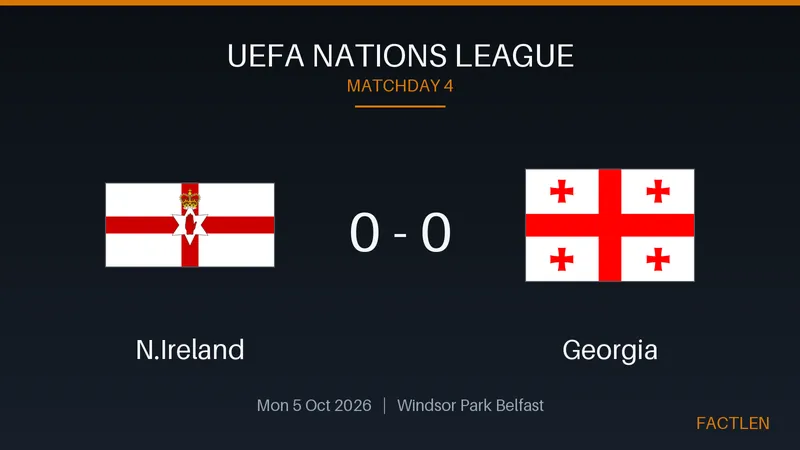
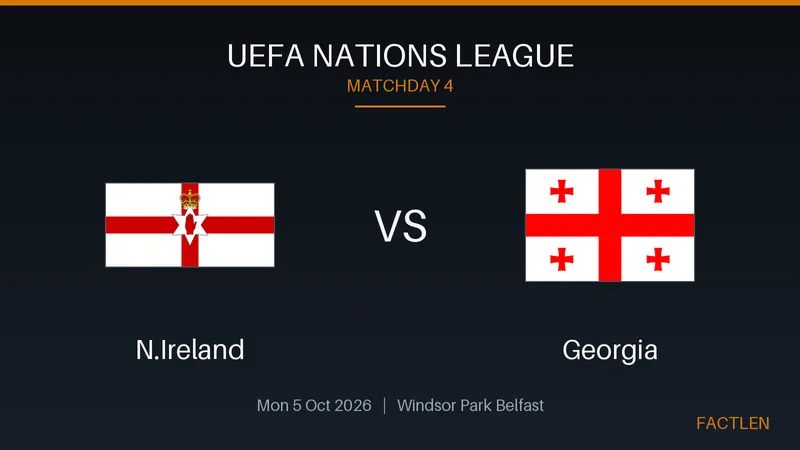
Northern Ireland Chases Nations League Promotion Against Struggling Georgia
6 sources
UEFA Nations League
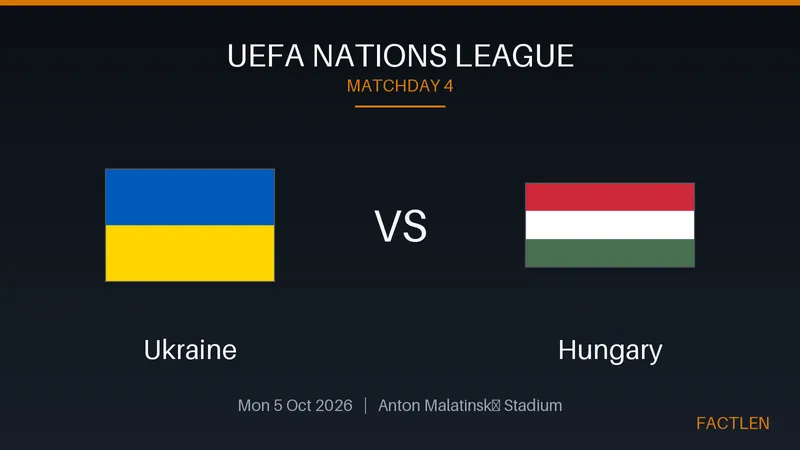
Ukraine and Hungary Face Defining Nations League Clash in Trnava
6 sources
UEFA Nations League
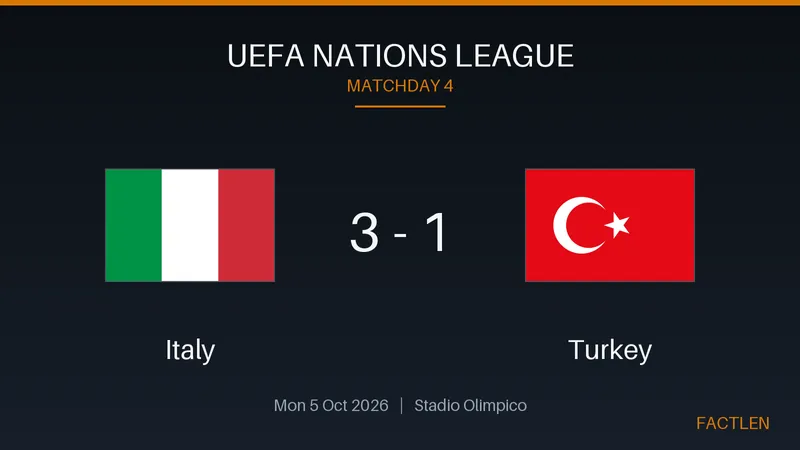
Italy Overcomes Turkey 3-1 to Secure Second Place in Nations League Group A1
4 sources
Comments
Every angle. Every day.
Get Sports stories with full source coverage and perspective breakdowns, free every day.