
Mid-Year Weightlifting Standings: The Pound-for-Pound Race Heats Up Ahead of the Fall Majors
Colombia's Yeison Lopez and the USA's Olivia Reeves top the mid-year global Sinclair standings as athletes prepare for a grueling fall championship season.
By Meera Iyer
- Pound-for-Pound Purists
- Argue that Sinclair coefficient rankings are the truest measure of a weightlifter's dominance, regardless of their absolute weight class.
- Federation Strategists
- Focus on absolute totals and the tactical game of qualifying athletes for specific weight classes to maximize medal counts.
- Regional Analysts
- Emphasize the geopolitical shift in the sport, noting the rise of North Korea and South American nations disrupting traditional powerhouses.
Perspectives this story doesn't cover
- Athletes struggling with weight cuts
- European federations losing ground
The short answer
- Colombia's Yeison Lopez is the current #1 pound-for-pound male weightlifter globally.
- USA's Olivia Reeves continues to dominate the top of the women's global standings.
- North Korea has surged into the men's top 10 with highly specialized lightweight lifters.
- The new 16-category weight class system has pushed several veterans out of the top rankings.
- Federations are using these mid-year standings to finalize rosters for the Ningbo World Championships.
The spring continental championships and the IWF World Cup in Samoa have officially concluded, bringing a brief pause to the international weightlifting calendar. With the chalk dust settled, the mid-year global standings have crystallized, revealing a shifting balance of power in the sport. [2][5] As athletes pivot their training blocks toward the grueling fall championship season, the race for the number one spot has never been more mathematically competitive. [6][2]
The stakes for the second half of 2026 are immense. The sport is entering a four-month gauntlet that includes the Glasgow Commonwealth Games in July, the Aichi-Nagoya Asian Games in September, and the pinnacle event: the IWF World Championships in Ningbo, China, this October. [2][3] For national federations, these mid-year standings are not just bragging rights; they are the definitive metrics used to finalize A-team rosters and allocate high-performance funding. [4][1]
In the men's division, the undisputed pound-for-pound king of 2026 is Colombia’s Yeison Lopez. Competing in the newly minted 88-kilogram class, Lopez has posted numbers that defy the standard physics of the middleweight divisions. [1] According to the latest Sinclair coefficient rankings—which mathematically adjust a lifter's total against their body weight—Lopez sits comfortably at the number one spot globally. [1][6][2]
Lopez's dominance is anchored by a staggering 397-kilogram total achieved earlier this year. He snatched 181 kilograms and followed it with a 216-kilogram clean and jerk, breaking world records in the process. [1] To contextualize that achievement, Lopez's total is higher than what several super-heavyweight competitors were lifting just a year ago, making his Sinclair score the highest recorded in the current Olympic cycle. [1][6][2]
Chasing Lopez is a surging men's roster from North Korea, which has systematically taken over the top ten global standings. [1] Ri Won ju, competing at 71 kilograms, currently holds the number two spot in the world pound-for-pound rankings, showcasing flawless technique and immense pulling power. [1] The North Korean strategy of fielding highly specialized athletes in the lighter weight classes has paid massive dividends under the new category system. [6][2]
Chasing Lopez is a surging men's roster from North Korea, which has systematically taken over the top ten global standings.
The most startling performance from the North Korean camp belongs to 60-kilogram lifter Pang Un chol. Sitting comfortably in the top ten, Pang recently executed a 174-kilogram clean and jerk. [1] Lifting nearly three times his own body weight, Pang's performance rivals the historic numbers posted by American lightweight standout Hampton Morris, signaling that the battle for the lightweight crown in Ningbo will be fiercely contested. [1][6][2]
On the women's side, the United States continues to project immense power through Olivia Reeves. [1] Reeves has maintained her position at the top of the global standings, consistently posting totals that leave her international rivals scrambling to close the gap. [1][4] Her sustained excellence has made her the definitive target for the rest of the world heading into the fall majors. [6][2]
However, the Chinese women's team is mobilizing a formidable response. Li Yan, competing in the +86-kilogram super-heavyweight division, and Zhao Jinlan, a powerhouse at 53 kilograms, are both surging up the mid-year rankings. [1] With the World Championships taking place on their home soil in Ningbo, the Chinese federation has strategically paced their athletes to peak in October, setting the stage for a dramatic showdown against the American and North Korean rosters. [3][6][1][2]
The current standings also reflect the brutal reality of the International Weightlifting Federation's transition to 16 new official weight classes, which took effect in June 2025. [3] This reshuffle eliminated several legacy categories, forcing athletes to either cut drastic amounts of weight or bulk up to face naturally larger competitors. [6] The resulting "groups of death" in the middleweight divisions have upended traditional hierarchies. [3][6][1][2]
Consequently, several veteran lifters who dominated the previous Olympic cycle are noticeably absent from the top ten. [1] Athletes who could not comfortably adapt to the new class boundaries are finding themselves outpaced by a younger generation of lifters who have built their entire physiological profiles around the new weight limits. [6] The standings reward absolute specialization, and those caught between classes are slipping down the leaderboards. [4][6][2]
For the athletes currently holding top-tier rankings, the next few months require a delicate balancing act. Peaking too early in the summer could leave them vulnerable to injury or fatigue by the time they reach the platform in Ningbo. [4] Coaches are meticulously managing training volumes, using velocity-based tracking and biomechanical analysis to ensure their lifters maintain their world-leading strength without burning out. [6][2]
As the weightlifting world turns its attention to Glasgow, Aichi-Nagoya, and ultimately Ningbo, the mid-year standings have drawn the battle lines. [2][3] Colombia has the pound-for-pound king, the United States holds the women's gold standard, and North Korea and China are fielding armies of record-breakers. [1] The race for the 2026 world titles is officially underway, and the margins for error have never been slimmer. [6][1][2]
- 397 kg
- Yeison Lopez's world-leading total at 88kg
- 174 kg
- Pang Un chol's C&J at 60kg bodyweight
- 16
- New official IWF weight classes
The sequence
June 2025
The IWF officially implements the new 16-category weight class system.
April 2026
The Asian Weightlifting Championships and IWF World Cup conclude, finalizing spring rankings.
July 2026
The Commonwealth Games kick off in Glasgow, Scotland.
September 2026
The Asian Games commence in Aichi-Nagoya, Japan.
October 2026
The IWF World Championships begin in Ningbo, China.
Sources
Source coverage
2 outlets
3 viewpoints surfaced


- [1]Olympics.comRegional Analysts
Asian Weightlifting Championships 2026 and Qualification Updates
Read on Olympics.com → - [2]Factlen Editorial TeamPound-for-Pound Purists
Synthesis by Factlen editorial team
Read on Factlen Editorial Team →
Comments

More in Sports
See all →Football Finance
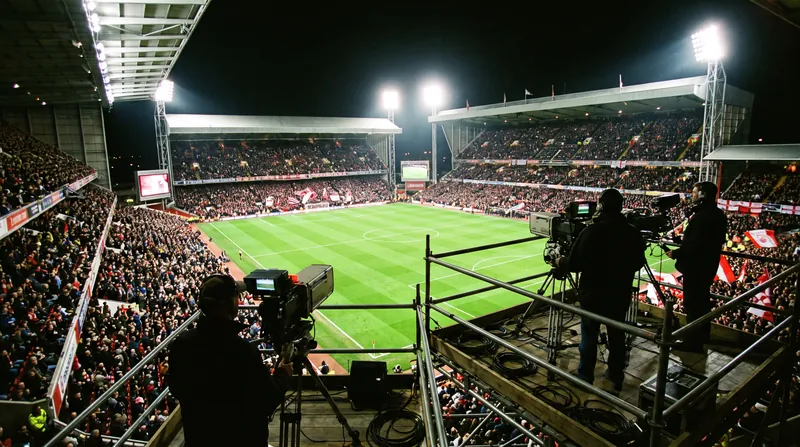
How the Premier League's Broadcast Revenue Algorithm Distributes £2.8 Billion Annually
5 sources
Managerial Shift
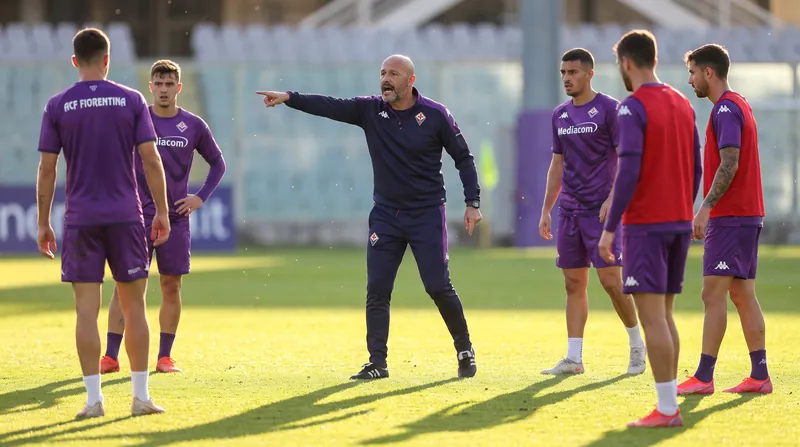
Fiorentina Re-Hire Paolo Vanoli as Head Coach After Sacking Fabio Grosso Three Matches Into Season
6 sources
Revenue Distribution
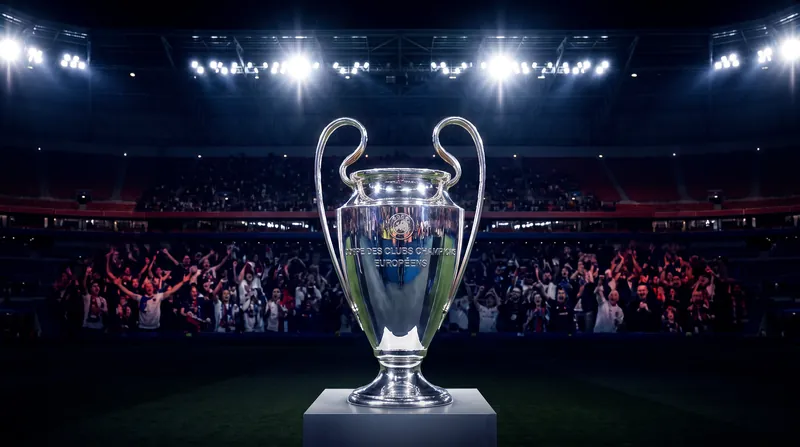
The €853 Million 'Value Pillar': How UEFA's New Champions League Revenue Engine Actually Works
7 sources
Mount Mizhirgi
Avalanche Kills 11 Climbers and Leaves Six Missing on Russia's Mount Mizhirgi
6 sources

Every angle. Every day.
Get Sports stories with full source coverage and perspective breakdowns delivered to your inbox.