
Interior Secretary Mandates End to Timed Entry Reservations at Yosemite, Glacier, and Arches
The Department of the Interior has eliminated seasonal timed-entry reservations at three major national parks for the 2026 summer season. The move prioritizes spontaneous public access but raises concerns about severe trailhead congestion and temporary gate closures.

- Access Advocates
- Argue that public lands should be freely available without digital barriers or lotteries.
- Conservationists
- Believe that capping daily visitation is essential to protect fragile ecosystems and ensure a safe visitor experience.
- Gateway Communities
- Focus on the economic impact of park management, favoring policies that maximize visitor throughput to local businesses.
The short answer
- The Interior Department has mandated the end of timed-entry reservations at Yosemite, Glacier, and Arches for 2026.
- Officials cite the need to keep public lands open and accessible to all Americans without digital barriers.
- Conservationists warn the policy will return parks to pre-2021 levels of severe traffic and trailhead overcrowding.
- Parks will now rely on real-time traffic management, temporarily closing gates when parking lots reach capacity.
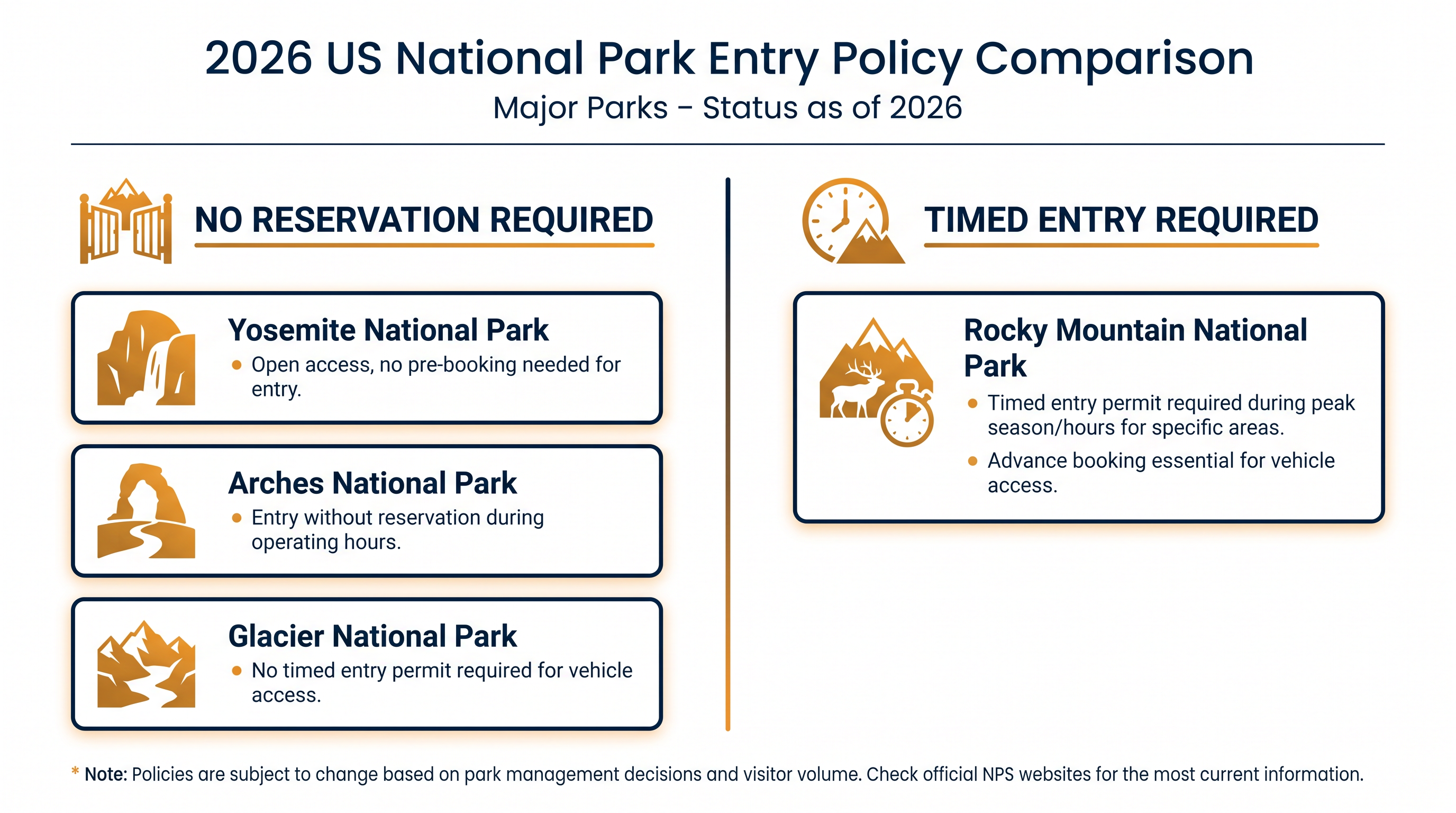
- Rocky Mountain National Park is the notable exception, retaining its timed-entry system for the peak summer season.
The fundamental disagreement between maximizing public access and preserving the wilderness experience has reached a breaking point. For the past few years, hikers planning a summer trip to America's most iconic landscapes faced a digital hurdle: the timed-entry reservation. Designed to curb pandemic-era crowding, the system forced visitors to log on months in advance to secure a narrow window for entry.[2][5]
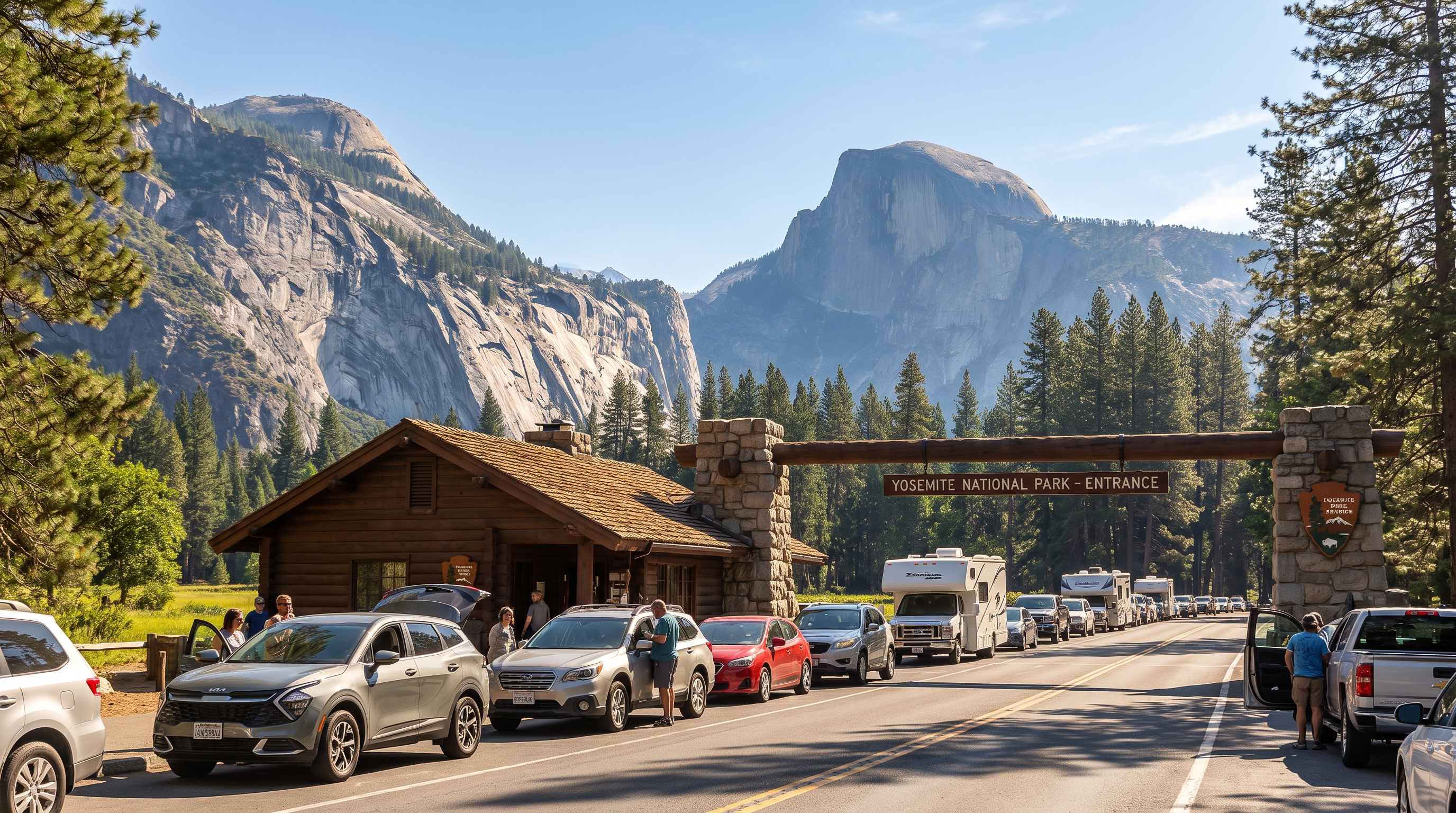
Starting this summer, that barrier is officially gone. The Department of the Interior has mandated the end of seasonal timed-entry systems at Yosemite, Glacier, and Arches National Parks for the 2026 season. The sweeping policy change represents a major shift in how the federal government manages its most popular outdoor spaces, prioritizing unrestricted entry over capped daily attendance.[1]
The rationale behind the reversal centers on the principle of public ownership. Acting Assistant Secretary for Fish, Wildlife and Parks Kevin Lilly stated that the parks belong to the American people, and the agency's primary goal is keeping them open and accessible. The move is designed to restore spontaneous travel, allowing hikers to decide on a Friday evening to tackle Yosemite's Mist Trail or Arches' Delicate Arch without having secured a lottery ticket.[3]
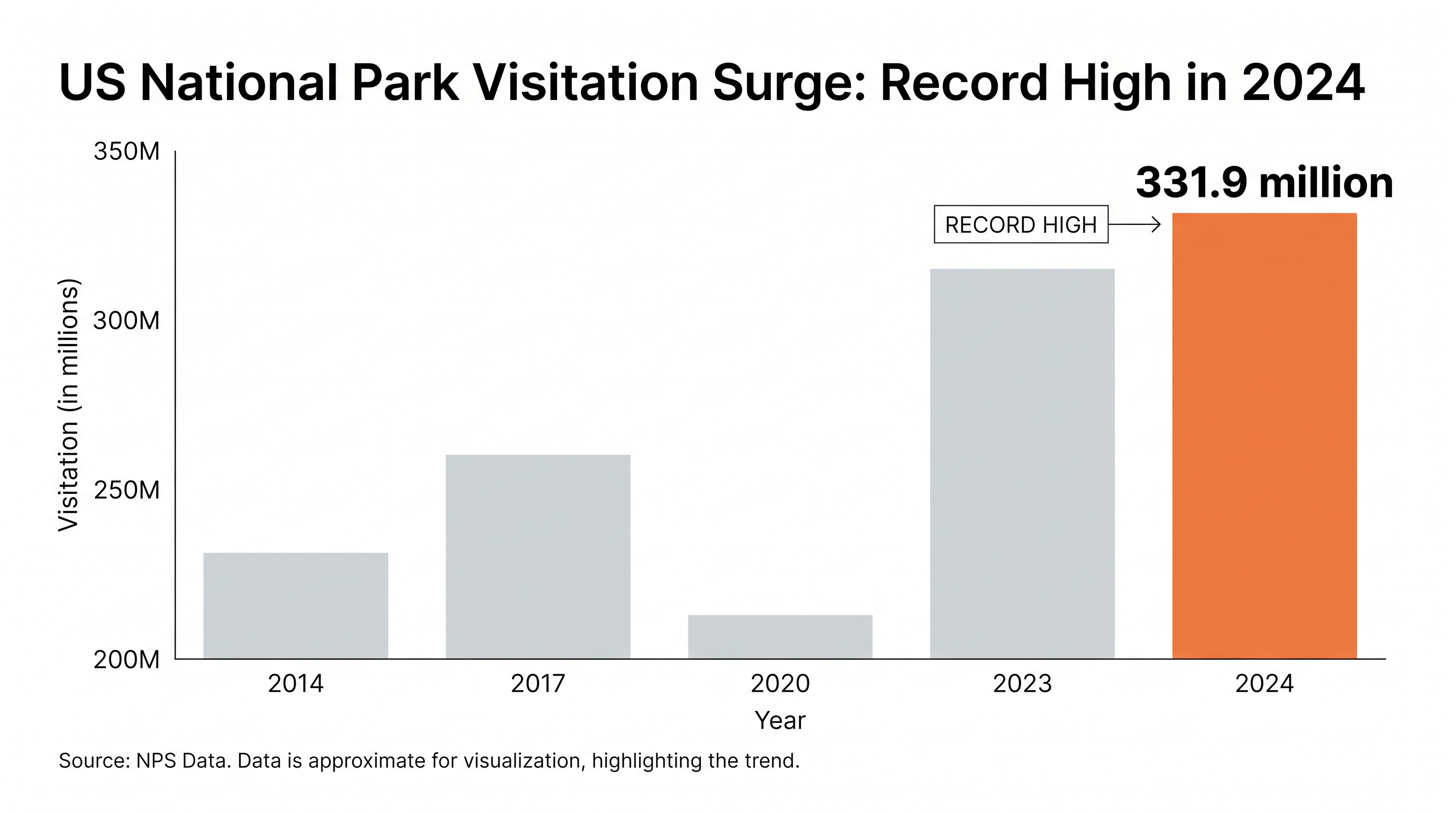
However, conservation groups and some park staff warn that this approach ignores the reality of modern visitation, which hit a record 331.9 million across the system in 2024. The National Parks Conservation Association argues the reversal will lead to gridlocked traffic, overflowing trailhead parking, and degraded natural resources.[4][5][6]
The National Parks Conservation Association argues the reversal will lead to gridlocked traffic, overflowing trailhead parking, and degraded natural resources.
This is a terrible decision—they are willfully ignoring the consequences to the wildlife and the landscape, noted Beth Pratt, a prominent conservation leader in the Sierra Nevada. Critics point out that before the reservation systems were implemented, parks regularly saw two-hour waits at entrance gates and unsafe conditions on popular hiking routes.[1][3][5]
For hikers and fitness enthusiasts, this policy shift fundamentally changes the strategy for a successful park visit. Without reservations to cap daily numbers, parks will rely entirely on real-time traffic management. When parking lots fill up, rangers will implement temporary closures, physically turning vehicles away at the gates until space clears inside the park.[4]
This means the burden of planning shifts from the digital realm to the physical one. Instead of fighting for a reservation online, hikers must now beat the crowds on the ground. Arriving before sunrise or after 4:00 p.m. is no longer just a suggestion for good photography or avoiding the midday heat—it is a logistical necessity to ensure you can actually access the trailheads.[4]
Not every park is adopting the open-access model. While Glacier is dropping its park-wide vehicle reservation system, it will pilot a ticketed shuttle system for the popular Going-to-the-Sun Road to manage access to Logan Pass, offering an alternative to driving. Meanwhile, Rocky Mountain National Park will retain its timed-entry system from late May through mid-October, serving as a real-time control group for the two different management philosophies this summer.[2][4]
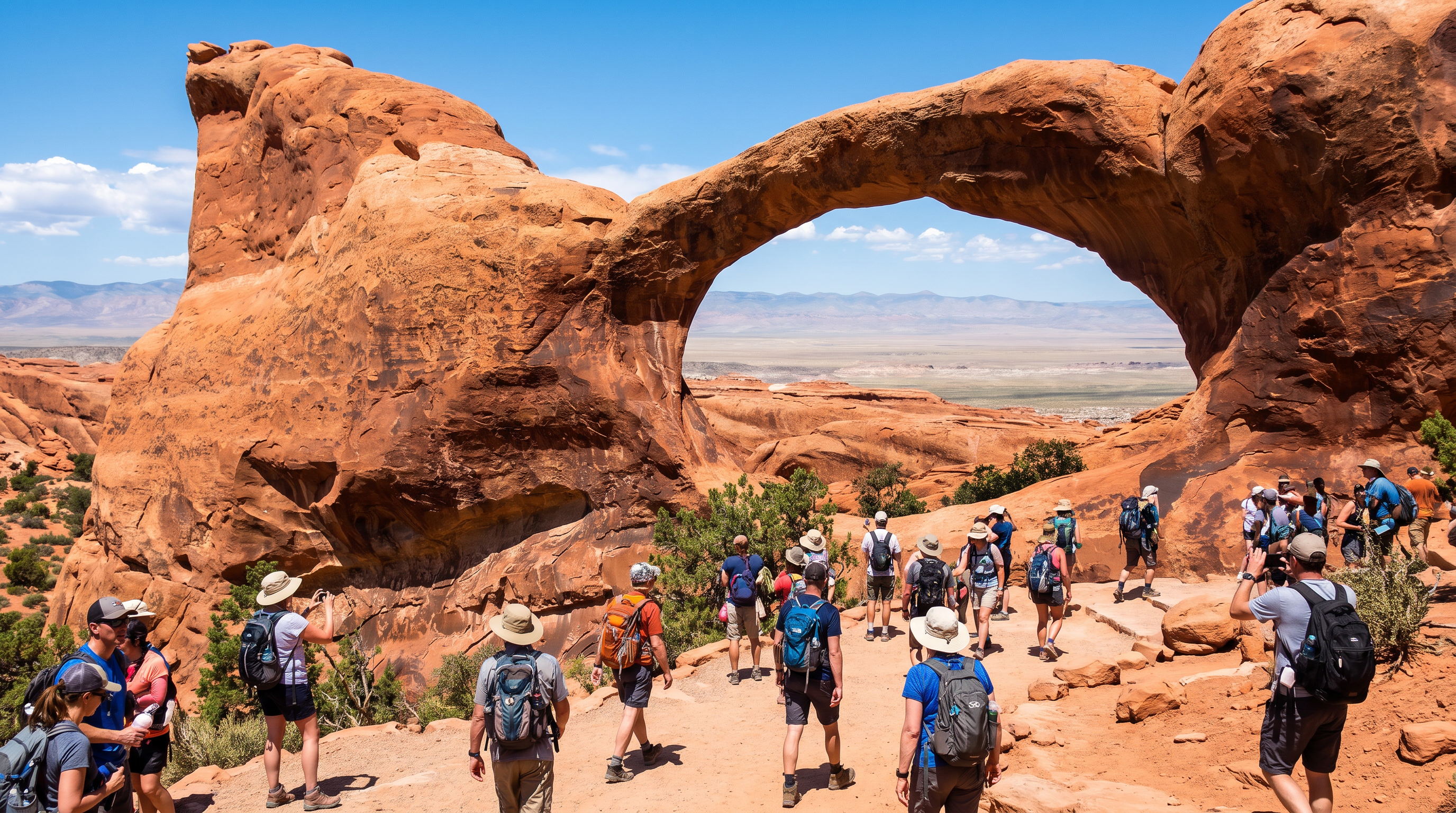
Ultimately, the 2026 season will test whether America's most famous natural gyms can handle unrestricted demand. For those looking to log miles on iconic trails, the advice is clear: embrace the early alarm clock, pack plenty of patience, and always have a backup hike in mind just outside the park boundaries in case the gates are temporarily closed.[1][3]
Why it matters
For hikers and outdoor enthusiasts, the removal of timed-entry reservations means spontaneous trips to America's most iconic parks are possible again this summer, but it also requires new strategies to avoid severe trailhead congestion.
Competing readings
Open Access (The 2026 Policy)
Eliminating reservations to prioritize spontaneous, unrestricted public entry to national parks.
**For:** Maximizes spontaneity and ensures taxpayers are not locked out of public lands due to digital lotteries or technical barriers. **Against:** Risks severe vehicle congestion, trailhead overcrowding, and temporary gate closures when physical capacity is reached. **Evidence:** Proponents point to the fundamental mandate that public lands belong to the people; critics note that prior to reservations, Yosemite saw two-hour waits at entrance gates, and Arches frequently closed its gates by 9:00 a.m. due to full lots. **Fits well when:** Visitors are flexible, arrive before sunrise or after 4:00 p.m., or visit during shoulder seasons. **Does not fit when:** Travelers have rigid itineraries during peak summer weekends and cannot risk being turned away at the gate.
Managed Access (The Timed-Entry System)
Capping daily vehicle numbers through advance digital reservations to protect park infrastructure and visitor experience.
**For:** Guarantees entry for ticket holders, eliminates entrance gate traffic jams, and protects fragile trail ecosystems from trampling. **Against:** Requires rigid advance planning, often shuts out local residents or spontaneous travelers, and relies on a highly competitive online booking system. **Evidence:** The National Parks Conservation Association notes that timed entry successfully reduced peak congestion, while opponents argue it artificially suppressed visitation and hurt gateway community tourism. **Fits well when:** Hikers are planning major trips months in advance and prioritize a quieter, more predictable trail experience. **Does not fit when:** Weather conditions change suddenly, or visitors prefer to make last-minute weekend hiking plans based on local conditions.
What’s still unclear
- How frequently parks will have to implement temporary gate closures during peak summer weekends.
- Whether the increased physical congestion will lead to long-term changes in trail maintenance funding.
- If Glacier's pilot ticketed shuttle system will effectively offset the removal of its vehicle reservation requirement.
Sources
Source coverage
6 outlets
3 viewpoints surfaced





[1]LA TimesAccess Advocates
National parks staff and advocates fear summer shortages as timed-entry ends
Read on LA Times →[2]Outside OnlineAccess Advocates
Yosemite, Glacier, and Arches Are Ditching Timed-Entry Reservations
Read on Outside Online →[3]SFGateConservationists
Yosemite, other busy national parks to drop reservation systems in 2026
Read on SFGate →[4]National Parks TravelerConservationists
Interior Department Eliminates Summer Reservations For Yosemite, Glacier, Arches
Read on National Parks Traveler →[5]NPCAConservationists
Interior Department Cancels Successful Reservation Systems at Yosemite and Arches
Read on NPCA →[6]Islands
Major National Parks Drop Timed-Entry Reservations for Summer 2026
Read on Islands →
Comments


Every angle. Every day.
Get fitness stories with full source coverage and perspective breakdowns delivered to your inbox.