
How Virtual Credit Cards Are Killing Online Fraud and Subscription Traps
Tokenized "burner" cards have moved from niche tech to mainstream banking, giving consumers the power to instantly block hidden fees and secure their online purchases.
By Factlen Editorial Team
- Consumer Protection Advocates
- Focus on empowering users against deceptive billing and data broker profiling.
- Financial Institutions & Networks
- Focus on reducing systemic fraud losses and maintaining payment network integrity.
- Privacy & Security Analysts
- Emphasize compartmentalization while warning against the illusion of total anonymity.
What's not represented
- · Subscription-based merchants who face higher decline rates and lost revenue due to virtual card limits.
- · Traditional physical wallet manufacturers and legacy plastic card printers.
Why this matters
By using disposable virtual card numbers for online shopping and free trials, you can permanently protect your primary bank account from data breaches and automatically cut off hard-to-cancel subscriptions.
Key points
- Virtual credit cards generate unique, disposable numbers for online purchases.
- Tokenization ensures merchants never see your actual bank account details.
- Setting spend limits on virtual cards automatically blocks unwanted subscription renewals.
- If a merchant suffers a data breach, the stolen virtual card token is useless to hackers.
- Virtual cards provide compartmentalization, but not total anonymity from banks.
Online shopping has never been more convenient, but the digital economy has a costly dark side. According to the Federal Reserve’s latest Survey of Household Economics and Decisionmaking, 21% of American adults experienced financial fraud or scams in a single year, contributing to tens of billions of dollars in losses.[5]
Beyond outright theft, consumers are increasingly ensnared by "subscription traps"—free trials that automatically convert into expensive monthly charges, often guarded by labyrinthine cancellation processes. The Consumer Financial Protection Bureau (CFPB) has repeatedly warned against these "dark patterns," noting that companies often make it unreasonably difficult for consumers to stop recurring payments.[2]
But a powerful defensive tool has quietly moved from niche financial technology to mainstream banking: the virtual credit card (VCC). By allowing users to generate temporary, disposable payment details on demand, virtual cards are shifting the balance of power back to the consumer, effectively neutralizing both data breaches and predatory billing.[1]
To understand why virtual cards are so effective, it helps to understand the vulnerability of traditional plastic. A standard credit card is static; its 16-digit Primary Account Number (PAN), expiration date, and security code never change. If a hacker breaches a merchant's database and steals that static information, your entire account is compromised.[4]
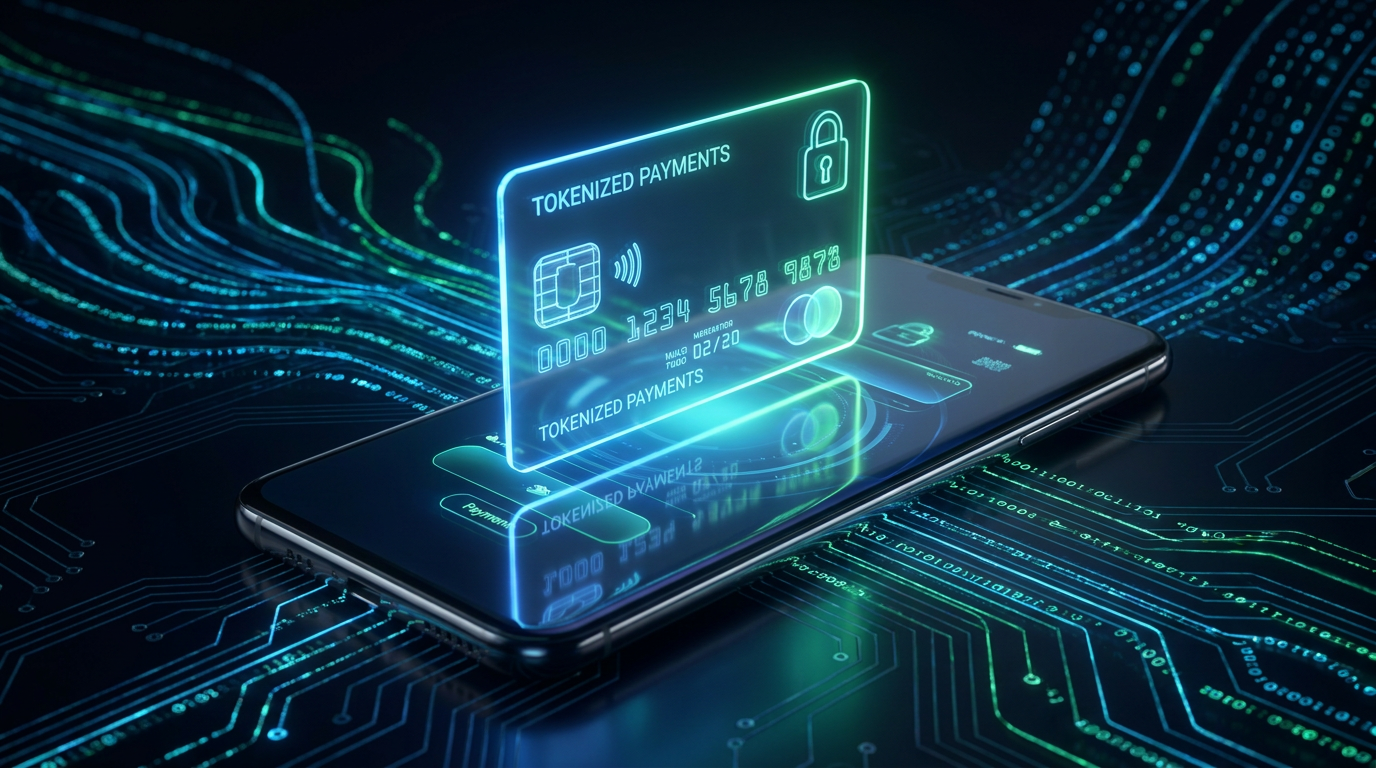
Virtual credit cards solve this through a process called tokenization. When you request a virtual card through your bank's app or a specialized fintech platform, the system generates a unique, randomly assigned 16-digit number, complete with its own CVV and expiration date.[6]

You enter this digital token at checkout just as you would a normal card. The merchant processes the payment, but they never see your actual bank details. Instead, the payment network maps the token back to your real account in a highly secure, encrypted vault.[3]
The security implications of this mechanism are profound. If an online retailer suffers a massive data breach, the hackers only walk away with a disposable token. Because that specific virtual card number cannot be used anywhere else—and can be instantly deleted by the user with a single tap—the breach fallout is contained entirely.[4]
The Federal Reserve has actively encouraged the adoption of tokenization to combat the rising tide of e-commerce fraud. Research indicates that replacing static account numbers with indecipherable tokens removes the primary incentive for cybercriminals to target merchant databases, as the stolen data is effectively useless outside of its original context.[3]

The Federal Reserve has actively encouraged the adoption of tokenization to combat the rising tide of e-commerce fraud.
Beyond fraud prevention, virtual cards offer unprecedented control over personal cash flow, particularly when dealing with subscriptions. Many virtual card platforms allow users to set strict, customizable parameters for each digital card they generate.[6]
For example, if you want to sign up for a 14-day free trial of a streaming service, you can generate a virtual card specifically for that merchant and set its spending limit to $1. When the trial ends and the company attempts to charge your account for a $15 monthly subscription, the transaction will simply be declined.[1]
This capability directly addresses the "negative option" billing tactics that the CFPB has aggressively targeted. When companies rely on consumers forgetting to cancel, or intentionally hide the cancellation button, a virtual card acts as an automated financial firewall.[2]
Users can also create dedicated virtual cards for specific categories of spending. You might have one virtual card locked exclusively to your utility provider, another for your favorite online clothing retailer, and a third for a digital subscription.[7]
This strategy, known as compartmentalization, ensures that a billing error or security compromise at one company does not cascade into your broader financial life. If a vendor attempts an unauthorized charge, you simply delete their specific virtual card without needing to replace your physical plastic or update your payment details across a dozen other websites.[7]

While the benefits are clear, there are still limitations to the technology. Privacy and security analysts note that while virtual cards protect your data from merchants and hackers, they do not provide total anonymity. Due to strict "Know Your Customer" (KYC) and anti-money laundering regulations, virtual cards remain tied to your verified identity at the banking level.[7]
Additionally, using a virtual card can occasionally complicate returns. If you purchase a physical item online using a disposable card number and later attempt to return it in-store, the merchant's point-of-sale system may ask you to insert the original card used for the purchase.[4]
Because the virtual card number does not match your physical plastic, the refund process can require extra steps, such as showing the digital card receipt on your phone or accepting store credit instead of a cash refund.[4]
Despite these minor friction points, the financial industry is rapidly moving toward a tokenized future. Major issuers alongside dedicated fintech platforms have made generating virtual cards a seamless, instantaneous process.[6][7]
As digital payments continue to dominate the global economy, the static 16-digit number embossed on a piece of plastic is increasingly viewed as a security liability. By adopting virtual credit cards, consumers are no longer relying on merchants to keep their data safe—they are taking their financial security into their own hands.[1]
How we got here
Late 1990s
Early iterations of single-use credit card numbers are introduced for the nascent e-commerce market, but see low adoption due to clunky software.
2014
Apple Pay launches, bringing mainstream attention to the concept of payment tokenization, though primarily for in-person mobile wallet transactions.
2019
The Federal Reserve Bank of Boston publishes research urging widespread adoption of tokenization to combat surging card-not-present online fraud.
2023
The CFPB issues strict guidance targeting companies that use "dark patterns" to trap consumers in unwanted subscriptions, accelerating consumer demand for payment control tools.
2026
Virtual credit cards become a standard, easily accessible feature across major banking apps and dedicated fintech platforms, shifting power to consumers.
Viewpoints in depth
Consumer Protection Advocates
Focus on empowering users against deceptive billing and data broker profiling.
This camp views virtual cards primarily as a weapon against "dark patterns" and corporate surveillance. By using disposable numbers, consumers prevent companies from quietly auto-renewing unwanted subscriptions and stop data brokers from linking disparate purchases across the web to a single identity. They argue that financial control should rest entirely with the user, not the merchant's billing department.
Financial Institutions & Networks
Focus on reducing systemic fraud losses and maintaining payment network integrity.
For banks and payment processors, tokenization is a massive cost-saving measure. The Federal Reserve and major card networks push virtual cards because they neutralize the value of stolen data. When hackers breach a merchant, the stolen tokens cannot be monetized on the dark web, drastically reducing the billions of dollars banks lose annually to chargebacks and fraud reimbursement.
Privacy & Security Analysts
Emphasize compartmentalization while warning against the illusion of total anonymity.
Security experts praise virtual cards for limiting the "blast radius" of a data breach. However, they frequently remind users that these tools are not tools for illegal anonymity. Because virtual cards are still subject to federal "Know Your Customer" banking regulations, the issuing bank always knows who is making the purchase. The goal is compartmentalization—keeping merchants in the dark—rather than hiding from the financial system itself.
What we don't know
- Whether federal regulators will eventually mandate tokenization for all online transactions to curb systemic fraud.
- How physical retailers will adapt their return policies to seamlessly accommodate purchases made with disposable digital cards.
- Whether the rise of virtual cards will force subscription-based businesses to fundamentally alter their free-trial marketing strategies.
Key terms
- Virtual Credit Card (VCC)
- A digitally generated, temporary 16-digit card number linked to a primary account, used to mask real financial details during online transactions.
- Tokenization
- The security process of replacing sensitive data, like a primary account number, with a randomly generated, mathematically irreversible substitute called a token.
- Dark Patterns
- Manipulative user interface designs used by websites and apps to trick consumers into doing things they didn't intend, such as signing up for recurring subscriptions.
- Negative Option Billing
- A business practice where a customer is automatically charged for a product or service unless they take specific action to cancel or decline it.
Frequently asked
Can I use a virtual credit card in a physical store?
Generally, no. Virtual cards are designed for online, phone, or in-app purchases. However, some banks allow you to add a virtual card to a mobile wallet like Apple Pay for tap-to-pay transactions.
Do virtual credit cards affect my credit score?
No differently than your regular card. Because a virtual card is simply an extension of your existing credit account, your purchases, balances, and payments are reported to credit bureaus exactly as they normally would be.
What happens if I need a refund on a virtual card?
Refunds are routed back through the digital token to your main account. However, if a physical store requires you to insert the original card to process a return, you may face friction since the physical plastic doesn't match the virtual number.
Are virtual credit cards completely anonymous?
No. While they hide your identity and real card number from the merchant, the bank or fintech company issuing the virtual card still verifies your identity to comply with federal anti-money laundering laws.
Sources
Source coverage
7 outlets
3 viewpoints surfaced







[1]Factlen Editorial TeamConsumer Protection Advocates
Synthesis by Factlen editorial team
Read on Factlen Editorial Team →[2]Consumer Financial Protection BureauConsumer Protection Advocates
CFPB Issues Guidance to Root Out Tactics Which Charge People Fees for Subscriptions They Don't Want
Read on Consumer Financial Protection Bureau →[3]Federal Reserve Bank of BostonFinancial Institutions & Networks
Want less mobile or digital payments fraud? Boston Fed paper says merchants should try tokenization
Read on Federal Reserve Bank of Boston →[4]ChaseFinancial Institutions & Networks
How Virtual Credit Card Numbers Protect Your Information
Read on Chase →[5]PYMNTSPrivacy & Security Analysts
Federal Reserve Steps Up Fight Against Consumer Fraud
Read on PYMNTS →[6]StripeFinancial Institutions & Networks
Electronic credit cards 101: What they are and how they work
Read on Stripe →[7]ObscureIQPrivacy & Security Analysts
The Strategic Guide to Virtual Credit Cards
Read on ObscureIQ →

More in finance
See all 7 stories →Retirement Strategy
Why Late-Career Workers Are Shifting to Roth 401(k)s Ahead of Retirement
6 sources

Housing Market
How Homebuyers Are Bypassing 6.5% Mortgage Rates in 2026
6 sources

Retirement Strategy
The 2026 Roth 401(k) Mandate: Why Late-Career Workers Are Changing Their Tax Strategy
6 sources

Stablecoin Adoption
Global Banking Networks Embrace Stablecoins, Slashing Cross-Border Remittance Costs
6 sources

Every angle. Every day.
Get finance stories with full source coverage and perspective breakdowns delivered to your inbox.