
How to Navigate Kyoto's New Era of Sustainable Travel: The Gion Ban and Beyond
Kyoto has implemented strict new rules, including a ban on tourists in private Gion alleys, to combat overtourism and protect local heritage. By dispersing visitors to lesser-known regions, the city is pioneering a community-first approach to global travel.
By Factlen Editorial Team
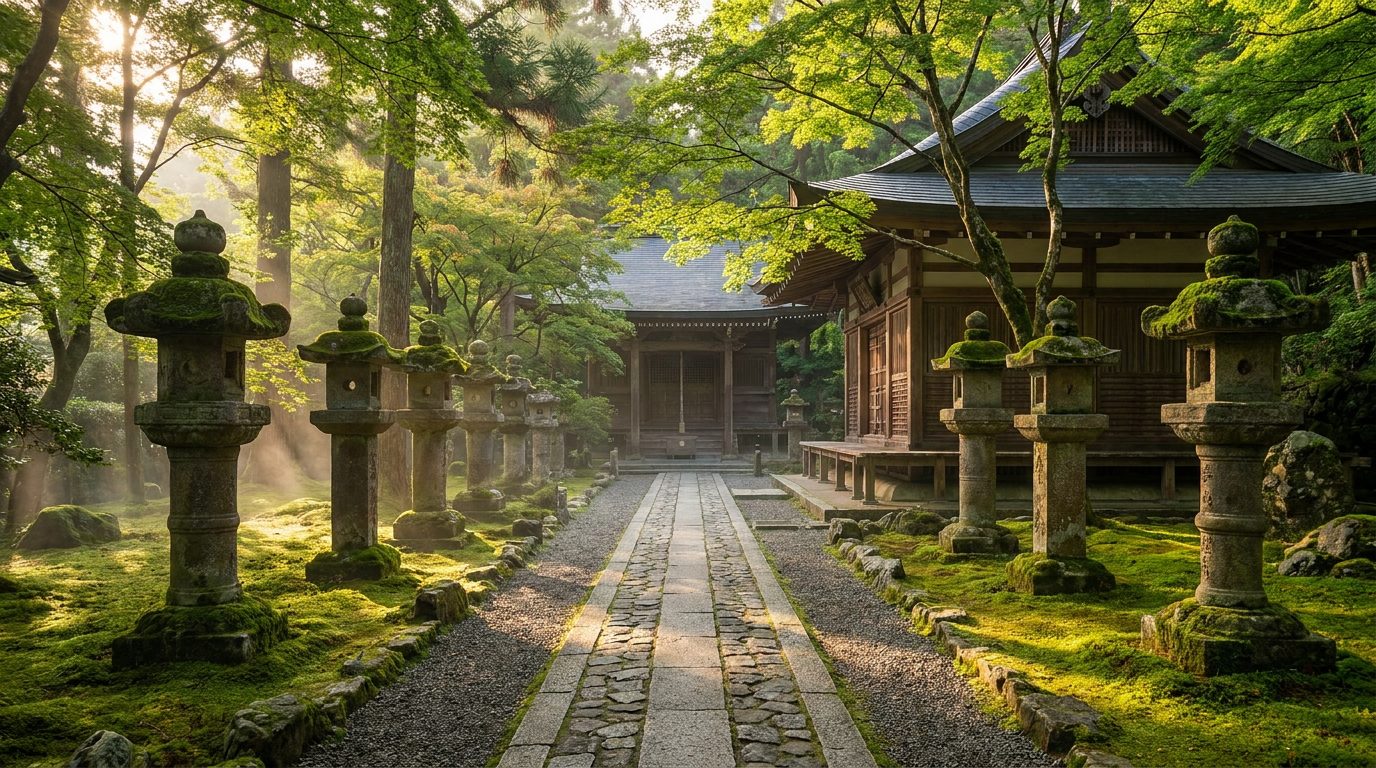
- Kyoto Residents & District Councils
- Prioritize neighborhood livability, privacy, and preserving daily life over unrestricted tourist access.
- Sustainable Travel Advocates
- Support dispersion strategies, community-first guidelines, and deeper cultural immersion away from hotspots.
- International Visitors
- Seek authentic cultural experiences but often require guidance on local etiquette and the impact of their footprint.
What's not represented
- · Local small business owners outside central Kyoto
- · Tour operators adjusting to new rules
Why this matters
As global travel rebounds to record highs, Kyoto's strict new rules offer a blueprint for how historic cities can protect their residents and heritage. Understanding these guidelines ensures travelers can experience Japan authentically without contributing to the overtourism crisis.
Key points
- Kyoto has banned tourists from entering private residential alleys in the Gion district to protect local privacy.
- Violators of the Gion alley ban face a ¥10,000 fine, though main public streets remain open.
- The city is actively dispersing tourists to lesser-known regions like Uji, Ohara, and Muko.
- New technological tools, like the Kyoto Tourism Comfort Map, help visitors avoid crowded areas.
- The policies reflect a nationwide shift in Japan from maximizing tourist volume to prioritizing sustainability.
For decades, the ancient capital of Kyoto has served as the cultural heart of Japan, drawing millions of global travelers eager to experience its pristine temples, serene rock gardens, and centuries-old traditions. But as international tourism surged past 25 million annual visitors nationwide, the city reached a breaking point. The narrow, atmospheric streets of the Higashiyama ward became choked with foot traffic, while local public transit buckled under the weight of oversized luggage. In response, Kyoto has pioneered a sweeping shift in how it manages visitors, transitioning from a model of unrestricted volume to one of "community-first" sustainable travel. This new era is not about closing the city's doors, but rather reshaping the guest experience to protect the very heritage that makes Kyoto irreplaceable.[1][2]
The most visible catalyst for this policy shift occurred in the historic Gion district, the epicenter of Kyoto's traditional entertainment culture. For years, the area struggled with overzealous tourists acting as amateur paparazzi, chasing down geiko (the local term for geisha) and their maiko (apprentices) as they commuted between teahouses. Despite multilingual signs requesting respectful distance, incidents of trespassing onto private property and physical harassment continued to escalate. The friction highlighted a fundamental mismatch between the daily reality of a working neighborhood and the expectations of visitors treating the district like an open-air theme park.[1][5]
To restore order and protect its residents, the Gion South Side District Council implemented a strict ban on tourist entry into the neighborhood's private alleys. The restriction, which carries a ¥10,000 fine for violators, specifically targets the narrow, unmarked side streets branching off the main thoroughfares. These alleys are private property, maintained by the local community, and serve as the vital arteries for the district's residents and workers. The enforcement relies on clear, multilingual signage and community reporting, signaling a zero-tolerance approach to intrusive behavior.[1][5]
Crucially, this ban does not mean Gion is closed to the public. Visitors are still welcome to stroll down Hanamikoji Street, the district's iconic main public road lined with lattice-fronted restaurants and teahouses. Major cultural landmarks within the area, such as the 1,300-year-old Yasaka Shrine and the picturesque Tatsumi Bridge, remain fully accessible. The policy simply draws a firm legal line between public attractions and private residential spaces, asking tourists to respect the boundaries of the local community just as they would in their own hometowns.[1][5]

The Gion alley ban is just one component of a much broader initiative orchestrated by the Kyoto City government. The city has formally adopted the "Kyoto Guidelines for Sustainable Tourism," a comprehensive code of conduct designed to harmonize the visitor experience with residential life. These guidelines ask travelers to make a "travel pledge" to protect the natural landscape, utilize public transportation responsibly, and engage in mutual cultural appreciation. By framing tourism as a shared responsibility, the city hopes to foster a more mindful class of traveler who actively contributes to the preservation of Kyoto's heritage.[2][4]
This sustainable framework is deeply rooted in traditional Kyoto philosophy. The city's resilience over 1,200 years of history has been underpinned by cultural values like shimatsu—an ethos of simplicity, frugality, and the regret of waste—and okagesama, a profound gratitude toward nature and the community. By embedding these ancient principles into modern tourism policy, Kyoto is asking visitors to adopt a local mindset. It is an invitation to slow down, consume less conspicuously, and appreciate the subtle, quiet beauty of the city rather than rushing through a checklist of famous sights.[4][5]
This sustainable framework is deeply rooted in traditional Kyoto philosophy.
A central pillar of Kyoto's new strategy is "dispersion"—actively encouraging visitors to venture beyond the hyper-crowded central wards and explore the wider prefecture. The city's official tourism board has launched the "Another Kyoto" campaign, highlighting four distinct regional zones that offer world-class cultural experiences without the crushing crowds. This geographic redistribution not only alleviates pressure on downtown infrastructure but also injects vital economic support into rural communities that have historically missed out on the tourism boom.[3][5]
To the south, the "Kyoto Tea Country" region offers a tranquil alternative to the bustling city center. The city of Uji, accessible via a short train ride on the JR Nara Line, boasts Japan's oldest existing Shinto shrine building, the UNESCO-listed Ujigami Shrine. Visitors can walk along the serene Uji River, explore ancient temples that predate Kyoto itself, and participate in authentic tea ceremonies in the birthplace of Japanese matcha. Nearby, the Fushimi district provides a deep dive into traditional sake brewing, complete with historic wooden breweries and willow-lined canals.[3]
For those seeking natural beauty, the "Woodland Kyoto" and northern mountain regions offer pristine escapes. The rural village of Ohara, nestled in the mountains north of the city, is renowned for its crisp air, symbolic moss gardens, and the stunning Sanzen-in Temple. Further afield, the thatched-roof village of Miyama provides a living snapshot of traditional Japanese countryside life. These areas require slightly more effort to reach, but they reward travelers with the profound serenity and timeless allure that has become increasingly difficult to find in the downtown core.[3]
Even Kyoto's most famous natural attractions now have quieter counterparts. While the Arashiyama Bamboo Grove often suffers from shoulder-to-shoulder crowds, the city is directing savvy travelers to the Take no Michi, or "Bamboo Path," in the southwestern Muko Hills. This paved, 1.5-kilometer trail winds through meticulously maintained bamboo forests and features eight different styles of traditional bamboo fencing. It delivers the exact aesthetic experience travelers seek, but with a fraction of the foot traffic, proving that the best of Kyoto often lies just off the beaten path.[3]

To help visitors navigate this dispersed landscape, the city has deployed new technological tools. The "Kyoto Tourism Comfort Map" provides real-time congestion forecasts for major attractions, utilizing live camera feeds and predictive data to help travelers avoid peak crowding. The city also heavily promotes "empty-handed travel," urging visitors to use luggage forwarding services between the airport and their hotels rather than dragging large suitcases onto local buses, which has been a major point of friction for commuting residents.[2][4]
Kyoto's proactive measures are part of a nationwide reckoning with overtourism across Japan. In the same season that the Gion ban took effect, authorities implemented a daily cap of 4,000 climbers and a ¥4,000 fee for the popular Yoshida trail on Mount Fuji to combat dangerous overcrowding and litter. Similarly, Tokyo's Shibuya ward instituted a year-round ban on nighttime street drinking to curb public disturbances. Across the country, the focus has decisively shifted from maximizing raw visitor numbers to maximizing the quality and sustainability of the visitor economy.[1][5]

For international travelers, adapting to this new era requires a shift in expectations, but it ultimately unlocks a vastly superior trip. Instead of chasing fleeting photo opportunities on crowded streets, visitors are encouraged to invest in structured, authentic experiences. Those wishing to see Kyoto's traditional entertainers can book tickets to public Kyomai dance performances or hire licensed local guides to arrange private, respectful dinners at established teahouses. These avenues provide genuine cultural exchange while directly supporting the artisans and their craft.[2][5]
Ultimately, Kyoto's transition to sustainable tourism is an uplifting blueprint for historic cities worldwide. By setting firm boundaries, leveraging technology, and promoting its lesser-known treasures, the city is proving that tourism does not have to be an extractive industry. When visitors embrace the principles of shimatsu and respect the local community, they cease to be mere consumers of a destination. Instead, they become temporary residents, participating in a thousand-year-old tradition of hospitality and helping to ensure that Kyoto's quiet magic endures for generations to come.[2][4][5]
How we got here
2020
Kyoto establishes its official Guidelines for Sustainable Tourism to harmonize visitor and resident needs.
2023
Japan welcomes over 25 million international visitors, pushing Kyoto's infrastructure to its limits.
April 2024
The Gion South Side District Council implements a strict ban on tourists entering private alleys.
July 2024
Mount Fuji introduces a daily visitor cap and a ¥4,000 climbing fee to combat overcrowding.
Viewpoints in depth
Kyoto Residents' View
Protecting the daily reality of a working city.
For the people who call Kyoto home, the tourism boom brought severe disruptions to daily life. Commuters found themselves unable to board local buses packed with oversized luggage, while residents in historic districts like Gion faced daily privacy invasions from tourists treating their neighborhoods like theme parks. The new regulations are viewed not as anti-tourist, but as essential survival mechanisms to ensure the city remains a livable, functioning community rather than a hollowed-out museum.
Sustainable Travel Advocates
Shifting from volume to value.
Tourism experts and sustainability advocates argue that unrestricted access ultimately destroys the very heritage visitors come to see. By implementing strict boundaries and promoting dispersion to areas like Uji and Ohara, they believe Kyoto is setting a vital global precedent. This approach forces a shift from passive consumption to active cultural engagement, ensuring that tourism dollars support a wider array of local artisans and rural economies without overwhelming central infrastructure.
International Visitors
Navigating new expectations and etiquette.
While most international travelers arrive with good intentions, the sheer volume of visitors creates an unsustainable footprint. Many tourists express frustration at the new restrictions, feeling they are being punished for the bad behavior of a few. However, travel analysts note that once visitors understand the cultural context—and are provided with high-quality alternatives like the Muko bamboo grove—they generally appreciate the clearer guidelines, which ultimately lead to a more authentic and less stressful travel experience.
What we don't know
- Whether the ¥10,000 fine in Gion will be strictly enforced by police or rely primarily on social pressure.
- How effectively the 'Another Kyoto' campaign will permanently redistribute tourist volume during peak seasons.
Key terms
- Geiko
- The regional term for geisha in Kyoto, professional entertainers highly trained in traditional Japanese arts.
- Maiko
- Apprentice geiko, recognizable by their elaborate kimono, traditional hair ornaments, and white makeup.
- Shimatsu
- A traditional Kyoto cultural value emphasizing simplicity, frugality, and the mindful avoidance of waste.
- Machiya
- Traditional wooden townhouses found throughout Kyoto, many of which serve as both private residences and local businesses.
Frequently asked
Can tourists still visit the Gion district?
Yes. Public streets like Hanamikoji and major landmarks like Yasaka Shrine remain fully open to visitors.
What happens if I enter a banned alley in Kyoto?
Violators face a ¥10,000 fine and potential police involvement for trespassing on private residential property.
How can I respectfully see a geiko or maiko?
Visitors should book tickets to public Kyomai dance performances or arrange private dinners through licensed local guides.
Where is the alternative to the crowded Arashiyama bamboo grove?
The city recommends the Take no Michi (Bamboo Path) in the southwestern Muko Hills, which offers a serene 1.5-kilometer trail.
Sources
Source coverage
5 outlets
3 viewpoints surfaced





[1]Afar MagazineInternational Visitors
Japan Is Banning Tourists From Some Streets in Kyoto’s Geisha District
Read on Afar Magazine →[2]Kyoto City Official Tourism WebsiteSustainable Travel Advocates
Sustainable Kyoto: Responsible Travel Guidelines
Read on Kyoto City Official Tourism Website →[3]Japan National Tourism OrganizationSustainable Travel Advocates
Another Kyoto: Exploring Beyond the City Center
Read on Japan National Tourism Organization →[4]Kyoto City GovernmentKyoto Residents & District Councils
Kyoto as a Sustainable City
Read on Kyoto City Government →[5]Factlen Editorial TeamSustainable Travel Advocates
Synthesis by Factlen editorial team
Read on Factlen Editorial Team →


Every angle. Every day.
Get travel stories with full source coverage and perspective breakdowns delivered to your inbox.