
How to Maximize EV Battery Life: The Science of Degradation and Daily Habits
Real-world data shows modern EV batteries degrade by just 2.3% per year, and adjusting daily charging habits based on battery chemistry can extend their lifespan even further.
By Factlen Editorial Team
- Automotive Analysts
- Emphasizes real-world depreciation and fleet data over theoretical laboratory limits.
- EV Manufacturers & Technicians
- Prioritizes practical owner guidelines and chemistry-specific charging limits.
- Battery Chemists & Researchers
- Focuses on the microscopic mechanisms of degradation, such as lithium islanding and chemical stress.
What's not represented
- · Used EV Buyers
- · Independent Repair Shops
Why this matters
The high-voltage battery is the single most expensive component of an electric vehicle, costing up to $15,000 to replace. Understanding how to properly charge and maintain it can extend the vehicle's lifespan by years, saving owners thousands of dollars and preserving maximum driving range.
Key points
- Modern EV batteries degrade at an average rate of just 2.3% per year, often outlasting the vehicle itself.
- NCA and NMC batteries should be kept between 20% and 80% charge to minimize chemical stress.
- LFP batteries require a 100% charge at least once a week to properly calibrate the vehicle's range estimation software.
- Frequent use of DC fast charging generates excess heat, which accelerates long-term battery degradation.
- Extreme heat causes permanent chemical wear, while cold weather only temporarily reduces driving range.
The transition from internal combustion engines to electric vehicles requires a fundamental shift in how drivers think about vehicle maintenance. Gone are the days of 3,000-mile oil changes, spark plug replacements, and transmission fluid flushes. In their place is a single, massive component that dictates the lifespan, range, and resale value of the car: the high-voltage lithium-ion battery pack.[7]
Because the battery is the most expensive single part of an electric vehicle—often costing between $5,000 and $15,000 to replace—anxiety about battery degradation is a primary hurdle for new buyers. However, a growing body of real-world data and academic research suggests that with a few simple daily habits, modern EV batteries are remarkably resilient.[2][7]
The baseline data is highly encouraging. A comprehensive analysis by fleet-tracking firm Geotab, which monitored over 6,000 electric vehicles, found that modern EV batteries degrade at an average rate of just 2.3% per year. At that pace, the vast majority of battery packs will easily outlast the usable life of the vehicle chassis itself. The U.S. Department of Energy estimates that EV batteries will last 12 to 15 years in moderate climates.[1][6]

To understand how to extend that lifespan even further, it helps to understand how a battery degrades. Every time a lithium-ion cell charges and discharges, lithium ions travel back and forth between the anode and the cathode. Over thousands of cycles, microscopic physical and chemical changes occur within the cell structure.[4]
Researchers at Stanford University and the SLAC National Accelerator Laboratory have observed that as batteries age, they accumulate "islands" of inactive lithium that become disconnected from the electrodes. This isolated lithium no longer contributes to energy storage, resulting in a gradual loss of total driving range. While researchers are developing new charging protocols to reconnect these islands, everyday drivers can slow this process by managing the two main enemies of battery chemistry: extreme states of charge and excessive heat.[4][7]
The most critical factor in daily battery care is understanding that not all electric vehicles use the same battery chemistry, and the rules for charging depend entirely on what is under the floorboards. The market is currently divided into two dominant chemical makeups, each with its own specific maintenance requirements.[5]
The first category includes Nickel-Cobalt-Aluminum (NCA) and Nickel-Manganese-Cobalt (NMC) batteries. These chemistries offer the highest energy density, making them the standard choice for long-range and performance-oriented electric vehicles. However, NCA and NMC cells are highly sensitive to voltage stress.[5]
For vehicles equipped with NCA or NMC packs, automotive experts and manufacturers universally recommend keeping the daily state of charge between 20% and 80%. Pushing the battery to 100% and leaving it parked at a maximum state of charge forces the internal chemistry to hold a high voltage, which accelerates degradation over time. Owners should reserve 100% charges strictly for the morning of a long road trip.[2][5]
For vehicles equipped with NCA or NMC packs, automotive experts and manufacturers universally recommend keeping the daily state of charge between 20% and 80%.
The second category is Lithium Iron Phosphate (LFP), a chemistry that has rapidly gained market share in standard-range vehicles due to its lower cost, high thermal stability, and lack of controversial cobalt. LFP batteries are fundamentally different: they are highly tolerant of being fully charged and boast a cycle life that can exceed 3,000 charges.[5]
In fact, manufacturers actively instruct owners of LFP-equipped vehicles to charge their cars to 100% at least once a week. This is not necessarily because the chemistry prefers it, but because the voltage curve of an LFP battery is so flat that the vehicle's Battery Management System (BMS) struggles to accurately estimate the remaining range unless it regularly sees a fully calibrated 100% charge. Treating an LFP battery like an NCA battery by limiting it to 80% will eventually result in inaccurate dashboard range estimates.[2][5]

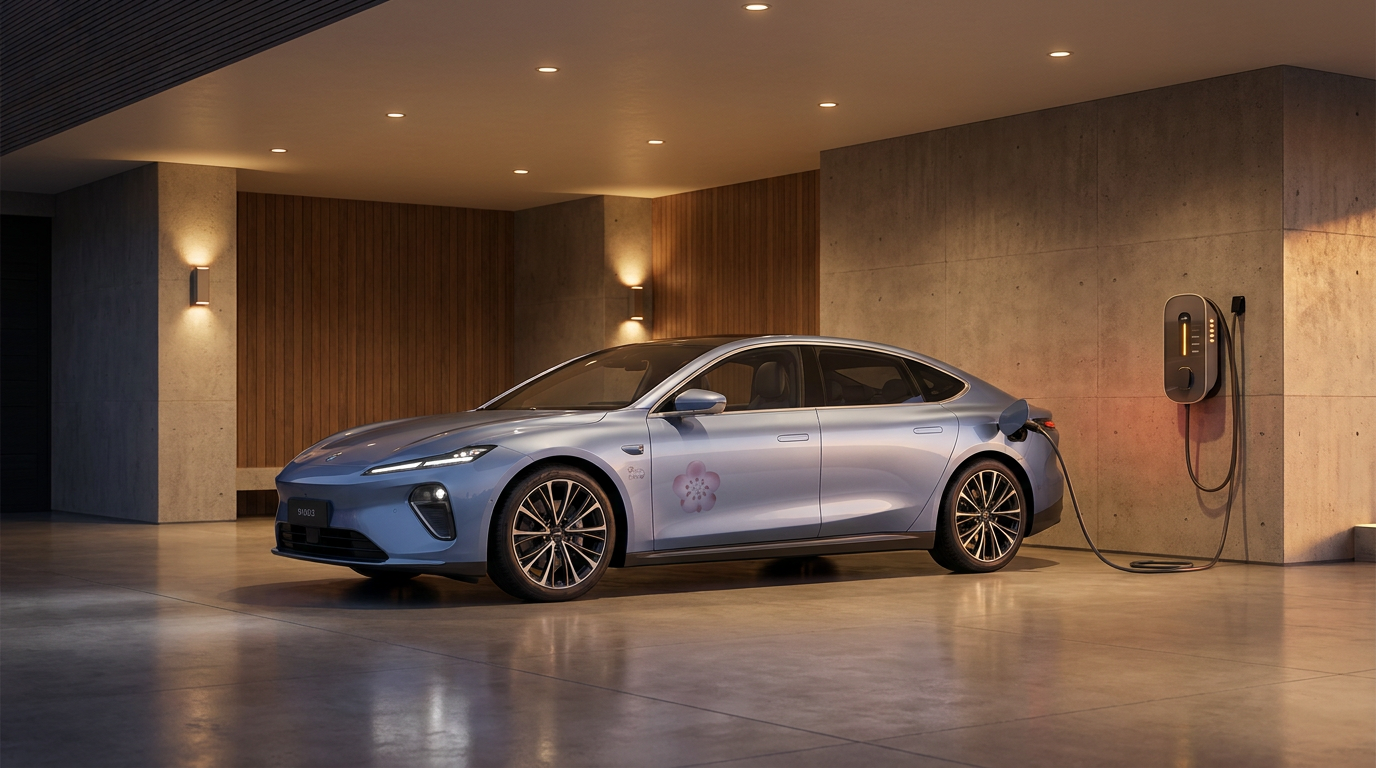
Beyond the daily charge limit, the speed at which a battery is charged plays a significant role in its long-term health. Level 2 home charging, which relies on alternating current (AC), delivers energy slowly and gently, keeping the battery cells cool and chemically stable.[1][2]
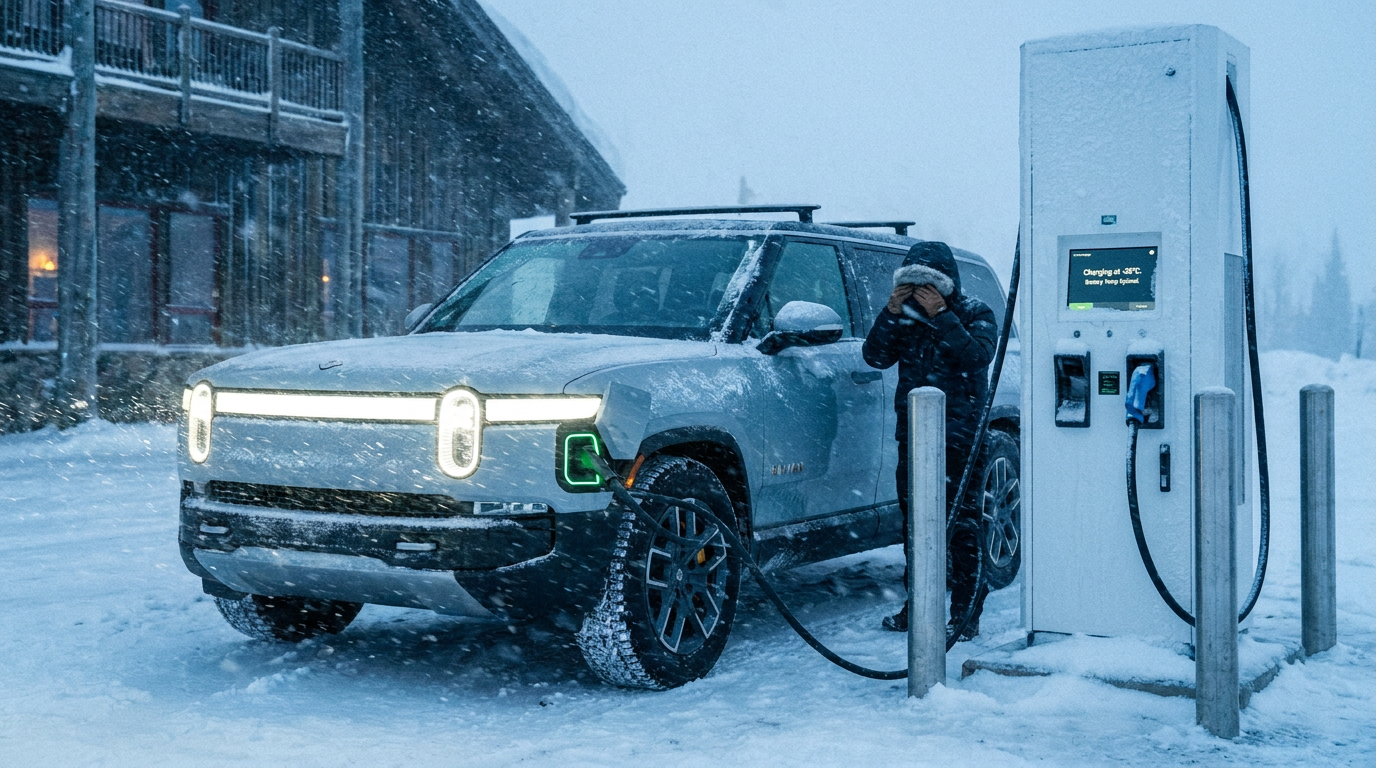
Conversely, Level 3 DC Fast Charging pushes massive amounts of direct current into the pack in a very short period. While modern EVs are equipped with sophisticated liquid cooling systems to manage this influx of power, frequent reliance on fast chargers generates significant internal heat. Studies have shown that vehicles exclusively fast-charged experience slightly higher capacity fade over 50,000 miles compared to those charged primarily at home. Fast charging is an essential tool for highway travel, but it should not be the primary method for daily top-ups.[1][2]

Heat management extends beyond the charging cable. Ambient temperature profoundly affects battery longevity. While extreme cold temporarily reduces an EV's driving range and slows down charging speeds by increasing internal resistance, it does not cause severe permanent damage to the cell structure.[1]
Extreme heat, however, is a silent killer. High temperatures accelerate the chemical reactions inside the battery, leading to faster permanent degradation. Parking an electric vehicle in the shade, utilizing a garage during peak summer months, and leaving the vehicle plugged in so the thermal management system can run off grid power are highly effective strategies for preserving battery health in hot climates.[1][7]

For owners who plan to leave their vehicle parked for an extended period, such as a month-long vacation, the battery should never be left completely full or completely empty. The ideal state of charge for long-term storage is around 50%. Leaving the vehicle plugged in with the charge limit set to 50% allows the battery management system to maintain the 12-volt auxiliary battery and regulate the pack's temperature without subjecting the cells to high-voltage stress.[1][5]
Interestingly, the future of electric vehicle infrastructure may actually help preserve battery life rather than tax it. The National Renewable Energy Laboratory (NREL) recently evaluated Vehicle-to-Grid (V2G) technologies, which allow parked EVs to discharge small amounts of power back into the electrical grid during peak demand.[3]
Counterintuitively, the NREL study found that participating in V2G programs could actually extend battery life. Because the grid draws power from the vehicle when it is parked, it naturally lowers the average state of charge, preventing the battery from sitting at a stressful 100% for extended periods. By acting as mobile energy storage, EVs can support the grid while simultaneously optimizing their own chemical health.[3]
Ultimately, maximizing the lifespan of an electric vehicle battery does not require a degree in electrochemistry. By understanding which battery chemistry powers the vehicle, relying primarily on gentle home charging, and protecting the car from extreme heat, drivers can ensure their battery packs deliver reliable performance for well over a decade, making the transition to electric driving both economically and environmentally sound.[7]
Viewpoints in depth
Battery Chemists & Researchers
Focuses on the microscopic mechanisms of degradation, such as lithium islanding and chemical stress.
For materials scientists and electrochemists, battery longevity is a battle against microscopic physical changes. Researchers emphasize that every charge cycle forces lithium ions through the battery's internal structure, which can eventually lead to isolated 'islands' of lithium that no longer hold a charge. They advocate for advanced thermal management and optimized charging protocols—such as avoiding high-voltage states—to minimize the chemical stress that permanently alters the cell's architecture.
Automotive Analysts
Emphasizes real-world depreciation and fleet data over theoretical laboratory limits.
Industry analysts look at the macro data generated by millions of electric vehicles currently on the road. Their perspective is highly optimistic, noting that real-world degradation averages just over 2% per year. From a consumer economics standpoint, analysts argue that battery anxiety is largely overblown; because the battery pack will likely outlast the vehicle's chassis, drivers should focus on practical, convenient home charging rather than obsessing over minor percentage points of capacity fade.
EV Manufacturers & Technicians
Prioritizes practical owner guidelines and chemistry-specific charging limits.
Automakers and service technicians focus on the immediate operational health of the vehicle, particularly the Battery Management System (BMS). They stress that blanket advice no longer applies to modern EVs. Technicians emphasize that owners must know their specific battery chemistry—strictly limiting NCA/NMC packs to 80% to prevent voltage stress, while deliberately pushing LFP packs to 100% weekly so the vehicle's software can accurately calibrate remaining range and prevent unexpected power loss.
What we don't know
- How emerging solid-state battery technologies will alter long-term degradation curves compared to current lithium-ion standards.
- The exact impact of widespread Vehicle-to-Grid (V2G) adoption on battery warranties and manufacturer liabilities.
- Whether the secondary market for used EV batteries will scale efficiently enough to handle the millions of packs retiring in the 2030s.
Key terms
- State of Charge (SOC)
- The current energy level of a battery, expressed as a percentage from 0% to 100%.
- LFP (Lithium Iron Phosphate)
- A highly stable battery chemistry that tolerates full charges well and boasts a longer cycle life, though with slightly lower energy density.
- NCA/NMC
- Battery chemistries using nickel, cobalt, and aluminum or manganese, known for high energy density but requiring stricter charge limits to prevent wear.
- Battery Management System (BMS)
- The vehicle's electronic brain that monitors battery health, regulates temperature, and estimates remaining driving range.
- DC Fast Charging
- High-power charging (Level 3) that rapidly fills an EV battery using direct current, which generates more heat than standard home charging.
Frequently asked
Should I charge my EV to 100% every night?
It depends entirely on your battery chemistry. LFP batteries should be charged to 100% regularly, while NCA/NMC batteries should be kept at 80% for daily driving to prevent voltage stress.
Does fast charging ruin the battery?
Occasional fast charging is perfectly safe and necessary for road trips, but relying on it daily generates excess heat that can accelerate long-term chemical degradation.
What happens to the battery in extreme cold?
Cold weather temporarily reduces your driving range and slows down charging speeds by increasing internal resistance, but it does not cause the same permanent chemical degradation as extreme heat.
How long will an EV battery actually last?
Real-world data shows most modern EV batteries degrade by only about 2.3% per year and are designed to last 12 to 15 years, often outliving the vehicle chassis itself.
Sources
Source coverage
7 outlets
3 viewpoints surfaced







[1]GeotabAutomotive Analysts
EV battery health: What is it and how to maintain it
Read on Geotab →[2]EdmundsAutomotive Analysts
How to Maximize EV Battery Life
Read on Edmunds →[3]National Renewable Energy LaboratoryBattery Chemists & Researchers
NREL Evaluates V2G Impacts and Opportunities for EV Owners
Read on National Renewable Energy Laboratory →[4]NatureBattery Chemists & Researchers
Dynamic spatial progression of isolated lithium during battery operations
Read on Nature →[5]EVBattery.usEV Manufacturers & Technicians
Tesla battery NCA NMC LFP charging and long-term lifespan
Read on EVBattery.us →[6]U.S. Department of EnergyEV Manufacturers & Technicians
Electric Car Battery Life
Read on U.S. Department of Energy →[7]Factlen Editorial TeamAutomotive Analysts
Synthesis by Factlen editorial team
Read on Factlen Editorial Team →
Every angle. Every day.
Get automotive stories with full source coverage and perspective breakdowns delivered to your inbox.