
How to Future-Proof Your Home in 2026: The Complete Electrification Explainer
As the remodeling industry shifts toward performance and resilience, home electrification—powered by cold-climate heat pumps, smart panels, and new 2026 point-of-sale rebates—has become the new standard.
By Factlen Editorial Team

- Building Performance Advocates
- Focus on building science, energy efficiency, and long-term home resilience.
- Cost-Conscious Consumers
- Prioritize return on investment, utility bill savings, and navigating the complex 2026 rebate landscape.
- Electrical Contractors
- Emphasize grid capacity, panel safety, and the practical installation challenges of adding heavy electric loads.
- Energy Policy Officials
- Focus on decarbonization goals, equitable access to technology, and the rollout of federal rebate programs.
What's not represented
- · Renters who cannot authorize structural electrical upgrades but still face rising utility costs.
- · Utility grid operators managing the macro-level surge in residential electricity demand.
Why this matters
Upgrading to high-performance electric systems can drastically reduce your monthly utility bills and improve your indoor air quality. With the expiration of old tax credits and the rollout of new 2026 point-of-sale rebates, understanding the current incentive landscape is crucial before starting any major home renovation.
Key points
- Home remodeling in 2026 has shifted focus toward high-performance, behind-the-walls electrification upgrades.
- Modern cold-climate heat pumps can maintain full heating capacity in sub-zero temperatures.
- Smart electrical panels allow homes to add heavy electric loads without requiring expensive utility service upgrades.
- The Section 25C federal tax credit for heat pumps expired at the end of 2025.
- The 2026 HEAR program offers up to $14,000 in point-of-sale rebates for income-qualified households.
For decades, the American home remodel was defined by visual prestige—granite countertops, open-concept floor plans, and stainless steel appliances. But as the remodeling industry moves through 2026, homeowner priorities have fundamentally shifted toward what builders call "performance remodeling." Driven by fluctuating energy costs, extreme weather events, and a desire for better indoor air quality, the focus has moved behind the drywall. Today’s most sought-after upgrades are hidden systems that make a house more resilient, efficient, and comfortable.[6][7]
At the center of this architectural shift is the push for whole-home electrification. The concept is straightforward: transition the home away from burning fossil fuels on-site and replace combustion appliances with highly efficient electric alternatives. This strategy not only eliminates the risk of indoor carbon monoxide leaks but also allows the home to run on increasingly renewable grid power or rooftop solar arrays.[3][7]
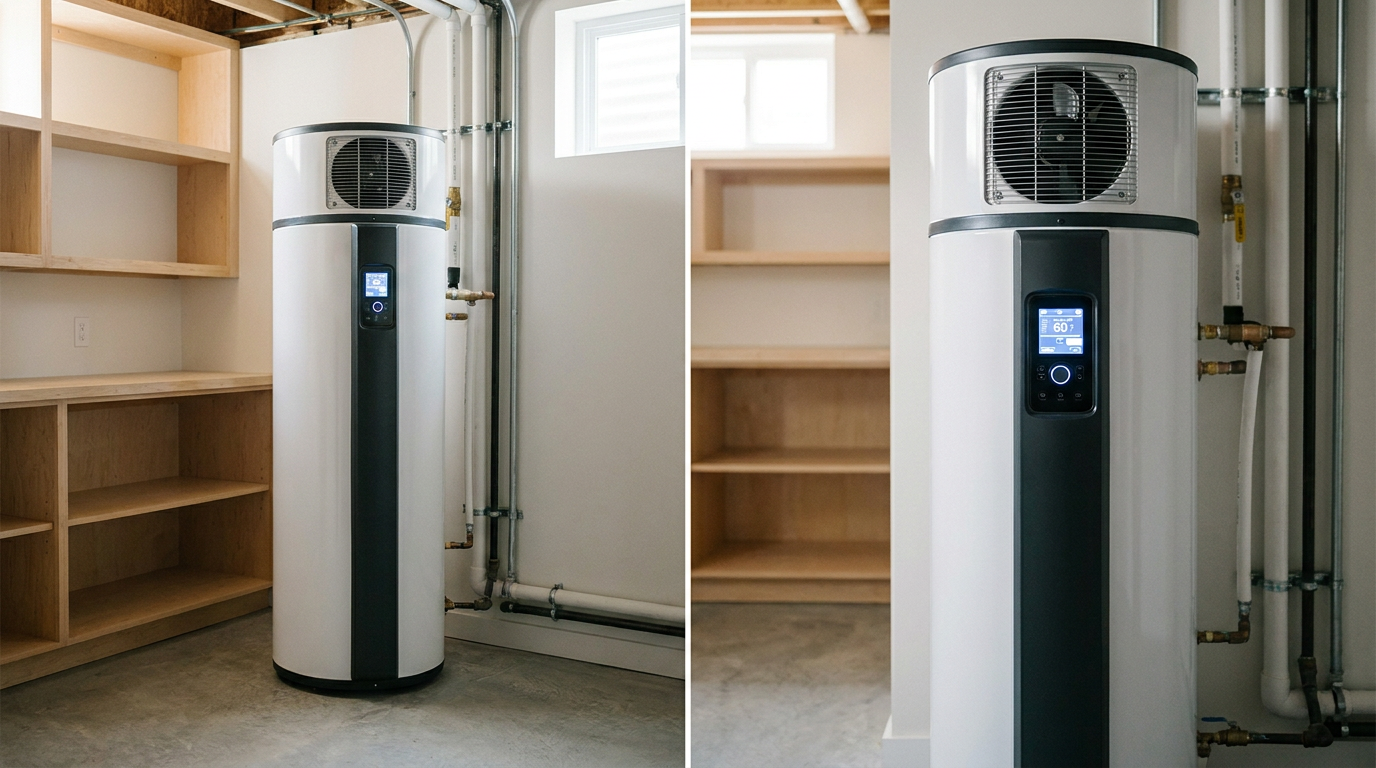
The undisputed anchor of the modern electrified home is the cold-climate air-source heat pump (ccASHP). While heat pumps have been popular in mild climates for years, recent technological leaps have transformed them into the gold standard for residential HVAC systems nationwide. Rather than burning gas or oil to generate warmth, a heat pump operates like a reversible refrigerator, using advanced refrigerants to absorb ambient heat from the outside air and compress it to warm the home.[2][3]
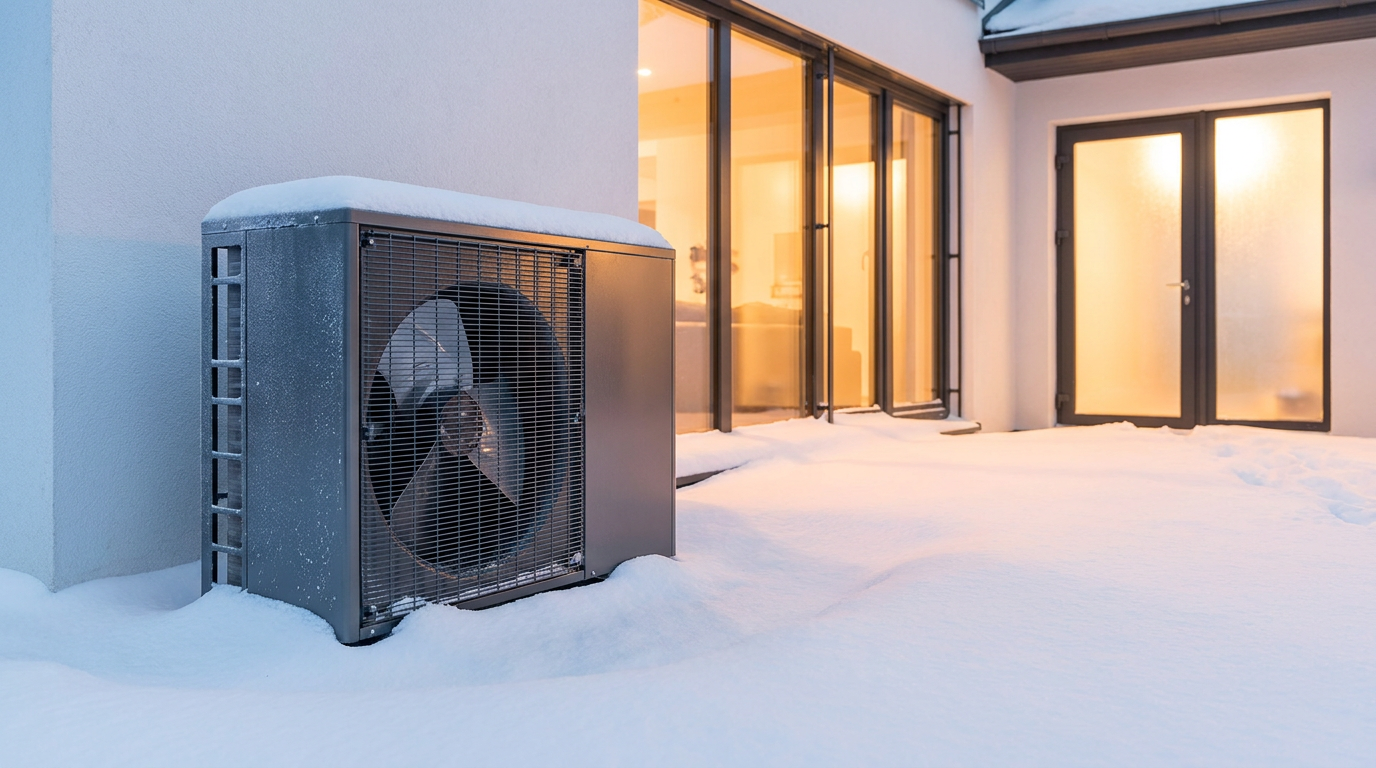
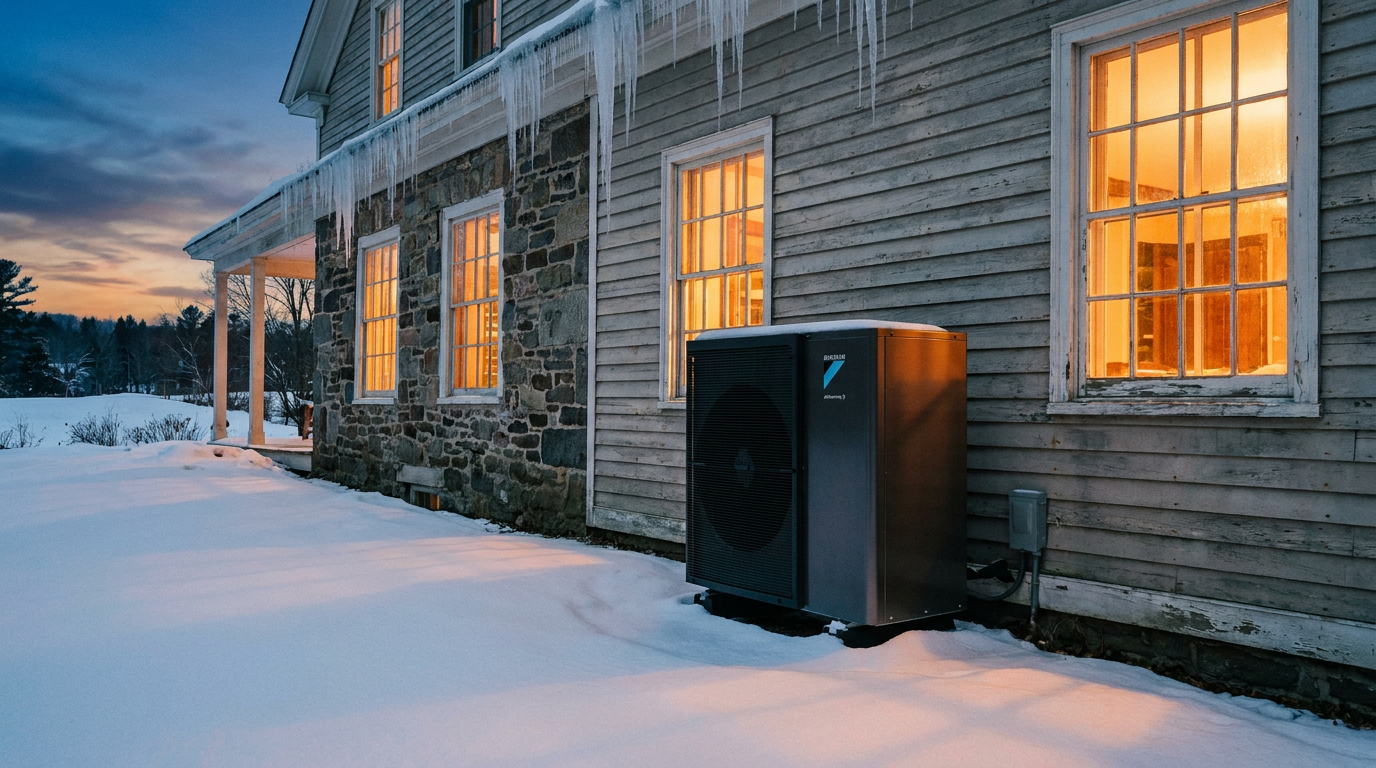
The most persistent myth about heat pumps—that they fail in freezing weather—has been thoroughly engineered out of existence by 2026. Modern cold-climate units utilize variable-speed, inverter-driven compressors that can maintain 100 percent of their rated heating capacity down to 5 degrees Fahrenheit. Even when temperatures plummet to -22 degrees Fahrenheit, these advanced systems continue to extract latent heat from the frigid air, keeping homes comfortable without relying on inefficient electric resistance backup strips.[2][7]

This performance leap coincides with a quiet revolution in the chemicals that make heat transfer possible. Many 2026 heat pump models have transitioned to using R-290, a highly refined propane refrigerant. Unlike the legacy R-410A refrigerant, which had a massive environmental footprint, R-290 boasts a Global Warming Potential of just 3. This allows the systems to heat water and air to higher temperatures while virtually eliminating the climate impact of potential refrigerant leaks.[2]
Consumers shopping for HVAC upgrades in 2026 will also notice a change in how efficiency is measured. The Department of Energy has fully phased out the old SEER rating system in favor of SEER2. This updated metric relies on testing conditions with higher external static pressure, providing a much more accurate reflection of how a heat pump will actually perform when connected to a home's real-world ductwork.[1][7]
However, upgrading to high-performance electric heating, induction cooking, and electric vehicle charging requires a robust electrical foundation. Many homes built in the twentieth century were equipped with 100-amp or 150-amp electrical panels, which are easily overwhelmed by the demands of a fully electrified lifestyle. Consequently, electrical panel upgrades have transitioned from a reactive repair to a proactive, foundational step in modern remodeling.[4]
However, upgrading to high-performance electric heating, induction cooking, and electric vehicle charging requires a robust electrical foundation.
Upgrading a home's electrical service to 200 or 400 amps can be prohibitively expensive, sometimes requiring utility companies to run new wires from the street. To bypass this bottleneck, the 2026 market has embraced the "smart panel." These intelligent load-management systems monitor a home's power draw in real time and dynamically allocate electricity to prevent the main breaker from tripping.[4][6]

If a homeowner is cooking dinner on an induction stove while the heat pump is running at full capacity, a smart panel can automatically pause the garage's electric vehicle charger for an hour. Once the stove is turned off, the panel resumes charging the car. This seamless, behind-the-scenes automation allows homeowners to fully electrify their properties without the massive expense of a utility service upgrade.[4][7]
Inside the kitchen, the shift toward electrification is equally pronounced. Induction cooktops have rapidly displaced gas ranges as the premium choice for modern remodels. By using electromagnetic fields to heat the cookware directly, induction offers faster boiling times, precise temperature control, and significantly less ambient heat loss. More importantly, it eliminates the indoor nitrogen dioxide emissions associated with burning natural gas, aligning with the broader trend of wellness-focused interior design.[6]
While the technological benefits of electrification are clear, the financial landscape for these upgrades underwent a massive transition on January 1, 2026. For several years, homeowners relied on the broad Section 25C federal tax credit, which offered up to $2,000 for air-source heat pump installations. With the expiration of that specific credit at the end of 2025, the incentive structure has fundamentally changed.[5]
In its place, 2026 marks the widespread, state-by-state rollout of the Home Electrification and Appliance Rebates (HEAR) program, funded by the Inflation Reduction Act. Unlike tax credits, which require homeowners to float the cost until tax season and have sufficient tax liability to benefit, the HEAR program provides point-of-sale discounts. This means the savings are applied directly at the cash register or on the contractor's invoice, instantly lowering the barrier to entry.[1][5]

The HEAR program is heavily weighted toward democratizing access to high-performance technology. Low- and moderate-income households can qualify for up to $14,000 in total rebates. This includes up to $8,000 for a qualifying heat pump, $4,000 for an electrical panel upgrade, and $840 for an induction stove.[1][5]
Because these rebates are administered by individual state energy offices rather than the federal government, the rollout timeline and specific eligibility requirements vary by zip code. Homeowners are advised to consult their state's energy department or utilize updated 2026 eligibility calculators before signing contracts for major equipment.[1][5]
Ultimately, the 2026 remodeling landscape proves that sustainability and luxury are no longer mutually exclusive. By investing in cold-climate heat pumps, smart electrical infrastructure, and induction technology, homeowners are doing more than just reducing their carbon footprint. They are building quieter, healthier, and more resilient sanctuaries that are insulated against both extreme weather and volatile fossil fuel prices.[3][6][7]
How we got here
Aug 2022
The Inflation Reduction Act (IRA) is signed, allocating $8.8 billion for home energy rebates.
Jan 2023
The Department of Energy introduces the stricter SEER2 efficiency testing standards for all new HVAC equipment.
Dec 2025
The Section 25C federal tax credit for air-source heat pumps expires, shifting the incentive landscape.
Early 2026
State energy offices begin the full rollout of HEAR point-of-sale rebates for low- and moderate-income households.
Viewpoints in depth
Building Performance Advocates
Focus on building science, energy efficiency, and long-term home resilience.
For building scientists and performance-focused designers, the 2026 remodeling landscape is a triumph of engineering over aesthetics. This camp argues that a home's value should be measured by its thermal envelope, indoor air quality, and energy independence rather than just its square footage. They champion the transition to R-290 refrigerants and smart load management, viewing the home as an integrated, decarbonized system that actively protects its occupants from extreme weather and grid instability.
Cost-Conscious Consumers
Prioritize return on investment, utility bill savings, and navigating the complex 2026 rebate landscape.
Homeowners and financial analysts in this camp are primarily concerned with the bottom line. While they appreciate the environmental benefits of electrification, their focus is on the expiration of the 25C tax credit and the fragmented rollout of the HEAR rebates. They argue that the upfront capital required for heat pumps and smart panels remains a significant barrier, and they meticulously track state-level incentive programs to ensure these high-performance upgrades actually deliver a positive return on investment over the equipment's lifespan.
Electrical Contractors
Emphasize grid capacity, panel safety, and the practical installation challenges of adding heavy electric loads.
Electricians and HVAC professionals are on the front lines of the electrification push, and their perspective is grounded in physical infrastructure limits. They frequently point out that decades-old 100-amp panels simply cannot handle the simultaneous draw of an EV charger, an induction stove, and a cold-climate heat pump. This camp advocates strongly for proactive panel upgrades and smart load-management systems, warning that ignoring the electrical foundation will lead to tripped breakers, safety hazards, and costly emergency repairs.
What we don't know
- Exactly when every individual U.S. state will fully launch their HEAR rebate portals, as the rollout is managed locally rather than federally.
- How quickly local utility grids will upgrade their neighborhood-level transformers to handle the aggregate surge in residential electrical demand.
Key terms
- SEER2
- The updated Seasonal Energy Efficiency Ratio, a stricter, real-world test mandated by the Department of Energy for measuring air conditioner and heat pump cooling efficiency.
- Cold-Climate Heat Pump (ccASHP)
- An advanced heat pump designed with an inverter-driven compressor to provide reliable heating even when outdoor temperatures drop well below freezing.
- HEAR Program
- The Home Electrification and Appliance Rebates program, a federal initiative providing point-of-sale discounts for low- and moderate-income households upgrading to electric appliances.
- Smart Panel
- An electrical panel that dynamically manages power loads across a home's circuits, preventing the need for expensive utility service upgrades when adding heavy electric appliances.
- R-290
- A highly efficient, eco-friendly propane refrigerant with a near-zero Global Warming Potential, increasingly used in 2026 heat pump models.
Frequently asked
Do heat pumps actually work in freezing weather?
Yes. Modern cold-climate heat pumps use inverter-driven compressors that can extract heat from the air and maintain 100% of their heating capacity down to 5°F, and continue operating efficiently at -22°F.
Did the federal tax credit for heat pumps expire?
The broad Section 25C tax credit for air-source heat pumps expired at the end of 2025. However, 2026 introduces the state-administered HEAR point-of-sale rebates, which offer up to $14,000 for income-qualified households.
Do I need to upgrade my electrical panel to electrify my home?
Often, yes. Adding an EV charger, heat pump, and induction stove increases electrical demand. However, installing a "smart panel" can dynamically manage these loads, sometimes avoiding the need for a full utility service upgrade.
Sources
Source coverage
7 outlets
4 viewpoints surfaced






[1]Department of EnergyEnergy Policy Officials
Home Energy Rebates Programs
Read on Department of Energy →[2]EcoHomeBuilding Performance Advocates
Choosing a cold climate heat pump for energy-efficient heating in 2026
Read on EcoHome →[3]Clean Energy ConnectionCost-Conscious Consumers
Why Heat Pumps Are Still a Smart Conversation in 2026
Read on Clean Energy Connection →[4]Mister SparkyElectrical Contractors
Electrical Panel Upgrades for Modern Power Needs
Read on Mister Sparky →[5]Clean Energy CalcCost-Conscious Consumers
IRA Rebate & Tax Credit Eligibility Tool 2026
Read on Clean Energy Calc →[6]Technology DesignerBuilding Performance Advocates
2026 Smart Home Design: The Trends That Actually Matter
Read on Technology Designer →[7]Factlen Editorial TeamBuilding Performance Advocates
Synthesis by Factlen editorial team
Read on Factlen Editorial Team →

Every angle. Every day.
Get home stories with full source coverage and perspective breakdowns delivered to your inbox.