
How the U.S.-Iran Peace Deal and Hormuz Reopening Will Reshape the Global Economy
A breakthrough agreement to halt the months-long conflict is poised to reopen the Strait of Hormuz, sending oil prices tumbling and prompting markets to dial back expectations for further interest rate hikes.
By Factlen Editorial Team
- Market Optimists
- Investors and traders who view the deal as a definitive end to the supply shock, pricing in lower inflation and economic growth.
- Cautious Logistics Operators
- Shipowners and freight insurers who require concrete security guarantees and cleared minefields before risking billion-dollar assets.
- Geopolitical Skeptics
- Analysts who warn that the interim deal is fragile and leaves the underlying structural vulnerabilities of the region unchanged.
Why this matters
The reopening of the world's most critical energy chokepoint directly lowers global inflation pressures, reducing the cost of fuel, food, and manufactured goods while potentially pausing central bank interest rate hikes.
After nearly four months of stop-start negotiations and intermittent conflict that severely disrupted global trade, the United States and Iran have reached an interim peace agreement. The diplomatic breakthrough, aimed at halting a war that began in late February, has sent immediate shockwaves through global financial and commodity markets. World leaders, particularly in Europe and Asia, have welcomed the de-escalation, signaling a potential unwinding of emergency sanctions and a return to normalized trade relations. However, while the political framework has been established, the physical and economic realities of restarting the world's most critical maritime chokepoint remain complex.[5][6]
At the center of the economic relief is the anticipated reopening of the Strait of Hormuz. This narrow waterway, connecting the Persian Gulf to the Gulf of Oman and the open ocean, is the world's most important oil transit chokepoint. Historically, more than 20 million barrels of oil per day—roughly 20% of global petroleum liquids consumption—pass through this corridor. The months-long disruption effectively severed this artery, forcing global energy markets to reprice risk and forcing shipping companies to abandon the route entirely.[1][10]

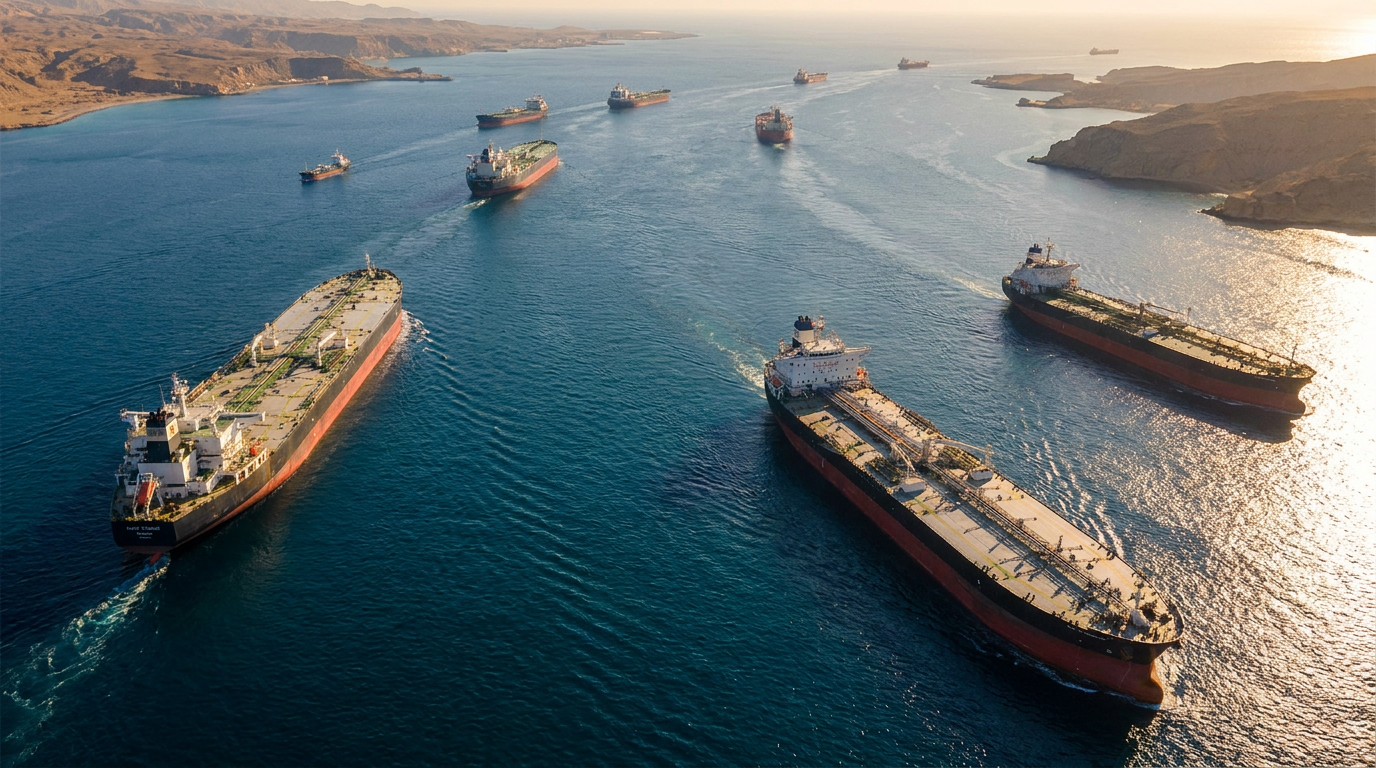
The immediate logistical bottleneck is staggering. As news of the diplomatic agreement broke, industry data revealed that approximately 600 commercial vessels are currently idling in safe harbors or holding patterns, eyeing an exit or entry through the Strait. These ships carry everything from crude oil and liquefied natural gas to vital agricultural inputs and manufactured goods. The sheer volume of pent-up maritime traffic underscores the severity of the physical supply crunch that has gripped the global economy over the past quarter.[3]
Asia has borne the brunt of this maritime freeze. For months, major manufacturing hubs and energy importers across the Asia-Pacific region have suffered a severe physical supply crunch. The inability to source reliable energy and raw materials from the Middle East forced these economies to draw down strategic reserves and pay exorbitant premiums for alternative routing. While the reopening offers a light at the end of the tunnel, analysts warn that the economic scars of depleted inventories and disrupted production schedules will likely drag on Asian economies long after the first ships transit the strait.[1]
Financial markets, however, are trading on the optimism of the headline. Energy markets reacted violently to the downside, with global benchmark crude prices tumbling as the geopolitical risk premium evaporated. The prospect of millions of barrels of Middle Eastern oil flowing freely to global markets has fundamentally altered the near-term supply-demand calculus. Traders who had positioned for a prolonged, multi-year disruption are rapidly unwinding their long positions, accelerating the downward price action.[2][5]
The structural outlook for energy prices depends heavily on the durability of the agreement. According to Sara Vakhshouri, founder of SVB Energy International, the oil market had largely adapted to the disruption through alternative sourcing and demand destruction. If the waterway truly reopens and safe transit is guaranteed, she notes that crude prices could rapidly fall back to pre-war levels. This normalization would effectively erase the inflationary energy shock that has plagued the global economy since February.[2]
The relief extends far beyond energy markets, bleeding into global agriculture and food security. Grain futures in Chicago declined sharply following the announcement, driven by the prospect of improved access to vital crop inputs. The Middle East is a major exporter of fertilizers and agricultural chemicals; the reopening of Hormuz would ease the farm input shock that has threatened to drive up global food inflation. Cheaper inputs translate directly to lower production costs for farmers worldwide, offering a delayed but significant relief valve for grocery store prices.[7]
The relief extends far beyond energy markets, bleeding into global agriculture and food security.
Industrial metals, often viewed as a barometer for global economic health, also surged on the news. Copper prices popped higher as the interim agreement eased fears of a prolonged global recession. The logic among commodities traders is straightforward: lower energy costs and normalized supply chains reduce the risk of stagflation, putting economic growth bulls back in charge. The renewed optimism for metals demand suggests that manufacturers are preparing to ramp up production once the logistical backlog clears.[8]

This massive shift in commodity pricing has immediate macroeconomic consequences, particularly for central banks. For months, the Federal Reserve and its global counterparts have been trapped between slowing economic growth and sticky, supply-driven inflation. The sudden drop in energy and agricultural costs provides central bankers with unexpected breathing room. If the inflationary pressures of the Hormuz closure recede, the imperative to maintain punishingly high interest rates diminishes significantly.[4]
Bond markets moved swiftly to price in this new reality. U.S. Treasuries advanced across the yield curve as traders aggressively trimmed their bets on future Federal Reserve interest-rate hikes. The rally in government debt reflects a growing consensus that the central bank's tightening cycle may have reached its terminal phase. Investors are betting that the deflationary impulse of normalized global trade will do the Fed's job for it, potentially opening the door for rate cuts later in the year if economic growth falters.[4]

Despite the euphoria in financial markets, the operators tasked with actually moving goods through the Strait remain deeply cautious. A signed diplomatic framework does not automatically equate to a safe maritime operating environment. Shipowners and freight operators are demanding absolute clarity on the terms of the deal and the security guarantees provided by both regional and global naval forces. After months of false starts and escalating risks, the maritime industry is unwilling to risk billion-dollar assets and human lives on a political promise.[3][5]
The mechanics of restarting transit involve complex negotiations with maritime insurance syndicates. War-risk premiums for vessels operating in the Persian Gulf had skyrocketed to prohibitive levels during the conflict. Before the 600 waiting vessels can move, insurers must be convinced that the threat of asymmetric attacks, minefields, or state-sponsored seizures has been entirely neutralized. This risk assessment process will likely delay the physical resumption of trade by several weeks, even in a best-case scenario.[3]

Geopolitical analysts are also urging caution, noting the inherent fragility of the interim agreement. The deal halts the active fighting but leaves many of the underlying strategic tensions unresolved. The lack of granular detail released by both Washington and Tehran has added a layer of uncertainty to the long-term outlook. Observers are closely watching the implementation phases to see if both sides adhere to the confidence-building measures required to make the peace durable.[9]
Robert Pape, a political science professor at the University of Chicago, emphasizes that the structural balance of power in the region remains largely unchanged. He points out that Iran's fundamental leverage—its geographic ability to threaten the Strait of Hormuz—is not going to disappear because of this specific diplomatic arrangement. The agreement may pause the crisis, but the global economy remains tethered to the stability of a historically volatile chokepoint.[9]
The diplomatic focus now shifts to the complex unwinding of economic sanctions. European leaders have signaled a willingness to provide sanctions relief in exchange for verifiable compliance with the peace terms. However, dismantling a sprawling, multi-jurisdictional sanctions regime is a bureaucratic labyrinth that takes months, if not years, to fully execute. Financial institutions and multinational corporations will require explicit legal safe harbors before they re-engage with Iranian entities or invest in regional infrastructure.[6]
Ultimately, while the U.S.-Iran peace deal marks a historic de-escalation and a massive relief for global markets, the transition from war to normalized trade will be uneven. The immediate financial repricing is complete, but the physical clearing of the maritime backlog, the healing of Asian supply chains, and the rebuilding of trust in regional security will take considerable time. The global economy has survived the acute phase of the crisis, but the vulnerability of its most critical maritime artery has been starkly exposed.[1][3][5]
Viewpoints in depth
Financial Markets & Investors
Trading on the immediate deflationary relief of a reopened chokepoint.
For global financial markets, the interim agreement is the exact catalyst needed to break the stagflation narrative. By removing the geopolitical risk premium from crude oil and agricultural inputs, the deal effectively acts as a massive tax cut for the global consumer. Bond traders and equity investors are aggressively pricing in a scenario where central banks, particularly the Federal Reserve, can abandon further rate hikes, allowing economic growth to re-accelerate without the drag of soaring energy costs.
Maritime Logistics Operators
Demanding physical security and insurance clarity before moving vessels.
The perspective from the bridge of a commercial oil tanker is vastly different from a Wall Street trading desk. Shipowners are paralyzed by the reality of war-risk insurance premiums and the physical threat of asymmetric naval warfare. Until international naval coalitions sweep the transit corridors for mines and insurance syndicates drastically lower their coverage rates, the 600 vessels idling outside the Strait will not move. For this camp, a political signature means nothing without a secure operating environment.
Geopolitical & Security Analysts
Warning that the structural leverage over the global economy remains intact.
Security experts view the interim deal as a temporary pause rather than a permanent resolution. They argue that the fundamental geography of the Strait of Hormuz means the global economy will always remain vulnerable to regional instability. Because the underlying strategic tensions and proxy conflicts have not been fully resolved, analysts warn that the threat of a future closure remains a potent piece of leverage that can be activated whenever diplomatic relations deteriorate.
What we don't know
- The exact timeline for when maritime insurance syndicates will lower war-risk premiums enough to make transit economically viable.
- The specific mechanisms and timeline for the unwinding of European and U.S. economic sanctions.
- Whether the interim agreement includes verifiable constraints on future maritime harassment in the Strait.
Sources
Source coverage
10 outlets
3 viewpoints surfaced



[1]The New York TimesCautious Logistics Operators
Hormuz Reopening Would Offer Relief for Asia, but Economic Scars Will Remain
Read on The New York Times →[2]BloombergGeopolitical Skeptics
SVB Energy's Vakhshouri on the Outlook for Oil Prices
Read on Bloomberg →Shipowners Seek Clarity on Hormuz Deal as 600 Vessels Eye Exit
Read on Bloomberg →Treasuries Rally as Traders Trim Fed Hike Bets After Iran Deal
Read on Bloomberg →[5]CNBCMarket Optimists
Markets cheer U.S.-Iran agreement, but some investors caution deal is yet to be signed
Read on CNBC →World leaders welcome U.S.-Iran deal as Europe signals sanctions relief, urges Hormuz reopening
Read on CNBC →Crop Prices Drop as Hormuz Reopening Would Ease Farm Input Shock
Read on Bloomberg →Copper Pops Higher as US-Iran Agreement Puts Bulls in Charge
Read on Bloomberg →University of Chicago's Pape on the US-Iran Deal
Read on Bloomberg →[10]U.S. Energy Information Administration
World Oil Transit Chokepoints: Strait of Hormuz
Read on U.S. Energy Information Administration →

More in business
See all 5 stories →AI Infrastructure
SpaceX Raises Record $85.7 Billion in Historic IPO to Fund Orbital AI Infrastructure
7 sources
AI Economics
The Compute-First Era: How AI is Rewriting the Rules of Venture Capital
6 sources
Fed Watch
Federal Reserve Holds Rates Steady as New Chair Kevin Warsh Signals Hawkish Pivot
8 sources
Every angle. Every day.
Get business stories with full source coverage and perspective breakdowns delivered to your inbox.