
How the Convergence of a Super El Niño and Trade Chokepoints is Rewiring Global Food Prices
A rare alignment of severe climate patterns and geopolitical trade disruptions is testing the global food supply chain, but record grain reserves and agricultural technology are providing unprecedented buffers against a major price shock.

- Market Analysts
- Focuses on the macroeconomic buffers, noting that high global inventories and substitution effects will prevent a systemic price crisis.
- Food Security Advocates
- Emphasizes the vulnerability of import-dependent nations in the Global South, where even minor price fluctuations can impact local food access.
- Agricultural Producers
- Views the climate shift as a strategic variable, focusing on adapting planting schedules and leveraging technology to maximize yields in changing conditions.
Perspectives this story doesn't cover
- Smallholder farmers in un-irrigated regions
- Consumer packaged goods (CPG) pricing strategists
Key points
- A 'Super El Niño' is redistributing global moisture, causing droughts in Asia and heavy rains in the Americas.
- Geopolitical tensions continue to disrupt major shipping routes, adding freight costs to agricultural exports.
- Global grain reserves are at a ten-year high, providing a massive buffer against potential shortages.
- Advances in precision agriculture and drought-resistant seeds are preventing the severe crop failures seen in past climate cycles.
In the summer of 2026, the global food system is facing a unique stress test. A confirmed 'Super El Niño' climate pattern is actively rewiring global weather systems, just as ongoing geopolitical tensions continue to restrict major maritime trade routes. Historically, either of these factors alone has been enough to trigger double-digit inflation at the grocery store.[1][3]
However, commodity markets are currently telling a different story. Rather than panicking, the global agricultural sector is demonstrating a remarkable degree of structural resilience. While benchmark futures for certain vulnerable crops have ticked upward, the broader food price indices remain heavily buffered by record global inventories and rapid technological adaptation.[2][4]
To understand why prices aren't spiraling, it is essential to break down the mechanics of the current dual threat. The first mechanism is climate. El Niño—a periodic warming of sea surface temperatures in the central and eastern Pacific Ocean—fundamentally alters global precipitation. The 2026 event has crossed the +2.0°C anomaly threshold, classifying it as a 'Super' event.[3][4]
For agriculture, El Niño is not universally destructive; rather, it is a massive redistributor of moisture. In Southeast Asia, India, and Australia, the pattern typically brings severe drought. This places immense pressure on water-intensive crops like rice, sugar, and robusta coffee, which have seen their futures contracts climb steadily since January as traders price in lower yields.[1][6]
Conversely, the same climate pattern brings heavier-than-average rainfall to the Americas. Agricultural heartlands in the United States, Brazil, and Argentina are currently projecting bumper crops for soybeans, corn, and winter wheat. This geographic offset is a crucial shock absorber for the global caloric baseline, ensuring that while specific items may become more expensive, overall staple availability remains high.[6]
The second mechanism driving the current landscape is geopolitical friction. Ongoing conflicts have created persistent choke points in the Black Sea and the Red Sea, forcing commercial shipping to take longer, more expensive routes around the Cape of Good Hope. This adds significant freight costs to bulk agricultural commodities moving from Europe and Asia to the rest of the world.[5][7]
The second mechanism driving the current landscape is geopolitical friction.
In previous eras, these logistical hurdles would have triggered a cascade of protectionist export bans, as nervous governments hoarded domestic supplies. While some localized export quotas remain in place—particularly for specific grades of rice in South Asia—the broader international community has largely avoided the panic-driven trade wars that exacerbated the 2007-2008 and 2022 food crises.[2][7]
The primary reason for this calm is the 'stock-to-use ratio'—the metric economists use to measure the world's grain reserves against its annual consumption. Entering the 2026 El Niño cycle, the global stock-to-use ratio for major grains sits near 29.5%, a ten-year high. These massive reserves act as a global insurance policy, allowing importing nations to draw down stockpiles rather than bid up prices on the open market.[3][4]
Beyond physical reserves, the agricultural sector has deployed unprecedented technological buffers. Following the fertilizer price shocks of the early 2020s, farmers globally accelerated the adoption of precision agriculture. Using satellite imagery and AI-driven soil analysis, commercial farms are now producing higher yields with significantly fewer chemical inputs, lowering the break-even price for major commodities.[6][8]
Seed technology has also evolved rapidly. The widespread deployment of drought-tolerant wheat and rice varieties over the last three years is actively mitigating the worst impacts of the El Niño dry spells in the Asia-Pacific region. While yields in these areas will still dip, the catastrophic crop failures modeled in older climate scenarios are largely being avoided.[8]
For the average consumer, the convergence of these factors means that the era of volatile, across-the-board food inflation is likely over, replaced by targeted, item-specific price shifts. Because commodities only make up about 15% of the final retail price of packaged food—with the rest driven by labor, packaging, and marketing—slight increases in raw grain costs are easily absorbed by manufacturers.[1][5]
Shoppers may notice subtle substitution effects on grocery shelves. If robusta coffee yields fall, brands may blend in more arabica. If rice becomes temporarily expensive in certain regions, consumer packaged goods companies can pivot to wheat or corn-based alternatives for processed snacks, utilizing the bumper crops coming out of the Americas.[5][8]
Ultimately, the 2026 agricultural landscape represents a successful stress test of a modernized system. While the dual pressures of a Super El Niño and geopolitical trade friction are real and formidable, the global food supply chain has transitioned from a fragile 'just-in-time' model to a robust 'just-in-case' architecture, ensuring stability when it is needed most.[4][5]
Why this matters
Understanding the mechanics behind global food commodity pricing helps consumers and businesses anticipate grocery bills and adapt purchasing habits before localized shortages occur. It also highlights how modern agricultural technology is actively preventing the kind of severe food crises seen in previous decades.
How we got here
Early 2026
Meteorologists confirm the development of a 'Super El Niño' pattern in the Pacific Ocean.
Spring 2026
Farmers in the Americas adjust planting schedules to capitalize on projected heavy rainfall.
June 2026
Global grain stock-to-use ratios officially hit a ten-year high, signaling strong market resilience.
July 2026
Commodity markets stabilize as traders price in the mitigating effects of global reserves and agricultural technology.
Viewpoints in depth
Market Analysts
Focuses on the macroeconomic buffers preventing a systemic price crisis.
Financial and agricultural economists argue that the market has fundamentally matured since the food crises of 2008 and 2022. They point to the record 29.5% stock-to-use ratio as the ultimate shock absorber. From this perspective, the current commodity landscape is functioning exactly as designed: localized weather anomalies are being smoothed out by massive global inventories and the ability of multinational food corporations to seamlessly substitute ingredients based on real-time pricing data.
Food Security Advocates
Emphasizes the vulnerability of import-dependent nations to even minor price fluctuations.
International organizations like the FAO and the World Bank maintain a more cautious outlook. While they acknowledge that a global, systemic price shock is unlikely, they warn that the 'averages' hide localized pain. For import-dependent nations in the Global South, the combination of elevated shipping costs from the Red Sea and localized export quotas on staples like rice can still trigger severe domestic inflation. They argue that global resilience means little to a local market cut off from affordable maritime freight.
Agricultural Producers
Views the climate shift as a strategic variable to be managed through technology.
For commercial farmers, a Super El Niño is less a crisis and more a logistical puzzle. Producers in the Americas are aggressively leveraging the forecasted rainfall to maximize yields of corn and soybeans, aiming to capture market share from drought-stricken regions. This camp heavily credits the last five years of investment in precision agriculture and drought-resistant genetics, arguing that modern farming is now insulated enough from weather volatility to keep the global caloric baseline secure regardless of the climate cycle.
Sources
Source coverage
8 outlets
3 viewpoints surfaced







- [1]ReutersAgricultural Producers
Global food markets test resilience as El Niño and trade friction converge
Read on Reuters → - [2]BloombergMarket Analysts
Commodity Markets Price In 'Super El Niño' Agricultural Risks
Read on Bloomberg → - [3]Food and Agriculture OrganizationFood Security Advocates
FAO Food Price Index and 2026 Outlook: Navigating Climate and Conflict
Read on Food and Agriculture Organization → - [4]World BankFood Security Advocates
Commodity Markets Outlook: El Niño Impacts and Global Reserves
Read on World Bank → - [5]The EconomistMarket Analysts
The new economics of food resilience
Read on The Economist → - [6]Farm JournalAgricultural Producers
Farmers Pivot Planting Strategies to Capitalize on El Niño Moisture
Read on Farm Journal → - [7]Al JazeeraFood Security Advocates
Undocumented migrants flee South Africa amid rising anti-immigrant protests
Read on Al Jazeera → - [8]Financial TimesMarket Analysts
Agri-tech investments surge as supply chains seek climate buffers
Read on Financial Times →
Comments

More in Food & Drink
See all →Starch Chemistry
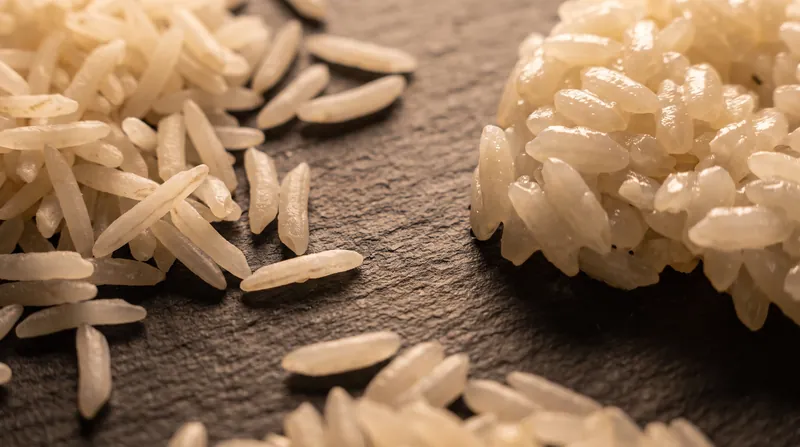
The Amylose-Amylopectin Ratio: How Starch Composition Dictates the Texture of Global Rice Varieties
6 sources
Food Chemistry
How Potassium Bitartrate Prevents Disulfide Bonds from Forming in Egg White Foam
6 sources

GABA Processing
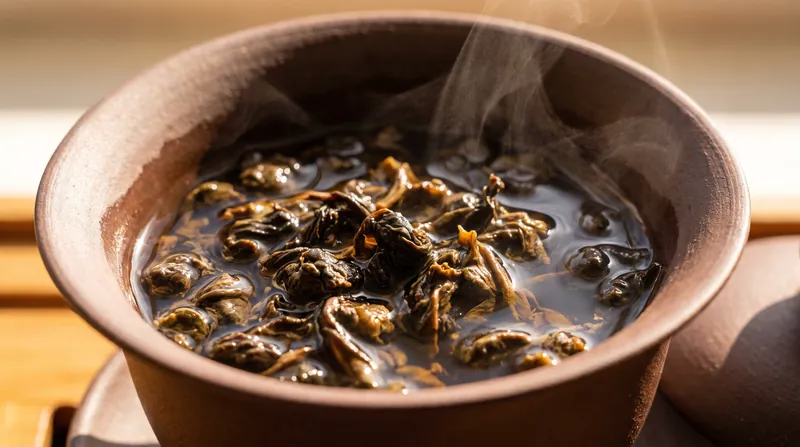
The Nitrogen Threshold: How Anaerobic Fermentation Converts Glutamic Acid into GABA in Oolong Tea
4 sources
Espresso Mechanics
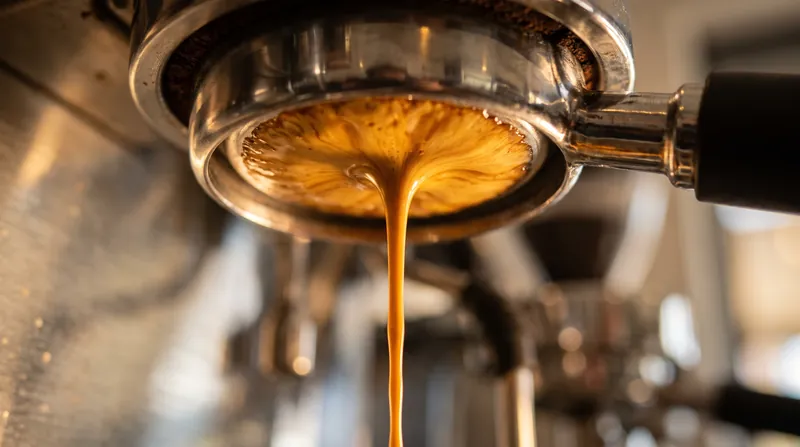
How Bimodal Grind Distributions Build the Structural Resistance Required for 9-Bar Espresso
2 sources
Every angle. Every day.
Get Food & Drink stories with full source coverage and perspective breakdowns delivered to your inbox.