
How Synthetic E-Fuels Could Save the Internal Combustion Supercar
Automakers like Porsche and Ferrari are investing heavily in carbon-neutral synthetic fuels to preserve the acoustic and mechanical soul of their combustion engines beyond the EU's 2035 emissions ban.
By Factlen Editorial Team
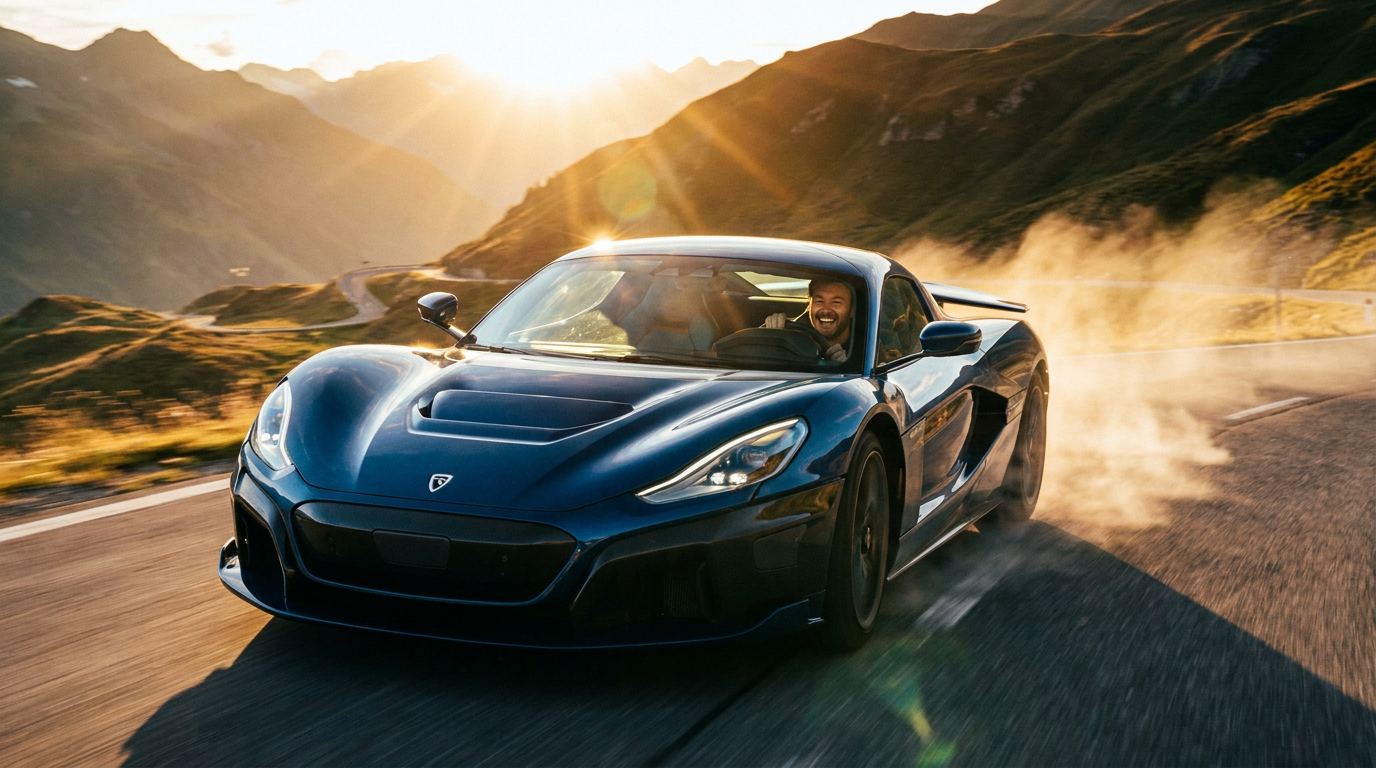
- Supercar Manufacturers
- Argue that the emotional and acoustic characteristics of combustion engines are essential to their brand identity and can be preserved sustainably.
- E-Fuel Advocates
- Believe synthetic fuels are a vital, drop-in solution for decarbonizing existing fleets and hard-to-electrify sectors without overhauling infrastructure.
- Efficiency Proponents
- Highlight the massive energy losses inherent in e-fuel production, arguing that direct battery electrification is the only logical path for mass transport.
What's not represented
- · Mass-market consumers priced out of e-fuels
- · Renewable energy grid operators
Why this matters
While battery-electric vehicles will dominate daily commuting, synthetic fuels offer a viable, climate-neutral lifeline for hard-to-decarbonize sectors and high-performance vehicles, proving that the transition to green energy doesn't have to mean the death of automotive heritage.
Key points
- Synthetic e-fuels are manufactured using renewable energy, green hydrogen, and captured carbon dioxide.
- Because they recycle existing carbon, e-fuels are considered carbon-neutral despite producing tailpipe emissions.
- The EU has granted an exemption to its 2035 combustion engine ban for vehicles running exclusively on e-fuels.
- Porsche and Ferrari are investing heavily in the technology to preserve their iconic V8, V12, and flat-six engines.
- Producing e-fuels is highly energy-intensive, making them far less efficient than direct battery electrification.
- While too expensive for daily commuters, e-fuels offer a viable lifeline for low-volume, high-performance supercars.
The automotive industry is hurtling toward a quiet future. With the European Union firmly mandating an end to the sale of new fossil-fuel vehicles by 2035, the visceral roar of the internal combustion engine seems destined for the history books. For mass-market commuters, the transition to battery-electric vehicles is a logical, necessary step to combat climate change and reduce urban pollution. But for the world's elite supercar manufacturers, the impending silence of an electric motor represents an existential threat to their brand identity and heritage.[4]
Companies that build their legacy on the acoustic drama and mechanical soul of high-revving engines face a unique dilemma. Lamborghini executives have openly noted that while electric vehicles offer blistering straight-line acceleration, they currently lack the emotional engagement and tactile feedback that define the traditional supercar experience. The mechanical symphony of a V12 engine shifting gears at redline is something a silent battery pack simply cannot replicate. The challenge for these historic marques is how to preserve that mechanical artistry and emotional connection without contributing to global carbon emissions.[3]
The proposed savior for the high-performance combustion engine is not a new mechanical design, but a radically reimagined type of fuel. Synthetic e-fuels, or electrofuels, are rapidly emerging as a high-tech, drop-in replacement for traditional gasoline. Unlike fossil fuels that are pumped from deep underground and refine ancient carbon, e-fuels are manufactured in cutting-edge laboratories and refineries using a process that essentially runs the combustion cycle in reverse, building complex hydrocarbons from scratch. This innovative approach offers a lifeline to existing engine architectures, allowing them to operate without adding new greenhouse gases to the atmosphere.[5]
The creation of a synthetic fuel begins with water and massive amounts of renewable electricity. Through a highly energy-intensive process called electrolysis, power generated by wind turbines, solar panels, or hydroelectric dams is used to split water molecules into their base components of oxygen and green hydrogen. This green hydrogen forms the energetic backbone of the future fuel, capturing the renewable energy in a stable, chemical form that can be transported and stored far more easily than raw electricity.[5]

The second crucial ingredient in the e-fuel recipe is carbon. To ensure the final combustible product does not add new greenhouse gases to the atmosphere, the carbon dioxide used in the synthesis process must be captured directly from the ambient air or intercepted from industrial waste streams before it can escape into the environment. This direct air capture technology acts as an artificial forest, pulling harmful emissions out of the sky to be repurposed into a usable energy source.[5]
In the final stage of production, the green hydrogen and captured carbon dioxide are subjected to high heat and intense pressure within a specialized synthesis reactor. This environment forces the molecules to bond, creating a liquid hydrocarbon—such as e-methanol or synthetic gasoline—that is chemically identical to the refined petroleum used in cars today. Because the molecular structure is the same, this synthetic fuel can be poured directly into a traditional combustion engine without requiring any mechanical modifications or software updates.[5]
The true magic of this complex process lies in its carbon neutrality. When a high-performance supercar burns synthetic e-fuel, it still emits carbon dioxide from its tailpipe, just as it would with traditional gasoline. However, because that exact same amount of carbon dioxide was pulled out of the atmosphere to manufacture the fuel in the first place, the net addition of greenhouse gases to the environment is zero. The engine is simply recycling carbon that already existed in the air.[5][6]
This technological promise recently reshaped European climate policy in a profound way. Following intense lobbying from Germany and Italy—the historic homes of Porsche, Ferrari, and Lamborghini—the European Union agreed to a landmark loophole in its looming 2035 combustion engine ban. Automakers will be legally permitted to sell new internal combustion vehicles well beyond the deadline, provided those vehicles are mechanically locked to run exclusively on CO2-neutral e-fuels, ensuring they cannot be fueled by traditional fossil gasoline.[4]

This technological promise recently reshaped European climate policy in a profound way.
Porsche has positioned itself at the absolute vanguard of this synthetic movement. The German automaker has already invested heavily in the technology, partnering with HIF Global to operate the Haru Oni pilot plant in Punta Arenas, Chile, where fierce, consistent winds provide abundant renewable energy for electrolysis. Porsche is also backing a massive $100 million e-fuel facility in Tasmania, aiming for commercial-scale production by 2026 to ensure its iconic 911 sports car can survive the industry's electric transition.[4][7]
Ferrari is charting a similar, highly strategic dual-path forward. While the Prancing Horse is actively developing its first fully electric vehicle slated for release in 2025, CEO Benedetto Vigna has publicly confirmed that e-fuels represent a valid, long-term way forward for the company's legendary V8 and V12 engines. Vigna noted that the rapid development of synthetic fuels provides a crucial reinforcement of Ferrari's strategy to offer its elite clients a choice between electric, hybrid, and pure combustion power.[1][2]
The global push for e-fuels is being significantly accelerated by the world's premier motorsport series. Formula 1 is set to introduce sweeping new engine regulations in 2026 that will require all race cars on the grid to run on 100 percent sustainable synthetic fuels. This high-stakes, hyper-competitive racing environment will serve as a billion-dollar laboratory, rapidly advancing the efficiency, combustion characteristics, and energy density of e-fuels before those innovations eventually trickle down to consumer road cars.[2]
Lamborghini is also watching the e-fuel space with intense interest. While the Italian marque is currently utilizing advanced plug-in hybrid technology—like the V12-powered Revuelto—to bridge the immediate emissions gap, the company hopes that maturing e-fuel regulations will eventually allow them to keep their pure combustion engines alive indefinitely. For Lamborghini, the visceral roar of an engine is a non-negotiable aspect of the brand's theatrical appeal, making synthetic fuels an incredibly attractive long-term solution.[3]

Despite the romantic appeal of saving the combustion engine, e-fuels face severe scientific and economic headwinds. The primary obstacle is the unforgiving law of thermodynamics. The multi-step process of generating renewable electricity, using it to make hydrogen, capturing carbon from the air, synthesizing a liquid fuel, and then finally burning it in a mechanical engine results in massive, compounding energy losses at every single stage of production. Critics argue that this convoluted process is a highly inefficient use of the world's limited renewable energy resources.[6]
When analyzing the 'well-to-wheel' efficiency of different propulsion methods, battery-electric vehicles are vastly superior. An electric motor converts roughly 85 percent of its stored electrical energy directly into forward motion. In stark contrast, the total efficiency of a vehicle running on synthetic e-fuel is currently hovering around a dismal 15 percent. It takes roughly five times more renewable energy generation to drive a car one mile on synthetic fuel than it does to drive the exact same mile on pure battery power.[6]
This staggering thermodynamic inefficiency translates directly into exorbitant retail costs. Currently, synthetic fuels are produced in such small, experimental quantities that they cost several times more per gallon than traditional premium gasoline. Scaling up production to bring prices down to a commercially viable level will require building a colossal, global infrastructure of wind and solar farms dedicated solely to fuel synthesis, a monumental undertaking that will take decades and hundreds of billions of dollars to complete.[4]
However, for the ultra-luxury supercar industry, these practical drawbacks are largely irrelevant. Vehicles produced by Ferrari and Lamborghini are driven sparingly, often covering less than a few thousand miles a year, meaning their overall energy footprint is a fraction of a rounding error in the global climate equation. Furthermore, the ultra-wealthy clientele who purchase million-dollar hypercars are entirely insulated from the high cost of boutique synthetic fuels, making the economic argument against e-fuels a moot point for this specific demographic.[7]

E-fuels also offer a massive logistical advantage that electric vehicles cannot match: they are fully compatible with the world's existing energy infrastructure. Unlike battery-electric vehicles, which require a complete overhaul of the global power grid and the installation of millions of new charging stations, synthetic fuels can be transported in existing pipelines, stored in existing underground tanks, and pumped at existing gas stations without requiring any new physical infrastructure.[4][6]
Ultimately, synthetic e-fuels are highly unlikely to ever power the average family sedan. The sheer efficiency and falling costs of battery-electric vehicles make them the undisputed future of daily, mass-market transportation. But as a targeted, high-tech solution for hard-to-abate sectors like aviation, maritime shipping, and the world's most evocative supercars, e-fuels offer a brilliant compromise. They prove that achieving a carbon-neutral future does not necessarily require sacrificing the mechanical masterpieces and acoustic artistry of the automotive past.[7]
How we got here
2022
Porsche and HIF Global open the Haru Oni pilot plant in Chile to begin producing synthetic e-fuels using wind power.
March 2023
The European Union agrees to a loophole in its 2035 emissions ban, allowing the continued sale of combustion cars that run exclusively on CO2-neutral fuels.
2026
Formula 1 is scheduled to implement new engine regulations requiring all race cars to run on 100 percent sustainable synthetic fuels.
2035
The European Union's ban on the sale of new traditional fossil-fuel vehicles takes effect.
Viewpoints in depth
Supercar Manufacturers
Preserving the mechanical soul of the automobile.
For brands like Ferrari, Lamborghini, and Porsche, the internal combustion engine is not just a propulsion method; it is the emotional core of their products. These manufacturers argue that the acoustic drama, vibration, and mechanical engagement of a high-revving engine cannot be replicated by an electric motor. By investing heavily in synthetic e-fuels, they aim to decouple their legendary V8 and V12 engines from fossil fuels, allowing them to meet strict climate targets without sacrificing the visceral experience that their ultra-wealthy clientele demand.
E-Fuel Advocates
A drop-in solution for a fossil-free future.
Proponents of synthetic fuels, including major automotive suppliers and energy companies, argue that the world cannot rely on battery-electric vehicles alone to reach carbon neutrality. They point out that e-fuels offer a 'drop-in' replacement that works perfectly with the billions of combustion engines already on the road, as well as existing global infrastructure like pipelines and gas stations. Furthermore, they view e-fuels as the only viable decarbonization path for heavy-duty sectors like aviation and maritime shipping, where heavy batteries are physically impractical.
Efficiency Proponents
The inescapable laws of thermodynamics.
Environmental analysts and EV advocates frequently point to the staggering inefficiency of synthetic fuel production. Converting renewable electricity into hydrogen, capturing carbon, synthesizing a liquid fuel, and then burning it in an engine results in an energy loss of roughly 85 percent. These proponents argue that using renewable electricity to directly charge a battery is vastly more efficient and logical for the vast majority of transportation needs. They warn that diverting massive amounts of green energy to produce boutique fuels for luxury cars could slow down the broader transition to a sustainable grid.
What we don't know
- Whether the cost of producing synthetic e-fuels will ever drop low enough to be viable outside of the ultra-luxury supercar market.
- How regulators will reliably enforce the requirement that exempted combustion vehicles run exclusively on e-fuels rather than traditional gasoline.
- If the massive renewable energy infrastructure required to scale e-fuel production can be built quickly enough to meet future demand.
Key terms
- Synthetic E-Fuel
- A manufactured, drop-in replacement for fossil fuels created by synthesizing green hydrogen and captured carbon dioxide.
- Electrolysis
- A process that uses electricity to split water molecules into hydrogen and oxygen.
- Carbon Neutrality
- A state of net-zero carbon dioxide emissions, achieved when the amount of CO2 released is balanced by an equivalent amount removed from the atmosphere.
- Well-to-Wheel Efficiency
- A measurement of the total energy efficiency of a vehicle, accounting for the energy lost during the production, transportation, and consumption of its fuel.
Frequently asked
What exactly is a synthetic e-fuel?
An e-fuel is a liquid hydrocarbon fuel made by combining green hydrogen (produced via water electrolysis) with carbon dioxide captured from the atmosphere or industrial waste.
Are e-fuels really carbon neutral?
Yes, in net terms. While burning them releases carbon dioxide from the tailpipe, it is the exact same amount of carbon dioxide that was captured from the air to manufacture the fuel, resulting in zero net emissions.
Why not just use electric batteries for supercars?
Supercar manufacturers argue that battery-electric vehicles lack the acoustic drama, vibration, and emotional engagement of a high-revving internal combustion engine, which are core to their brand identities.
Will regular commuter cars use e-fuels?
It is highly unlikely. E-fuels are currently very expensive and require massive amounts of energy to produce, making highly efficient battery-electric vehicles the better choice for daily commuting.
Sources
Source coverage
7 outlets
3 viewpoints surfaced







[1]AutocarSupercar Manufacturers
Ferrari CEO: E-fuels are 'way forward' for ICE supercars
Read on Autocar →[2]Green Car ReportsSupercar Manufacturers
Ferrari sees synthetic fuel as savior of ICE supercars
Read on Green Car Reports →[3]CarscoopsSupercar Manufacturers
Lamborghini CEO Says It's Too Early For Fully Electric Supercars
Read on Carscoops →[4]WardsAutoE-Fuel Advocates
E-Fuels: Navigating the Path from Pilot to Commercial Scale Production
Read on WardsAuto →[5]Mitsubishi Heavy IndustriesE-Fuel Advocates
What are e-fuels and how are they made?
Read on Mitsubishi Heavy Industries →[6]Power Electronics NewsEfficiency Proponents
E-fuels and Biofuels as Alternatives to EVs
Read on Power Electronics News →[7]Factlen Editorial TeamEfficiency Proponents
Synthesis by Factlen editorial team
Read on Factlen Editorial Team →
Every angle. Every day.
Get automotive stories with full source coverage and perspective breakdowns delivered to your inbox.