
How Step-On Bindings Are Revolutionizing Snowboarding and Driving Record Participation
A new generation of step-on and hybrid snowboard bindings has eliminated the sport's biggest physical barrier, driving a surge in participation and keeping older riders on the mountain.
By Jackson Reed

The familiar scene of snowboarders sitting in the snow at the top of the chairlift, furiously ratcheting their bindings while skiers glide effortlessly past, is rapidly becoming a relic of the past. A technological revolution in binding design is sweeping the winter sports industry, fundamentally changing how riders interact with their equipment. For decades, the physical act of strapping in was accepted as a necessary annoyance of the sport, a ritual that resulted in cold hands, wet pants, and delayed descents. Today, that paradigm has shifted entirely.[4]
At the center of this transformation is the explosive adoption of "step-in" or "step-on" snowboard bindings. These innovative systems allow riders to simply step onto their board, hear a satisfying mechanical click, and ride away without ever bending over or touching a traditional strap. What began as a niche luxury for early adopters has evolved into a dominant market force, reshaping the equipment landscape and redefining the baseline expectations for mountain accessibility across the globe.[4]
The impact of this technology extends far beyond mere convenience; it is actively driving the sport's growth. Industry data reveals that snowboarding participation has surged dramatically, reaching 9.7 million riders in 2025, up from 7.1 million in 2019. This influx of 2.6 million new riders means snowboarding is currently outpacing skiing in new participant recruitment. A significant driver of this sustained growth—and the retention of existing riders—is the removal of the sport's most notorious physical barrier.
To fully understand the significance of the current boom, one must look at the industry's past failures. In the late 1990s, equipment manufacturers attempted to introduce the first generation of step-in bindings, but the technology was fundamentally flawed. The boots required rigid, uncomfortable metal shanks, the mechanisms frequently clogged with ice and snow, and the overall riding performance paled in comparison to traditional strap bindings. The concept was largely abandoned, leaving a lingering stigma that convenience inherently meant compromising on board control.
That stigma persisted until Burton Snowboards decided to resurrect the concept in the mid-2010s. Tasking a dedicated team of four engineers in a secretive research and development lab dubbed the "white room," the company spent years developing a system that wouldn't compromise the natural flex and feel of a traditional snowboard setup. The mandate was clear: the new system had to perform exactly like a premium strap binding, or it wouldn't be released to the public.
The resulting Burton Step On system cracked the code by utilizing a secure three-point connection. A specialized heel cleat locks directly into the binding's highback, while two toe hooks secure the front of the boot. Paired with BOA dial-lacing systems that ensure the boot itself remains snug, the design offers a highly responsive ride. By eliminating the need for heavy baseplate hardware, the system actually reduced overall weight while finally matching the edge-to-edge performance of traditional bindings.
Burton's success effectively proved the viability of the modern step-on market, triggering a fierce arms race among competing equipment manufacturers. The most significant challenger to Burton's closed ecosystem—which requires riders to purchase proprietary Step On boots—has been Nidecker's Supermatic binding. Recognizing that many riders are fiercely loyal to their existing footwear, Nidecker engineered a solution that didn't require a complete gear overhaul.[1]
The Nidecker Supermatic operates as a hybrid system, utilizing a drop-down highback mechanism that automatically snaps up and locks into place when the rider steps down on a specialized heel pedal. Crucially, the Supermatic works with any standard snowboard boot on the market. This universal compatibility has made it a massive success among riders who want the speed of a step-in system but refuse to part with their perfectly broken-in traditional boots.[1][2]
Other brands have rapidly entered the fray to capture market share. The German brand Clew introduced a unique two-part system where a lightweight highback remains attached to the boot, clicking seamlessly into a baseplate mounted on the board. Meanwhile, the 2025-2026 season has seen the debut of the FASE system, adopted by prominent brands like Bataleon and Jones. The FASE system offers a hybrid speed-entry mechanism that maintains the exact look, feel, and micro-adjustability of a traditional two-strap binding, catering to purists who still want the classic aesthetic.[1][3]
This proliferation of accessible technology is having a profound demographic impact on the sport. According to winter sports demographic reports, the median age of snow sports participants has steadily increased over the last decade, shifting from 30 to 35. The snowboarding population is aging, and the equipment is evolving to accommodate the changing physical needs of its most dedicated participants.
Older riders, particularly the Generation X and Baby Boomer cohorts who originally popularized snowboarding in the 1980s and 90s, are staying on the mountain significantly longer. The physical toll of constantly bending over to strap in—often a major deterrent for aging knees, hips, and lower backs—has been entirely eliminated. For many veteran riders, upgrading to a step-on system has added years to their snowboarding lifespan.
The technology is also revolutionizing the beginner experience. Instructors and rental fleet managers note that the barrier to learning to snowboard is drastically reduced when new riders don't have to spend their first day sitting in the cold snow struggling with unfamiliar ratchets. Rental shops across North America and Europe are increasingly adopting step-on systems, allowing first-timers to spend more time actually learning to balance and turn, rather than fighting their equipment.[4]
Despite the overwhelming adoption, there has always been a persistent myth among core, aggressive snowboarders that convenience comes at the cost of high-end performance. However, extensive testing of the 2025 and 2026 binding lineups by industry experts has largely dispelled this notion. The technology has matured past the point of being a mere gimmick for casual cruisers.[2]
Modern step-on and hybrid systems are now available in a wide variety of stiffness profiles. Riders can choose from soft, playful setups designed for terrain park tricks, to rigid, carbon-infused freeride models engineered for steep, aggressive backcountry lines. Professional riders and big-mountain competitors have fully adopted the technology, proving it can handle high speeds, deep powder, and massive impacts without releasing prematurely.[2]
The mechanics of these strapless systems also offer unexpected physiological benefits. By eliminating the pressure points traditionally caused by over-tightened ankle and toe straps, riders often experience significantly better blood circulation in their feet. This improved circulation leads to warmer toes, less foot fatigue, and ultimately, longer and more comfortable days on the hill.[4]
Looking ahead, the market is shifting from a phase of early adoption into mainstream standardization. Recognizing the demand, Burton has begun licensing its proprietary Step On technology to other major boot manufacturers, including DC and Nitro, expanding the ecosystem and giving consumers more choices in boot fit and style.[3]
As multiple platforms actively compete for market share, the ultimate winner is the consumer. The days of freezing hands, delayed lift lines, and exhausting strap-in routines are rapidly fading. They are being replaced by a seamless, intuitive experience that keeps the rider's focus entirely on the descent and the joy of the sport.[3]
For a sport that has historically prided itself on youth culture, rebellion, and a certain degree of rugged individualism, snowboarding's latest revolution is remarkably practical. By embracing accessibility, comfort, and inclusive design, the industry has ensured that riders of all ages, backgrounds, and abilities can keep sliding sideways for decades to come.[4]
Key points
- Snowboarding participation has surged to 9.7 million riders in 2025, outpacing skiing in new recruitment.
- Modern step-on bindings have eliminated the physical strain of strapping in, making the sport more accessible.
- The median age of snow sports participants has increased to 35, with older riders utilizing the tech to extend their riding years.
- Hybrid systems like the Nidecker Supermatic now allow riders to enjoy step-in convenience using any standard snowboard boot.
How we got here
Late 1990s
First generation of step-in bindings are introduced but fail due to poor performance and uncomfortable boots.
Mid-2010s
Burton Snowboards assigns a secretive engineering team to reinvent the step-on concept from scratch.
2017
Burton officially launches the modern Step On system, proving the technology can match traditional binding performance.
2022
Nidecker releases the Supermatic, introducing a highly successful hybrid system compatible with any standard boot.
2025
Snowboarding participation reaches 9.7 million, driven in part by the accessibility of new binding technologies.
2026
New hybrid systems like FASE enter the market, offering traditional strap aesthetics with step-in speed.
- Convenience Adopters
- Riders who prioritize speed, ease of use, and accessibility on the mountain.
- Universal System Advocates
- Riders and brands favoring hybrid systems that don't lock consumers into proprietary boots.
- Traditionalists
- Riders who prefer the micro-adjustability and proven reliability of classic strap bindings.
Perspectives this story doesn't cover
- Skiers impacted by snowboarder pacing
- Rental shop technicians managing fleet maintenance
Sources
Source coverage
4 outlets
3 viewpoints surfaced




- [1]WhitelinesTraditionalists
Best Quick-Entry Snowboard Bindings 2025-2026
Read on Whitelines → - [2]The InertiaUniversal System Advocates
Ridden and Reviewed: The Best Snowboard Bindings of 2026
Read on The Inertia → - [3]BoardSport SourceUniversal System Advocates
Retail Buyer's Guide 2026/27: Snowboard Bindings
Read on BoardSport Source → - [4]Factlen Editorial TeamConvenience Adopters
Synthesis by Factlen editorial team
Read on Factlen Editorial Team →

More in Sports
See all →Winter Sports
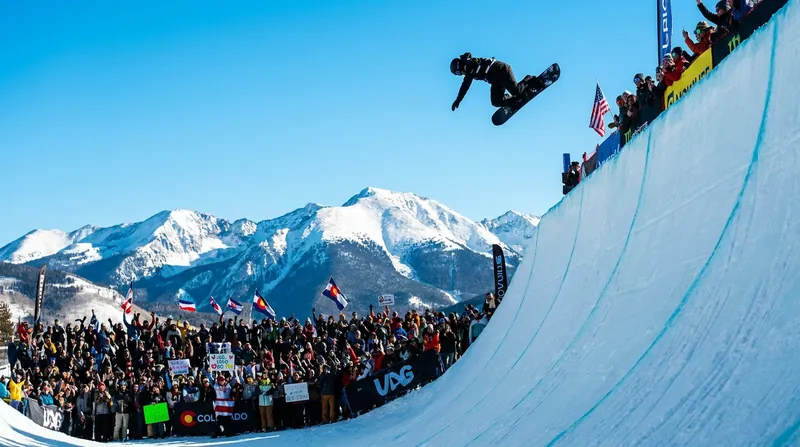
U.S. Ski & Snowboard Unveils Record 13 Domestic World Cup Events for 2026-27 Season
3 sources
Operation Giant Slalom
How 'Operation Giant Slalom' Dismantled a Transnational Cartel Network
4 sources

Injury
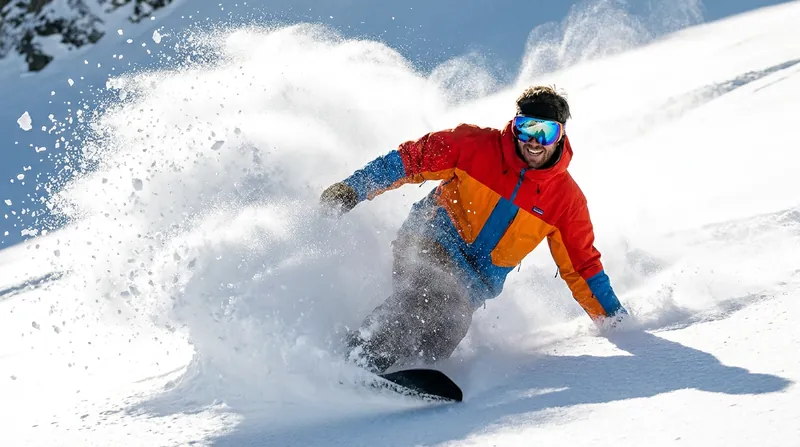
Snowboard Injury Report: Brearley, McMorris, and Hirano Target 2026–27 Returns Following Grueling Olympic-Year Setbacks
6 sources
Standings
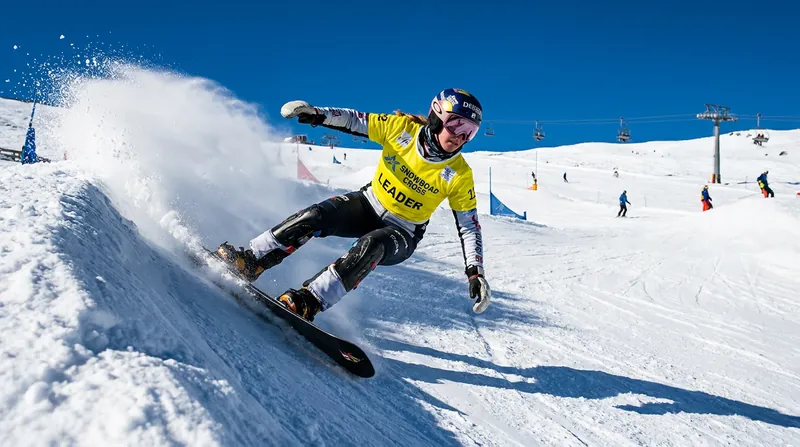
Josie Baff and Adam Lambert Headline the 2026 Australia New Zealand Cup Snowboard Cross Standings Chase
6 sources
Comments
Every angle. Every day.
Get Sports stories with full source coverage and perspective breakdowns, free every day.