
How Mycelium Leather Reached Commercial Scale in 2026
After years of prototype testing, mushroom-based leather is finally hitting mainstream fashion lines, offering a low-emission alternative to animal hides. But scaling the technology—and eliminating plastic coatings—remains a complex challenge.

In short
- Mycelium leather has moved from prototype to commercial scale, with the market reaching an estimated $2.9 billion in 2026.
- The material is grown from fungal root networks on agricultural waste in just 9 to 14 days.
- Production requires up to 90% less water and emits 70% to 95% less carbon than traditional bovine leather.
For decades, the fashion industry has chased a seemingly impossible holy grail: a material that possesses the supple durability of premium calfskin, but without the staggering environmental toll of animal agriculture. Synthetic alternatives, colloquially known as "vegan leather," have existed for years, but they are overwhelmingly derived from petroleum-based plastics like polyurethane (PU) or polyvinyl chloride (PVC). These synthetics merely trade the methane emissions and water consumption of cattle farming for fossil fuel extraction and microplastic pollution. Now, a biological breakthrough is fundamentally rewriting the material science of apparel.[4]
In 2026, bio-fabricated textiles have officially transitioned from experimental runway prototypes to commercial-scale production. At the forefront of this shift is mycelium leather, a material grown from the root-like networks of fungi. The global market for mycelium-based leather is estimated to reach $2.9 billion this year, driven by luxury fashion houses and athletic giants racing to decarbonize their supply chains. After years of pilot testing, the infrastructure required to produce these fungal hides by the millions of square feet is finally coming online.[1][2]
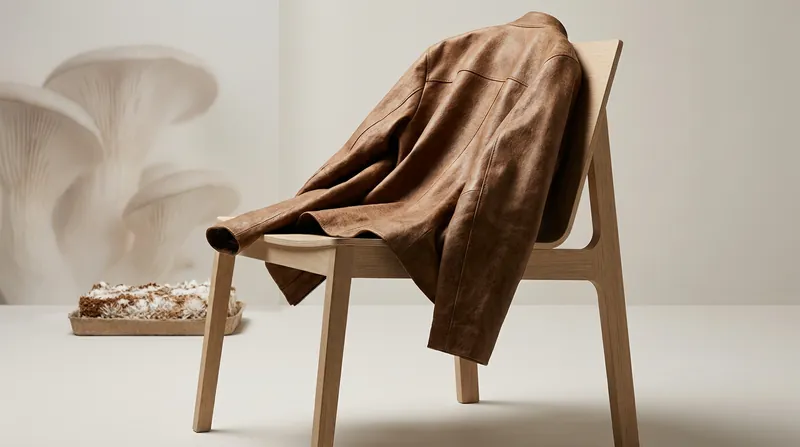
To understand the breakthrough, one must look underground. Mycelium is the vegetative part of a fungus, consisting of a mass of branching, thread-like hyphae. In nature, these networks stretch for miles beneath the forest floor, breaking down organic matter and binding the soil together. Material scientists have learned to harness this natural binding power, coaxing the fungi to grow into dense, interwoven mats that mimic the collagen structures found in animal skin.[3][4]
The cultivation process is a marvel of vertical farming and circular economics. Production begins with a substrate—typically agricultural waste products like sawdust, hemp hurds, or corn stalks. This waste is inoculated with specific fungal strains and placed in climate-controlled vertical trays. In the dark, humid environment, the mycelium feeds on the organic matter, rapidly multiplying and knitting itself into a solid, foam-like sheet.[3][4]
The speed of this biological manufacturing is unprecedented. While it takes two to three years and immense caloric resources to raise a cow for its hide, a sheet of mycelium leather can be grown in just 9 to 14 days. Once the mat reaches the desired thickness, it is harvested, and the remaining substrate is composted. The raw mycelium is then subjected to a tanning process—often utilizing plant-based dyes and green chemistry—to halt the biological growth and stabilize the material.[2][4]
The environmental mathematics of this shift are staggering. Controlled production environments for mycelium require up to 90% less water than conventional bovine leather processing. Furthermore, because the fungi are grown on upcycled agricultural waste and require no grazing land, the carbon emissions associated with the material are reduced by roughly 70% to 95% compared to animal hides. Crucially, the process also eliminates the need for chromium, a highly toxic heavy metal used in 85% of traditional leather tanning.[2][4]
A handful of biotechnology firms are leading the charge to industrialize this process. California-based Bolt Threads, the creator of Mylo, and MycoWorks, which produces a material called Reishi, were early pioneers. More recently, New York-based Ecovative has aggressively expanded its manufacturing footprint. Utilizing a proprietary "AirMycelium" technology, Ecovative can now produce millions of square feet of material annually on a single acre of land.[1]
The influx of capital has accelerated this scaling phase. Ecovative recently secured a $28 million growth equity round to expand its European and North American facilities, specifically targeting the commercialization of its "AirLoom" hides for the 2025 and 2026 fashion seasons. This capital deployment is heavily focused on moving from pilot-scale batches to continuous, commercial-scale manufacturing, a transition that has historically been the graveyard for many promising biomaterials.[1]
Major fashion conglomerates are eagerly absorbing this new capacity. Stella McCartney, a long-time champion of animal-free fashion, debuted the world's first luxury bag crafted from Mylo, while Hermès has integrated MycoWorks' mycelium into its iconic Victoria travel bag. Beyond the luxury sector, athletic brands like Adidas and massive retail consortiums like PVH Corp—the parent company of Tommy Hilfiger and Calvin Klein—have formed cooperatives to secure steady supplies of fungal leather for their upcoming collections.[4]
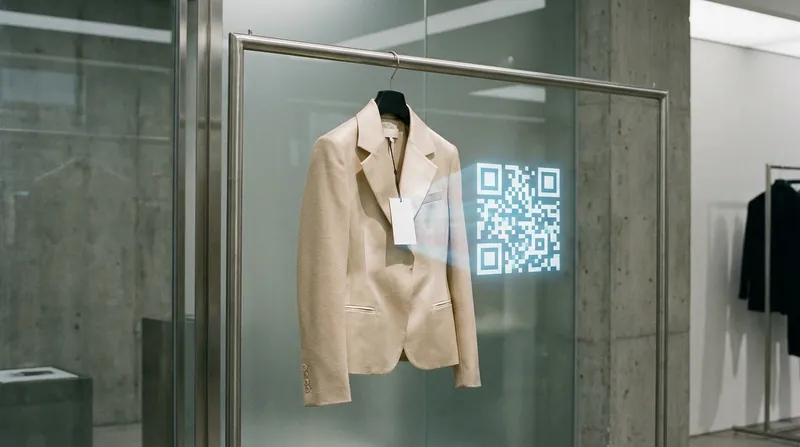
This corporate adoption is not purely altruistic; it is increasingly driven by regulatory pressure. The European Union's rollout of the Digital Product Passport (DPP) is forcing brands to transparently disclose the exact material footprints and lifecycle emissions of their garments. Under this new regulatory scrutiny, the massive carbon and water liabilities of traditional leather are becoming a financial and reputational risk, making bio-fabricated alternatives highly attractive to corporate sustainability officers.[1][4]
Aesthetically and functionally, the latest generation of mycelium composites is meeting the rigorous demands of the fashion industry. Recent material testing indicates that engineered mycelium sheets can achieve tensile strengths exceeding 8 to 9 Megapascals (MPa), providing durability and flexibility comparable to premium synthetic leathers. The material can be embossed, stitched, and finished to replicate the exact grain and hand-feel of calfskin, sheepskin, or exotic leathers.[2][3]
However, the technology is not without its controversies and technical hurdles. The most pressing issue is the "plastic problem." To achieve the abrasion resistance and longevity expected of luxury leather goods, many first-generation mycelium products—including Bolt Threads' Mylo—are finished with a water-based polyurethane (PU) coating. While this represents a massive reduction in plastic compared to 100% synthetic vegan leathers, it means the final product is not entirely plastic-free or perfectly biodegradable in natural environments.[4]
The reliance on synthetic binders has sparked a race toward absolute purity within the bio-fabrication sector. Companies are heavily investing in green chemistry to develop 100% bio-based coatings. MycoWorks, for instance, has focused on plastic-free, vegetable-tanned finishes that allow their Reishi material to decompose naturally within months. Achieving this level of durability without relying on petrochemical crutches remains the ultimate technical frontier for the industry.
The final barrier to total market saturation is cost. Currently, mycelium leather remains a premium product, often pricing out at two to four times the cost of conventional bovine leather. The high capital expenditures required to build climate-controlled vertical farms and specialized tanning infrastructure mean that, for now, fungal leather is largely confined to high-end handbags, limited-edition footwear, and luxury automotive interiors.[1][4]
Yet, industry analysts project that this price premium is temporary. As production yields improve and massive facilities in Europe and Asia come fully online, economies of scale are expected to drive costs down rapidly. Market forecasts suggest that mycelium leather could reach price parity with premium animal leather by the end of the decade, unlocking mass-market applications across fast fashion and consumer electronics.[1][4]
The commercialization of mycelium leather represents a profound philosophical shift in how humanity sources its materials. For millennia, we have relied on extraction—mining the earth, drilling for oil, or raising and slaughtering animals. Bio-fabrication offers a glimpse into a future defined by cultivation, where the clothes on our backs are grown from the ground up, engineered by nature, and designed to return to the earth when their useful life is over.[4]
Key terms
- Mycelium
- The vegetative, root-like network of a fungus, consisting of a mass of branching, thread-like fibers.
- Polyurethane (PU)
- A synthetic plastic polymer commonly used as a coating in vegan leathers to provide water resistance and durability.
- Substrate
- The underlying organic material—such as sawdust or agricultural waste—that the fungi feed on and grow through.
- Tensile Strength
- The maximum amount of stress or pulling force a material can withstand before breaking or tearing.
- Bio-fabrication
- The production of complex biological products, such as textiles or structural materials, from living cells, microorganisms, or fungi.
Frequently asked
Is mushroom leather actually made of mushrooms?
Not exactly. It is made from mycelium, which is the underground, root-like network of fungi, rather than the fruiting body (the mushroom) that pops up above ground.
Does mycelium leather contain plastic?
Many first-generation versions use a water-based polyurethane (PU) coating to improve durability and abrasion resistance. However, companies are actively developing 100% bio-based, plastic-free finishes.
How long does it take to grow?
Mycelium leather can be grown in climate-controlled vertical trays in just 9 to 14 days, compared to the years it takes to raise cattle.
Is it as durable as cow leather?
Recent iterations have achieved tensile strengths of 8 to 9 MPa, making them highly durable and suitable for footwear and luxury handbags, though long-term generational wear is still being tested.
Viewpoints in depth
Bio-Material Innovators
Focus on the environmental necessity of scaling lab-grown materials to replace animal agriculture.
This camp argues that the fashion industry cannot meet its climate targets while relying on cattle farming or petroleum-based plastics. They view bio-fabrication as a fundamental shift from resource extraction to cultivation. By utilizing agricultural waste and vertical farming, innovators believe they can decouple material production from deforestation and massive water consumption, ultimately creating a fully circular economy once production costs fall.
Traditional Leather Industry
Emphasize the proven longevity, heritage, and natural biodegradability of animal leather.
Traditional tanneries and leather artisans point out that animal hides are a natural byproduct of the meat industry that would otherwise go to waste. They argue that high-quality bovine leather can last for generations and biodegrade naturally, whereas many first-generation bio-materials rely on synthetic plastic coatings to achieve similar durability. For this camp, true sustainability lies in buying fewer, higher-quality items that last a lifetime, rather than adopting new materials with unproven generational wear.
Strict Circularity Proponents
Support biomaterials but demand the complete elimination of synthetic polyurethane coatings.
Environmental watchdogs and strict circular-economy advocates are excited by the potential of mycelium but remain highly critical of the "plastic problem." They argue that finishing a bio-based material with polyurethane (PU) compromises its end-of-life biodegradability, turning it into a hybrid material that is difficult to compost or recycle. This group is pushing the industry to adopt 100% plant-based, plastic-free tanning and coating methods before declaring mycelium a true environmental savior.
- Bio-Fabrication Advocates
- Believe lab-grown materials are the essential future of sustainable fashion.
- Strict Circularity Proponents
- Support biomaterials but demand the complete elimination of synthetic polyurethane coatings.
- Traditional Craft & Leather Producers
- Emphasize the proven longevity, heritage, and natural biodegradability of animal leather.
Perspectives this story doesn't cover
- Cattle Farmers & Agricultural Workers
- Fast Fashion Supply Chain Workers
Sources
Source coverage
4 outlets
3 viewpoints surfaced




- [1]Persistence Market ResearchBio-Fabrication Advocates
Mycelium Leather Market Size and Trends Analysis 2026
Read on Persistence Market Research → - [2]Market Reports WorldBio-Fabrication Advocates
Global Mushroom Mycelium Leather Market Overview 2026
Read on Market Reports World → - [3]MDPIStrict Circularity Proponents
Valorization of Agricultural Waste to Produce Myco-Composite Materials
Read on MDPI → - [4]Factlen Editorial TeamBio-Fabrication Advocates
Synthesis by Factlen editorial team
Read on Factlen Editorial Team →
More in Lifestyle
See all →AI Labor Rights
The Digital Likeness Shield: New York's Fashion Workers Act Mandates AI Consent for Models and Creatives
3 sources

Fashion Waste
The End of Fast Fashion's Waste: EU Regulation Bans Destruction of Unsold Clothing and Mandates Digital Product Passports
2 sources
Circular Fashion
The Resale Tipping Point: Why the Secondhand Market is Now Growing 3x Faster Than Primary Fashion Retail
4 sources

Apparel Sizing
GLP-1 Drugs Trigger $5 Billion Inventory Crisis as Apparel Demand Shifts to Smaller Sizes
3 sources

Comments
Every angle. Every day.
Get Lifestyle stories with full source coverage and perspective breakdowns, free every day.