
How Modern Kitchen Appliances Prevent Overheating and Protect Children
Modern kitchen appliances rely on an invisible network of thermal fuses, thermistors, and algorithmic child locks to actively prevent fires and burns.
By Ivan Smirnov

In short
- Modern kitchen appliances use a dual-layered safety system: thermistors for active temperature regulation and thermal fuses as a permanent fail-safe.
- Thermal fuses are one-time-use components that permanently cut power to prevent fires, forcing users to repair the underlying malfunction.
- Safety standards like UL 858 strictly limit the exterior surface temperatures of ovens to prevent accidental contact burns, especially for children.
Most consumers assume that the primary safety feature of a modern kitchen appliance is the 'off' button, believing that as long as they monitor their cooking, they are safe from fires and burns. The evidence, however, tells a different story. The National Fire Protection Association reports that cooking equipment is involved in nearly half of all home fires, often due to internal component failures rather than user error.
To combat this, manufacturers have quietly transformed everyday appliances into self-regulating thermal fortresses. Today's ovens, ranges, and even coffee makers are packed with invisible, active safety layers—from non-resettable thermal fuses to algorithmic child locks—that intervene the moment a catastrophic failure begins. Understanding how these fail-safes work is the first step in maintaining a genuinely safe kitchen.[5]
The most critical, yet misunderstood, component in appliance safety is the thermal fuse. When an appliance suddenly dies and refuses to turn back on, many homeowners assume it is completely broken and discard it. In reality, the appliance has likely sacrificed a small, inexpensive component to prevent a house fire.
A thermal fuse is a one-time-use safety device designed to permanently sever the electrical connection if ambient temperatures reach a critical threshold—typically around 196 degrees Fahrenheit for standard heating fail-safes. Unlike a circuit breaker that trips during a power surge and can be easily reset, a thermal fuse contains a physical alloy pellet that melts under extreme heat, snapping a spring-loaded mechanism to break the circuit.[1][3]
This non-resettable design is a deliberate, utility-first engineering choice. When a thermal fuse blows, it is a glaring red flag that the appliance's primary temperature regulation system has failed, or that a severe blockage—such as a clogged dryer vent or a jammed cooling fan—has caused dangerous heat accumulation.
By forcing the appliance to remain dead until the fuse is physically replaced, manufacturers ensure that the underlying hazard must be addressed by a technician. Attempting to bypass a blown thermal fuse to save money on repairs is universally condemned by safety experts, as it removes the final barrier between a malfunctioning heating element and thermal runaway.[1][5]
Before the thermal fuse ever comes into play, appliances rely on a first line of defense: the thermistor. A thermistor is a highly sensitive resistor whose electrical resistance changes rapidly with temperature. By continuously feeding real-time temperature data back to the appliance's control board, the thermistor allows the system to modulate power output dynamically.
If an induction coil or an oven cavity begins to exceed its target temperature, the control board simply reduces or cuts the power. This constant micro-adjustment maintains a safe, stable cooking environment without the user ever noticing the intervention.[1][3]
Beyond internal temperature regulation, the external surfaces of cooking appliances are governed by strict safety standards to protect users—especially young children—from accidental contact burns. In the United States, the benchmark for electric ranges is UL 858, a comprehensive safety standard that dictates exactly how hot the exterior of an oven or stove can get during operation.
Under these guidelines, the surface temperature of bare or painted metal located less than 31 inches above the floor cannot rise more than 59 degrees Fahrenheit above the ambient room temperature. This ensures that even when an oven is roasting at 500 degrees, a toddler brushing against the lower door will not suffer a severe burn.[4]
Achieving these strict surface temperature limits requires sophisticated thermal management and insulation techniques. Modern ovens utilize multi-pane glass doors with specialized heat-reflective coatings that bounce radiant energy back into the oven cavity.
Additionally, internal cooling fans draw ambient air through the door chassis and vent it out, creating a continuous thermal barrier between the intense heat of the cooking chamber and the exterior touchpoints. This active cooling process is why many modern ovens continue to hum quietly for several minutes after they have been turned off, working to dissipate residual heat safely and efficiently.[5]
While thermal management addresses the risk of passive burns, active childproofing mechanisms have evolved to prevent young children from initiating hazards in the first place. The approach to child locks varies significantly depending on the appliance's fuel source. On gas ranges, where the primary danger is the release of combustible fuel, safety mechanisms are largely mechanical.
The industry standard is the push-and-turn knob, which requires a deliberate, two-step coordinated action to open the gas valve and trigger the igniter. Because toddlers typically lack the motor skills to simultaneously push inward with force and rotate the knob, this simple mechanical barrier serves as a highly effective deterrent.[2]
For families seeking additional security on gas ranges, the market has expanded to include aftermarket solutions that integrate seamlessly with existing hardware. Removable knobs allow parents to physically detach the controls when the stove is not in use, completely neutralizing the risk of accidental ignition.
Alternatively, heat-resistant knob covers act as a physical enclosure, requiring an adult to pinch and open a latch before the knob can be accessed. These mechanical solutions are crucial for gas appliances, as electronic lockouts cannot always physically block the flow of gas if a valve is manually forced open.[2]
In contrast, electric and induction cooktops rely heavily on electronic child lock systems, leveraging their digital control boards to disable functionality. A modern induction range typically features a dedicated lockout button on its touch-sensitive interface. When an adult presses and holds this button for several seconds, the appliance's software disables all other touch controls and heating elements.
Even if a child presses every button on the panel or drags a heavy pot across the sensors, the cooktop remains completely inert. This electronic barrier is invisible, requires no additional hardware, and provides absolute certainty that the heating elements cannot be activated accidentally.[2][5]
Childproofing extends beyond the stove, encompassing appliances that pose entrapment or access risks, such as refrigerators and deep freezers. Historically, securing a refrigerator required bulky, unsightly straps that stretched across the door and required two hands to unlatch. Today, safety engineers have developed compact, keyless rotating locks that adhere directly to the appliance chassis using high-strength, tool-free adhesives. These modern latches utilize a rotating mechanism that an adult can easily operate with one hand, but which proves too complex and requires too much rotational force for a toddler to defeat.
The shift toward keyless, adhesive-based locks reflects a broader trend in home safety: making protective measures as frictionless as possible for adults. When safety devices are cumbersome or require a separate magnetic key that can easily be lost, parents are more likely to leave them disengaged during busy periods, such as preparing a family dinner. By integrating child resistance into a simple, single-handed rotational motion, manufacturers ensure that the appliance remains secure without frustrating the user, thereby increasing the likelihood that the safety mechanism will actually be used consistently.[5]
Looking ahead, the integration of smart technology is poised to elevate kitchen appliance safety to unprecedented levels. Wi-Fi-enabled ranges and ovens now allow users to monitor their appliances remotely via smartphone applications. If an oven is left on after the user leaves the house, the app can send a push notification and allow the appliance to be shut down remotely.
Furthermore, advanced sensors are being developed to detect the specific chemical signatures of burning food or the rapid, uncontrolled temperature spikes associated with grease fires, enabling the appliance to cut its own power long before a traditional smoke detector would sound the alarm.[5]
Ultimately, the safety of modern kitchen appliances is a testament to the invisible, overlapping systems of protection engineered into their design. From the microscopic alloy pellets inside thermal fuses to the complex software algorithms governing induction coils, every component is calibrated to anticipate failure and mitigate risk.
While no kitchen can ever be entirely hazard-free, these technological advancements ensure that a momentary lapse in attention or a mechanical malfunction does not escalate into a tragedy. As standards like UL 858 continue to evolve and smart technology becomes ubiquitous, the kitchen is steadily transforming into the safest room in the house.[4][5]
How we did this
- Method
- Comparison of thermal cutoff mechanisms and child-lock actuation pathways across gas, electric, and induction appliances.
- What we found
- While electric and induction models rely heavily on internal thermistors and non-resettable thermal fuses to cut power, gas ranges require physical or electronic valve lockouts because their primary hazard is combustible fuel flow rather than purely electrical runaway.
- What we worked from
- UL 858 surface temperature limits: Max 59°F rise on bare metal
- Thermal fuse trigger threshold: Approx 196°F for standard exhaust/heating fail-safes — Kynix
- Limits of this analysis
- This analysis focuses on standard residential appliances and does not account for commercial-grade kitchen equipment or aftermarket modifications.
Terms to know
- Thermal Fuse
- A single-use safety device that permanently breaks an electrical circuit when ambient temperatures reach a critical, dangerous threshold.
- Thermistor
- A highly sensitive resistor used to continuously monitor and regulate temperature by feeding real-time data to an appliance's control board.
- UL 858
- A comprehensive safety standard for household electric ranges that dictates maximum allowable exterior surface temperatures to prevent contact burns.
- Thermal Runaway
- A dangerous scenario where an appliance's temperature regulation fails, causing it to continuously heat up until it poses a fire hazard.
Questions readers ask
Can I reset a blown thermal fuse in my appliance?
No. Thermal fuses are designed as one-time-use safety devices. Once the internal pellet melts due to overheating, the circuit is permanently broken and the fuse must be replaced by a qualified technician.
Why does my oven fan keep running after I turn it off?
Modern ovens use internal cooling fans to draw ambient air through the door chassis, creating a thermal barrier that keeps the exterior glass and handles cool to the touch, complying with safety standards like UL 858.
Are electronic child locks safer than physical knob covers?
Electronic locks are highly effective for electric and induction cooktops because they completely disable the heating elements. However, for gas ranges, physical knob covers are recommended to mechanically prevent the release of combustible fuel.
What is the difference between a thermistor and a thermal fuse?
A thermistor is a sensor that continuously monitors and adjusts temperature during normal operation. A thermal fuse is a fail-safe that permanently cuts power only if the appliance reaches a dangerously high temperature.
Different angles
Appliance Engineers' View
Balancing advanced safety mechanisms with seamless user experience.
For appliance manufacturers and engineers, the primary challenge is designing safety systems that are virtually invisible during normal operation but absolutely reliable during a failure. By shifting from passive mechanical limits to active digital monitoring via thermistors, engineers can provide precise temperature control that enhances cooking performance while simultaneously preventing thermal runaway. They view the non-resettable thermal fuse not as an inconvenience, but as a critical, non-negotiable boundary that forces users to address mechanical failures rather than ignoring them.
Child Safety Advocates' View
Prioritizing physical barriers and strict temperature limits to protect vulnerable populations.
Child safety organizations focus heavily on the physical interaction between toddlers and kitchen appliances. They argue that while internal thermal fuses prevent house fires, they do little to stop a child from touching a 400-degree oven door or turning a gas knob. These advocates champion strict adherence to standards like UL 858, which caps exterior surface temperatures, and strongly recommend the use of aftermarket mechanical barriers—such as knob covers and keyless refrigerator latches—to create a foolproof physical defense against childhood curiosity.
Repair Technicians' View
Ensuring that fail-safes lead to proper diagnostics and repairs.
Appliance repair professionals view thermal fuses as the ultimate diagnostic indicator. When a technician encounters a blown thermal fuse, it immediately signals a severe underlying issue, such as a failed cycling thermostat or a completely obstructed ventilation duct. Technicians strongly oppose any consumer attempts to bypass these fuses or install resettable alternatives, arguing that doing so masks the root cause of the overheating and drastically increases the risk of a catastrophic appliance fire.
- Appliance Engineers & Manufacturers
- Focus on integrating invisible, fail-safe technologies like thermal fuses and electronic lockouts without compromising usability.
- Child Safety Advocates
- Emphasize the necessity of physical barriers, aftermarket knob covers, and strict surface temperature regulations to protect toddlers from severe burns.
- Consumer Protection Agencies
- Prioritize mandatory safety standards, rigorous testing protocols, and the elimination of fire hazards caused by unattended cooking.
- Repair Technicians
- Advocate for the strict non-resettable nature of thermal fuses, ensuring that underlying hardware failures are properly diagnosed rather than temporarily bypassed.
Perspectives this story doesn't cover
- Commercial Kitchen Operators
- Landlords and Property Managers
Sources
Source coverage
5 outlets
4 viewpoints surfaced





- [1]KynixRepair Technicians
Thermal Fuses: The Ultimate Guide to Overheat Protection
Read on Kynix → - [2]Home Appliance Report
How Does The Child Lock Feature Work On Gas Ranges?
Read on Home Appliance Report → - [3]WikipediaRepair Technicians
Thermal fuse
Read on Wikipedia → - [4]Keystone ComplianceAppliance Engineers & Manufacturers
UL 858 Household Electric Ranges Testing
Read on Keystone Compliance → - [5]Factlen Editorial Team
Synthesis by Factlen editorial team
Read on Factlen Editorial Team →

More in Shopping & Reviews
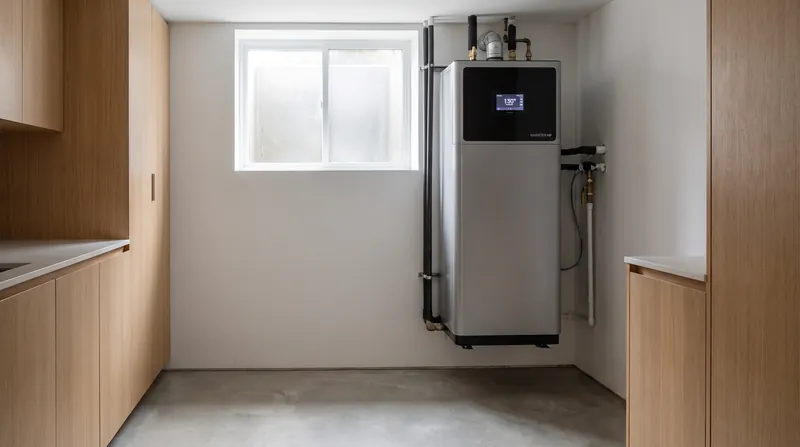
See all →Water Heaters
The Mechanics of Water Heating: Comparing Tank, Tankless, and Heat Pump Systems for Efficiency and Cost
7 sources
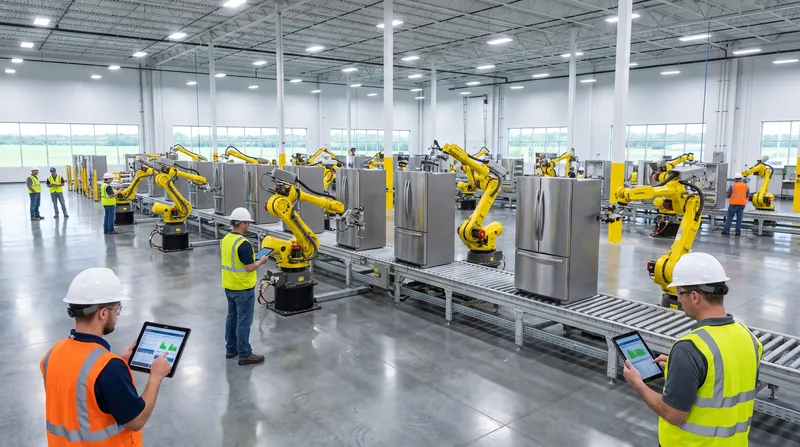
Appliance Manufacturing
LG and GE Lead $2.4 Billion US Appliance Manufacturing Boom Amid Regionalization Push
6 sources
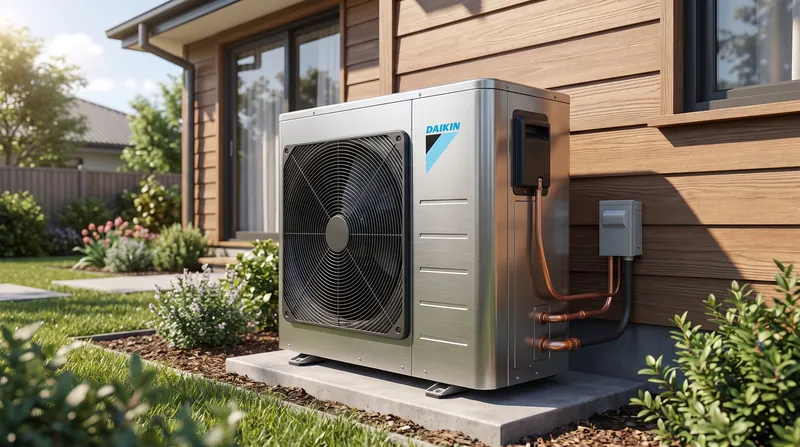
HVAC Transition
Federal HFC Phase-Down Forces Complete Overhaul of All New AC and Heat Pump Technology
3 sources
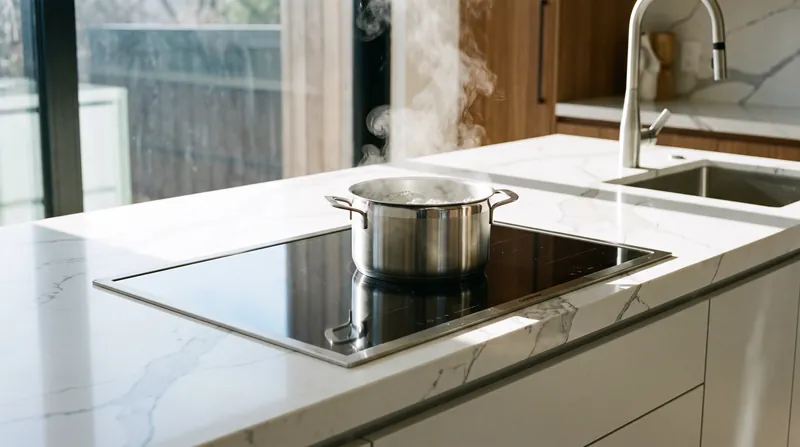
Induction Tech
The Efficiency Redesign: How Induction Cooktops Use Electromagnets to Outperform Gas and Electric Stoves
5 sources
Comments
Every angle. Every day.
Get Shopping & Reviews stories with full source coverage and perspective breakdowns, free every day.