
How 'Exercise Mimetics' Trick the Body Into Thinking It Worked Out
A new class of longevity drugs aims to replicate the metabolic benefits of exercise at the cellular level. While not a replacement for physical activity, these compounds could revolutionize treatment for muscle wasting, aging, and metabolic disease.
By Factlen Editorial Team
- Longevity & Metabolic Researchers
- View exercise mimetics as a revolutionary tool to extend healthspan and treat severe metabolic decay.
- Public Health & Gerontology Experts
- Emphasize that these drugs are strictly for the physically impaired, warning that they cannot replace the mechanical and cardiovascular benefits of real exercise.
- Bioethics & Sports Integrity Watchdogs
- Express concern over the inevitable off-label use by biohackers and the potential for undetectable performance enhancement in professional sports.
What's not represented
- · Physical Therapists
- · Patients with Muscular Dystrophy
Why this matters
For millions of people unable to exercise due to age, injury, or severe illness, a drug that mimics the metabolic benefits of a workout could prevent muscle wasting and extend healthy lifespans. It represents a fundamental shift from treating the symptoms of aging to actively maintaining cellular vitality.
Key points
- Experimental 'exercise mimetics' aim to trigger the cellular benefits of a workout without physical exertion.
- The drugs work by activating AMPK, an enzyme that tells the body to burn fat and build mitochondria.
- Early animal trials show significant improvements in endurance, muscle retention, and metabolic health.
- Experts warn the drugs cannot replicate the bone-strengthening or cardiovascular benefits of actual movement.
- The primary medical target is treating severe muscle wasting in the elderly or bedridden, not replacing the gym.
The holy grail of metabolic medicine has long sounded like a late-night infomercial pitch: a pill that delivers the physiological benefits of a grueling workout without requiring a single drop of sweat. But what was once relegated to science fiction and wishful thinking is steadily moving into legitimate clinical trials.[3]
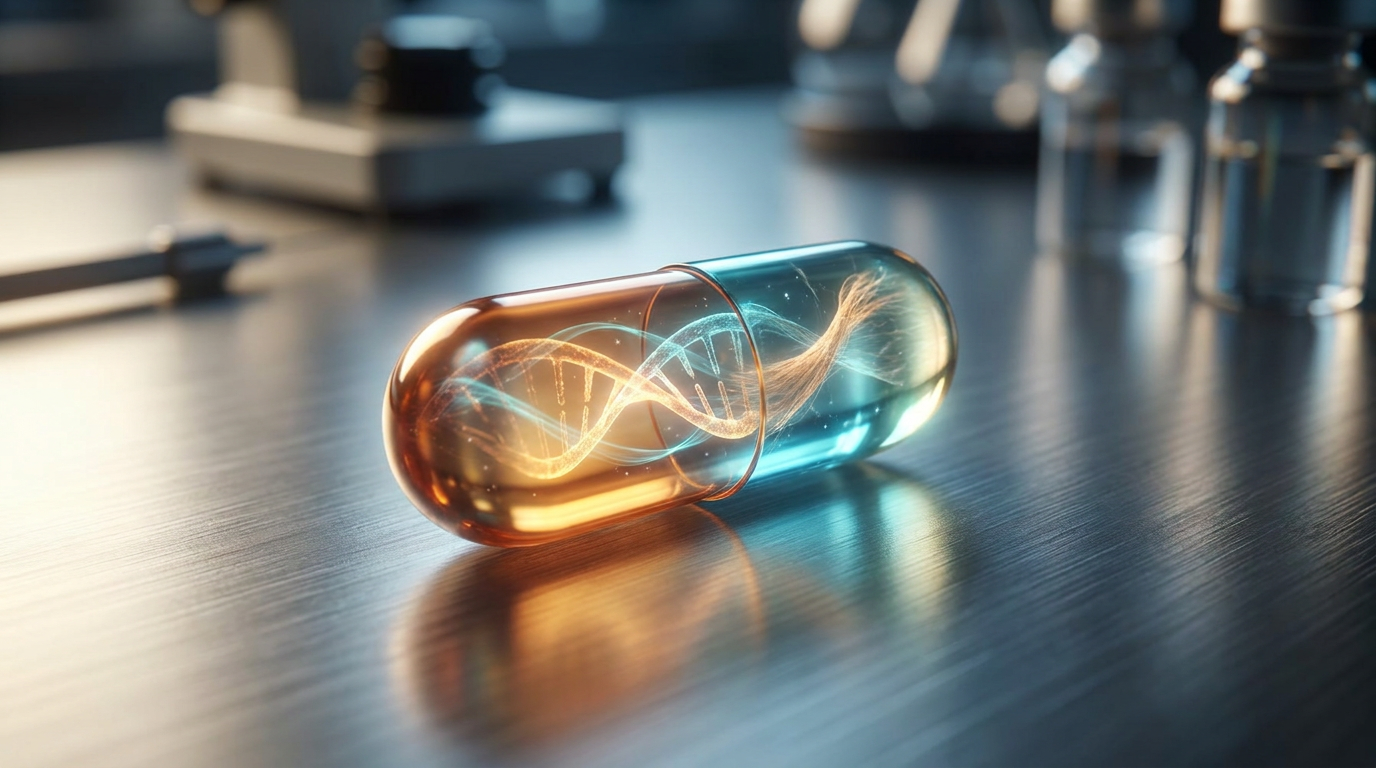
This week, biotech firm Cambrian Biopharma detailed progress on an experimental longevity drug designed to do exactly that. It belongs to a nascent class of therapeutics known as "exercise mimetics"—compounds that chemically trick the body's cells into believing they have just undergone vigorous physical exertion.[1]
The medical implications extend far beyond cosmetic fitness or convenience. For the millions of individuals grounded by severe osteoarthritis, recovering from major surgery, or experiencing age-related muscle wasting, the inability to exercise creates a vicious cycle of physical decline. An exercise mimetic could theoretically halt that decay, preserving metabolic health when physical movement is impossible.[5]
To understand how these drugs work, one must first look at the endocrine and metabolic cascades triggered by actual exercise. When a person runs or lifts weights, their muscle cells rapidly burn through stored energy, specifically a molecule called ATP.[2]
As ATP levels plummet, the cell enters a state of mild energy crisis. This temporary crisis triggers a master metabolic switch: an enzyme known as AMPK (AMP-activated protein kinase). When AMPK flips on, it signals the body to immediately start burning fat for fuel, clear out cellular waste, and build new mitochondria—the microscopic power plants inside cells.[2][6]

Exercise mimetics bypass the physical exertion entirely and directly target that master switch. By chemically binding to AMPK or related hormonal pathways, these drugs artificially signal an energy crisis to the body. The cell responds exactly as it would to a five-mile run, ramping up fat oxidation and reinforcing muscle fibers.[2]
Researchers explain that they are essentially hacking the body's signaling network. The muscle tissue itself does not know whether the host actually moved their legs or simply ingested a compound that activated the exact same cellular receptors.[4]
The evidence supporting this mechanism is robust, at least in animal models. In landmark studies published over the last decade, mice given early versions of AMPK activators ran significantly longer on treadmills than their untreated counterparts, despite having absolutely no prior physical training.[6]
More recently, researchers have focused heavily on the longevity applications of these pathways. Mice treated with advanced mimetics not only maintained muscle mass as they aged but also showed marked improvements in insulin sensitivity and systemic inflammation—two key markers of biological aging.[1][6]

More recently, researchers have focused heavily on the longevity applications of these pathways.
Cambrian’s experimental candidate builds on this foundation, aiming for a more targeted approach that avoids the toxicity issues that plagued earlier generations of these drugs. By refining the molecule to act specifically on skeletal muscle rather than the liver or heart, developers hope to minimize off-target side effects.[1]
However, the scientific community is quick to emphasize the limitations of this approach. While a pill might replicate the metabolic and hormonal shifts of a workout, it cannot replicate the mechanical and structural benefits.[3]
Weight-bearing exercise, for instance, places physical stress on bones, which stimulates the production of new bone tissue and prevents osteoporosis. No chemical compound currently in development can simulate that vital mechanical load.[5]
Furthermore, the cardiovascular system relies on the actual physical pumping of blood to maintain arterial elasticity. The brain also benefits from a complex cocktail of endorphins and neurotransmitters released during physical exertion—a psychological and cognitive boost that an AMPK activator simply does not provide.[3][4]
Public health officials stress that this is not intended as a replacement for the gym for able-bodied people. It is being developed as a targeted medical intervention for those who are physically incapable of achieving these necessary cellular states on their own.[5]

Despite these clinical warnings, the cultural and commercial appetite for an "exercise pill" is undeniable. Biohackers and longevity enthusiasts are already closely monitoring the clinical pipeline, anticipating off-label use long before regulators approve any compound for age-related muscle decline.[7]
This enthusiasm presents a unique regulatory challenge. Anti-doping agencies are already developing assays to detect exercise mimetics in professional athletes, recognizing that a drug capable of artificially boosting mitochondrial density would offer a massive, unfair advantage in endurance sports.[7]
For now, the pharmaceutical focus remains strictly on disease pathology. The immediate goal for companies developing these compounds is to prove efficacy in specific, severe conditions, such as muscular dystrophy or the rapid muscle atrophy that occurs during prolonged bed rest in intensive care units.[1][4]
If successful in those narrow applications, the market could gradually expand to address sarcopenia—the generalized loss of muscle mass and strength that affects nearly everyone over the age of 70, drastically reducing their independence and quality of life.[4][5]

The timeline for such widespread availability is still measured in decades rather than years. Clinical trials for longevity and metabolic drugs are notoriously slow, requiring long-term follow-up to ensure that artificially keeping the body's metabolic engine revved doesn't inadvertently accelerate other aging processes.[2][6]
Yet, the mere existence of these compounds marks a profound shift in endocrinology and metabolic science. Medicine is no longer just treating the symptoms of aging and inactivity; it is learning to speak the chemical language of vitality itself.[3]
How we got here
Early 2000s
Researchers identify AMPK as the master metabolic switch activated during physical exertion.
2008
First-generation AMPK activators demonstrate increased endurance in untrained mice, sparking interest in 'exercise pills'.
2015
Studies reveal that exercise mimetics can improve insulin sensitivity and extend healthspan in aging animal models.
June 2026
Cambrian Biopharma details progress on a highly targeted longevity drug designed to mimic exercise without liver toxicity.
Viewpoints in depth
Longevity & Metabolic Researchers
View exercise mimetics as a revolutionary tool to extend healthspan and treat severe metabolic decay.
For scientists focused on aging, the deterioration of muscle mass is one of the primary drivers of mortality and loss of independence. They argue that because many elderly or injured patients physically cannot exercise, their metabolic health inevitably collapses. By hacking the AMPK pathway, researchers believe they can artificially maintain a state of cellular youth, preventing the cascade of frailty, insulin resistance, and systemic inflammation that typically accompanies a sedentary lifestyle.
Public Health & Gerontology Experts
Emphasize that these drugs are strictly for the physically impaired, warning that they cannot replace the mechanical benefits of real exercise.
Public health officials worry about the messaging surrounding an 'exercise pill.' They stress that human biology requires mechanical load to maintain bone density and actual cardiovascular pumping to keep arteries flexible. While they support the development of mimetics for bedridden patients or those with muscular dystrophy, they caution that able-bodied individuals who use these drugs to skip the gym will still suffer from osteoporosis, cardiovascular stiffness, and a lack of the cognitive benefits provided by natural endorphins.
Bioethics & Sports Integrity Watchdogs
Express concern over the inevitable off-label use by biohackers and the potential for undetectable performance enhancement in professional sports.
Sports regulatory bodies view exercise mimetics as the next frontier of complex doping. Because these drugs fundamentally alter how the body builds mitochondria and processes energy, an athlete using them during training could gain massive, unnatural endurance advantages. Meanwhile, bioethicists warn that a thriving gray market for these compounds is already forming among longevity enthusiasts, creating risks of unsupervised use long before long-term safety profiles are fully understood.
What we don't know
- Whether artificially keeping the metabolic system in an 'exercising' state for years will cause unforeseen cellular exhaustion.
- How effectively these compounds will translate from highly controlled animal models to complex human metabolisms.
- If the drugs can be perfectly targeted to skeletal muscle without eventually impacting the liver or heart.
Key terms
- Exercise Mimetic
- A class of experimental drugs designed to artificially trigger the metabolic and hormonal pathways normally activated by physical exertion.
- AMPK
- An enzyme that serves as a master metabolic switch, signaling cells to burn fat and build mitochondria when energy levels drop.
- Sarcopenia
- The natural, age-related loss of skeletal muscle mass and strength that typically accelerates after age 65.
- Mitochondria
- The microscopic structures inside cells that generate most of the chemical energy needed to power biochemical reactions.
Frequently asked
Can this pill help me lose weight without working out?
While exercise mimetics trigger fat oxidation pathways, they are being developed to treat severe muscle wasting and metabolic disease, not as over-the-counter weight loss supplements.
Does the drug strengthen bones like weightlifting does?
No. Exercise mimetics cannot replicate the mechanical stress that weight-bearing exercise places on the skeletal system, which is necessary for building bone density.
When will these drugs be available to the public?
Widespread clinical availability for age-related muscle decline is estimated to be 10 to 15 years away, as long-term safety trials are required.
Sources
Source coverage
7 outlets
3 viewpoints surfaced







[1]STAT NewsLongevity & Metabolic Researchers
Cambrian’s experimental longevity drug mimics exercise
Read on STAT News →[2]Cell MetabolismLongevity & Metabolic Researchers
Mechanisms of AMPK activation in skeletal muscle by novel therapeutics
Read on Cell Metabolism →[3]Scientific AmericanPublic Health & Gerontology Experts
The Promise and Peril of the 'Exercise Pill'
Read on Scientific American →[4]The EconomistBioethics & Sports Integrity Watchdogs
Can a pill replace the treadmill? The business of exercise mimetics
Read on The Economist →[5]National Institute on AgingPublic Health & Gerontology Experts
Research on exercise mimetics and age-related muscle decline
Read on National Institute on Aging →[6]Nature MedicineLongevity & Metabolic Researchers
Metabolic pathways targeted by exercise mimetics for longevity
Read on Nature Medicine →[7]WiredBioethics & Sports Integrity Watchdogs
Biohackers are already chasing the exercise pill
Read on Wired →

More in health
See all 6 stories →Vaccine Tech
FDA Advisory Panel Unanimously Recommends First mRNA Flu Vaccine
6 sources
Longevity Tech
The Rise of 'Exercise Mimetics': How New Longevity Drugs Trick Cells Into Training
6 sources

Breathwork Science
The Clinical Evidence for 5-Minute Daily Breathwork vs. Meditation
6 sources

Exercise Medicine
Exercise as a First-Line Prescription for Depression and Anxiety: The 2026 Evidence Pack
6 sources

Every angle. Every day.
Get health stories with full source coverage and perspective breakdowns delivered to your inbox.