
Global Weightlifting Rankings Upended as Athletes Scramble for New Weight Classes Ahead of Ningbo Worlds
With the IWF reducing the sport to eight weight classes per gender on August 1, elite weightlifters are rapidly shifting divisions, completely reshaping the global standings ahead of the October World Championships.

The global weightlifting calendar has entered its most volatile and strategic stretch of the year. As the final regional competitions of the summer wrap up, the sport is bracing for a seismic shift: the August 1st implementation of the International Weightlifting Federation’s (IWF) newly revised bodyweight categories.
By reducing the divisions to exactly eight per gender, the IWF is fundamentally altering the competitive landscape just months before the 2026 World Weightlifting Championships in Ningbo, China. This impending deadline has thrown the global standings into a blender, with elite lifters rapidly bulking up or cutting weight to find their optimal placement.
This structural overhaul means the current standings are less a reflection of raw strength and more a high-stakes game of chess. Athletes are actively jockeying for position ahead of the Ningbo championships, which run from October 27 to November 8.
Because Ningbo serves as the premier early qualifier for the 2028 Los Angeles Olympics, securing a high rank in the new weight classes is paramount. Coaches and national federations are closely monitoring the entry lists, trying to predict where their biggest rivals will land when the new eight-class system officially takes effect.
The new categories—ranging from 60 kg to +110 kg for men, and 49 kg to +86 kg for women—were designed to streamline the sport and align with the International Olympic Committee's quota limits. However, the immediate consequence is a collision course of former champions.
Lifters who previously dominated adjacent weight classes, such as the old 73 kg and 81 kg divisions, are now finding themselves forced into the new 75 kg battleground. This consolidation guarantees that the Ningbo World Championships will feature some of the most concentrated, talent-heavy sessions in the history of the sport, completely upending the predictable podium finishes of the past three years.
For Team China, the stakes are exceptionally high. Competing on home soil at the state-of-the-art, 10,000-seat Ningbo Olympic Sports Center, the Chinese squad is determined to defend its status as the preeminent force in 21st-century weightlifting. Local organizers have entered the final optimization phase for the venue, ensuring that the facilities meet the highest international standards.
The Chinese federation is meticulously managing its roster, strategically assigning its deep pool of talent across the new divisions to maximize medal potential. Yet, the pressure to perform in front of a domestic crowd while navigating the new weight parameters presents a unique psychological and physical challenge for the host nation's elite athletes.[1]
China’s traditional dominance is facing fierce, calculated resistance from a surging North Korean team. The reshuffled standings have provided North Korea with a tactical opening, particularly in the women’s lighter and middleweight divisions.
Recent training hall footage and regional meet results suggest that North Korean lifters are posting massive, world-record-pace totals, positioning themselves to hijack the top spots in the new 49 kg and 53 kg classes. This emerging rivalry is rapidly becoming the defining storyline of the 2026 season, as both nations attempt to establish absolute supremacy before the Olympic qualification window narrows.
Meanwhile, the European contingent is aggressively consolidating its power in the heavier divisions. Following the European Championships in Batumi, Georgia, earlier this spring, athletes from traditional strength powerhouses like Georgia, Armenia, and Bulgaria have locked in their trajectories for Ningbo.
With the men's upper classes shifting to 95 kg, 110 kg, and +110 kg, European coaches have spent the summer carefully managing their lifters' body compositions. By focusing on raw power and peak peaking strategies, these nations are aiming to monopolize the upper half of the global standings, effectively creating a regional stronghold that will be difficult for Asian or Pan-American athletes to penetrate.
The Pan-American region is experiencing its own internal arms race. After the Pan-American Championships set a baseline in April, federations from Colombia, the United States, and Venezuela have been analyzing the global data to find the most advantageous paths to the Ningbo podium.
American lifters, in particular, are leveraging advanced sports science and nutrition to safely transition into the new weight classes without sacrificing their strength-to-weight ratios. The race to secure a top-10 global ranking is critical, as only the highest-ranked athletes in each of the new Olympic-aligned divisions will ultimately earn their tickets to Los Angeles in 2028.
The tactical element of the sport has never been more pronounced than in this current transitional window. Analysts note that many top-tier athletes are deliberately hiding their true forms, entering preliminary events with conservative opening attempts or competing as guests just to test the waters.
Training hall secrecy is at an all-time high, with teams guarding their athletes' current body weights and training totals like state secrets. This gamesmanship means that the official IWF standings will remain somewhat deceptive until the athletes actually step onto the scales in Ningbo, adding an unprecedented layer of suspense to the upcoming World Championships.
The IWF leadership has expressed immense confidence in the new system and the upcoming championships. During a recent inspection of the Ningbo facilities, IWF President Mohammed Jalood praised the city’s readiness, declaring that the event will set a benchmark for the entire Olympic cycle.
The federation views the reduction in weight classes not as a hurdle, but as a necessary evolution to ensure a fairer, more competitive, and highly entertaining progression toward the Olympics. By forcing the best lifters to compete directly against one another, the IWF is hoping to elevate the sport's global broadcast appeal.[2]
As the summer progresses, the final regional tournaments are serving as the last proving grounds under the old system. Events like the Asian Youth & Junior Championships in Tashkent are giving younger athletes a chance to post official totals before the August 1st reset. These developmental competitions are crucial for federations looking to identify breakout stars who might perfectly fit the parameters of the new eight-class structure. The data gathered from these final meets will be heavily scrutinized by national coaches finalizing their rosters for the senior World Championships.
Once the August 1st deadline arrives, the old record books will effectively be frozen, and a completely blank slate will emerge. The race to establish the new world standards will officially begin, turning the Ningbo World Championships into a historic milestone.
Every successful snatch and clean and jerk in China will not just be a bid for a world title, but an opportunity to etch a name into the inaugural record books of the sport's new era. The athletes who adapt the fastest to their new bodyweights will dictate the future of the sport.
For fans of the iron game, the next four months promise unparalleled drama and excitement. The global standings are no longer just a static list of who can lift the most weight; they are a dynamic, evolving puzzle of strategy, nutrition, and timing. As the world's strongest athletes converge on Ningbo, the sport of weightlifting is poised for a spectacular rebirth, driven by new rivalries, consolidated talent pools, and the undeniable thrill of the race to the 2028 Olympic Games.
The essentials
- The IWF will implement a new eight-class weight system per gender on August 1, 2026.
- The change has completely upended the global standings as athletes shift bodyweights.
- The October World Championships in Ningbo will serve as the first LA 2028 Olympic qualifier.
- Former champions from adjacent weight classes will now face off in consolidated divisions.
Timeline
April 2026
Pan-American and European Championships establish early regional baselines.
June 2026
Final youth and junior regional tournaments serve as the last proving grounds under the old weight classes.
August 1, 2026
The IWF officially implements the new eight-class system, freezing old world records.
October 27, 2026
The 2026 IWF World Championships begin in Ningbo, kicking off LA 2028 Olympic qualification.
- International Challengers
- Rival nations view the weight class reshuffle as a rare opportunity to disrupt the established hierarchy.
- Tactical Analysts
- Experts emphasize the strategic gamesmanship, hidden bodyweights, and mathematical approach to the new standings.
- Host Nation Contenders
- The Chinese federation is focused on defending its home turf and maximizing medal counts in the new classes.
Perspectives this story doesn't cover
- Athletes forced into early retirement due to the elimination of their natural weight class
Sources
Source coverage
2 outlets
3 viewpoints surfaced


- [1]China DailyHost Nation Contenders
Ningbo Ready to Host the World: Chinese Lifters Prepare for Crucial 2026 Championships
Read on China Daily → - [2]Inside the GamesTactical Analysts
IWF President Praises Ningbo Facilities Ahead of 2026 World Championships
Read on Inside the Games →
More in Sports
See all →Standings
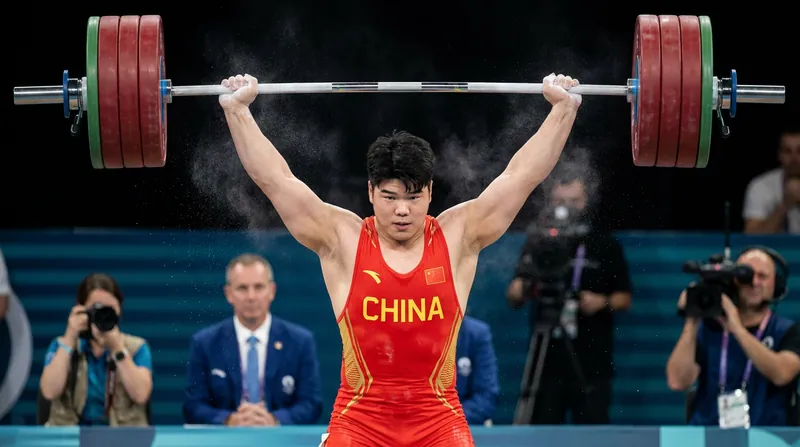
The Race to Ningbo: Men's 102kg Global Standings Heat Up Ahead of the 2026 World Championships
5 sources
Standings
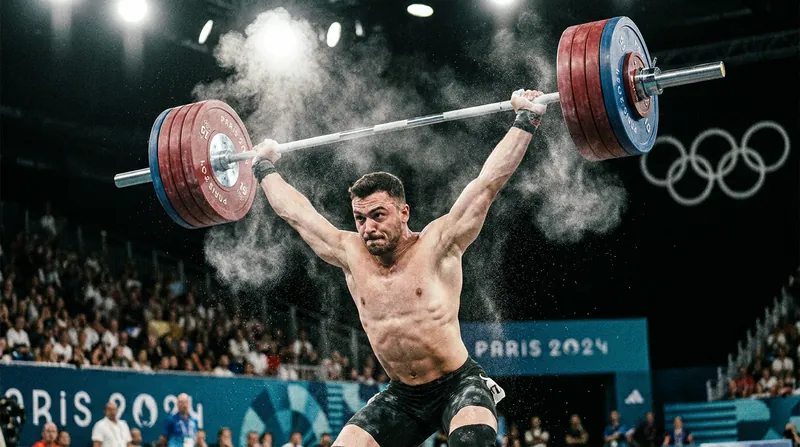
The Race to Ningbo: Men's 65kg Global Standings Tighten as Ozbek, Mosquera, and Morris Collide
2 sources
Injury
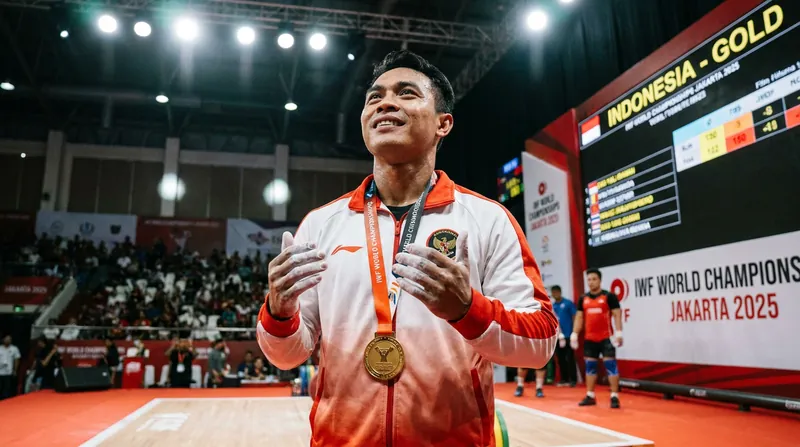
Indonesian Star Rahmat Erwin Abdullah Returns to the Platform Following Devastating Shoulder Injury
3 sources
Injury
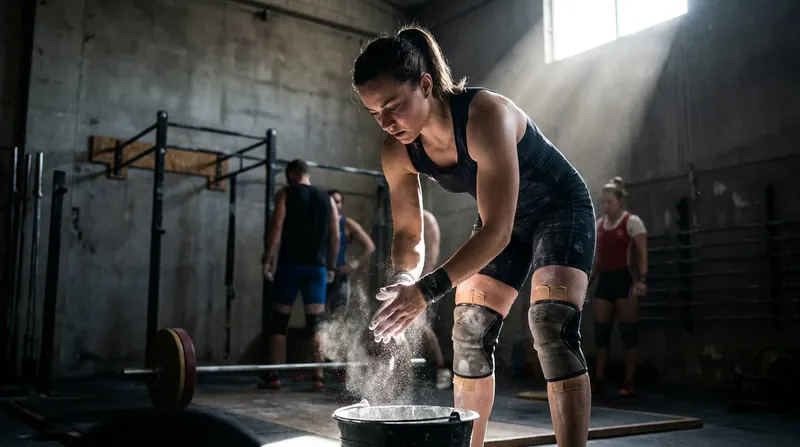
USA Weightlifter Mattie Rogers Mounts Resilient Comeback Ahead of 2026 World Championships
3 sources
Comments
Every angle. Every day.
Get Sports stories with full source coverage and perspective breakdowns, free every day.