
US-Iran Peace Talks in Switzerland Postponed Amid Renewed Israel-Hezbollah Clashes
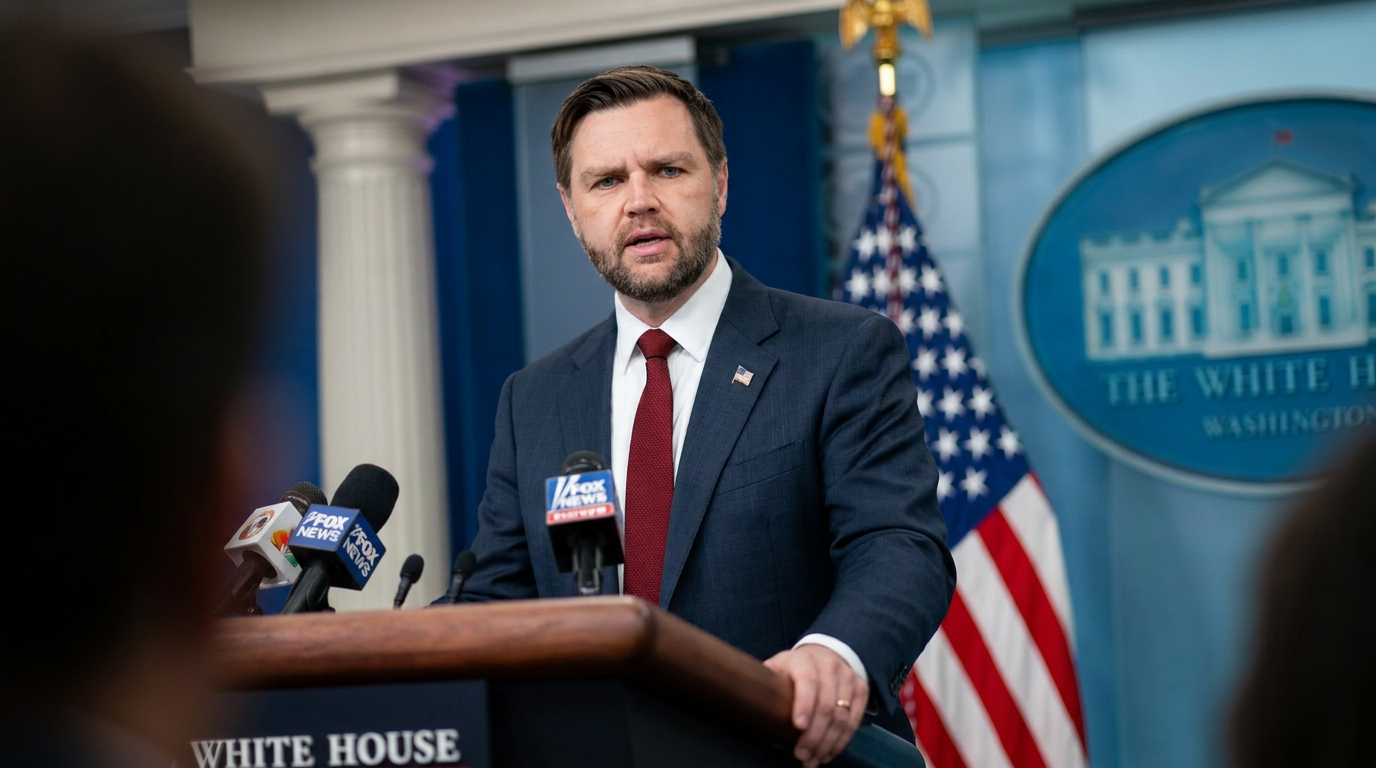
Planned negotiations to implement the new US-Iran peace agreement were abruptly halted after a deadly flare-up in Lebanon, prompting US Vice President JD Vance to issue a rare public rebuke of Israeli hardliners.
By Factlen Editorial Team
- US Administration
- Diplomacy and leverage must replace perpetual conflict to secure regional stability.
- Israeli Hardliners
- The US-Iran pact is a dangerous capitulation that leaves Israel vulnerable to Iranian proxies.
- Iranian Leadership
- The US must prove it can enforce the ceasefire on all fronts before technical talks proceed.
- Global Markets
- Focused on the stability of the Strait of Hormuz and the uninterrupted flow of global energy supplies.
What's not represented
- · Lebanese civilians caught in the crossfire
- · European mediators facilitating the talks
Why this matters
The diplomatic stall threatens to unravel a fragile ceasefire that recently ended a three-month US-Iran war, injecting fresh volatility into global energy markets and exposing a deepening rift between Washington and its closest Middle Eastern ally.
Key points
- US and Iranian delegations abruptly postponed technical peace talks scheduled for Friday in Switzerland.
- The delay was triggered by renewed fighting in Lebanon, where Hezbollah killed four Israeli soldiers and Israel launched deadly retaliatory airstrikes.
- Iran demanded guarantees that Israel would halt its military operations in Lebanon before proceeding with the negotiations.
- Vice President JD Vance issued a rare rebuke to Israeli hardliners, stating they cannot "kill their way out" of security problems.
- Late Friday reports indicated Israel and Hezbollah agreed to renew their fragile ceasefire, potentially allowing talks to be rescheduled.
Planned technical negotiations between the United States and Iran were abruptly postponed on Friday, stalling the implementation of a landmark peace agreement designed to end a three-month regional war. U.S. Vice President JD Vance, who is leading the Trump administration's negotiating team, canceled his flight to the Swiss resort village of Obbürgen at the last minute, leaving advance staff and journalists stranded at Joint Base Andrews. The sudden halt came just two days after Washington and Tehran signed a memorandum of understanding (MoU) that opened a 60-day window to negotiate Iran's nuclear program and unfreeze tens of billions of dollars in assets. The delay underscores the immense fragility of the diplomatic process as regional proxy conflicts threaten to unravel the core agreement before its terms can be finalized.[1][4][5][7]
The diplomatic breakdown was triggered by a severe escalation of violence in southern Lebanon, which directly challenged the premise of the broader peace pact. Overnight, Hezbollah militants launched a barrage of drone and rocket attacks that killed four Israeli soldiers, marking one of the deadliest single incidents for the Israeli military since the current hostilities began. In response, Israel carried out a wave of retaliatory airstrikes on the city of Nabatieh and the surrounding Bekaa Valley, killing at least 18 people and wounding dozens more. The intense exchange of fire effectively shattered the localized truce, prompting immediate alarm in Washington and Tehran.[1][3][5][7]
The US-Iran MoU explicitly calls for a cessation of hostilities on all fronts, including the volatile Lebanon border. However, Israel is not a signatory to the agreement and has maintained that it must secure a military buffer zone in southern Lebanon to protect its northern communities from Hezbollah fire. Iranian officials, communicating through mediators, reportedly refused to dispatch their delegation to Switzerland until Washington could guarantee that Israel would halt its military operations in Lebanese territory. Tehran warned that any Israeli advance deeper into Lebanon would constitute a clear violation of the interim agreement.[1][2][5][6]

The friction over Lebanon has exposed a widening and public rift between the Trump administration and Israeli leadership regarding the Middle East's security architecture. Far-right Israeli ministers, including National Security Minister Itamar Ben-Gvir and Finance Minister Bezalel Smotrich, have vehemently opposed the US-Iran pact, characterizing the sanctions relief and proposed $300 billion reconstruction fund as a dangerous capitulation. They have insisted that Israeli forces must remain deployed in Lebanon to dismantle Hezbollah's infrastructure, arguing that the US deal leaves Israel fundamentally vulnerable to Iranian proxies.[2][3][8]
In a rare and remarkably blunt public rebuke of America's closest Middle Eastern ally, Vice President Vance dismissed the Israeli ministers' criticisms as a "freakout" rooted in historical mistrust rather than strategic reality. Speaking to reporters, Vance challenged the hardline military approach directly. "What is your exact proposal? You're a country of nine million people. You can't just kill your way out of solving every single national security problem that you have," he said, urging Israeli leaders to give diplomacy a chance and to trust Washington's long-term strategy for the region.[3][8]

Speaking to reporters, Vance challenged the hardline military approach directly.
Vance argued that the recent US-led military campaign had already severely degraded Iran's military and nuclear infrastructure, creating the necessary leverage for a transformative diplomatic settlement. He emphasized that while Israel has an absolute right to self-defense, perpetual military force cannot guarantee lasting regional stability or integration. The Vice President's remarks underscore the administration's determination to pivot away from active conflict, finalize the MoU, and secure a major foreign policy victory, even if it requires publicly pressuring the Israeli government to step back from its maximalist war aims.[1][8]
The sudden uncertainty surrounding the talks immediately rippled through global energy markets, which had only just begun to stabilize. The initial signing of the MoU had brought relief to oil prices, as traders anticipated the full reopening of the Strait of Hormuz—a vital maritime chokepoint that handles nearly a fifth of the world's crude oil and liquefied natural gas. While Iran has waived transit fees and the US has lifted its naval blockade of Iranian ports, the cancellation of the Swiss summit raised fears that the strait could once again become a flashpoint if the ceasefire collapses entirely.[1][4][7]

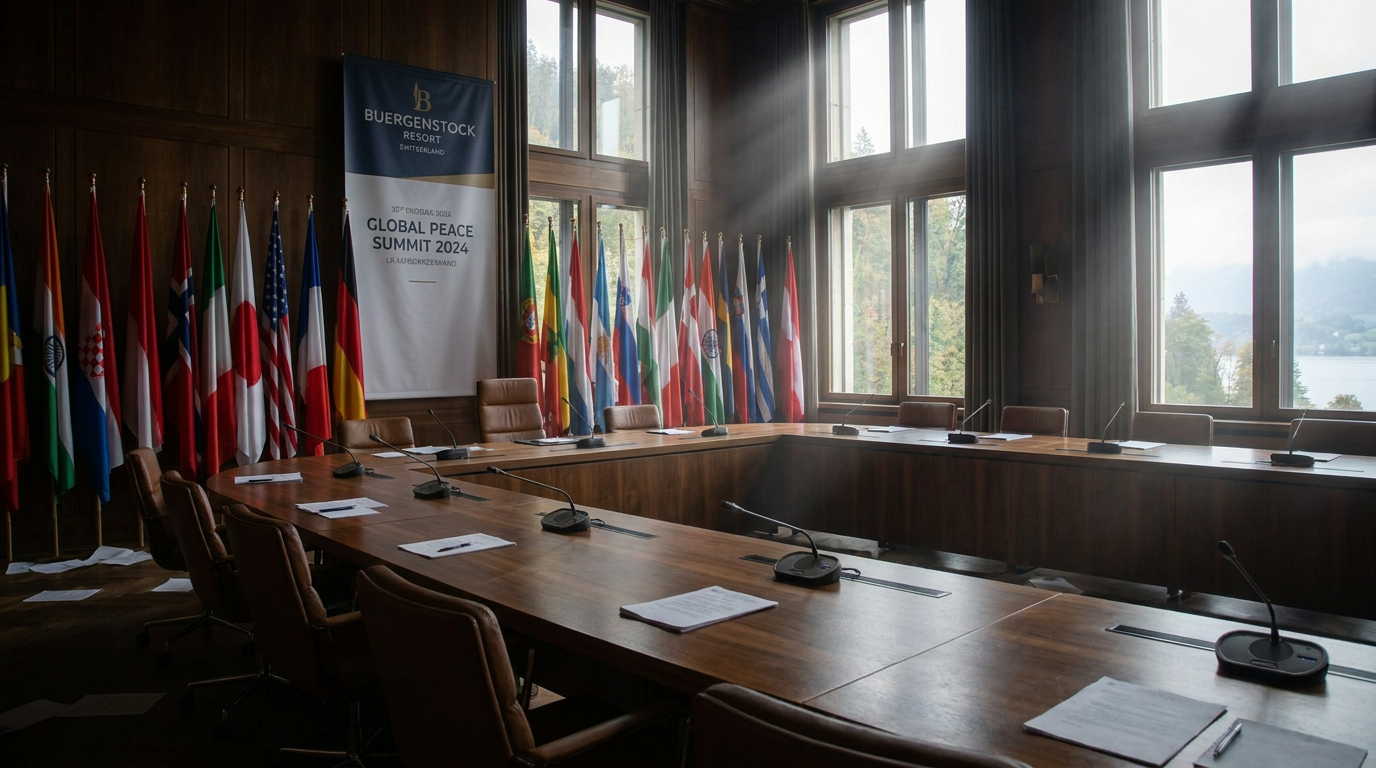
Despite the diplomatic setback, backchannel efforts to salvage the agreement appeared to make late headway heading into the weekend. By late Friday, Israeli and Hezbollah officials reportedly agreed to renew their tenuous ceasefire in Lebanon, potentially clearing the primary obstacle to the US-Iran negotiations. Swiss authorities confirmed that preparatory work at the Bürgenstock Resort is continuing, leaving the door open for the delegations to reschedule their technical talks in the coming days once the situation on the ground stabilizes.[1][5][6][7]
How we got here
Late Feb 2026
The US and Israel launch a military campaign against Iran, sparking a three-month regional war.
June 17, 2026
US President Donald Trump and Iranian President Masoud Pezeshkian sign an interim Memorandum of Understanding.
June 18, 2026
Hezbollah and Israeli forces exchange deadly fire in southern Lebanon, threatening the ceasefire.
June 19, 2026
The US and Iran abruptly postpone technical talks in Switzerland; JD Vance issues a public rebuke to Israeli critics.
Late June 19, 2026
Israel and Hezbollah reportedly agree to renew their fragile ceasefire, leaving the door open for rescheduled talks.
Viewpoints in depth
US Administration's view
Diplomacy and leverage must replace perpetual conflict.
The Trump administration argues that the recent three-month military campaign successfully degraded Iran's nuclear and military infrastructure, creating unprecedented leverage. Vice President JD Vance and other officials believe that capitalizing on this leverage through a negotiated settlement is the only way to ensure long-term regional stability. They view Israeli hardliners' insistence on continued military action as a strategic dead end that risks dragging the US back into a broader Middle Eastern war, emphasizing that military force alone cannot solve every security challenge.
Israeli Hardliners' view
The US-Iran pact is a dangerous capitulation that leaves Israel vulnerable.
Far-right Israeli ministers, including Itamar Ben-Gvir and Bezalel Smotrich, view the Memorandum of Understanding as a fundamental threat to Israeli security. They argue that unfreezing tens of billions of dollars and establishing a $300 billion reconstruction fund will inevitably enrich Iranian proxy groups like Hezbollah and Hamas. From their perspective, Israel cannot afford to withdraw from southern Lebanon or trust Iranian promises, insisting that the only way to secure Israel's northern border is through the complete military dismantlement of Hezbollah's infrastructure.
Iranian Leadership's view
The US must prove it can control its allies and enforce the ceasefire.
Tehran approaches the technical negotiations with deep skepticism, demanding concrete proof that Washington is willing and able to implement the terms of the MoU. Iranian officials argue that the agreement mandates a ceasefire on all fronts, making Israel's continued military operations in Lebanon a direct violation. By refusing to send their delegation to Switzerland until the Lebanon fighting stopped, Iranian leaders signaled that they will not proceed with nuclear concessions or broader peace talks while their regional allies remain under attack.
What we don't know
- When the technical negotiations in Switzerland will be officially rescheduled.
- Whether the renewed ceasefire between Israel and Hezbollah will hold long enough to allow the broader US-Iran talks to proceed.
- How Israeli Prime Minister Benjamin Netanyahu will ultimately respond to the mounting pressure from the Trump administration.
Key terms
- Memorandum of Understanding (MoU)
- A formal agreement between two or more parties that outlines the terms and details of an understanding, often preceding a final treaty.
- Strait of Hormuz
- A highly strategic waterway between the Persian Gulf and the Gulf of Oman, through which roughly 20% of the world's oil supply passes.
- Buffer Zone
- A neutral area serving to separate hostile forces or nations, which Israel aims to maintain in southern Lebanon.
Frequently asked
Why were the US-Iran talks in Switzerland cancelled?
The talks were postponed due to renewed fighting between Israel and Hezbollah in Lebanon, which Iran argued violated the premise of the ceasefire.
What did JD Vance say to Israeli leaders?
Vance rebuked Israeli hardliners for opposing the peace deal, stating that a nation of nine million people cannot "kill its way out" of every security problem.
What is in the US-Iran Memorandum of Understanding?
The interim deal includes a 60-day window to negotiate Iran's nuclear program, unfreezes Iranian assets, provides sanctions relief, and establishes a $300 billion reconstruction fund.
Sources
Source coverage
8 outlets
4 viewpoints surfaced








[1]The GuardianUS Administration
JD Vance pulls out of US-Iran meeting in Switzerland on implementation of peace deal after clashes in southern Lebanon
Read on The Guardian →[2]The Times of IsraelIsraeli Hardliners
First round of US-Iran talks in Switzerland nixed amid Lebanon fighting
Read on The Times of Israel →[3]Al JazeeraUS Administration
JD Vance tells Israel 'you can't kill your way out' of security problems
Read on Al Jazeera →[4]Yahoo FinanceGlobal Markets
U.S.-Iran talks called off, oil heads for biggest weekly loss in months
Read on Yahoo Finance →[5]El PaísIranian Leadership
US and Iran postpone start of talks in Switzerland
Read on El País →[6]The Jerusalem PostIsraeli Hardliners
Planned US-Iran talks in Switzerland canceled amid Hezbollah-Israel clashes
Read on The Jerusalem Post →[7]The Straits TimesIranian Leadership
US-Iran meeting in Switzerland scrapped as fighting flares in Lebanon
Read on The Straits Times →[8]Business StandardGlobal Markets
'You can't kill your way to security': JD Vance's blunt warning to Israel
Read on Business Standard →

More in news politics
See all 8 stories →Immigration Enforcement
Memo Reveals Secretary of State Marco Rubio Approved ICE Detention of Colombian Activist
7 sources
US-Iran Relations
US-Iran Peace Talks Postponed as Israel and Hezbollah Renew Fragile Ceasefire
6 sources
Immigration Law
State Department Memo Authorizes Detention of Colombian Activist Over Political Speech
7 sources
Middle East Peace
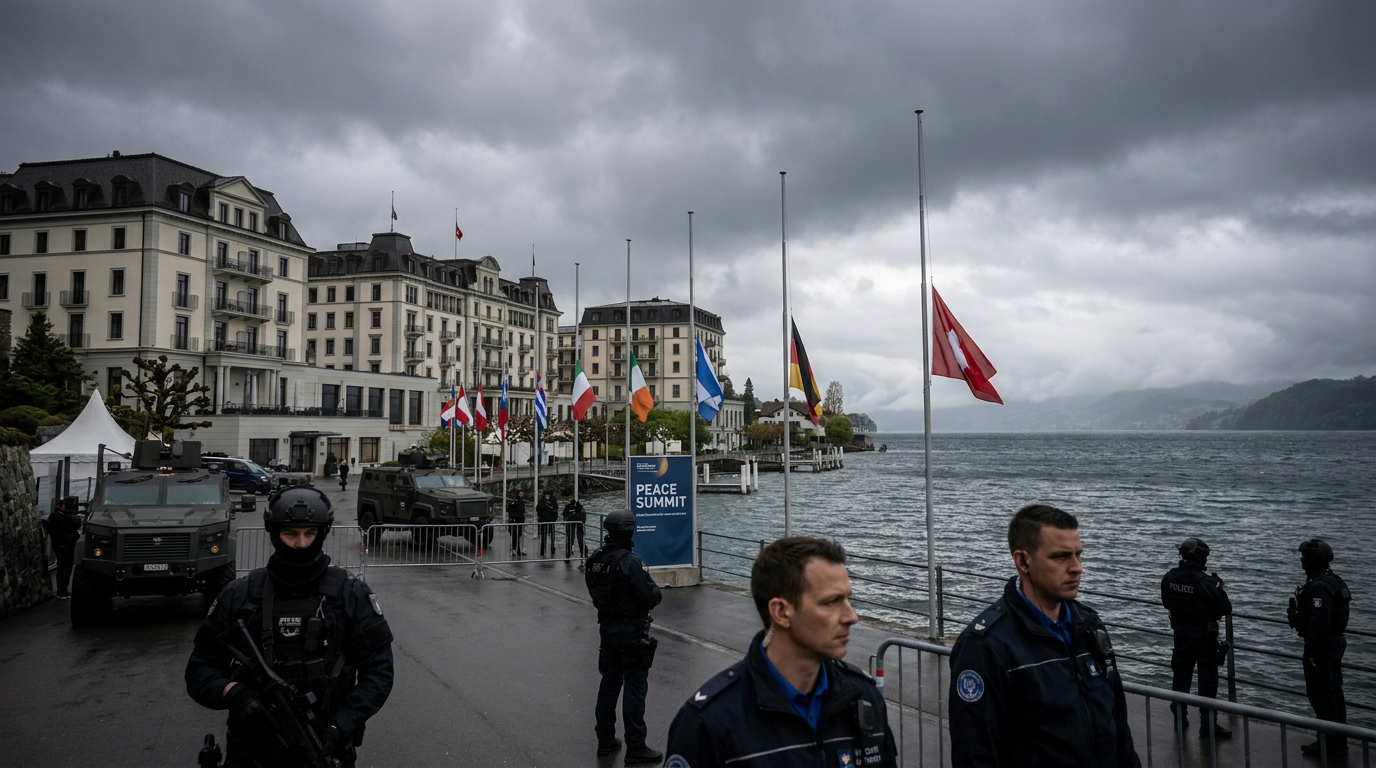
US-Iran Peace Summit in Switzerland Cancelled After Violence Flares in Lebanon
6 sources
Every angle. Every day.
Get news politics stories with full source coverage and perspective breakdowns delivered to your inbox.