
Harvard LIRA Forecasts Home Remodeling Growth to Decelerate Sharply to 1.2% by Mid-2026
The pandemic-era renovation boom is officially cooling as high borrowing costs and a frozen housing market push homeowners toward essential repairs rather than luxury additions.

For homeowners weighing whether to finally gut that dated kitchen or hold off another year, the math has fundamentally shifted. The pandemic-era frenzy of blank-check renovations and bidding wars for contractors has ended, replaced by a more sober market where professionals are returning calls faster but financing costs demand careful calculation.[6]
That cooling reality is now quantified. The Joint Center for Housing Studies of Harvard University has forecast through its Leading Indicator of Remodeling Activity (LIRA) that year-over-year growth in home renovation and repair spending is decelerating sharply to just 1.2 percent by mid-2026.[1][2]
This marks a dramatic downshift from the double-digit growth seen at the peak of the remodeling boom. While total national improvement and repair expenditures are still projected to hover above $515 billion, the pace of expansion has flattened to a rate that barely keeps up with overall inflation.[1][3]
The deceleration is tethered directly to the broader real estate freeze. Because homeowners typically undertake major renovations shortly after buying a property, stagnant existing home sales have choked off a primary pipeline for large-scale projects. Sluggish new construction starts and a dip in remodeling permits have further signaled a market in retreat.[2][4]
Researchers at the Joint Center for Housing Studies note that this weakness in the broader housing market is exerting a heavy dampening effect on improvement spending. Without a sustained rebound in home turnover or a significant drop in interest rates, remodeling activity is expected to remain trapped in this low-growth holding pattern.[1][2]
For the average property owner, this macroeconomic slowdown translates into a rare window of leverage. With overall spending growth flattening, contractors who were previously booked out for twelve to eighteen months are now actively looking to fill their schedules. Material supply chains, once plagued by volatile pricing and long delays, have largely stabilized.[5][6]
However, the cost of capital remains the primary hurdle dictating what actually gets built. With home equity lines of credit and personal loans carrying significantly higher interest rates than they did three years ago, homeowners are pivoting away from massive, debt-financed additions.[5]
Instead, the focus has shifted toward cash-funded maintenance, essential repairs, and smaller cosmetic upgrades. The industry is seeing a bifurcation where necessary replacements—like a failing roof or HVAC system—proceed, while discretionary luxury overhauls are indefinitely deferred.[3][6]
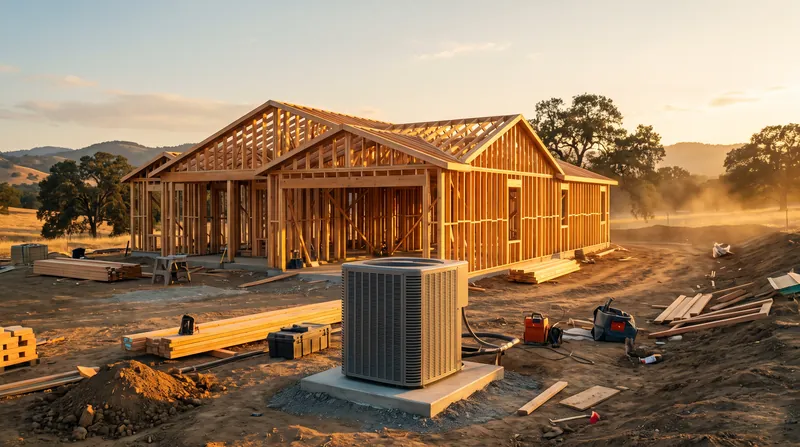
There is one notable exception to the slowdown: energy-efficiency upgrades. Looming federal cuts to certain home energy improvement incentives have created a short-term rush for specific projects. Homeowners are accelerating plans for heat pump installations, solar panels, and weatherization to take advantage of these programs before they disappear.[1][6]
Ultimately, the remodeling market is returning to its historical baseline—driven by necessity and wear-and-tear rather than speculative upgrades. For buyers and owners planning their next move, the current environment rewards patience in contractor selection but demands strict discipline in project financing.[6]
Viewpoints in depth
Housing Market Analysts
Focuses on macroeconomic indicators, interest rates, and housing turnover as the primary drivers of remodeling activity.
Analysts at institutions like Harvard's Joint Center for Housing Studies view remodeling as a lagging indicator of the broader real estate market. They argue that because the majority of major renovations occur within the first two years of a home purchase, the current freeze in existing home sales naturally chokes off the pipeline for large-scale projects. Until interest rates drop enough to unfreeze housing inventory, they expect renovation spending to remain stagnant.
Building Materials Industry
Concerned with the downstream impact of slowing remodeling on retail sales and material demand.
For manufacturers and retailers of building products, the deceleration to 1.2 percent growth signals an end to the pandemic-era supply crunches and a return to margin pressure. Industry groups note that while the sheer volume of spending remains historically high at over $515 billion, the lack of growth means companies must compete fiercely on price rather than simply fulfilling backorders. This camp is closely monitoring retail sales data for signs of further softening in discretionary material purchases.
Local Contractors & Trades
Experiences the slowdown as a shift from massive backlogs to a more competitive bidding environment.
On the ground, general contractors and specialized trades are feeling the shift from a seller's to a buyer's market. While skilled labor remains expensive and difficult to source, the pipeline of inbound leads has thinned. Contractors report that homeowners are increasingly breaking large projects into phased, smaller jobs to avoid taking on high-interest debt, forcing businesses to adapt their operational models to maintain cash flow in a lower-growth environment.
Key points
- Harvard's Joint Center for Housing Studies forecasts home renovation spending growth will decelerate to just 1.2% by mid-2026.
- The slowdown is driven by a frozen existing home sales market and elevated interest rates that make borrowing expensive.
- Total national improvement and repair expenditures are still projected to remain high, hovering above $515 billion.
- Homeowners are shifting away from large, debt-financed additions toward cash-funded maintenance and essential repairs.
- Housing Market Analysts
- Focuses on macroeconomic indicators, interest rates, and housing turnover as the primary drivers of remodeling activity.
- Building Materials Industry
- Concerned with the downstream impact of slowing remodeling on retail sales and material demand.
- Local Contractors & Trades
- Experiences the slowdown as a shift from massive backlogs to a more competitive bidding environment.
Perspectives this story doesn't cover
- First-Time Homebuyers
- Lenders and Credit Unions
Sources
Source coverage
6 outlets
3 viewpoints surfaced






- [1]Harvard Joint Center for Housing StudiesHousing Market Analysts
Leading Indicator of Remodeling Activity (LIRA)
Read on Harvard Joint Center for Housing Studies → - [2]InmanHousing Market Analysts
Remodeling growth to slow sharply in early 2027: Harvard's Joint Center for Housing Studies
Read on Inman → - [3]Composite Panel AssociationBuilding Materials Industry
Harvard LIRA Predicts Continued Remodeling Softening
Read on Composite Panel Association → - [4]Window + DoorBuilding Materials Industry
Remodeling Growth to Slow Sharply in Early 2027
Read on Window + Door → - [5]Banker & TradesmanLocal Contractors & Trades
Little Growth Ahead for Remodeling Spending
Read on Banker & Tradesman → - [6]Factlen Editorial TeamHousing Market Analysts
Synthesis by Factlen editorial team
Read on Factlen Editorial Team →
More in Home
See all →Material Costs
Building Material Prices Surge 3.7% in April, Hitting Fastest Pace in Three Years
4 sources

Aging in Place
Proposed Federal Tax Credit Would Offer Seniors Up to $10,000 for 'Aging-in-Place' Home Upgrades
3 sources
Lead Abatement
EPA's Strictest-Ever Lead Dust Standards Take Effect, Forcing Costly Abatement in Millions of Pre-1978 Homes
7 sources
Labor Shortage
Construction Job Openings Surge 36% Mid-Year, Costing Homebuilders $10.8 Billion Annually
7 sources
Comments
Every angle. Every day.
Get Home stories with full source coverage and perspective breakdowns, free every day.