
2027 Model Building Codes Finalized With Major Changes for Off-Site Construction and Flood Resistance
The International Code Council has finalized its 2027 building standards, introducing sweeping provisions to accelerate modular housing and mandate higher flood elevations for new construction.
By Tao Yang

Share this story
A factory-built wall panel rolling off an assembly line in Pennsylvania will soon face the exact same regulatory checklist as a traditional stick-built frame erected on a dirt lot in Texas. The International Code Council (ICC) has officially finalized the 2027 International Codes, overhauling the foundational rulebook that dictates how residential and commercial structures are built, renovated, and inspected across the United States.
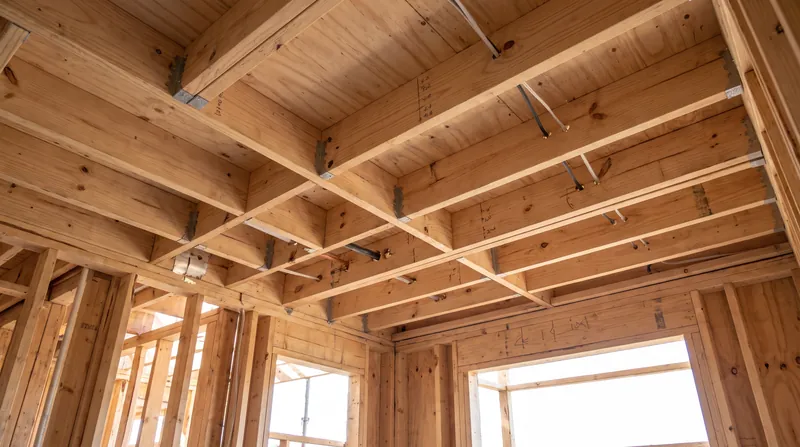
For decades, the building code has been inherently biased toward on-site construction, where local inspectors can walk the framing, check the plumbing rough-ins, and sign off on the electrical work before the drywall goes up. The 2027 update fundamentally changes this dynamic, rewriting the rules to accommodate a modern construction landscape where entire rooms are built in climate-controlled factories and shipped to the site.[1]
The most significant shift in the 2027 edition is the formal integration of comprehensive off-site construction standards. Previously, modular homes, prefabricated additions, and factory-built components existed in a frustrating regulatory gray area. Builders often faced redundant local inspections that erased the time and cost savings of factory assembly, as municipal inspectors demanded to see inside closed walls that had already been certified at the manufacturing plant.
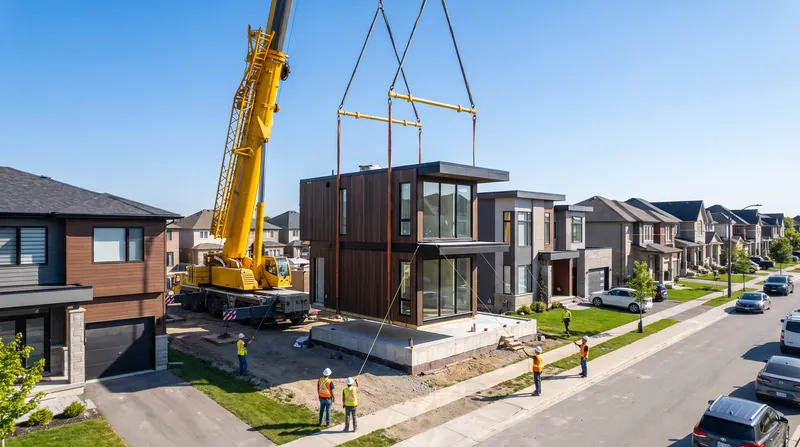
The new codes establish a unified, predictable framework for approving these structures at the facility level. This allows local building departments to accept third-party certifications and state-level approvals without needing to tear open finished drywall on the job site, bridging the gap between manufacturing efficiency and local safety oversight.[1][2]
Industry groups and housing advocates have championed this specific change as a critical lever for addressing the nationwide housing shortage. By standardizing the approval process for modular construction, developers can scale the production of affordable housing units with far greater predictability.
For a homeowner looking to add an accessory dwelling unit (ADU) in their backyard for an aging parent, this means the unit can be ordered, built, and installed in a matter of weeks rather than months. The ICC and industry stakeholders estimate that removing these local inspection bottlenecks could shave substantial time off typical construction schedules, directly translating to lower carrying costs for builders and lower final prices for buyers.[1][2]
Beyond the factory-built housing provisions, the 2027 codes introduce stringent new mandates for flood resistance and climate resilience, reflecting a growing urgency to protect real estate from extreme weather. Homes built or substantially remodeled in designated flood hazard areas will now be required to elevate their lowest floors significantly higher above the base flood elevation than previous editions mandated.
This change incorporates updated hydrological data and acknowledges that historical flood maps often fail to capture modern storm surge and inland flooding risks. For a coastal homeowner planning a major first-floor renovation, this could mean the difference between a standard permit and a requirement to physically lift the entire structure onto higher pilings.[1]
The finalization also encompasses the 2027 International Energy Conservation Code (IECC), which tightens building envelope requirements and pushes for greater thermal efficiency across the board. The finalized IECC introduces stricter standards for insulation thickness, window performance ratings, and whole-house air sealing.
For a buyer purchasing a new construction home, these upgrades mean the property will require significantly less energy to heat and cool, offering a buffer against volatile utility rates. However, for a homeowner planning a gut renovation, it means the baseline cost of materials—such as thicker rigid foam or triple-pane windows—will be higher to meet the new compliance thresholds.[3]
The energy provisions were heavily debated during the drafting process, balancing the urgent need for carbon reduction against the immediate realities of construction costs. The final 2027 IECC represents a compromise that advances energy efficiency without mandating unproven technologies.
It provides builders with flexible compliance paths, allowing them to trade off certain efficiency measures—like installing high-efficiency HVAC equipment in exchange for slightly less stringent wall insulation—as long as the overall energy performance of the home meets the target. This flexibility is crucial for remodelers working with existing structures where adding exterior insulation might trigger expensive siding and roofline modifications.[3][4]
With the model codes now finalized at the national level, the regulatory battleground shifts entirely to state and local governments. The ICC writes the model rules, but municipalities must actively vote to adopt them into law.
Over the next three to five years, city councils, county commissions, and state legislatures will debate whether to adopt the 2027 codes in full, amend them to suit local builder preferences, or simply stick with older editions like the 2021 or 2024 codes. For anyone breaking ground later this decade, the local adoption timeline will determine exactly which rules apply to their specific address.[4]
For the average homeowner, the 2027 codes ultimately represent a trade-off between upfront costs and long-term predictability. Building a resilient, highly insulated home or dropping a modular ADU into a backyard will eventually become a more standardized, streamlined process. However, the transition period will require navigating a complex patchwork of local adoptions. A factory-built addition that is perfectly legal and fast-tracked in one county might still face bureaucratic hurdles and delays just one town over, until the new standards are universally embraced by local building departments nationwide.[4]
Key points
- The 2027 International Codes introduce comprehensive standards for off-site and modular construction.
- New flood resistance mandates require homes in vulnerable areas to be built higher above base flood elevations.
- The finalized codes aim to alleviate housing shortages by streamlining factory-built home approvals.
- Local municipalities will begin adopting the 2027 standards over the next several years.
- Modular Construction Industry
- Argues that standardizing off-site construction approvals is essential for lowering costs and solving the housing crisis.
- Municipal Building Officials
- Values the safety oversight of local inspections but recognizes the need for a unified framework to handle factory-built components.
- Resilience and Energy Advocates
- Focuses on the long-term benefits of stricter energy efficiency and flood elevation mandates to protect homeowners and the grid.
Perspectives this story doesn't cover
- Traditional On-Site Homebuilders
- Affordable Housing Nonprofits
Sources
Source coverage
4 outlets
3 viewpoints surfaced




- [1]ICCModular Construction Industry
2027 International Codes® Add Provisions to Accelerate Off-Site Construction and Support Housing Affordability
Read on ICC → - [2]Plumbing & MechanicalModular Construction Industry
2027 International Codes Add Provisions to Accelerate Off-Site Construction and Support Housing Affordability
Read on Plumbing & Mechanical → - [3]Building EnclosureResilience and Energy Advocates
The 2027 IECC Is Final
Read on Building Enclosure → - [4]Factlen Editorial TeamMunicipal Building Officials
Synthesis by Factlen editorial team
Read on Factlen Editorial Team →
More in Home
See all →Corporate Landlords
Federal Law Bans Institutional Investors from Buying Single-Family Homes if Portfolio Exceeds 350 Units
5 sources
Building Codes
The 2026 California Mandate: How New Homes Must Now Be Built With Integrated Battery Storage Capacity
4 sources
Building Science
The 21% Chemically Bound Water: How Gypsum Drywall Resists Fire by Releasing Steam
9 sources
Structural Standards
The L/360 and L/240 Deflection Limits: How Acceptable Sag Actually Dictates Floor and Ceiling Spans
5 sources
Comments
Every angle. Every day.
Get Home stories with full source coverage and perspective breakdowns, free every day.