
Hardside vs. Softside Luggage: The Ultimate Trade-Off Analysis for Modern Travelers
Choosing between rigid polycarbonate and flexible ballistic nylon fundamentally changes how you pack and travel. This side-by-side analysis breaks down the durability, weight, and spatial trade-offs of the two dominant luggage styles.
By Factlen Editorial Team
- Protection & Aesthetics Advocates
- This camp prioritizes the structural integrity, weather resistance, and sleek appearance of rigid luggage.
- Flexibility & Access Advocates
- This camp values the practical convenience, exterior pockets, and expandability of softside fabrics.
- Material Science & Testing Experts
- This camp evaluates luggage based on empirical stress tests, material composition, and long-term durability.
What's not represented
- · Airline Baggage Handlers
- · Sustainable Luggage Recyclers
Why this matters
Luggage is a foundational investment that dictates your mobility and the safety of your belongings on the road. Understanding the structural trade-offs between hardside and softside materials ensures you choose a bag that aligns with your packing habits, preventing overweight fees, damaged valuables, and transit frustration.
Key points
- Hardside luggage, typically made of polycarbonate or aluminum, offers superior protection for fragile items and better weather resistance.
- Softside luggage, constructed from ballistic nylon or polyester, provides greater flexibility, exterior pockets, and expandability for overpackers.
- High-end softside bags can sometimes weigh more than modern polycarbonate hardside cases due to heavy internal frames.
- Hardside bags generally use a clamshell design requiring more floor space, while softside bags use a top-lid design ideal for tight quarters.
- The choice ultimately depends on travel style: hardside excels for checked bags and international flights, while softside is ideal for carry-on and road trips.
As global travel volumes continue to surge in the summer of 2026, the classic debate over luggage materials has taken on renewed importance for passengers navigating strict airline weight limits and crowded overhead bins. The choice between hardside and softside luggage is no longer just an aesthetic preference; it is a structural decision that dictates how travelers pack, navigate transit hubs, and protect their belongings. With manufacturers pushing the boundaries of material science, the market is flooded with high-tech polycarbonates and ultra-dense nylons, leaving consumers to weigh the distinct advantages and drawbacks of each approach.[1][4]
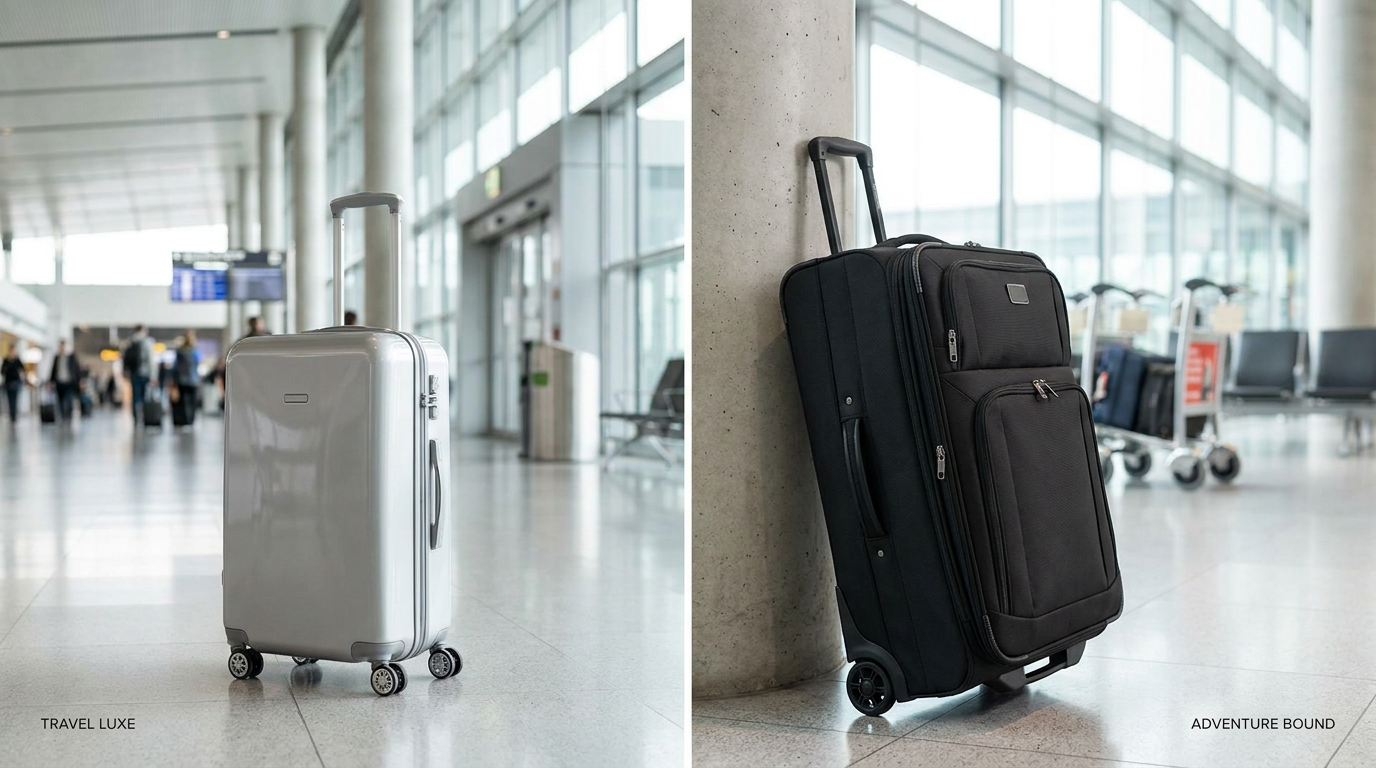
The fundamental difference between the two styles lies in their exterior architecture. Hardside luggage relies on a rigid shell, typically forged from polycarbonate, aluminum, or acrylonitrile butadiene styrene, commonly known as ABS plastic. These materials are engineered to absorb impact and protect the contents within. Conversely, softside luggage is constructed from flexible, woven fabrics like ballistic nylon, Cordura, or high-denier polyester. These textiles are stretched over an internal frame, offering a pliable exterior that can expand, contract, and absorb scrapes without permanently denting.[1][2]
The primary argument for hardside luggage centers on ultimate protection. Acting as a lightweight suit of armor, a rigid polycarbonate or aluminum shell provides an unparalleled defense against the blunt force of rough baggage handling and turbulent flights. Travelers transporting fragile items—such as electronics, camera gear, or glass bottles—often find hardside cases indispensable. Furthermore, the impermeable nature of these shells offers superior weather resistance, shielding belongings from rain, snow, or accidental spills on the tarmac far better than woven fabrics can.[2][3]

However, the arguments against hardside luggage highlight its vulnerability to cosmetic damage and its rigid spatial constraints. While high-quality polycarbonate is designed to flex and pop back into shape upon impact, cheaper ABS plastic is notorious for cracking under heavy pressure. Even premium aluminum cases, which boast a luxurious aesthetic, are highly susceptible to permanent dents and visible scratches. Additionally, the inflexible nature of a hard shell means that once the suitcase is full, it cannot be overstuffed. The lack of exterior pockets also forces travelers to open the entire main compartment just to retrieve a passport or a charging cable.[1][2][3]
Evidence from luggage testing facilities quantifies these trade-offs. High-end aluminum hardside cases can be surprisingly heavy, with some premium check-in models weighing nearly twelve pounds empty. In contrast, modern polycarbonate blends have drastically reduced the weight penalty, often matching or undercutting the weight of heavily reinforced softside bags. Structurally, most hardside bags utilize a clamshell design, splitting down the middle into two equal halves. While this aids in organized packing, it requires double the floor space to open fully—a significant drawback in cramped hotel rooms or crowded airport terminals.[1][5]
Evidence from luggage testing facilities quantifies these trade-offs.
On the other side of the aisle, the strongest argument for softside luggage is its inherent flexibility and convenience. The pliable nature of nylon and polyester allows the bag to mold into tight spaces, making it significantly easier to squeeze a softside carry-on into a packed overhead bin or the trunk of a rental car. Most softside designs feature a single deep main compartment with a top lid, requiring far less floor space to open than a clamshell hardside. Crucially, softside bags almost universally feature exterior zippered pockets, providing immediate access to travel documents, laptops, and toiletries without exposing the entire contents of the suitcase.[2][5]

The arguments against softside luggage focus on its susceptibility to the elements and its lower threshold for impact protection. While high-denier ballistic nylon is incredibly resistant to tearing and abrasion, it is not entirely waterproof. Prolonged exposure to heavy rain or sitting in a puddle on the tarmac can result in moisture seeping through the fabric and zippers. Furthermore, because the exterior yields to pressure, softside bags offer minimal protection against crushing. If a heavy trunk is stacked on top of a softside bag in the cargo hold, fragile items inside are at a much higher risk of damage compared to being housed in a rigid shell.[2][5]
The evidence supporting softside luggage often points to its superior capacity and expandability. Because the fabric has natural give, travelers can often squeeze in an extra outfit or a pair of shoes that a hardside case would flatly reject. Many softside models feature zippered expansion gussets that can add two to three inches of depth, increasing the overall volume by up to twenty percent. While standard softside carry-ons typically weigh between five and ten pounds, testers note that some ultra-premium softside bags actually weigh more than their polycarbonate counterparts due to the heavy-duty internal frames and thick, multi-layered fabrics required to maintain their shape.[1][5]
Ultimately, the decision hinges on a traveler's packing philosophy and transit environment. Hardside luggage forces packing discipline; its rigid boundaries do not forgive overpacking, which can actually be a benefit for travelers trying to avoid overweight baggage fees. The sleek, minimalist aesthetic of a hardside case also appeals to business travelers seeking a professional appearance. Conversely, softside luggage caters to the 'just in case' packer. Its forgiving nature accommodates last-minute additions and souvenirs acquired during the trip, making it a favorite for extended vacations and family travel where flexibility is paramount.[2][3]

When evaluating the trade-offs, hardside luggage fits well when checking bags frequently, traveling internationally on long-haul flights, transporting fragile or valuable items, or prioritizing a sleek, modern aesthetic. It provides peace of mind against rough handling and inclement weather. However, hardside luggage does not fit well when traveling in tight spaces, such as road trips where bags must be stacked in a car trunk, or when the traveler requires quick, frequent access to items stashed in exterior pockets. It is also a poor choice for chronic overpackers who rely on the stretch of fabric to close their suitcase.[2][3][4]
Conversely, softside luggage fits well when traveling exclusively with carry-on bags, taking road trips, navigating train travel with limited storage racks, or traveling with children where exterior pockets for snacks and wipes are essential. It thrives in scenarios where flexibility and immediate access are more valuable than armor-like protection. Softside luggage does not fit well when transporting breakable items, electronics, or delicate souvenirs in the cargo hold. It is also less ideal for travel to destinations with extreme weather conditions, where the bag might be exposed to heavy rain or snow during transit.[2][4][5]
As the travel gear industry evolves, the lines between these two categories are beginning to blur. Manufacturers are introducing hybrid designs that feature a rigid polycarbonate back for protection and a soft nylon front for expandability and exterior pockets. Others are engineering hardside cases with innovative front-access compartments to solve the quick-access dilemma. Until these hybrids perfect the balance, however, travelers must continue to weigh the distinct trade-offs of the classic hardside versus softside debate, choosing the material that best aligns with their specific journey and packing style.[1][6]

Viewpoints in depth
Protection & Aesthetics Advocates
This camp prioritizes the structural integrity and sleek appearance of rigid luggage.
For travelers transporting delicate electronics, camera equipment, or fragile souvenirs, the rigid shell of a hardside suitcase is non-negotiable. They argue that the impermeable nature of polycarbonate and aluminum provides a necessary shield against both the blunt force of automated baggage handling systems and unpredictable weather on the tarmac. Beyond pure utility, this camp also values the minimalist, professional aesthetic that hardside luggage offers, viewing the suitcase as an extension of their personal or professional brand. They willingly trade exterior pockets for the peace of mind that their belongings are encased in a protective vault.
Flexibility & Access Advocates
This camp values the practical convenience, expandability, and forgiving nature of softside fabrics.
Leisure travelers, chronic overpackers, and families strongly advocate for the pliable nature of softside luggage. They point out that travel is inherently unpredictable, and the ability to stuff a jacket into an exterior pocket or squeeze a slightly oversized bag into a rental car trunk is invaluable. This camp argues that the clamshell design of hardside luggage is impractical in cramped hotel rooms, preferring the top-lid access of softside bags. For them, the slight reduction in impact protection is a worthwhile trade-off for the day-to-day convenience of quick-access compartments and expandable zippers.
Material Science & Testing Experts
This camp evaluates luggage based on empirical stress tests, material composition, and long-term durability.
Luggage manufacturers and independent product testers focus less on the aesthetic debate and more on the underlying engineering. They emphasize that not all hardside or softside bags are created equal. This camp warns consumers against cheap ABS plastics that shatter in cold cargo holds, advocating instead for 100% Makrolon polycarbonate. Similarly, they differentiate between standard polyester and high-denier ballistic nylon. For these experts, the true measure of a suitcase is found in tumble tests, wheel mileage trials, and the strength of the manufacturer's warranty, arguing that high-quality materials in either category will outlast cheap alternatives.
What we don't know
- How upcoming stringent airline weight restrictions might force a shift away from heavy aluminum and thick nylon toward ultra-lightweight composites.
- Whether hybrid luggage designs (combining hard backs and soft fronts) will eventually dominate the market or remain a niche compromise.
- The long-term environmental impact and recyclability of complex polycarbonate blends versus woven synthetic fabrics.
Key terms
- Polycarbonate
- A lightweight, shatter-proof thermoplastic used in premium hardside luggage that flexes under impact rather than cracking.
- Ballistic Nylon
- A thick, synthetic fabric originally developed for military body armor, prized in softside luggage for its extreme resistance to tearing and abrasion.
- ABS Plastic
- Acrylonitrile butadiene styrene, a cheaper and more rigid plastic used in budget hardside luggage that is more susceptible to cracking under heavy pressure.
- Clamshell Design
- A suitcase architecture that opens entirely in half, creating two equal-sized packing compartments, typical of hardside luggage.
- Denier
- A unit of measurement that determines the thickness of individual threads used in the creation of fabrics; a higher denier indicates a thicker, more durable material.
Frequently asked
Is hardside or softside luggage better for carry-on?
Softside is often preferred for carry-on because its flexible fabric can squeeze into tight overhead bins, and exterior pockets provide easy access to laptops and liquids during security checks.
Does hardside luggage crack easily?
Cheaper ABS plastic hardside bags are prone to cracking under pressure. However, high-quality polycarbonate is engineered to flex and absorb impact, making it highly resistant to cracking.
Can hardside luggage expand?
While traditionally rigid, many modern hardside suitcases now feature a zippered fabric expansion gusset in the middle, allowing them to expand similarly to softside bags.
Which type of luggage is heavier?
Surprisingly, high-end softside luggage can sometimes weigh more than polycarbonate hardside bags due to heavy internal frames and thick fabrics, though aluminum hardside cases remain the heaviest option.
Sources
Source coverage
6 outlets
3 viewpoints surfaced




[1]Forbes VettedMaterial Science & Testing Experts
Hardside Vs. Softside Luggage 2024
Read on Forbes Vetted →[2]DELSEY PARISProtection & Aesthetics Advocates
Hardside vs Soft-Sided Luggage: Which Suitcase Is Best?
Read on DELSEY PARIS →[3]TravelproFlexibility & Access Advocates
How to Choose Durable Luggage: Materials, Features & Travel Style
Read on Travelpro →[4]LEVEL8Protection & Aesthetics Advocates
How to Choose Durable Luggage That Won't Break
Read on LEVEL8 →[5]BestReviewsFlexibility & Access Advocates
Hardside vs. softside luggage: Which one for your next trip?
Read on BestReviews →[6]Factlen Editorial TeamMaterial Science & Testing Experts
Synthesis by Factlen editorial team
Read on Factlen Editorial Team →

More in shopping
See all 5 stories →


Every angle. Every day.
Get shopping stories with full source coverage and perspective breakdowns delivered to your inbox.