
Global Volleyball Injury Report: Fransen Sidelined as Pelland Steps Up, Cebecioğlu Recovers from Emergency Surgery
As the 2026 volleyball season intensifies, teams worldwide are navigating a wave of injuries. While Canada's Brie Fransen and Türkiye's Derya Cebecioğlu face recovery timelines, resilient backups and successful rehabs are keeping championship hopes alive.
By Factlen Editorial Team
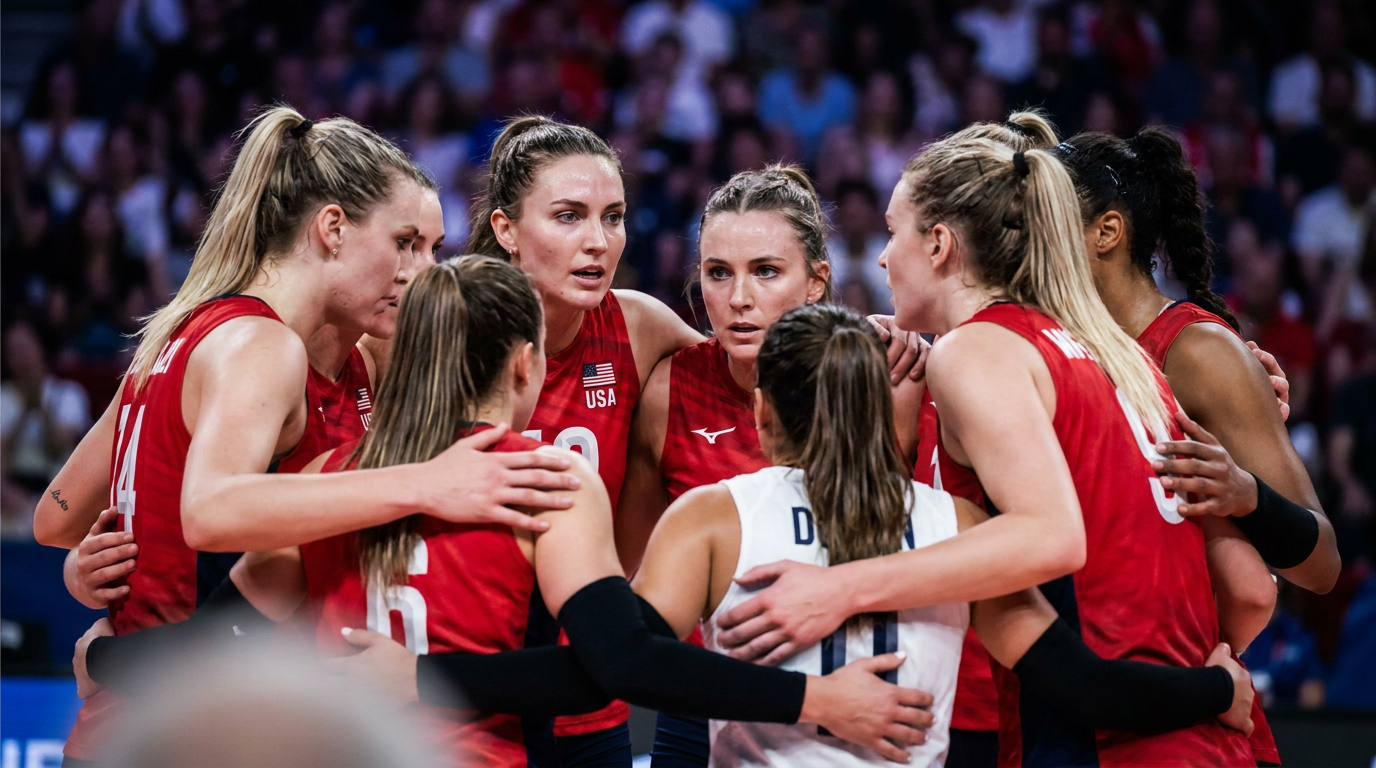
- National Team Management
- Coaches and federations prioritize long-term player health over immediate tournament results.
- Medical & Rehab Specialists
- Sports medicine professionals advocate for phased, personalized return-to-sport protocols.
- Players & Teammates
- Athletes focus on the 'next-woman-up' mentality and emotional support during recovery.
What's not represented
- · Club Physiotherapists
- · Tournament Schedulers
Why this matters
Injuries are an inevitable part of elite volleyball, but how teams respond defines their season. The latest wave of medical updates highlights the growing importance of roster depth and modern sports medicine in keeping athletes' careers on track.
Key points
- Canadian setter Brie Fransen suffered an ankle injury during a VNL match, but backup Quinn Pelland led the team to a 3-1 win.
- VakifBank's Derya Cebecioğlu successfully underwent emergency surgery for a bleeding cyst and faces a 4-6 week recovery.
- Italian middle blocker Gianluca Galassi has successfully returned to elite form following early 2026 surgery.
- Modern sports medicine and phased return-to-sport protocols are helping volleyball players recover more reliably from severe injuries.
The grueling pace of the 2026 Volleyball Nations League (VNL) and domestic championships is testing the depth of rosters worldwide. But rather than folding under the physical toll, teams are showcasing remarkable resilience. Across the globe, squads are relying on next-woman-up mentalities and modern sports medicine to keep their seasons alive, proving that a sidelined star is no longer a death knell for a team's ambitions.[1]
During a crucial June 19 VNL matchup against Bulgaria in Bangkok, the Canadian women's national team faced a sudden crisis. Starting setter Brie Fransen suffered an ankle injury mid-match, forcing her to the sidelines in visible discomfort.[1][2]
Instead of collapsing, Canada's offense didn't miss a beat. Backup setter Quinn Pelland stepped onto the court and delivered a flawless performance, orchestrating the attack to secure a hard-fought 3-1 victory. The match also saw Canadian opposite Kiera Van Ryk reach a historic milestone, surpassing 1,000 career VNL points to help carry the offensive load in Fransen's absence.[1][2]

In the European club circuit, reigning champions VakifBank Istanbul recently navigated a frightening medical emergency involving standout outside hitter Derya Cebecioğlu.[3]
After experiencing severe abdominal pain, Cebecioğlu was rushed to the hospital, where doctors discovered a bleeding cyst. She underwent emergency surgery, which was successfully completed. She is currently undergoing a four-to-six-week recovery protocol, with the club closely monitoring her progress.[3]
After experiencing severe abdominal pain, Cebecioğlu was rushed to the hospital, where doctors discovered a bleeding cyst.
Cebecioğlu's recovery, alongside minor muscle strains for teammates like Hande Baladin and Ilkin Aydin, forced the Turkish national team—the "Sultans of the Net"—to adjust their roster for the third week of the VNL. Yet, the deep Turkish squad continues to push forward, leaning on their extensive bench strength to maintain their championship pursuit.[5]

On the men's side, Italian SuperLega contenders are also managing the physical demands of the sport. Gas Sales Bluenergy Piacenza's middle blocker Gianluca Galassi serves as a prime example of modern rehabilitation success.[3]
Following a successful surgery earlier in the year to address a lingering issue, Galassi's carefully managed recovery process allowed him to return to elite form. His trajectory proves that structured, personalized rehabilitation protocols can safely guide athletes back to the highest levels of international play without rushing the timeline.[3][6]
The injury bug isn't limited to the professional ranks, but neither is the resilience. In the Philippines, 17-year-old standout Rhose Almendralejo suffered a severe knee injury following an explosive spike attempt during the finals of the 66th Palarong Pambansa on May 30.[4]
Despite being stretchered off during the first set, Almendralejo's Bacolod Tay Tung team rallied to secure a silver medal. As she rests ahead of a scheduled MRI, the young star—who was named Best Outside Hitter and Most Impressive Player of the tournament—has received an outpouring of support from the global volleyball community, highlighting the sport's tight-knit culture.[4]

Across all these cases, the evolution of volleyball sports medicine is evident. Dynamic warm-ups, targeted strength training for quads and glutes, and phased return-to-sport (RTS) protocols are drastically reducing the long-term career impact of knee, ankle, and shoulder injuries.[6]
While injuries remain an unavoidable reality of high-flying, high-impact volleyball, the 2026 season is proving that teams are better equipped than ever to handle them. With advanced surgical interventions, patient rehab timelines, and deep, supportive rosters, the sport's top athletes are returning stronger, and their teams are finding ways to win in their absence.[1][3][6]
How we got here
Early 2026
Italian middle blocker Gianluca Galassi undergoes successful surgery, beginning a phased rehabilitation process.
May 2026
VakifBank's Derya Cebecioğlu undergoes emergency surgery for a bleeding cyst, requiring a four-to-six-week recovery.
May 30, 2026
Philippine standout Rhose Almendralejo suffers a knee injury during the Palarong Pambansa finals.
June 19, 2026
Canada's Brie Fransen suffers an ankle injury during a VNL match, prompting backup Quinn Pelland to lead the team to victory.
Viewpoints in depth
National Team Management
Coaches and federations prioritize long-term player health over immediate tournament results.
For national team coaches navigating grueling international schedules like the VNL, roster management has become an exercise in risk mitigation. Rather than forcing players with minor strains—such as Türkiye's Hande Baladin or Ilkin Aydin—to play through pain, management is increasingly opting to rest them. This philosophy relies heavily on developing deep benches, ensuring that backups can seamlessly step into high-pressure situations without compromising the team's overall performance or the injured player's long-term career.
Medical & Rehab Specialists
Sports medicine professionals advocate for phased, personalized return-to-sport protocols.
Modern volleyball rehabilitation has shifted away from rushed timelines and generic physical therapy. Specialists now emphasize dynamic, sport-specific movements and phased return-to-sport (RTS) protocols. For injuries ranging from ankle sprains to emergency surgeries, the medical consensus is that allowing the body adequate time to heal—often four to six weeks for internal procedures, or longer for structural joint repairs—drastically reduces the risk of re-injury. The focus is on building surrounding muscle strength, particularly in the quads and glutes, to protect vulnerable joints upon return.
Players & Teammates
Athletes focus on the 'next-woman-up' mentality and emotional support during recovery.
When a starter goes down, the immediate on-court impact is often mitigated by the emotional and tactical response of the remaining players. Teammates like Canada's Quinn Pelland demonstrate the importance of mental readiness, stepping into high-stakes international matches without hesitation. Off the court, the outpouring of support for injured players—seen in the community response to high school star Rhose Almendralejo—highlights the psychological safety nets that help athletes navigate the isolating experience of rehabilitation.
What we don't know
- The exact return date for Canada's Brie Fransen following her ankle evaluation.
- The full MRI results and long-term prognosis for Philippine standout Rhose Almendralejo.
Key terms
- Setter
- The player responsible for orchestrating the team's offense, typically taking the second touch to set up the attackers.
- Return-to-sport (RTS) protocol
- A medically supervised, step-by-step rehabilitation process that ensures an athlete is physically and mechanically ready to compete again.
- Outside Hitter
- A primary attacking position in volleyball, located on the left side of the net, responsible for both hitting and serve reception.
Frequently asked
How long will Derya Cebecioğlu be out?
Following her emergency surgery for a bleeding cyst, Cebecioğlu is expected to undergo a four-to-six-week recovery protocol before returning to the court.
Who replaced Brie Fransen after her injury?
Backup setter Quinn Pelland stepped in for Canada, delivering an excellent performance to help secure a 3-1 victory over Bulgaria.
What is a return-to-sport (RTS) protocol?
An RTS protocol is a phased, structured rehabilitation plan designed to safely guide an athlete back to competition while minimizing the risk of re-injury.
Sources
Source coverage
6 outlets
3 viewpoints surfaced





[1]Volleyball WorldNational Team Management
Van Ryk reaches 1000-point milestone in VNL as Canada earn tough win over Bulgaria
Read on Volleyball World →[2]NORCECAPlayers & Teammates
Canadian Kiera Van Ryk Reaches 1,000-Point Milestone in VNL Victory Over Bulgaria
Read on NORCECA →[3]WorldofVolleyPlayers & Teammates
VakifBank Confirm Emergency Surgery for Cebecioğlu
Read on WorldofVolley →[4]GMA NetworkPlayers & Teammates
NIR's Rhose Almendralejo looks to recover, set for MRI exam in 2 weeks
Read on GMA Network →[5]Türkiye TodayNational Team Management
Sultans of the Net ready for VNL week 3 despite notable absences
Read on Türkiye Today →[6]Sanford HealthMedical & Rehab Specialists
Sports PT program helps athletes return to competition and prevent re-injury
Read on Sanford Health →
More in sports
See all 32 stories →U20 Championship
South Africa U20s Open Junior World Championship Title Defense With 104-Point Rout Over Uruguay
6 sources

Injury
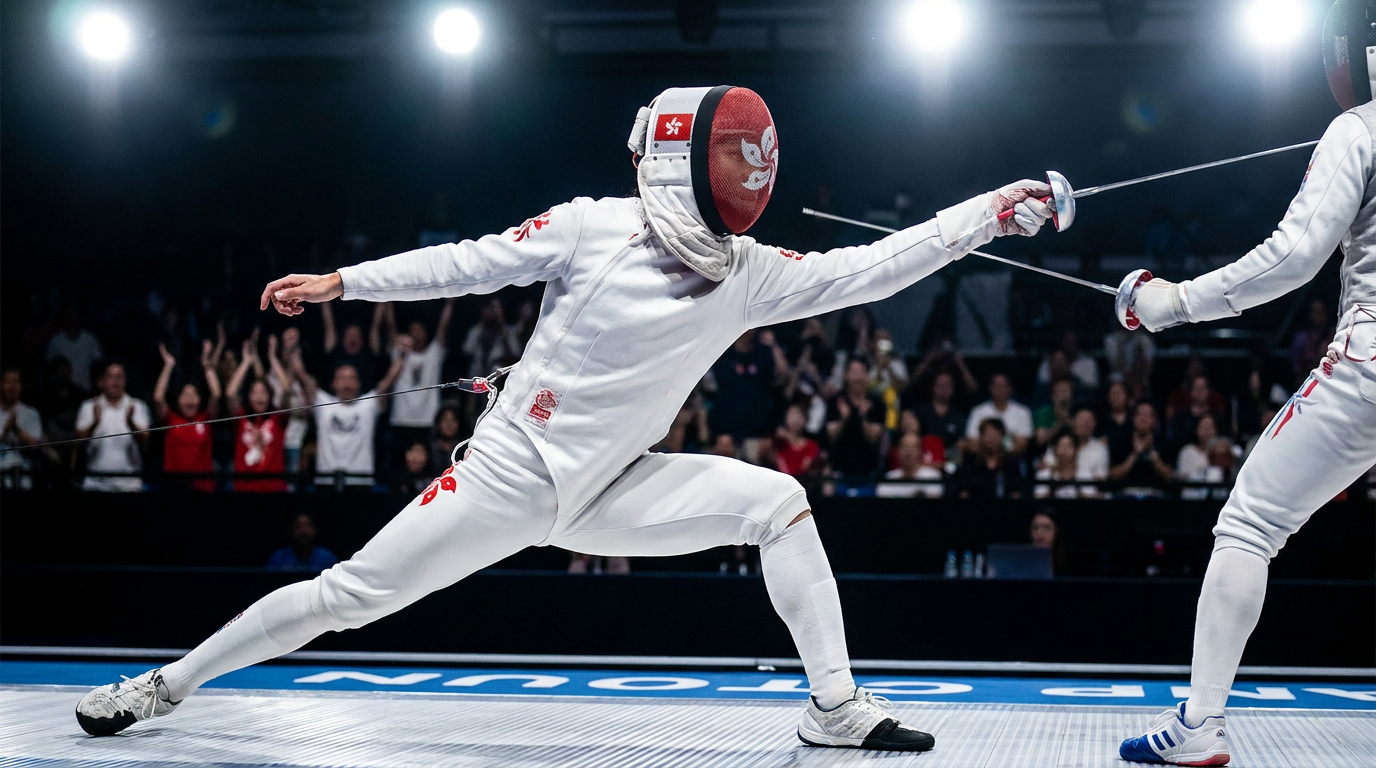
Hong Kong Foil Star Ryan Choi Faces Race to Recover from Hamstring Injury Ahead of Home World Championships
6 sources
Standings
Historic Four-Way Tie Atop FIE Women's Sabre Standings Sets Up Unprecedented World Championship Race
9 sources
Injury
Australian Para Dressage Rider Mietta Innes-Irons Selected for 2026 World Championships Following Devastating Spinal Injuries
4 sources
Every angle. Every day.
Get sports stories with full source coverage and perspective breakdowns delivered to your inbox.