
Australian Para Dressage Rider Mietta Innes-Irons Selected for 2026 World Championships Following Devastating Spinal Injuries
After surviving a paralyzing 2017 horse fall and a subsequent high-voltage electrocution, Australian equestrian Mietta Innes-Irons has been selected to represent her country at the 2026 FEI World Championships in Aachen. Partnered with her Westphalian gelding Sir Helmut, her remarkable return to the elite level highlights the resilience of para-equestrian athletes.
By Ryder James
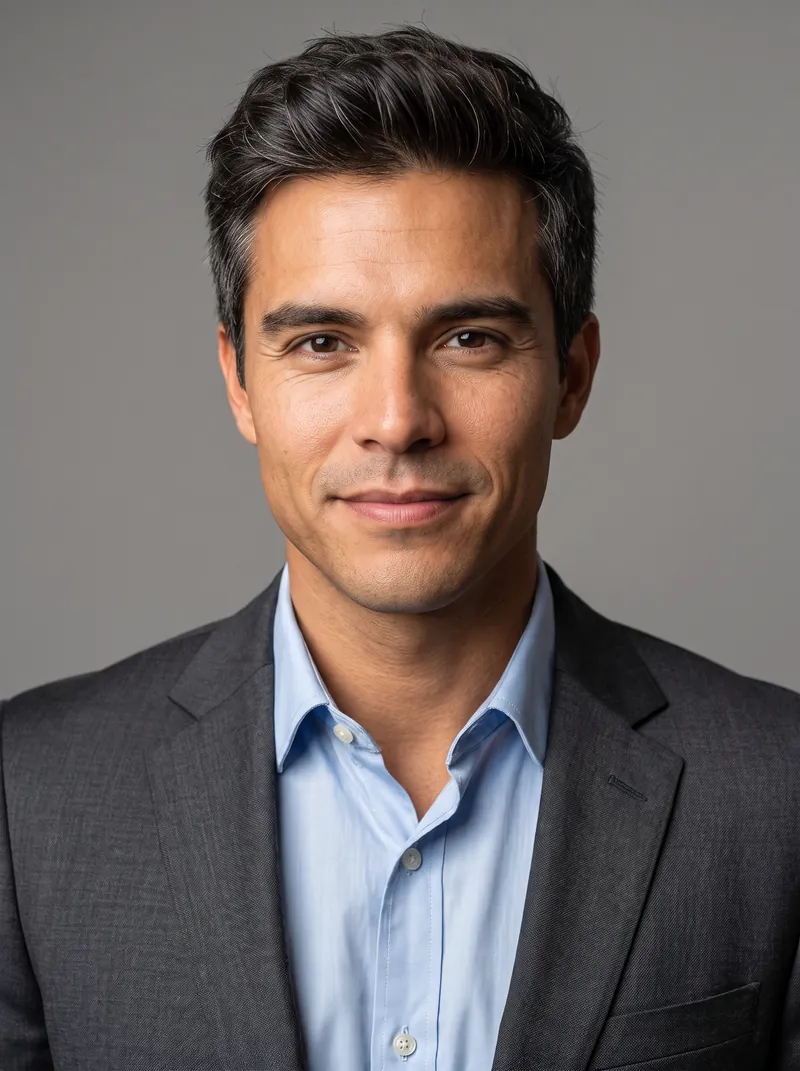
Mietta Innes-Irons has officially been named to the Australian Para Dressage Team for the upcoming 2026 FEI World Championships in Aachen, Germany, completing one of the most astonishing injury comebacks in modern equestrian sport. The 31-year-old rider from Shepparton, Victoria, will compete on the global stage alongside her Westphalian gelding, Sir Helmut. This selection marks a pinnacle achievement after nearly a decade defined by catastrophic, life-altering injuries and a relentless, grueling rehabilitation process that tested the absolute limits of her physical and mental endurance.[2]
Innes-Irons' trajectory was fundamentally altered in June 2017 during what should have been a routine ride. As a highly competitive 22-year-old eventer and show jumper who had been a fixture on state squads since childhood, she suffered a devastating rotational fall when her horse collapsed directly on top of her.
The massive impact caused severe hyperflexion through her lumbar spine, resulting in five herniated discs, a dislocated vertebra, a fractured sacrum, and crushed spinal nerves. She lost all feeling in her legs within five minutes of the accident, and attending doctors initially warned she might never walk again, let alone return to the saddle.[2]
Refusing to accept the premature end of her athletic career, Innes-Irons embarked on a grueling and highly complex rehabilitation process. Over the next several years, she underwent approximately 35 surgical procedures, including targeted injections, intravenous infusions, and radiofrequency ablation to manage what she described as constant, intense, and unremitting nerve pain.
Through sheer determination and daily physical therapy, she eventually regained roughly 95 percent of the function in her legs. However, she remained physically compromised, realizing that a return to the high-impact, unpredictable demands of cross-country eventing or show jumping was no longer a safe or viable option for her fragile spine.[2]
By late 2020, Innes-Irons had finally found a degree of sustainable relief after having a spinal cord stimulator surgically implanted. The device allowed her to ride multiple horses a day, return to her medical studies, and even train for a marathon. But tragedy struck again in June 2021 in a truly bizarre incident.
While opening a wet metal gate on a farm, she unknowingly touched a high-voltage electric fence. The massive 4,500-volt current conducted directly along the internal wires of her newly implanted spinal stimulator, burning her spinal cord at an even higher thoracic level and causing widespread neurological dysfunction alongside severe rheumatoid arthritis.[2]
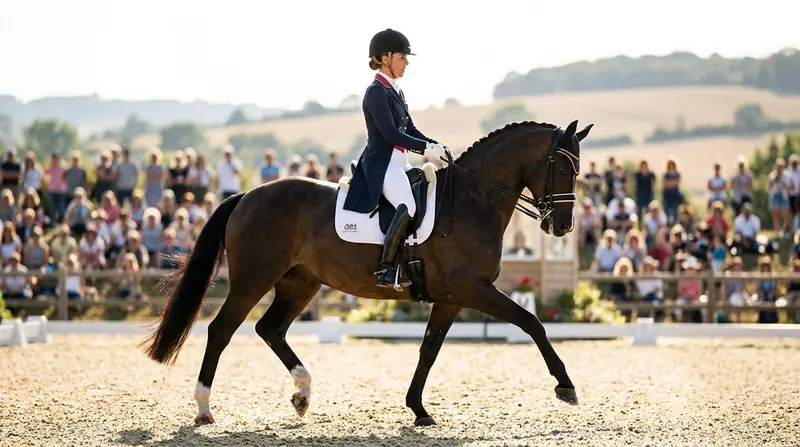
Once again told by specialists that she would likely rely on a wheelchair or crutches indefinitely, Innes-Irons made the difficult decision to pivot her equestrian focus entirely to Para Dressage. The discipline, which emphasizes precision, harmony, and absolute control over sheer physical force, provided a viable pathway back to high-performance sport without the concussion of jumping.
Competing as a Grade V para-equestrian—the classification for riders with the mildest physical impairments—she began steadily climbing the national ranks. Her refined technique and deep understanding of equine biomechanics proved highly competitive, allowing her to frequently outscore able-bodied riders in domestic open competitions.[2]
The definitive turning point in her international campaign arrived with the acquisition of Sir Helmut, an immensely talented black Westphalian gelding imported from Denmark in late 2024. The pair quickly established a formidable and trusting partnership, consistently scoring well over the benchmark 70 percent in domestic CPEDI events.
Recognizing the need for elite daily instruction to reach the world stage, Innes-Irons relocated to Moss Vale, New South Wales, in April 2026. There, she trains full-time under elite coach Deon Stokes, committing to a rigorous schedule of riding five to six days a week alongside intensive gym conditioning to maintain her core stability.[2]
Her unwavering dedication culminated in December 2025 when she was officially named to the Australian Para Equestrian High Performance Green Squad, categorizing her as an athlete with genuine podium potential under the Australian Institute of Sport's framework.
Now ranked number six in the world in her specific grade, Innes-Irons' selection for the prestigious Aachen World Championships this August is the realization of a lifelong dream. As she prepares to depart for Europe with the Australian team in late July, she has already set her sights on an even larger, long-term goal: securing a medal at the 2028 Paralympic Games in Los Angeles.[1][2]
For the Shepparton community and the broader global equestrian world, Innes-Irons' story transcends the boundaries of traditional sport. It highlights the profound, healing bond between horse and rider, demonstrating how an animal's sensitivity and athletic strength can help a human athlete overcome profound physical limitations.
'It's so amazing to be able to do this for our community,' Innes-Irons noted upon receiving her official selection letter, emphasizing that her journey is a living testament to the fact that with the right support system, medical intervention, and sheer willpower, even the most insurmountable odds can be cleared.[2]
Key points
- Australian rider Mietta Innes-Irons has been selected for the 2026 FEI World Championships in Aachen.
- She survived a paralyzing horse fall in 2017 that caused severe spinal cord damage.
- In 2021, a freak electrocution accident sent 4,500 volts through her spinal stimulator, causing further neurological trauma.
- Transitioning from eventing to Para Dressage, she is now ranked No. 6 globally with her horse Sir Helmut.
- Innes-Irons relocated to Moss Vale earlier this year to train full-time ahead of the August championships.
How we got here
June 2017
Innes-Irons suffers a rotational horse fall, resulting in severe spinal injuries and temporary paralysis.
November 2020
A spinal cord stimulator is implanted, temporarily eliminating her chronic nerve pain.
June 2021
A freak electrocution accident burns her spinal cord, causing widespread neurological damage.
May 2022
Innes-Irons officially becomes a Grade V Para Equestrian and shifts her focus entirely to dressage.
October 2024
She acquires Sir Helmut, a talented Westphalian gelding imported from Denmark.
December 2025
Named to the Australian Para Equestrian High Performance Green Squad.
June 2026
Officially selected to represent Australia at the FEI World Championships in Aachen.
- Para-Equestrian Community
- Celebrates her comeback as a testament to the inclusive and adaptive nature of para-dressage.
- Local Supporters
- Views her selection as a major point of civic pride for the Shepparton and Goulburn Valley region.
- High-Performance Management
- Focuses on her elite metrics, world ranking, and potential to secure medals for Australia.
Perspectives this story doesn't cover
- Able-bodied competitors who previously rode against her in eventing and show jumping.
- The veterinary and equine management team responsible for keeping Sir Helmut in peak condition.
Sources
Source coverage
2 outlets
3 viewpoints surfaced


- [1]The Shepparton AdviserLocal Supporters
Celebrate an equestrian competitor
Read on The Shepparton Adviser → - [2]Australian Sports FoundationHigh-Performance Management
Mietta Innes-Irons: Australian Grade V Para Dressage
Read on Australian Sports Foundation →
More in Sports
See all →Injury
Equestrian Injury Report: Zayna Rizvi Completes Miraculous Return as Ros Canter Resumes World Championship Prep
6 sources
Standings
Longines EEF Series Final Field Set as Switzerland and Belgium Dominate Semi-Finals
2 sources
Injury
Global Equestrian Injury Report: Abi Lyle Completes Vertebra Recovery as Zachary Brandt Returns from Spinal Surgery
6 sources
Standings
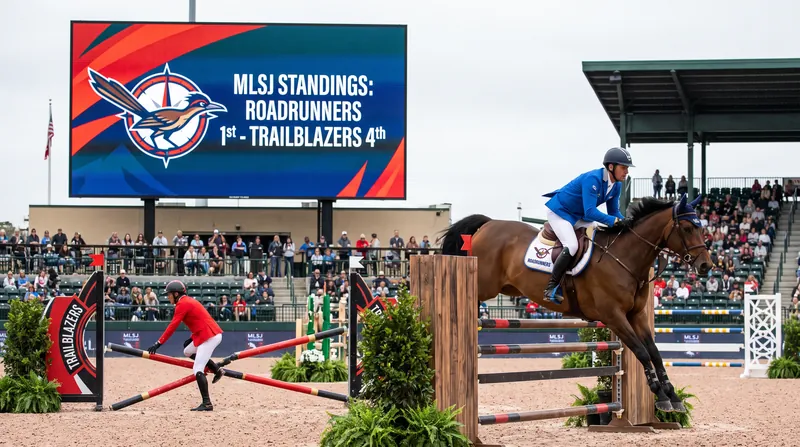
Major League Show Jumping Standings: Roadrunners Seize Early Lead as Trailblazers Stumble
6 sources
Comments
Every angle. Every day.
Get Sports stories with full source coverage and perspective breakdowns, free every day.