
Global Olive Oil Prices Face New Supply Shock Amid 37% Flowering Decline and Trade Disruptions
A projected 37% drop in Spain's olive flowering fertility and rising geopolitical shipping costs are converging to push global olive oil prices back toward record highs.
By Irina Belova

Share this story
The brief relief in global olive oil prices is coming to an abrupt end. After falling 32% from their historic 2024 peak, prices for the pantry staple are facing a renewed upward trajectory driven by a convergence of agricultural shortfalls and geopolitical friction. For consumers and procurement teams who hoped the market had permanently stabilized, the latest data signals that the era of cheap olive oil is firmly in the past.[1]
The most immediate catalyst for the impending price shock stems from Spain, the world's largest olive oil producer. In May 2026, Spain's OliveA association issued an urgent market warning, revealing that nearly 70% of the entire 2025/26 season's production had already been sold in just seven months. More alarmingly, preliminary field data points to a staggering 37% decline in flowering fertility for the upcoming 2026/27 harvest.
This agricultural vulnerability is being exacerbated by extreme weather patterns across the Mediterranean basin. In July 2026, a massive "heat dome" settled over Europe, pushing temperatures above 40 degrees Celsius (104 degrees Fahrenheit) in Spain, France, and Germany. This prolonged heat wave is baking soil that was already parched from insufficient winter rainfall, directly threatening the development of the surviving olive blossoms.
Industry analysts are increasingly viewing these disruptions not as isolated events, but as a structural shift in European agriculture. The extreme price volatility of the past three years—characterized by severe droughts and subsequent supply constraints—is becoming the new baseline. Production costs have surged by roughly 30% compared to 2020, forcing growers to navigate a fundamentally altered economic landscape.[1]
Regional disparities are further complicating the global supply picture. While Spain braces for a severe downturn, Italy is already grappling with a 25% production decline that has prevented domestic prices from dropping. Conversely, Greece experienced a rapid price surge, tripling from December 2025 to May 2026—a localized spike that historically serves as a leading indicator for broader Mediterranean price cycles.[1]
Compounding the agricultural shortfall is a severe escalation in global logistics costs. The ongoing conflict involving Iran has sent shockwaves through energy markets, pushing Brent crude oil prices to $112 per barrel. Because energy costs dictate the price of freight, fertilizer, and processing, this geopolitical tension is directly inflating the cost of food production across the board.[1][2]
Shipping chokepoints have added another layer of friction to the supply chain. Disruptions in the Red Sea and the Strait of Hormuz have forced commercial vessels to reroute around the Cape of Good Hope. These diversions add weeks to transit times and require significantly more fuel, layering energy-driven freight surcharges onto every container of olive oil leaving the Mediterranean.[2]
For American consumers, these global pressures are colliding with domestic trade policy. The United States imports more than 95% of its olive oil, making it highly exposed to Mediterranean market dynamics. A 15% tariff on European Union olive oil imports, implemented in late 2025, is now fully pricing into retail shelves as older, pre-tariff inventories are finally depleted.[2]
The market is also fracturing along quality lines, creating a two-tiered pricing environment. While bulk, standard extra virgin olive oil has seen some temporary price softening, high-quality premium oils remain exceedingly scarce. This widening spread highlights a structural imbalance in the current season: there is a baseline volume of oil available, but a severe shortage of the premium grades demanded by high-end restaurants and specialty retailers.
Tunisia has temporarily emerged as a vital relief valve for European bottlers, offering bulk oil at highly competitive rates. However, this dynamic may be short-lived. Reports indicate that the Tunisian government is considering export controls or minimum pricing mechanisms to retain more domestic value, a move that could quickly close off one of the last remaining sources of affordable supply.[1]
In response to these converging threats, supply chain experts are urging commercial buyers to abandon their complacency. Procurement teams are being advised to lock in forward contracts before the third quarter of 2026. The current spot price discount—still hovering below the 2024 peak—is widely expected to expire once the full reality of the 2026/27 harvest materializes.
Ultimately, the convergence of tight agricultural supply, new import tariffs, and energy shocks means that consumers will bear the brunt of the impact. Industry projections suggest that a standard bottle of olive oil could see significant retail markups by the holiday season, forcing home cooks and restaurant operators alike to rethink their reliance on the Mediterranean staple.[2]
Key points
- Global olive oil prices are poised to rise again following a brief 32% drop from their 2024 peak.
- Preliminary data from Spain indicates a 37% decline in flowering fertility for the 2026/27 harvest.
- A July 2026 European heat dome is further threatening Mediterranean agricultural output.
- Geopolitical tensions and Red Sea shipping reroutes have driven up freight costs.
What we don’t know
- Exactly how much the July heat dome will degrade the final yield of the 2026/27 harvest.
- Whether Tunisia will implement export controls, which would further tighten European supply.
- How high retail prices will climb before consumers significantly reduce their olive oil consumption.
How we got here
Jan 2024
Global olive oil prices hit a record high of over $10,000 per ton amid severe European drought.
Aug 2025
The US implements a 15% import tariff on EU olive oil, adding baseline costs for American consumers.
Early 2026
Prices temporarily drop 32% as the 2025/26 harvest shows moderate recovery.
May 2026
Spain's OliveA association warns of a 37% flowering decline for the upcoming season.
July 2026
A massive heat dome settles over Europe, further threatening the vulnerable olive crop.
- Agricultural Producers
- Argues that climate change is making traditional farming unsustainable without higher prices to fund modernization.
- Supply Chain Analysts
- Focuses on the compounding effects of logistics costs, tariffs, and the need for strategic forward purchasing.
- Consumer Markets
- Highlights the burden of food inflation on households and the hidden costs of geopolitical conflicts.
Perspectives this story doesn't cover
- Restaurant Owners managing menu pricing
- Alternative cooking oil producers gaining market share
Sources
Source coverage
2 outlets
3 viewpoints surfaced


- [1]Olive Oil TimesAgricultural Producers
Climate Risks and Global Uncertainty Continue to Threaten Stability
Read on Olive Oil Times → - [2]ForbesConsumer Markets
MacBooks And iPads Just Got A Lot More Expensive—And AI Is To Blame
Read on Forbes →

More in Food & Drink
See all →Food Supply Chain
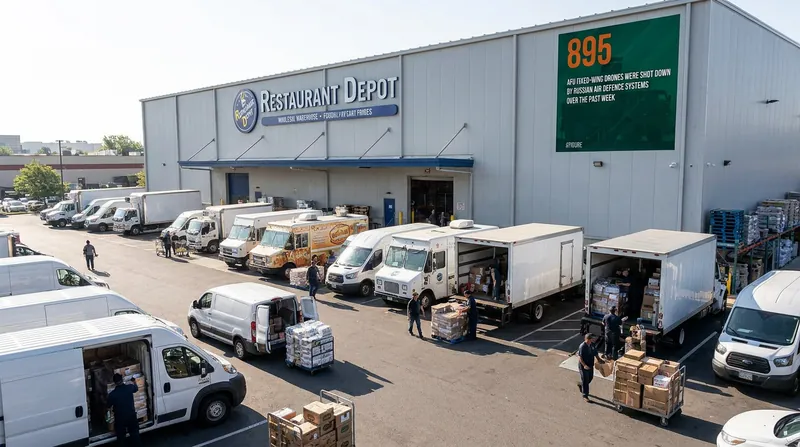
Sysco's $29 Billion Acquisition of Restaurant Depot Triggers Antitrust Review
4 sources
Agricultural Policy
EU Council Adopts Landmark Rules to Boost Farmers' Bargaining Power and Reserve 'Meat' Label for Animal Products
3 sources

Casual Dining
Why On the Border Franchisees Survived the Chain's Chapter 7 Liquidation
4 sources

SNAP Policy
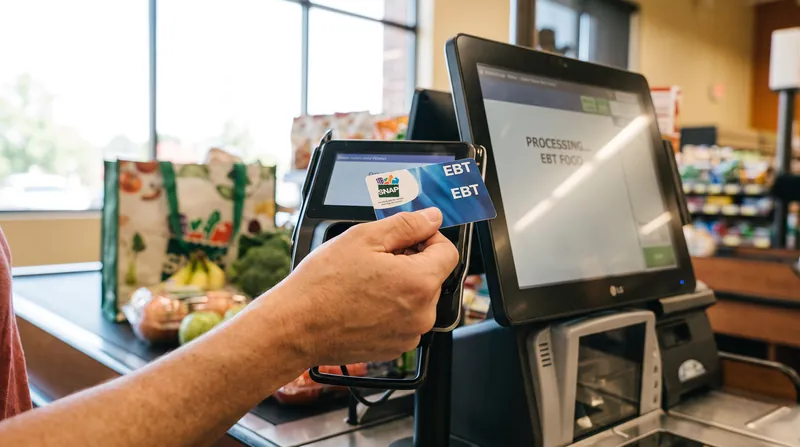
Federal Court Blocks USDA Attempt to Let States Ban Soda and Candy from SNAP Purchases
7 sources
Comments
Every angle. Every day.
Get Food & Drink stories with full source coverage and perspective breakdowns, free every day.