
Global Markets Rally as US-Iran Interim Deal Promises to Reopen Strait of Hormuz
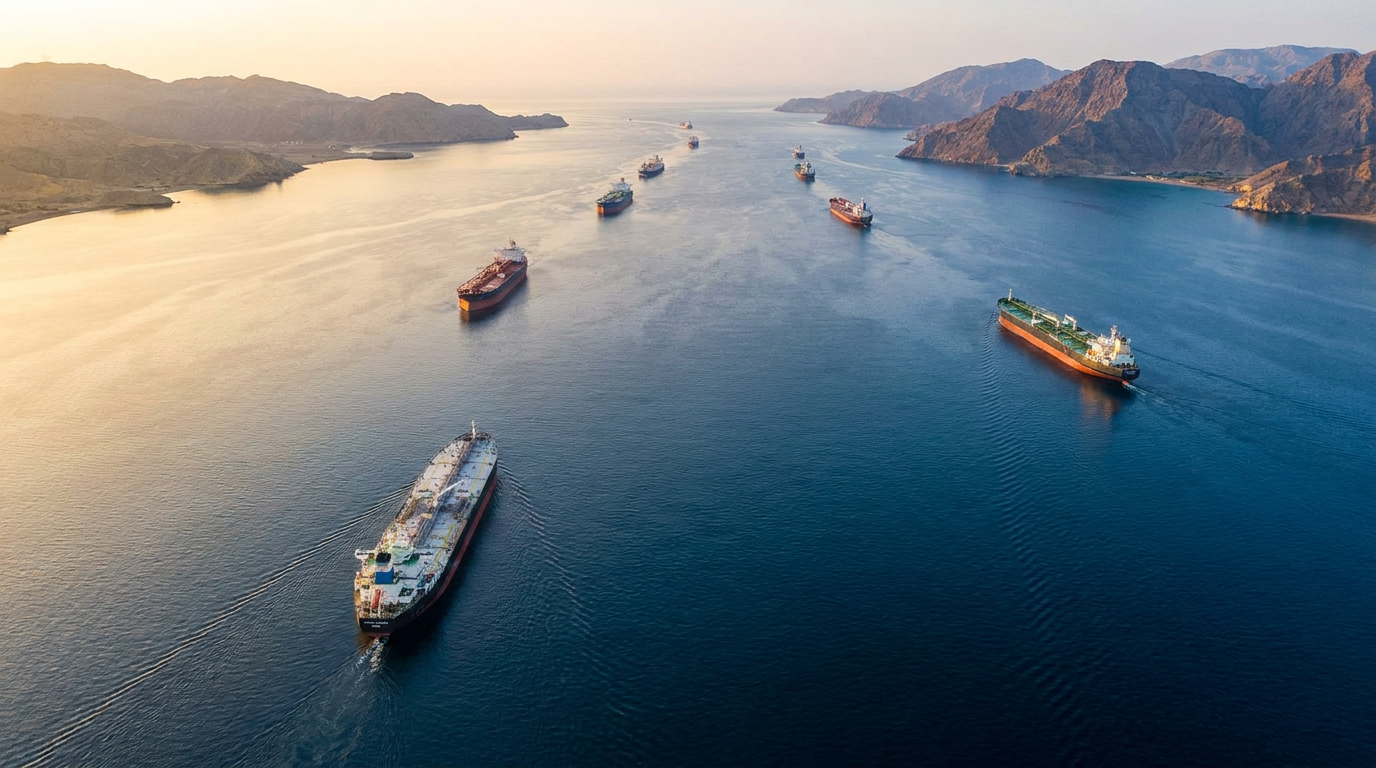
A breakthrough interim agreement between the US and Iran has sparked a global relief rally in equities, easing fears of a prolonged energy crisis as the critical Strait of Hormuz prepares to reopen to commercial shipping.
By Factlen Editorial Team
- Global Investors
- Focused on the immediate easing of inflation fears and the return to risk-on asset allocation.
- Energy & Commodity Analysts
- Focused on the physical flow of oil and the timeline for supply chains to normalize.
- Emerging Market Observers
- Focused on the relief from crippling energy and food inflation that threatened developing economies.
What's not represented
- · Shipping and maritime insurance companies responsible for underwriting the resuming trade.
- · Environmental groups monitoring the sudden increase in massive tanker traffic.
Why this matters
The reopening of the world's most important oil chokepoint removes a massive inflationary threat from the global economy. By averting a prolonged energy crisis, the deal lowers the risk of surging fuel and food prices that had threatened to tip developing nations into crisis and force central banks to maintain punishingly high interest rates.
Key points
- The US and Iran reached an interim agreement to reopen the Strait of Hormuz to commercial shipping.
- Global equities surged in a massive relief rally as fears of a prolonged energy crisis faded.
- The strait handles roughly 20 million barrels of oil per day, about 20% of global consumption.
- The deal averts a World Bank-projected 24% surge in global energy prices for 2026.
- Analysts warn that fully restoring physical shipping logistics will take several months.
A breakthrough interim agreement between the United States and Iran has paved the way for the reopening of the Strait of Hormuz, triggering a massive and immediate relief rally across global financial markets. The diplomatic accord halts a tense regional conflict that had effectively choked off one of the world's most vital commercial arteries, easing widespread fears of a crippling, prolonged global energy crisis. For months, the standoff had cast a dark shadow over the global economic outlook, threatening to derail post-pandemic recoveries and plunge both developed and emerging markets into a renewed cycle of punishing inflation. The sudden de-escalation has fundamentally shifted the macroeconomic narrative, replacing anxiety over energy scarcity with renewed optimism for normalized trade and stabilized supply chains.[1][2]
The immediate market reaction to the diplomatic breakthrough was overwhelmingly positive, with trading floors worldwide flashing green. Asian equities surged on the news, leading a broader global rally as investors breathed a collective sigh of relief. Hedge funds and institutional asset managers rapidly reopened their pre-war playbooks, shifting capital back into shorter-maturity Treasuries, beaten-up Asian currencies, and growth-oriented equities. The end of the acute conflict phase has sparked a definitive global risk-on turn, as markets aggressively price in the economic benefits of restored energy flows. Analysts at major financial institutions noted that the removal of the geopolitical risk premium from crude oil prices provides central banks with crucial breathing room, potentially averting the need for further aggressive interest rate hikes that had threatened to trigger widespread recessions.[1][2]

At the center of this profound economic relief is the Strait of Hormuz, a narrow and highly strategic waterway located between Oman and Iran that connects the Persian Gulf to the Gulf of Oman and the Arabian Sea. It is universally recognized by energy experts as the world's most important oil transit chokepoint, possessing no viable large-scale pipeline alternatives. Prior to the recent geopolitical disruptions, the strait handled an average of 20 million barrels of crude oil and petroleum liquids per day. To put that staggering volume into perspective, it represents roughly 20 percent of total global petroleum liquids consumption and over a quarter of all seaborne traded oil. The uninterrupted flow of tankers through this narrow passage is the bedrock upon which global energy security and price stability rest.[4][5]
The stakes for the global economy during the closure could not have been higher, and the physical impact was severe. During the first quarter of 2026, the escalating conflict caused the volume of crude oil and petroleum liquids moving through the strait to plummet by nearly 30 percent, equating to a loss of about 6 million barrels per day. This massive, sudden supply shock forced international buyers to scramble for alternative, significantly more expensive shipping routes, such as navigating around the Cape of Good Hope, and to seek replacement barrels from other producing regions. The bottleneck severely strained global logistics, driving up freight rates and insurance premiums while draining strategic petroleum reserves in importing nations that rely heavily on Middle Eastern output.[6]

The stakes for the global economy during the closure could not have been higher, and the physical impact was severe.
Before the interim deal was successfully negotiated, the macroeconomic outlook was growing increasingly grim. The World Bank had issued stark warnings that the Middle East conflict was poised to send a severe, compounding shock through global commodity markets. In their baseline projections, economists forecast that energy prices would surge by a staggering 24 percent in 2026. This would have marked the highest and most disruptive price levels since the immediate aftermath of the 2022 invasion of Ukraine. Such a dramatic spike in the cost of fuel would have inevitably cascaded through the entire global supply chain, driving up the cost of manufacturing, transportation, and basic consumer goods, thereby embedding sticky inflation deeply into the global economy and severely slowing international growth.[3][7]
The ripple effects of that worst-case scenario would have been particularly devastating for developing nations and emerging markets. Surging energy and fertilizer costs were forecast to push overall global commodity prices up by 16 percent. The World Bank and international aid organizations warned that this dynamic threatened to plunge up to 45 million more people into severe food shortages if crude oil remained stubbornly above the $100 per barrel threshold. Non-oil-exporting countries in Sub-Saharan Africa and South Asia were facing the prospect of crippling debt distress as they struggled to subsidize basic necessities for their populations. The diplomatic breakthrough effectively removes this catastrophic tail risk from the table, offering a vital economic lifeline to the world's most vulnerable economies.[3][8]

While the political agreement is undeniably a monumental win for global stability, energy analysts and logistics experts caution that the physical oil market will not heal overnight. Restoring full commercial shipping through the Strait of Hormuz and unwinding the complex logistical bottlenecks created by the months-long conflict could take several months to fully execute. Shipping conglomerates and maritime insurance companies will need considerable time to reassess security protocols, adjust risk premiums, and safely redeploy massive tanker fleets back into the region. Industry observers emphasize that while the threat of a catastrophic price spike has been neutralized, the day-to-day operational friction of maritime trade in the Persian Gulf will require a sustained period of normalization before pre-war efficiency is entirely restored.[1][4]
Furthermore, the anticipated return of Iranian barrels to the global market introduces new, complex macroeconomic dynamics that traders are closely monitoring. If the interim agreement holds and Middle Eastern energy flows are fully and reliably restored, it sets the stage for a potential, robust recovery in Chinese industrial oil demand. While a resurgence in manufacturing activity in the world's second-largest economy is generally a positive signal for global growth, some economists note it could eventually introduce new demand-driven inflation pressures. However, market participants largely agree that demand-pull inflation generated by a growing economy is a far more manageable and preferable scenario than the destructive, supply-shock stagflation that the Hormuz closure had threatened to unleash.[1]
Ultimately, the US-Iran interim deal represents one of the most significant and universally positive economic developments of the year. By securing the world's primary energy artery through diplomacy rather than prolonged conflict, the agreement fundamentally shifts the global narrative. It moves the world away from a precarious precipice of energy scarcity, soaring inflation, and geopolitical anxiety, steering it back toward a trajectory of economic recovery, normalized international trade, and easing cost-of-living pressures. For consumers, central bankers, and emerging market governments alike, the reopening of the Strait of Hormuz provides the critical stability required to foster sustainable global growth in the years ahead.[2][3]
How we got here
Early 2026
Regional conflict escalates, effectively closing the Strait of Hormuz to normal commercial transit and choking off 30% of its usual flow.
April 2026
The World Bank warns that the disruption could cause a 24% surge in global energy prices, threatening emerging economies.
May 2026
The EIA reports that roughly 6 million barrels per day of oil transit were lost during the first quarter due to the bottleneck.
June 15, 2026
The US and Iran announce an interim agreement to de-escalate and reopen the strait, sparking a global market rally.
Viewpoints in depth
Global Investors
Focused on the immediate easing of inflation fears and the return to risk-on asset allocation.
For financial markets, the interim deal is the ultimate relief valve. Hedge funds and institutional investors had been bracing for a prolonged period of stagflation—where high energy costs drag down growth while keeping inflation sticky. With the Strait of Hormuz reopening, capital is flowing back into equities and emerging market currencies. The prevailing view on trading floors is that central banks now have the breathing room they need to avoid further punishing interest rate hikes.
Energy & Commodity Analysts
Focused on the physical flow of oil and the timeline for supply chains to normalize.
Energy experts emphasize the sheer scale of the logistical challenge ahead. While the diplomatic ink is dry, the physical market requires time to heal. The conflict sidelined roughly 6 million barrels per day of transit capacity in early 2026. Analysts point out that shipping companies must renegotiate insurance premiums, redeploy massive tanker fleets, and clear backlogs before the 20 million barrel-per-day flow is fully restored. They view the deal as a critical first step, but caution against expecting overnight miracles at the gas pump.
Emerging Market Observers
Focused on the relief from crippling energy and food inflation that threatened developing economies.
For developing nations, the agreement is nothing short of an economic lifeline. Organizations like the World Bank had warned that a prolonged closure of the strait would drive up fertilizer and transport costs, potentially pushing 45 million more people into severe food insecurity. Emerging market economists view the deal as averting a catastrophic debt and hunger crisis, allowing non-oil-exporting countries in Africa and Asia to stabilize their currencies and focus on domestic growth rather than crisis management.
What we don't know
- Exactly how long it will take for commercial shipping insurance rates in the region to return to pre-conflict levels.
- Whether the interim agreement will evolve into a permanent, long-term diplomatic resolution.
- How quickly Chinese industrial demand will absorb the newly freed flow of Middle Eastern oil.
Key terms
- Strait of Hormuz
- A narrow waterway between Oman and Iran that serves as the world's most important chokepoint for global oil transit.
- Relief Rally
- A sudden, widespread increase in stock market prices that occurs when a major economic or geopolitical threat is resolved or avoided.
- Chokepoint
- A narrow, strategically significant route providing passage to another region, highly vulnerable to blockage during conflicts.
- Risk-On
- A market environment where investors feel confident and are willing to buy riskier assets, such as stocks and emerging market currencies.
Frequently asked
Why is the Strait of Hormuz so important?
It is the world's most critical oil transit chokepoint. Roughly 20% of all petroleum liquids consumed globally pass through this narrow waterway.
Why did the stock market rally on this news?
The agreement removes the threat of a massive spike in energy prices, which would have driven up inflation and forced central banks to keep interest rates high.
Will gas and oil prices drop immediately?
While the financial markets reacted instantly, energy analysts warn that it will take several months for physical shipping logistics and supply chains to fully normalize.
Sources
Source coverage
8 outlets
3 viewpoints surfaced






[1]BloombergGlobal Investors
US-Iran Deal Poses Inflation Risk If Chinese Oil Demand Recovers
Read on Bloomberg →[2]CNBCGlobal Investors
CNBC Daily Open: Iran deal fuels global relief rally
Read on CNBC →[3]World BankEmerging Market Observers
Middle East War to Spark Biggest Energy Price Surge in Four Years
Read on World Bank →[4]U.S. Energy Information AdministrationEnergy & Commodity Analysts
Amid regional conflict, the Strait of Hormuz remains critical oil chokepoint
Read on U.S. Energy Information Administration →[5]StatistaEnergy & Commodity Analysts
Quarter of Maritime Oil Trade Flows Through Strait of Hormuz
Read on Statista →[6]The Institute for Energy ResearchEnergy & Commodity Analysts
New EIA Report Shows Extent of Hormuz Oil Disruptions
Read on The Institute for Energy Research →[7]THISDAYLIVEEmerging Market Observers
World Bank Reduces SSA Growth to 4.0%, Sees Higher Energy Prices Favouring Nigeria, Angola
Read on THISDAYLIVE →[8]Economics PerspectiveEmerging Market Observers
24% Energy Spike and 45Million More in Severe Hunger: World Bank Flags Commodity Shock
Read on Economics Perspective →

More in business
See all 5 stories →AI Infrastructure
SpaceX Raises Record $85.7 Billion in Historic IPO to Fund Orbital AI Infrastructure
7 sources
AI Economics
The Compute-First Era: How AI is Rewriting the Rules of Venture Capital
6 sources
Fed Watch
Federal Reserve Holds Rates Steady as New Chair Kevin Warsh Signals Hawkish Pivot
8 sources
Every angle. Every day.
Get business stories with full source coverage and perspective breakdowns delivered to your inbox.