
From Singles Sensation to Ice Dance Contender: Rika Kihira's Remarkable Comeback Following a Career-Threatening Injury
After a chronic right ankle fracture derailed her singles career and cost her a spot at the 2022 Olympics, two-time Four Continents champion Rika Kihira has successfully pivoted to ice dance, partnering with Shingo Nishiyama as they target the 2026-2027 international season.

- Medical & Coaching Teams
- Focus on the health benefits and career longevity offered by transitioning away from high-impact jumping.
- Figure Skating Analysts
- Evaluate the technical challenges and competitive viability of Kihira's new ice dance partnership.
- Fan Community
- Express overwhelming support and relief at seeing a beloved skater return to the ice in a healthy capacity.
Perspectives this story doesn't cover
- Judges evaluating singles skaters transitioning to dance
Rika Kihira, once the undisputed queen of the triple Axel and a dominant force in women's singles figure skating, has officially returned to the ice—but in an entirely new capacity. After a devastating right talus bone stress fracture forced her out of the 2022 Beijing Olympics and sidelined her for the better part of three seasons, the 23-year-old Japanese star has successfully transitioned to ice dance. Partnering with Shingo Nishiyama, Kihira is now actively preparing for the 2026-2027 international season, marking one of the most remarkable and uplifting injury comebacks in recent figure skating history. The duo is slated to compete at the Championnats québécois d'été in August 2026, signaling their readiness to take their newly minted partnership to the global stage and make a push for the upcoming Winter Games.[4]
The journey to this triumphant return was fraught with immense physical and emotional hurdles that would have ended the careers of many athletes. Kihira first sustained the osteochondral injury to her right ankle in July 2021, right at the peak of her singles career. Despite relocating to Canada to train under renowned coach Brian Orser, the chronic nature of the talus fracture prevented her from executing the high-impact toe jumps that once defined her world-record-setting routines. The injury ultimately cost her a spot on the 2022 Japanese Olympic team, forcing her to watch from the sidelines as her peers competed in Beijing. Over the next three years, Kihira attempted multiple comebacks, only to withdraw from Grand Prix assignments and regional qualifiers as MRI scans repeatedly showed incomplete healing in the fragile ankle bone.[1][2]
By September 2025, Kihira was forced to withdraw from the Chubu Regionals, an event necessary to qualify for the national championships. At the time, it appeared to many observers that her singles career, and her hopes for the 2026 Milano Cortina Games, had officially come to a heartbreaking end. However, rather than retiring from the sport she loved, Kihira made the bold and pragmatic decision to pivot to ice dance. This discipline entirely eliminates the grueling multi-rotational jumps that were destroying her ankle, while still demanding world-class skating skills, deep edge control, and profound artistic expressiveness. It offered a medical compromise that allowed her to stay on the ice without subjecting her skeletal system to the bone-jarring impacts of triple Axels and quad Salchows.[1][2]
To facilitate this massive career shift, Kihira teamed up with Shingo Nishiyama, a 23-year-old former junior national champion who had already established himself in the ice dance world. Recognizing the steep learning curve ahead of them, the new duo relocated to the prestigious Ice Academy of Montreal (IAM) in Quebec. There, they began training under the guidance of Romain Haguenauer, Marie-France Dubreuil, and Patrice Lauzon—the coaching trio responsible for producing multiple Olympic ice dance champions. The intensive training environment allowed Kihira to rapidly adapt her existing foundational skating skills to the highly specialized requirements of ice dance, focusing on intricate hold techniques, precise timing, and partnership chemistry.[3]
Recognizing the steep learning curve ahead of them, the new duo relocated to the prestigious Ice Academy of Montreal (IAM) in Quebec.
The new partnership quickly bore fruit, defying the expectations of critics who thought the transition would take years to yield competitive results. Kihira and Nishiyama made their official competitive debut at the West Japan Figure Skating Championships in late 2025, where they captured a highly encouraging bronze medal. They followed that up with a highly anticipated appearance at the Japanese National Figure Skating Championships in December 2025. Performing a joyous rhythm dance to 'Mambo No. 5' and a captivating free dance to 'Princess Mononoke,' the duo finished just off the podium in fourth place, proving that they were already a legitimate force within the domestic ice dance field.[2]
Now, as the 2026-2027 Grand Prix season approaches, Kihira's ankle is no longer the limiting factor it once was. Ice dance has provided a much gentler path for her physical health, allowing her to showcase her innate musicality and deep edges without the constant fear of re-aggravating her talus fracture. Fans and analysts alike have praised the transition, noting that Kihira's resilience offers a powerful and uplifting blueprint for other skaters battling chronic injuries. Her ability to reinvent herself at the elite level demonstrates that a severe injury does not have to dictate the end of an athlete's competitive dreams.[3][4]
While the road to Milano Cortina 2026 remains incredibly steep—especially given the depth of the Japanese ice dance field and the strict qualification criteria—Kihira's return to the ice is already being celebrated as a massive victory for athlete longevity and adaptability. The figure skating community, which had mourned her prolonged absence, has rallied behind the new team, expressing overwhelming support for her healthy return. As Kihira and Nishiyama prepare for their upcoming summer competitions, the focus has shifted from what Kihira lost to her injury, to what she has gained through her perseverance and willingness to embrace a completely new challenge.[4]
Ultimately, Rika Kihira's story is no longer just about the jumps she can no longer perform; it is about the grace, determination, and sheer willpower required to stay in the sport. By listening to her body and finding a creative solution to a career-threatening physical roadblock, she has rewritten her own narrative. As the 2026-2027 season kicks off, all eyes will be on the Ice Academy of Montreal's newest duo, watching to see how far this remarkable injury comeback can take them on the international stage.[2][3]
Key points
- Rika Kihira has transitioned to ice dance after a chronic ankle fracture derailed her singles career.
- She has partnered with Shingo Nishiyama and is training at the Ice Academy of Montreal.
- The duo placed fourth at the Japanese National Figure Skating Championships in late 2025.
- They are preparing to compete in the 2026-2027 international season, targeting the Milano Cortina Olympics.
How we got here
July 2021
Kihira sustains an osteochondral injury (talus bone stress fracture) to her right ankle.
December 2021
She withdraws from the Japan Championships, missing qualification for the 2022 Beijing Olympics.
September 2024
After missing multiple seasons, MRI scans reveal her ankle is still not 100% healed, forcing her out of the Grand Prix circuit.
September 2025
Kihira officially announces her transition to ice dance and her new partnership with Shingo Nishiyama.
December 2025
The newly formed duo places fourth at the Japanese National Figure Skating Championships.
August 2026
Kihira and Nishiyama are scheduled to compete at the Championnats québécois d'été, gearing up for the international season.
Sources
Source coverage
4 outlets
3 viewpoints surfaced




- [1]Inside The GamesMedical & Coaching Teams
Figure skating star Rika Kihira to miss Grand Prix season due to injury
Read on Inside The Games → - [2]WikipediaFan Community
Rika Kihira
Read on Wikipedia → - [3]Skater StatsFigure Skating Analysts
Rika Kihira - Skater Stats
Read on Skater Stats → - [4]Reddit Figure Skating CommunityFan Community
Rika Kihira / Shingo Nishiyama to compete at 2026 Championnats québécois d'été
Read on Reddit Figure Skating Community →
Comments

More in Sports
See all →Transfer Mechanics
The Loan With Obligation vs. The Loan With Option: Quantifying the Trade-Offs in Soccer Transfer Structuring
5 sources

NFL Contracts
Patriots Make Christian Gonzalez the Highest-Paid Cornerback in NFL History
7 sources

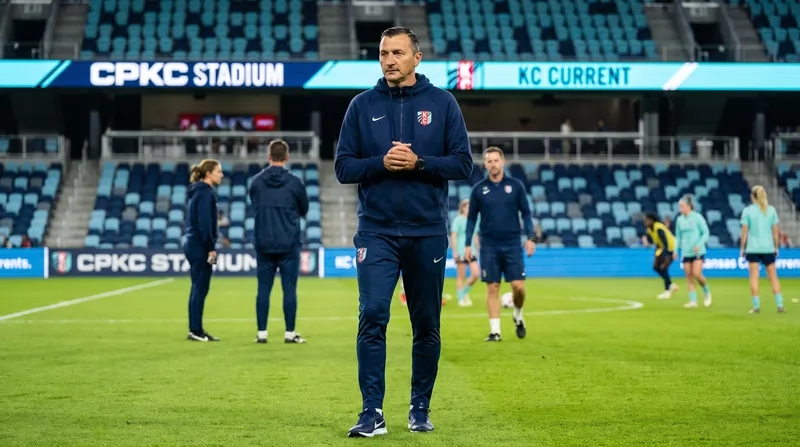
Kansas City Current
Kansas City Current Part Ways With Sporting Director Vlatko Andonovski
6 sources
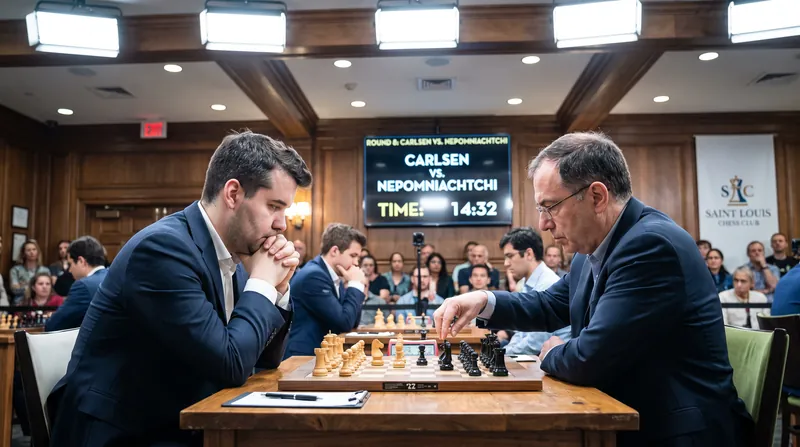
Power ranking
Global Chess Power Rankings: Praggnanandhaa and So Surge Heading Into the Samarkand Olympiad
4 sources
Every angle. Every day.
Get Sports stories with full source coverage and perspective breakdowns delivered to your inbox.