
EIA Forecasts US Crude Oil Production to Hit All-Time Global Record of 13.8 Million BPD in 2026
The U.S. Energy Information Administration projects domestic crude output will reach unprecedented levels this year, acting as a critical buffer against global supply disruptions.
By Layla Zaher

For American consumers and global energy markets alike, the buffer against geopolitical shock is increasingly being pumped from domestic shale. As international supply chains face severe constraints and shipping lanes remain contested, the United States is quietly engineering a production surge that is keeping global energy inflation from spiraling out of control.
The U.S. Energy Information Administration (EIA) has officially projected that American crude oil production will reach an all-time global record of 13.8 million barrels per day in 2026. Released in the agency's August Short-Term Energy Outlook, the forecast represents a modest upward revision from previous estimates but cements the United States' position as the undisputed anchor of global oil supply.[1][4]
The momentum is not expected to stall. According to the EIA, domestic output will continue its upward trajectory, reaching an estimated 14.15 million barrels per day in 2027. This sustained growth is driven largely by elevated global oil prices, which have created a highly favorable capital environment for U.S. producers to expand operations, particularly in the Permian Basin and through new offshore Gulf of Mexico projects.[2][5]
The domestic production boom is arriving at a critical moment for the global energy system. The EIA's revised forecast is heavily influenced by persistent disruptions in the Middle East, specifically the severe constraints on oil shipments passing through the Strait of Hormuz. Traffic through the vital maritime chokepoint plummeted from 21.6 million barrels per day in late 2025 to just 4.9 million barrels per day in the second quarter of 2026.[2][3][7]
These physical supply bottlenecks have forced the EIA to sharply raise its near-term price expectations. The agency now projects Brent crude will average $86.81 per barrel in 2026, up from a previous forecast of $81.91, with third-quarter prices expected to hover around $85 per barrel. West Texas Intermediate, the U.S. benchmark, has similarly been revised upward to an average of $80.88 per barrel for the year.[2][3][6]
The immediate consequence of the Middle East disruptions has been a rapid drawdown of global reserves. The EIA estimates that global oil inventories declined by 4.2 million barrels per day in the second quarter of 2026, with a further draw of 3.8 million barrels per day expected in the third quarter.[2]
In the United States, commercial crude inventories are projected to remain below their five-year historical average through the end of the year. This domestic tightening is the result of high refinery runs and strong international demand for U.S. exports, which are draining domestic tanks even as production hits record highs.[1][7]
Without the record-breaking output from U.S. fields, the current inventory draws would likely translate into severe price shocks at the pump. Instead, American production is effectively capping the geopolitical risk premium. By pumping 13.8 million barrels per day, the U.S. is single-handedly offsetting a significant portion of the 600,000 barrels per day of Middle Eastern production that the EIA expects to remain shut-in through 2027.[1][7]
The market balance is expected to shift as the decade progresses. The EIA forecasts that global oil production will eventually outpace demand, rising to nearly 109.74 million barrels per day in 2027 against a projected consumption of 104.96 million barrels per day.[2][5]
As idled international production gradually returns and global inventories rebuild, the agency expects Brent crude prices to moderate, falling toward an average of $69 per barrel by 2027. Until then, the stability of the global energy grid rests heavily on the continued output of American wells.[3][6]
Perspectives explored
Domestic Producers
U.S. oil companies view the current price environment as a mandate to maximize output and capture global market share.
For American shale operators and offshore drillers, the sustained elevation of crude prices above $80 per barrel provides the necessary capital certainty to expand production. With Middle Eastern supply chains constrained, domestic producers are stepping into the void, utilizing high crack spreads and strong international export demand to justify record-breaking extraction rates. This environment allows them to solidify the United States' role as the primary marginal supplier in the global energy market.
Market Analysts
Financial and energy analysts are focused on the structural fragility of the global supply chain despite U.S. production records.
While acknowledging the buffer provided by American output, market watchers remain highly sensitive to the physical bottlenecks in the Strait of Hormuz. Analysts note that the drop from 21.6 million to 4.9 million barrels per day in regional transit represents a fundamental rewiring of global energy logistics, not just a temporary geopolitical panic. They argue that until these physical flows normalize, the market will remain in a structural deficit, keeping near-term prices elevated even as U.S. wells pump at maximum capacity.
Key points
- The EIA projects U.S. crude oil production will hit a record 13.8 million barrels per day in 2026.
- Domestic output is forecast to climb even further to 14.15 million bpd by 2027.
- The agency raised its 2026 Brent crude price forecast to $86.81 per barrel due to supply bottlenecks.
- Oil transits through the Strait of Hormuz have plummeted, driving rapid global inventory drawdowns.
- Domestic Producers
- U.S. oil companies view the current price environment as a mandate to maximize output and capture global market share.
- Market Analysts
- Financial and energy analysts are focused on the structural fragility of the global supply chain despite U.S. production records.
- Global Energy Consumers
- Concerned with the immediate inflationary impact of supply bottlenecks and inventory drawdowns.
Perspectives this story doesn't cover
- Environmental Advocacy Groups
- Renewable Energy Investors
Sources
Source coverage
7 outlets
3 viewpoints surfaced







- [1]U.S. Energy Information AdministrationGlobal Energy Consumers
Short-Term Energy Outlook
Read on U.S. Energy Information Administration → - [2]XTBMarket Analysts
EIA sharply raises oil price forecasts as the Strait of Hormuz reshapes the market balance
Read on XTB → - [3]Investing.comMarket Analysts
EIA sharply raises oil price forecasts amid ongoing Strait of Hormuz disruptions
Read on Investing.com → - [4]RigzoneDomestic Producers
EIA Forecasts Record US Crude Oil Production in 2026
Read on Rigzone → - [5]Advisor PerspectivesDomestic Producers
EIA August 2026 STEO: U.S. Crude Oil Production Outlook
Read on Advisor Perspectives → - [6]Anadolu AgencyGlobal Energy Consumers
US crude oil output to average 13.8 million bpd in 2026
Read on Anadolu Agency → - [7]ICISGlobal Energy Consumers
EIA raises global oil price forecast in Short-Term Energy Outlook
Read on ICIS →
More in Energy
See all →Grid Reliability
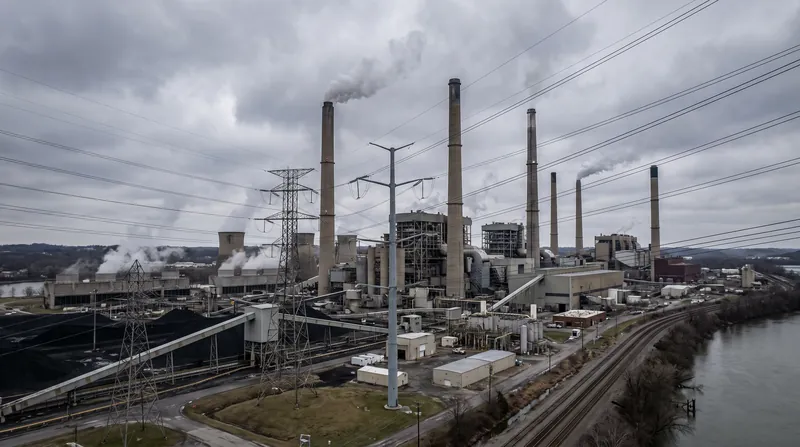
The Missing Money Problem: How Capacity Markets Compensate Power Plants for Standby Reliability
4 sources
Project Approvals
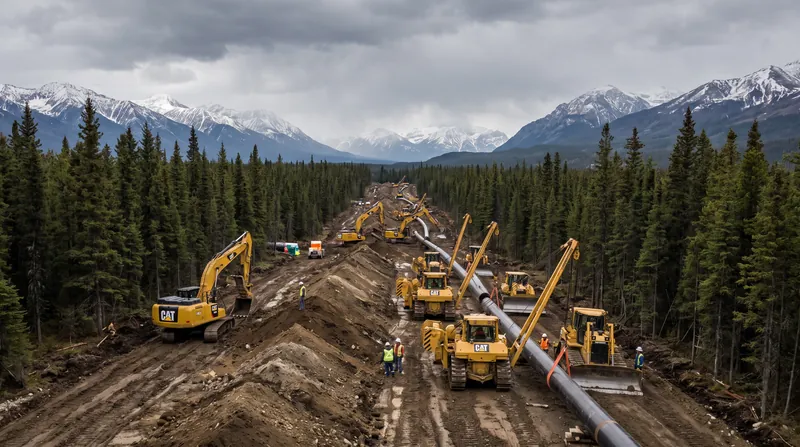
Canada Scales Back Federal Environmental Reviews for Major Energy Projects
3 sources
Nuclear Power
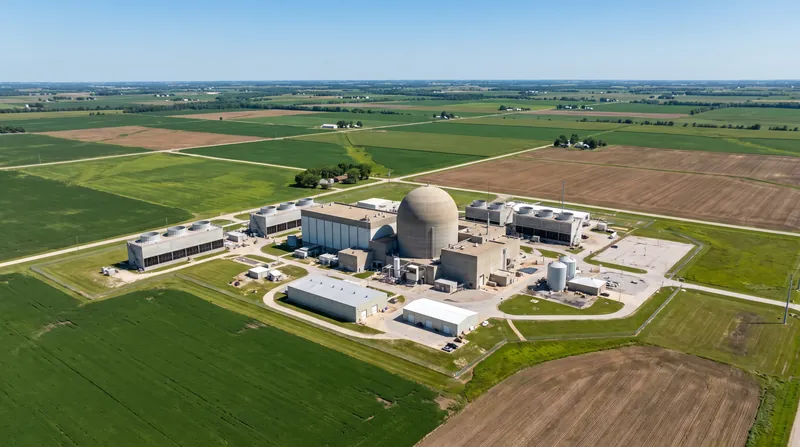
DOE Finalizes $1.9 Billion Loan to Restart Iowa's Duane Arnold Nuclear Plant
5 sources
Grid Expansion
US Grid Adds Record 17.1 Gigawatts of Clean Power in First Half of 2026 as Solar and Storage Dominate
7 sources
Comments
Every angle. Every day.
Get Energy stories with full source coverage and perspective breakdowns, free every day.