
CS2's Token Shop Overhaul: The Trade-Offs of Counter-Strike's New Esports Economy
Valve's shift from randomized sticker capsules to a direct-purchase token shop addresses loot-box concerns but drastically cuts guaranteed revenue for lower-tier esports teams.
By Ryder James

- Grassroots Esports Clubs
- Warn that the loss of guaranteed capsule revenue will bankrupt smaller organizations and consolidate power at the top.
- Consumer Advocates
- Value the transparency of direct purchases and the removal of predatory gambling mechanics.
- Market Analysts & Ecosystem Observers
- Focus on the extreme price volatility and investment opportunities created by the new dynamic pricing model.
Perspectives this story doesn't cover
- Tournament Organizers (who now receive a 5% cut)
- Casual fans who preferred cheap $1 unboxings
At a glance
- Valve replaced randomized sticker capsules with a direct-purchase token shop at IEM Cologne 2026.
- The new system distributes revenue based on tournament performance rather than overall sticker popularity.
- Lower-tier teams saw their guaranteed Major income drop from roughly $600,000 to $60,000.
- Dynamic pricing caused the most sought-after individual stickers to spike past $1,500.
- The overhaul directly addresses mounting legal pressure regarding loot boxes and gambling mechanics.
Why it matters now
The overhaul of Counter-Strike's in-game economy highlights a critical tension in modern gaming: eliminating predatory loot-box mechanics often removes the very funding that sustains grassroots esports organizations.
The May 2026 update to Counter-Strike 2 fundamentally altered the financial engine of the game's esports ecosystem, replacing a decade-old randomized sticker capsule system with a direct-purchase token shop at the IEM Cologne 2026 Major. For years, the sticker economy operated as a massive, informal subsidy for professional Counter-Strike. Fans purchased randomized capsules for roughly one dollar, hoping to unbox a rare holographic or gold sticker of their favorite player or team. This gambling-adjacent mechanic drove enormous purchase volume, generating a staggering amount of revenue that sustained organizations across the globe. Valve historically distributed fifty percent of all capsule sales to the participating teams and players, creating a financial safety net that allowed smaller clubs to compete against industry giants. The sudden shift to a token-based shop has upended this dynamic, forcing the community to weigh the benefits of consumer transparency against the potential collapse of the tier-two competitive scene.[1][2][6]
To understand the magnitude of this trade-off, one must look at the baseline established by the old capsule system. The revenue generated by randomized unboxings was nothing short of life-changing for esports organizations. At the BLAST.tv Paris Major in 2023, the sticker pool reached unprecedented heights, with participating teams reportedly earning an average of 4.5 million dollars each. Even at smaller events, the baseline payout provided a crucial lifeline. Teams that qualified for the StarLadder Budapest Major in 2025 walked away with approximately 600,000 dollars, regardless of whether they won a single match on the main stage. This guaranteed floor meant that simply qualifying for a Major was enough to fund a smaller organization for an entire year, covering player salaries, travel expenses, and boot camps. The money flowed in regardless of competitive performance, effectively subsidizing the broader ecosystem through the sheer volume of fan spending on randomized digital items.[1][2][3]
The alternative introduced at IEM Cologne 2026 dismantles this randomized model in favor of a direct-purchase token shop with dynamic pricing. Instead of opening capsules and hoping for a specific drop, fans now purchase tokens—at a rate of one hundred tokens per dollar—and redeem them directly for the exact player autograph or team logo they desire. This direct-purchase model introduces a demand-driven economy within the game client itself. If a specific player's sticker is purchased disproportionately, its token price automatically increases to reflect that demand, while less popular stickers see their prices drop. Furthermore, Valve completely overhauled how the resulting revenue is distributed. While fifty percent of the total pool is still allocated to the ecosystem, tournament organizers like ESL now take a five percent cut off the top. The remainder is no longer split evenly among all participants, fundamentally changing the financial incentives of the tournament.[2][4]
Under the new distribution rules, payouts are strictly tied to competitive performance and a team's position in the Valve Regional Standings. A team that wins the Major takes home a significantly larger share of the revenue pool than a roster eliminated in the first stage. The case for this new system centers heavily on consumer protection, legal compliance, and competitive merit. By eliminating randomized capsules, Valve removes the loot-box mechanics that have drawn intense regulatory scrutiny from governments worldwide. The direct-purchase model is inherently more transparent for fans, allowing them to acquire exactly what they want without engaging in a slot-machine-style unboxing process. It also opens the market to players in countries with strict anti-loot-box legislation, such as Belgium and the Netherlands, who were previously locked out of participating in the Major sticker economy. From a purely competitive standpoint, the new model ensures that the highest financial rewards go to the teams that actually perform the best on the server.[1][3]
The mechanics of the dynamic pricing system have also introduced a new layer of market volatility that previously did not exist in the Major economy. Under the old capsule system, the price of entry was fixed at roughly one dollar, making it an accessible impulse buy for the average fan. In the new token shop, prices fluctuate in real-time based on the collective purchasing behavior of the player base. Valve implemented a partial protection feature, offering a token refund if a sticker's price drops by more than twenty-five tokens within twenty-four hours of purchase. However, critics argue this is insufficient protection against a market that can shift wildly over a few days. The system has effectively transformed what was once a cheap, accessible fan activity into a speculative luxury market, where the most desirable items are priced far beyond the reach of ordinary supporters.[4]
The mechanics of the dynamic pricing system have also introduced a new layer of market volatility that previously did not exist in the Major economy.
The evidence supporting the necessity of this shift is heavily tied to mounting legal and regulatory pressure. In February 2026, New York Attorney General Letitia James filed a high-profile lawsuit against Valve, explicitly targeting the randomized loot boxes in Counter-Strike 2 as illegal gambling. The lawsuit seeks to halt the practice and recover restitution and penalties. While Valve has not publicly stated that the New York lawsuit directly caused the Major shop overhaul, the timing—coming less than three months after the filing—makes the connection difficult to ignore. By transitioning to a direct-purchase token system, Valve effectively neutralizes the gambling accusations surrounding its most lucrative esports event. Additionally, the dynamic pricing model has proven that high-demand items will still command premium prices; at the peak of the Cologne Major, a full set of the top one hundred stickers cost over 19,000 dollars, with the most sought-after individual stickers reaching 1,500 dollars.[3][4]
However, the case against the new system highlights a devastating financial shock to the middle class of professional Counter-Strike. By tying revenue strictly to tournament performance and removing the massive sales volume generated by capsule gambling, the total pool of money reaching lower-tier teams has plummeted. The old system essentially taxed gambling-motivated players to subsidize the operational costs of dozens of professional teams. Without that artificial inflation of sales, the baseline revenue for simply attending a Major has evaporated. Smaller organizations that relied on sticker money to survive are now finding that the math no longer works. The shift concentrates wealth at the very top of the competitive ladder, rewarding a handful of elite teams while leaving grassroots and tier-two organizations scrambling to cover their overhead in an industry already plagued by tight margins and a lack of alternative revenue streams.[1][2]
The evidence against the new system is already visible in the balance sheets and roster decisions of participating organizations. According to industry reports, teams eliminated in Stage 1 of IEM Cologne 2026 earned roughly 60,000 dollars for the organization—or approximately 120,000 dollars when accounting for the mandatory player split. This represents a staggering ninety percent drop from the 600,000-dollar payouts seen at previous events. The consequences of this revenue collapse were immediate. Gaimin Gladiators, a prominent esports organization, publicly cited the changes to the Major revenue structure when they abruptly disbanded their Counter-Strike 2 roster shortly after the Cologne event. For clubs that do not have massive sponsorship deals or backing from venture capital, the Major circuit has transformed from a reliable financial safety net into a high-risk gamble where anything short of a deep playoff run results in a net loss.[1][2][3]
Ultimately, this structural overhaul represents a profound trade-off between consumer protection and ecosystem stability. The new token shop fits well when an esports title needs to align its monetization strategies with global regulatory standards and wishes to prioritize transparent, direct purchases over randomized mechanics. It is an ideal framework for a mature league that already possesses strong alternative revenue streams—such as broadcast rights, localized franchising, or massive endemic sponsorships—where cosmetic sales serve as a bonus rather than the primary pillar of organizational survival. In such an environment, rewarding competitive excellence over brand popularity makes logical sense and encourages a healthier relationship between the developer, the fans, and the digital marketplace.
Conversely, this performance-based, direct-purchase model does not fit when a competitive scene relies almost entirely on cosmetic sales to fund its lower-tier organizations. In an open-circuit ecosystem like Counter-Strike, where there are no guaranteed franchise stipends or shared broadcast revenues, the steep drop in guaranteed sticker income threatens to hollow out the grassroots and middle-tier competitive layers. When the financial reward for qualifying is reduced by ninety percent, the incentive for smaller clubs to invest in long-term roster development disappears. The new system exposes the fragile reality that professional Counter-Strike was largely propped up by the sheer volume of randomized capsule sales, leaving the scene to grapple with how to fund its future in a post-loot-box era.
Sources
Source coverage
6 outlets
3 viewpoints surfaced






- [1]Dot EsportsGrassroots Esports Clubs
CS2's new Major sticker system is cutting team revenue by up to 90%
Read on Dot Esports → - [2]Esports InsiderGrassroots Esports Clubs
Risk without reward: Counter-Strike 2's new sticker system threatens the entire esports scene's structure
Read on Esports Insider → - [3]HotspawnConsumer Advocates
Has Valve once again found itself in dire straits after another one of its own updates?
Read on Hotspawn → - [4]GHacksConsumer Advocates
Counter-Strike 2 Cologne Major Sticker Set Reaches $19,447 Under New Demand-Based Pricing System
Read on GHacks → - [5]CS.MONEYMarket Analysts & Ecosystem Observers
IEM Cologne Major 2026 Stickers arrived in CS2!
Read on CS.MONEY → - [6]Counter-Strike OfficialMarket Analysts & Ecosystem Observers
Counter-Strike 2 Update
Read on Counter-Strike Official →
Comments

More in Gaming & Esports
See all →FNCS Globals
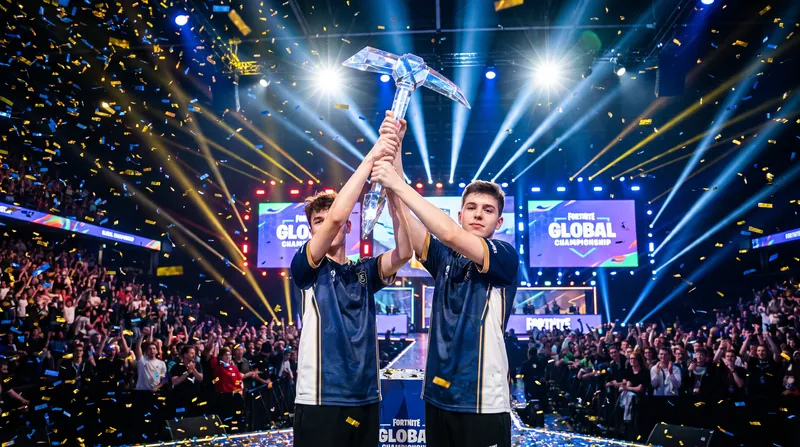
Swizzy and Pixie Win $2M Fortnite Global Championship as Swizzy Secures Historic Back-to-Back Title
5 sources
Hardware Supply Chain
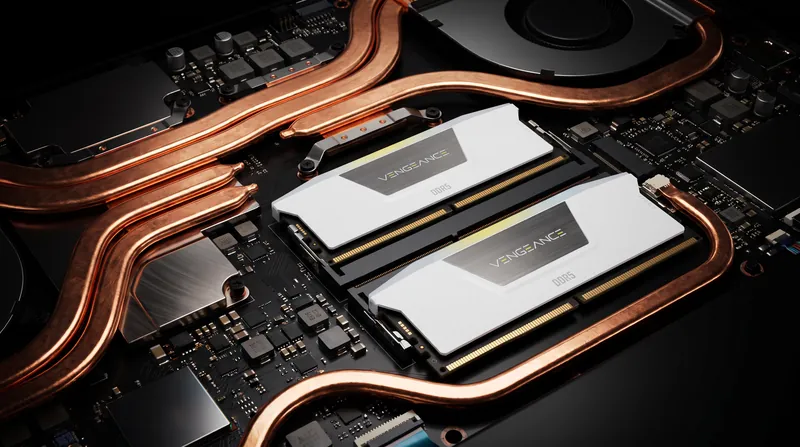
XMG Raises Gaming Laptop Prices by Up to €300 as DDR5 Memory Costs Surge Sixfold
6 sources
Physical Media
Sony Surveys Developers on Physical Media Future, Signaling Potential Reversal of All-Digital Plan
5 sources

VCT Champions
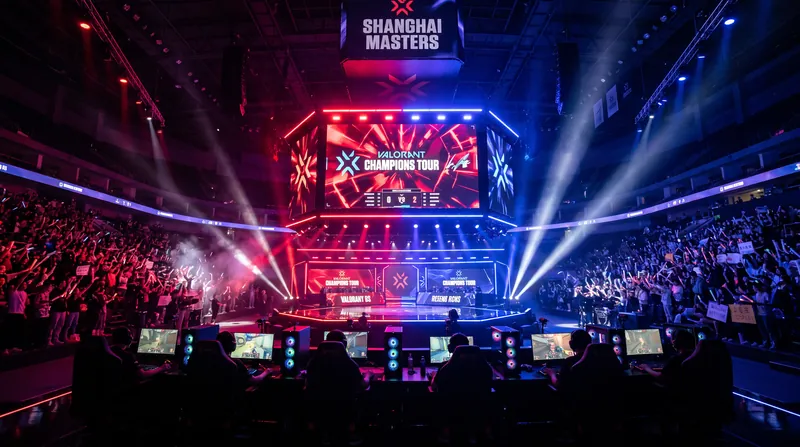
VALORANT Champions 2026 Kicks Off in Shanghai as Final Tournament of Franchised VCT Era
6 sources
Every angle. Every day.
Get Gaming & Esports stories with full source coverage and perspective breakdowns delivered to your inbox.