
Community-Led 'Micro-Forests' Reach Global Milestone as Cities Embrace Rapid Urban Greening
The Miyawaki method of dense, rapid-growth tree planting is transforming concrete jungles into thriving ecosystems, with community-led projects hitting major milestones across six continents in 2026.
By Kavya Nair

- Urban Ecologists
- Focus on the rapid restoration of native biodiversity and soil health.
- Municipal Planners
- Value micro-forests as cost-effective green infrastructure for climate resilience.
- Community Organizers
- Emphasize the social, educational, and mental health benefits of local greening.
Perspectives this story doesn't cover
- Commercial Real Estate Developers
- Traditional Landscaping Contractors
Across the globe, cities are confronting a common and escalating challenge: as populations grow and development intensifies, urban areas are becoming hotter, noisier, and increasingly disconnected from nature. Concrete surfaces absorb heat, biodiversity declines, and traditional green spaces often struggle to keep pace with rapid expansion. In response, a quiet but powerful revolution is taking root in 2026. Neighborhoods from Toronto to Tokyo are transforming degraded land, schoolyards, and abandoned parking lots into dense, thriving ecosystems known as micro-forests.[4]
The driving force behind this urban greening movement is the Miyawaki method, an unconventional form of afforestation pioneered in the 1970s by Japanese botanist Dr. Akira Miyawaki. Rather than planting trees several meters apart in neat, landscaped rows, the Miyawaki technique mimics the complexity of a natural forest. It involves planting a diverse array of locally native species—canopy trees, understory trees, shrubs, and ground vegetation—in incredibly dense clusters, typically three to five stems per square meter.[1][2]
This dense arrangement forces the saplings to compete for sunlight, driving rapid vertical growth. Beneath the soil, the plants connect through their roots and mycorrhizal fungi networks, sharing resources and supporting each other as they mature. The results are striking: while a natural climax forest can take 150 to 300 years to fully establish, a Miyawaki forest can reach maturity in just 20 to 30 years. After three years of active community care—watering, weeding, and mulching—the canopy closes, and the forest becomes entirely self-sustaining.[1][2]
By 2026, this method has evolved from small-scale experimental plots into a mainstream component of urban environmental planning across six continents. In Canada, Green Communities Canada launched its National Mini Forest Pilot in 2022 with just 15 sites. By the end of this year, the organization will have supported 60 mini forests across the country, partnering with local schools and municipalities to build evidence on soil carbon benefits and long-term ecological outcomes across different climate zones.[1][2]
The scale of implementation varies wildly, proving the method's versatility. In the United Kingdom, local governments like the Spelthorne Borough Council are hosting community planting days, inviting residents to transform recreation grounds into fast-growing woodlands that fit within the footprint of a tennis court. Meanwhile, in India, cities facing severe air quality and heat challenges have deployed the technique on a massive scale. A single project in the Naini industrial area rehabilitated former dumping grounds by planting 120,000 native, medicinal, and fruit-bearing trees representing 63 different species.
The scale of implementation varies wildly, proving the method's versatility.
What sets the micro-forest movement apart from traditional municipal landscaping is its heavy reliance on community involvement. These forests are rarely planted by city contractors alone; they are co-created by local botanists, school children, neighborhood associations, and volunteers. This participatory approach is critical. Studies in urban sustainability demonstrate that when community members are actively involved from the planning stages through the crucial first three years of maintenance, the green spaces are more likely to be valued and protected over the long term.[3][4]
The environmental dividends of these dense green pockets are immediate and measurable. Cities experience the "urban heat island" effect, where built-up areas absorb and retain heat, leading to significantly higher temperatures than surrounding rural areas. Micro-forests help mitigate this phenomenon by providing dense shade and cooling the air through evapotranspiration. Research indicates that the specific vegetation structure of these forests makes them highly resilient to drought and summer heat, creating vital cooling zones for vulnerable urban populations.[3]
Beyond temperature regulation, micro-forests act as powerful natural filters. The dense foliage traps airborne pollutants and particulates, improving local air quality. Their complex root systems dramatically improve soil absorption, reducing stormwater runoff and preventing localized flooding during heavy rains. Furthermore, because they rely exclusively on native species, these tiny forests quickly become rich microhabitats, drawing back indigenous insects, birds, and small mammals that had long abandoned the concrete landscape.[1][4]
The benefits extend deeply into public health and social cohesion. Access to green environments is consistently linked to reduced stress, lower rates of depression, and enhanced overall mental well-being. By placing these forests in the heart of neighborhoods—rather than on the distant outskirts of a city—communities gain daily, equitable access to nature. The planting days themselves serve as community-building events, fostering new relationships of trust between local residents and municipal planners.[1][4]
Despite their success, scaling micro-forests is not without challenges. Urban land is expensive and highly contested. Securing even a tennis-court-sized plot for conservation rather than commercial development requires political will and innovative funding models. Furthermore, urban planners must be cautious of "green gentrification"—a phenomenon where the introduction of beautiful, well-maintained green spaces inadvertently drives up local property values, displacing the very low-income residents the projects were designed to serve.[3]
To combat these hurdles, advocates are pushing for policies that integrate micro-forests into broader public infrastructure strategies, prioritizing historically underserved and heavily industrialized neighborhoods. By focusing on areas with the highest heat vulnerability and lowest existing canopy cover, cities can ensure that the benefits of rapid afforestation are distributed equitably.[4]
As 2026 marks a milestone year for the global adoption of the Miyawaki method, the narrative of urban development is shifting. Cities are no longer viewed solely as concrete expanses destined to pave over nature. Through the dedicated efforts of local communities and the application of innovative ecological science, urban centers are proving that they can invite the wild back in—one small, dense, and rapidly growing patch of forest at a time.[2][4]
The stakes
As urban areas face rising temperatures and biodiversity loss, these tennis-court-sized forests offer a fast, community-driven solution to cool neighborhoods, prevent flooding, and restore local wildlife without waiting centuries.
The essentials
- The Miyawaki method involves planting native trees and shrubs densely (3-5 per square meter) to encourage rapid growth.
- These micro-forests can reach maturity in 20 to 30 years, compared to 150 to 300 years for naturally occurring forests.
- In 2026, community-led projects are hitting major milestones globally, from 60 new sites in Canada to massive industrial rehabilitations in India.
- The forests provide critical urban cooling, improve air quality, absorb stormwater, and restore local wildlife habitats.
- Community involvement in planting and early maintenance is crucial for the long-term survival and social acceptance of the green spaces.
Timeline
1970s
Japanese botanist Dr. Akira Miyawaki develops his dense, native-planting afforestation technique to restore degraded land.
2004
Dr. Miyawaki publishes foundational research on restoring living environments based on vegetation ecology, sparking global interest.
2022
Green Communities Canada launches its National Mini Forest Pilot program with 15 initial sites.
2026
The movement reaches a critical mass globally, with Canada hitting 60 supported sites and major urban centers worldwide integrating the method into official climate resilience plans.
Perspectives explored
Urban Ecologists
Focus on the rapid restoration of native biodiversity and soil health.
For ecologists, the true value of the Miyawaki method lies in its strict adherence to native species and its ability to bypass the slow, centuries-long process of natural forest succession. By planting the 'climax' species from day one in a highly competitive, dense environment, these forests rapidly establish complex underground fungal networks. Ecologists emphasize that these plots are not just aesthetic parks, but highly functional ecosystems that restore lost insect and bird habitats to concrete-dominated landscapes.
Municipal Planners
Value micro-forests as cost-effective green infrastructure for climate resilience.
City planners and local governments view micro-forests as a highly efficient tool for mitigating the impacts of climate change. Because they require very little space—often fitting into abandoned lots, road verges, or unused schoolyards—they bypass the need for massive land acquisitions. Planners highlight their utility in absorbing heavy rainfall to prevent municipal flooding and their proven ability to lower ambient neighborhood temperatures, reducing the dangerous urban heat island effect during summer months.
Community Organizers
Emphasize the social, educational, and mental health benefits of local greening.
For neighborhood advocates, the process of building the forest is just as important as the ecological outcome. Community organizers point out that relying on local volunteers to plant and maintain the saplings for the first three years fosters a deep sense of local ownership and pride. These projects serve as outdoor classrooms for children and provide residents with accessible, daily contact with nature, which is consistently linked to improved mental health and stronger social cohesion.
Sources
Source coverage
4 outlets
3 viewpoints surfaced




- [1]Green Communities CanadaCommunity Organizers
Mini Forests: Transforming under-natured sites into thriving urban forests
Read on Green Communities Canada → - [2]PlanetToolsUrban Ecologists
Miyawaki Method Mini Forest: Complete 2026 Guide
Read on PlanetTools → - [3]MDPI SustainabilityUrban Ecologists
Quantification of the cooling effect and cooling distance of urban green spaces
Read on MDPI Sustainability → - [4]Factlen Editorial TeamCommunity Organizers
Synthesis by Factlen editorial team
Read on Factlen Editorial Team →
Comments

More in Community
See all →Urban Poverty
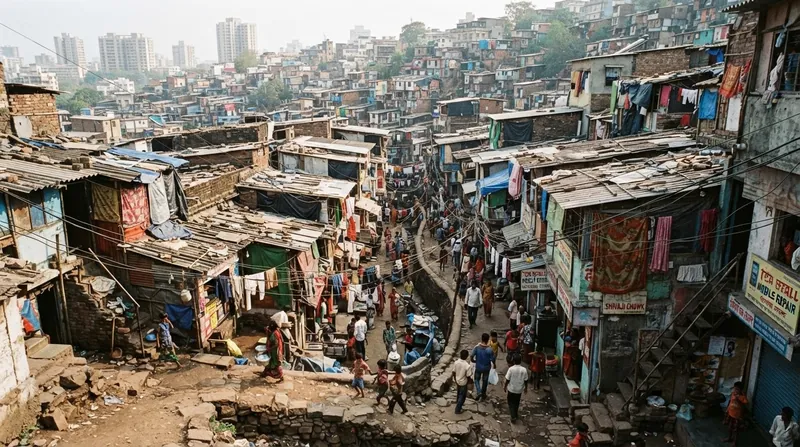
The Five Deprivations That Define a Slum Household in Global Monitoring
8 sources
Municipal Finance
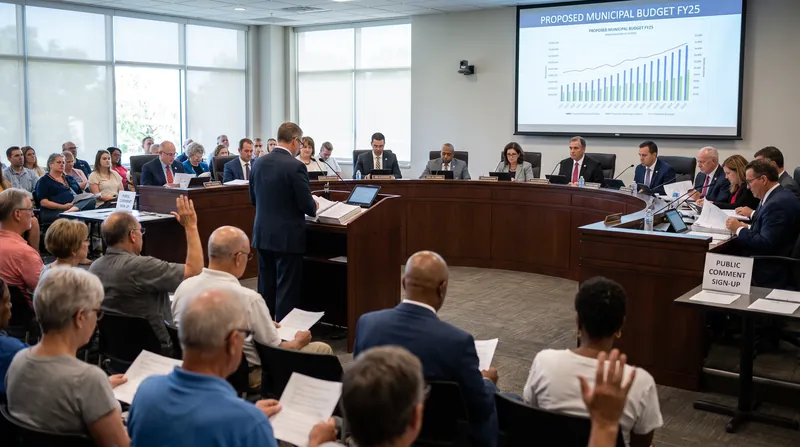
The Three Revenue Pillars That Dictate Municipal Independence
9 sources
Governance Structures
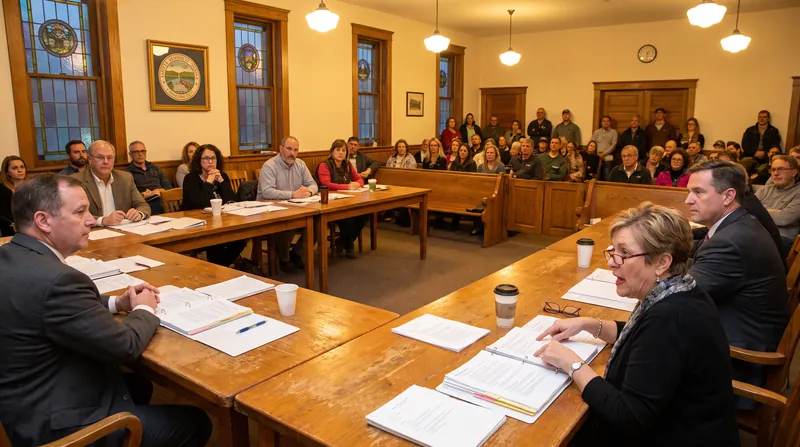
The Distribution of Authority to the Lowest Competent Level of Governance
4 sources
Social Dynamics
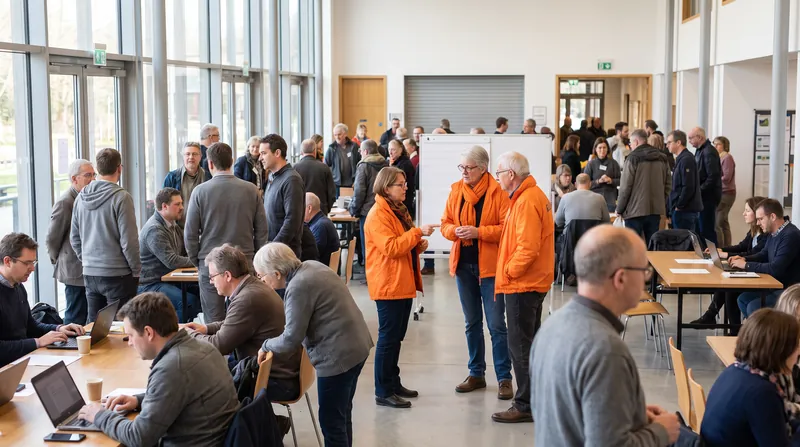
The 25% Critical Mass That Causes a Minority Opinion to Overturn a Social Norm
7 sources
Every angle. Every day.
Get Community stories with full source coverage and perspective breakdowns delivered to your inbox.