
Christopher Bell Cleared to Race at Pocono Despite Fractured Wrist from Michigan Crash
NASCAR driver Christopher Bell has been medically cleared to compete at Pocono Raceway just days after suffering a fractured left wrist in a violent crash at Michigan International Speedway.
By Factlen Editorial Team
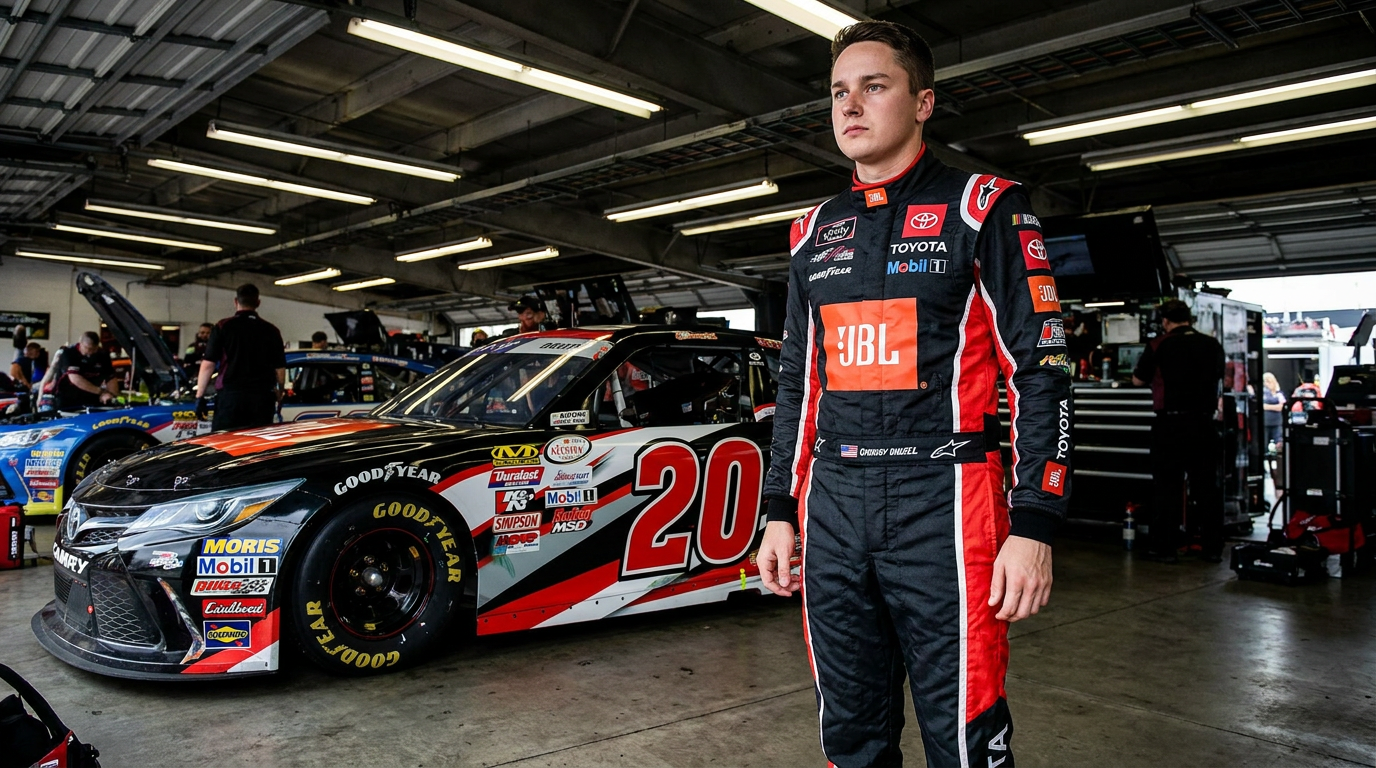
- Joe Gibbs Racing & Bell
- Focused on gratitude for safety advancements and maintaining their position in the championship standings.
- Motorsport Analysts
- Amazed by the driver's toughness but questioning the physical toll of navigating Pocono with a fractured wrist.
- Competitors
- Expressing relief that Bell avoided worse injuries, with involved drivers taking accountability for the incident.
What's not represented
- · Medical staff detailing the specific clearance tests
- · Potential relief drivers on standby
Why this matters
Bell's rapid return highlights both the immense physical resilience of elite drivers and the effectiveness of modern stock car safety advancements, allowing a championship contender to stay in the playoff hunt despite a massive impact.
Key points
- Christopher Bell suffered a fractured left wrist in a crash at Michigan.
- He has been medically cleared to drive the No. 20 Toyota at Pocono.
- The crash was triggered when Chase Elliott lost control on Lap 148.
- Bell thanked NASCAR's safety pioneers for the standards that prevented worse injuries.
- He currently sits 10th in the Cup Series points standings.
NASCAR Cup Series driver Christopher Bell has been medically cleared to compete at Pocono Raceway this upcoming weekend, mere days after sustaining a fractured left wrist in a violent collision at Michigan International Speedway. The official announcement from Joe Gibbs Racing on Tuesday evening confirmed that despite the severity of the high-speed impact, the 31-year-old driver of the No. 20 Toyota will not miss a single start in his 2026 campaign. Bell's rapid return to the cockpit highlights both the immense physical resilience expected of elite stock car drivers and the extraordinary effectiveness of modern safety protocols that allow competitors to walk away from massive shunts. The medical clearance keeps Bell's championship hopes fully intact as the series heads into the crucial summer stretch, ensuring he remains a formidable contender in the playoff hunt.[1][2][6]
The injury occurred during the FireKeepers Casino 400 on Sunday, when a fierce, high-stakes battle for second place went disastrously awry on Lap 148. Chase Elliott, running tight underneath Bell as they navigated Turns 3 and 4, suddenly lost control of his Chevrolet. Elliott's car wiggled, shot up the steep banking, and collected Bell's Toyota, sending both vehicles slamming violently into the outside SAFER barrier. The impact was immense and immediate; NASCAR Vice President of Racing Communications Mike Forde noted on Hauler Talk that telemetry registered it as the hardest crash impact of the Next Gen era. The sheer force of the collision caused significant structural damage to the track, requiring NASCAR officials to red-flag the race for over 20 minutes to repair the retaining wall before competition could safely resume.[1][3][4]
In the tense immediate aftermath of the crash, the safety of both drivers was the primary concern, but both were miraculously able to climb from their destroyed vehicles under their own power. Bell was swiftly transported to the two-mile track's infield care center, where he underwent an initial medical evaluation by the on-site staff before being released. At the time, he opted not to speak to the media, instead boarding the Joe Gibbs Racing team plane to return to North Carolina with his arm visibly wrapped in a temporary cast. It was upon his return home that comprehensive X-rays and further evaluation by specialists officially confirmed the fracture in his left wrist. Team owner Joe Gibbs had expressed deep concern during the post-race press conference, noting that both Bell's wrist and ankle were being closely monitored.[1][3][5]

The incident was quickly and candidly addressed by Chase Elliott, who made it a priority to check on Bell immediately after both men emerged from their wrecked cars on the track. The Hendrick Motorsports driver took full and unreserved responsibility for the collision, telling reporters that the wreck was "totally my fault." Elliott explained that his car simply got free underneath Bell; he initially thought he was going to spin out harmlessly toward the infield, but the tires suddenly hooked up and launched his Chevrolet directly into the side of the No. 20 machine. The candid admission from a fellow champion underscored the fine margins and inherent risks of side-by-side racing at speeds exceeding 190 miles per hour on wide, sweeping ovals like Michigan.[3]
Breaking his silence on social media Tuesday, Bell expressed profound relief and gratitude rather than frustration over the setback. "Thank you to each and every one who reached out to check on me, I truly feel the love," Bell posted to his followers. Crucially, he directed his deepest appreciation toward the ongoing evolution of motorsport safety, adding, "I'm grateful for my team of doctors, JGR, NASCAR, and all of the previous drivers who have helped pave the way for the safety standards in our sport. See you in Pocono!" His poignant statement reflects a deep awareness throughout the garage that in previous generations of stock cars, an impact of that magnitude into the Turn 4 wall could have easily resulted in career-ending or life-threatening injuries.[1][2]
Breaking his silence on social media Tuesday, Bell expressed profound relief and gratitude rather than frustration over the setback.
Bell's ability to even consider racing just a week after such a severe crash is a powerful testament to the Next Gen car's reinforced chassis and the energy-absorbing properties of the SAFER barrier system. While the Next Gen car has faced intense scrutiny in the past for how it transfers kinetic energy to the driver during stiff rear-end impacts, the front and side crush zones performed exactly as designed during the Michigan wreck. Analysts and engineers have pointed out that surviving the hardest hit of the era with only a fractured wrist is a massive net victory for NASCAR's ongoing safety engineering efforts. The incident has temporarily quieted critics of the current car's rigidity, definitively proving its structural integrity in high-speed, multi-car entanglements.[4][5]

Despite the official medical clearance, competing at Pocono Raceway will present a formidable and unique physical challenge for Bell. Affectionately known as the "Tricky Triangle," Pocono features three distinct, tight corners modeled after different historic tracks, connected by incredibly long, high-speed straightaways. While the straightaways will offer Bell brief, crucial moments to relax his grip on the wheel, the heavy braking zones and sharp, flat left-hand turns will place immense strain on his fractured wrist. Managing the inevitable pain and maintaining the precise steering inputs required to navigate the 2.5-mile circuit will test his physical endurance to the absolute limit. Analysts have openly speculated whether Bell will be able to run the full 400-mile distance or if Joe Gibbs Racing will need to have a relief driver on standby.[4][5]
The grueling decision to race through the pain is heavily influenced by the current, highly competitive NASCAR Cup Series playoff picture. Following the disappointing 31st-place finish at Michigan due to the crash, Bell dropped three positions in the championship standings, falling to 10th overall. With the regular season rapidly winding down, every single point is critical for playoff seeding and accumulating valuable playoff points. Sitting out the Pocono race would have dealt a severe, potentially insurmountable blow to his championship trajectory. Bell has historically performed exceptionally well at Pocono, boasting two top-five finishes and three top-10s in eight career starts, making it a venue where he and his team believe he can realistically salvage a strong result despite his physical limitations.[1]

Bell's clearance also reignites the ongoing, complex conversation about the culture of toughness deeply embedded in professional motorsport. Racing with broken bones, torn ligaments, and severe bruising is a long-standing tradition in NASCAR, where drivers routinely push through immense physical discomfort to protect their livelihoods and championship aspirations. However, modern medical clearance is far more stringent and data-driven than in decades past. To be cleared today, a driver must definitively prove they can safely operate the vehicle at race speed and, critically, extract themselves from the cockpit within a mandated time limit in the event of a fire or secondary crash. Bell's clearance indicates he successfully met these rigorous, non-negotiable safety thresholds.[4]
As the garage area sets up at Pocono, all eyes will undoubtedly be on the No. 20 garage stall during Friday's initial practice sessions. Observers, media, and rival teams will be watching closely to see how Bell's wrist is braced, how comfortable he looks in the car, and whether his lap times reflect any hesitation. Regardless of whether he manages to complete all 160 laps on Sunday, Bell's fierce determination to strap back into the car has already earned widespread respect across the paddock. The overarching storyline of the weekend shifts dramatically from the violence of the Michigan crash to a compelling, uplifting narrative of grit and resilience, adding a profound layer of human drama to the upcoming race in the Pennsylvania mountains.[1][4][5]
How we got here
Sunday, June 7
Bell and Elliott collide on Lap 148 at Michigan International Speedway.
Sunday Evening
Bell is evaluated at the infield care center and returns to North Carolina.
Monday, June 8
Comprehensive X-rays confirm a fracture in Bell's left wrist.
Tuesday, June 9
Joe Gibbs Racing officially announces Bell is medically cleared to race at Pocono.
Viewpoints in depth
Joe Gibbs Racing & Bell
Focused on gratitude for safety advancements and maintaining their position in the championship standings.
For Christopher Bell and his team, the immediate priority following the crash was assessing his physical ability to continue competing for a championship. Bell's public statements emphasized profound gratitude toward NASCAR's safety pioneers, acknowledging that the outcome could have been far worse in previous eras. The team's decision to clear him for Pocono underscores their commitment to keeping him in the playoff hunt, prioritizing point accumulation while relying on the car's advanced safety features to protect him from further harm.
Motorsport Analysts
Amazed by the driver's toughness but questioning the physical toll of navigating Pocono with a fractured wrist.
Racing pundits and media analysts have expressed a mixture of awe and concern regarding Bell's rapid return. While they praise his undeniable grit and the culture of toughness inherent in stock car racing, many question the practical realities of wrestling a 3,400-pound race car around Pocono's demanding 'Tricky Triangle.' Analysts point out that the track's heavy braking zones and sharp, distinct corners will place immense strain on his fractured left wrist, raising debates about whether he can truly remain competitive for the full 400-mile distance or if the injury will force an early exit.
Competitors
Expressing relief that Bell avoided worse injuries, with involved drivers taking accountability for the incident.
The reaction from the broader NASCAR garage has been one of collective relief. Fellow drivers understand the inherent dangers of high-speed oval racing and were quick to check on Bell's condition. Chase Elliott's immediate and unequivocal acceptance of responsibility highlights the mutual respect among competitors. The incident serves as a sobering reminder to the entire field about the fine line between hard racing and catastrophic wrecks, reinforcing the paddock's shared reliance on the Next Gen car's safety innovations.
What we don't know
- Whether Bell will be able to complete the full race distance at Pocono or if a relief driver will be needed.
- How the wrist injury will affect his performance on Pocono's unique three-turn layout.
Key terms
- SAFER barrier
- Steel and Foam Energy Reduction barrier, a safety system installed on the walls of oval tracks to absorb the kinetic energy of crashes.
- Next Gen car
- The current generation of race car used in the NASCAR Cup Series, introduced in 2022 with updated safety and aerodynamic features.
- Infield care center
- The on-site medical facility at a racetrack where drivers are immediately evaluated after an accident.
Frequently asked
How did Christopher Bell break his wrist?
He fractured his left wrist during a violent two-car crash with Chase Elliott at Michigan International Speedway.
Will he miss any races due to the injury?
No, Bell has been medically cleared to compete in the upcoming race at Pocono Raceway.
Who caused the crash at Michigan?
Chase Elliott took full responsibility, stating his car got loose and hooked into Bell's Toyota.
Sources
Source coverage
6 outlets
3 viewpoints surfaced






[1]NASCAR.comJoe Gibbs Racing & Bell
Christopher Bell sustains fractured left wrist at Michigan; cleared to race at Pocono
Read on NASCAR.com →[2]RACERCompetitors
Bell diagnosed with wrist fracture after Michigan crash; cleared to race at Pocono
Read on RACER →[3]AutoWeekCompetitors
NASCAR Driver Christopher Bell Cleared to Race Despite Broken Wrist
Read on AutoWeek →[4]Read MotorsportMotorsport Analysts
Christopher Bell's Pocono return asks NASCAR an awkward question
Read on Read Motorsport →[5]Inside the LinesMotorsport Analysts
Christopher Bell Injury Update | Carson Hocevar Is Very Influential
Read on Inside the Lines →[6]Joe Gibbs RacingJoe Gibbs Racing & Bell
Christopher Bell Medical Update
Read on Joe Gibbs Racing →
More in sports
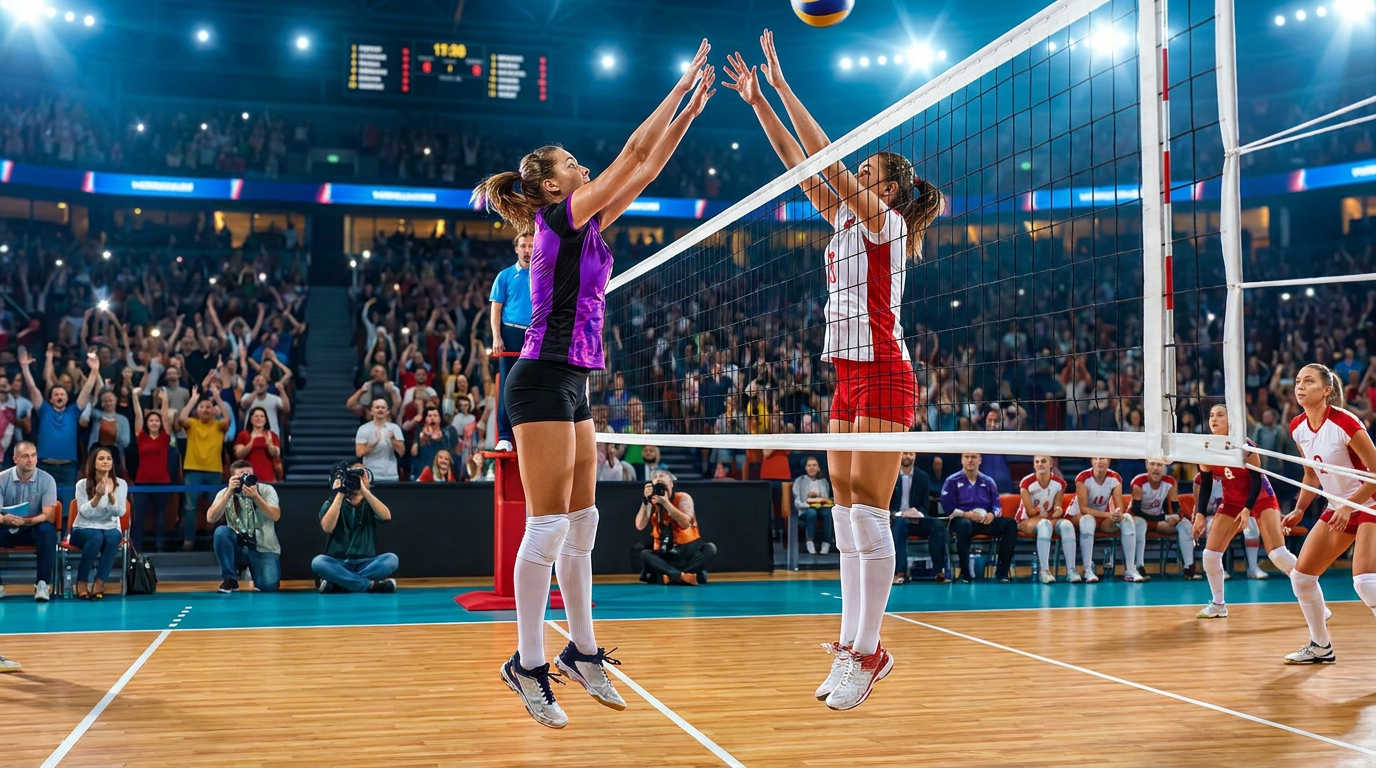
See all 394 stories →Pro Volleyball Boom
How Women's Professional Volleyball Finally Broke Through in America
6 sources
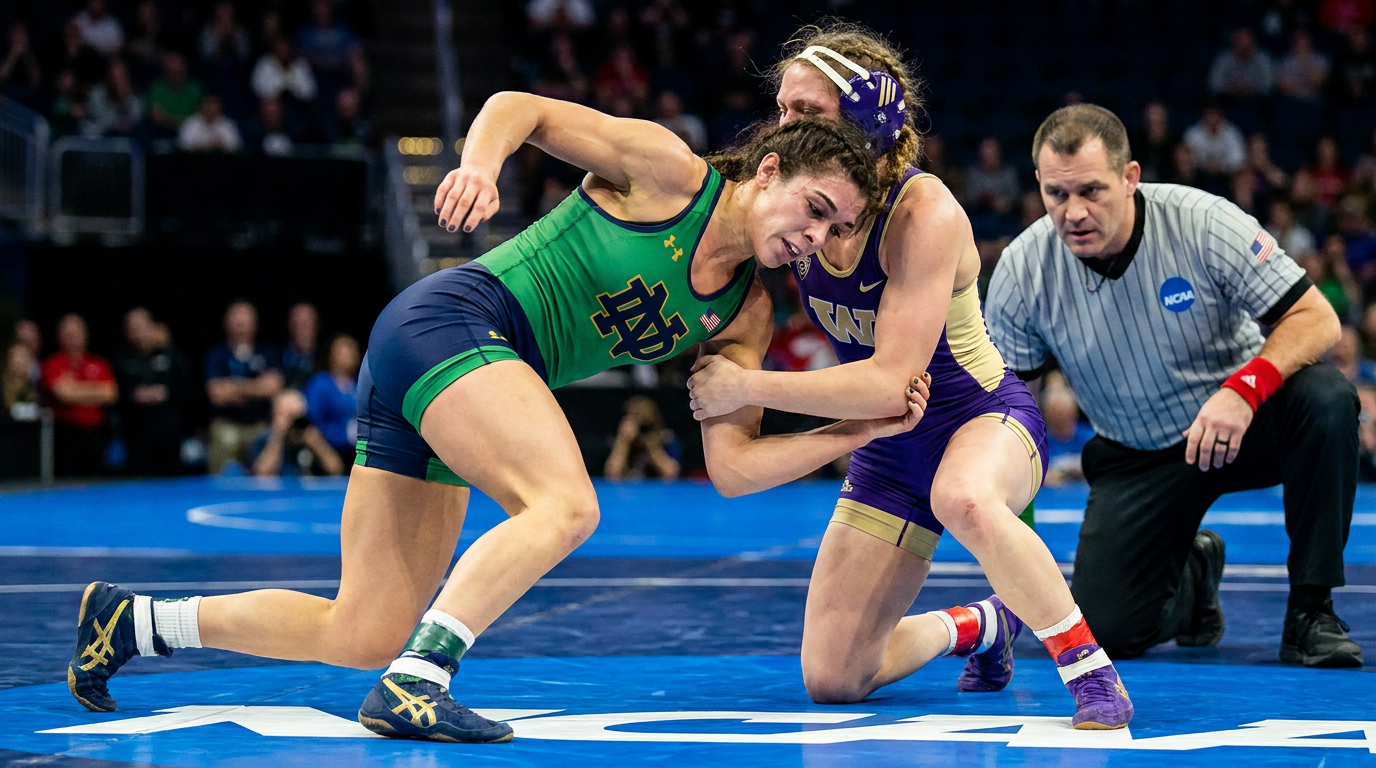
Women's Sports
How Women's Wrestling Became the Fastest-Growing Collegiate Sport in America
8 sources
Engine Regulations
The 2026 Formula 1 Engine Revolution: How Sustainable Fuel and a 50/50 Hybrid Split Are Changing the Sport
8 sources
MLB Milestones
Brewers' Jacob Misiorowski Throws Historic 15-Strikeout, One-Hit Shutout
7 sources
Every angle. Every day.
Get sports stories with full source coverage and perspective breakdowns delivered to your inbox.