
Chess Health Report: GM Alex Yermolinsky Nears Return After 14-Month Quadruple Bypass Recovery
Two-time U.S. Chess Champion Alex Yermolinsky is officially ramping up his over-the-board practice, targeting a return to the U.S. Senior Team 14 months after surviving emergency open-heart surgery.
By Ryder James
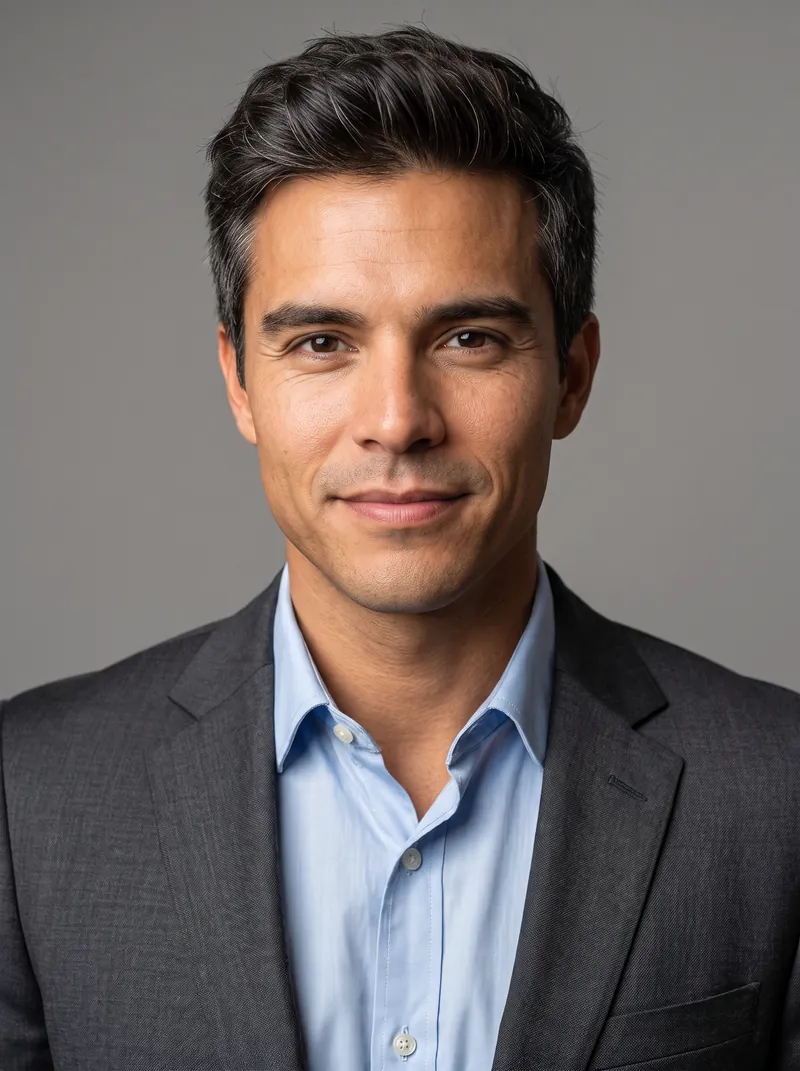
The physical toll of elite chess is rarely discussed until a medical emergency forces the conversation. For 67-year-old Grandmaster Alex Yermolinsky, a two-time U.S. Chess Champion, the ultimate test of endurance did not happen on the 64 squares, but in a Turkish intensive care unit in the spring of 2025.
Now, after a grueling 14-month rehabilitation process, the beloved veteran known affectionately as "Uncle Yermo" is officially targeting his return to the board for the 2026 World Senior Championship cycle, marking one of the most remarkable medical comebacks in modern chess.
The ordeal began last April when Yermolinsky suffered a severe cardiac event while visiting Tekirdag, Turkey. Surgeons performed an emergency quadruple heart bypass to restore blood flow to his heart, a massive procedure that immediately sidelined his chess career and left him stranded overseas.
The situation grew even more precarious eleven days later when he required a second emergency surgery to address a sternal wound infection and respiratory failure. At the time, doctors mandated a strict six-month no-fly period, forcing him to undergo the hardest, most vulnerable phases of his recovery far from home.[1]
Facing daunting overseas medical bills and a prolonged hospital stay, the global chess community immediately mobilized. A grassroots GoFundMe campaign was launched by friends and colleagues to ensure the grandmaster received the best possible care without the crushing weight of financial ruin.
The response was staggering. Within 24 hours, nearly 200 donors had contributed over $41,000, rapidly closing in on the campaign's ultimate targets. The outpouring of financial and emotional support highlighted the deep respect Yermolinsky commands across multiple generations of players.[1]
"I am overwhelmed with emotions," Yermolinsky wrote to his supporters during the darkest days of his hospital stay. "I feel so blessed with the outpouring of friendship. Love to everyone in the chess world. You are my heroes and saviors."
Fast forward to June 2026, and the narrative has shifted entirely from survival to competition. Having successfully completed his cardiovascular rehabilitation and returned to the United States late last year, Yermolinsky has been steadily rebuilding his cognitive and physical stamina.[1]
The on-field impact of his return cannot be overstated for the United States. Yermolinsky has long been the emotional anchor of the U.S. Senior Team, previously guiding the squad to a gold medal at the 2023 World Senior Team Championship.
Teammates describe him as the ultimate locker-room presence. While he can be a fierce and occasionally grumpy competitor at the board, his relentless optimism, sharp wit, and humor keep the team's morale high during grueling multi-day international events.
During his 14-month absence, the U.S. squad was forced to lean heavily on alternate grandmasters, missing both his deep opening preparation and his stabilizing veteran leadership. His impending return instantly reshapes the medal projections for the upcoming senior circuit.[1]
Returning to classical chess after open-heart surgery is a massive physical undertaking. A single classical game can last up to six hours, elevating heart rates, spiking blood pressure, and flooding the body with cortisol—a genuine stress test for the cardiovascular system.[2]
Medical experts emphasize that a phased return is critical. Yermolinsky has spent the last few months easing back into the game through online commentary and casual streaming, allowing his brain and body to re-acclimate to the cognitive load without the physical strain of the tournament hall.[1][2]
As he ramps up his over-the-board (OTB) practice, his team is closely monitoring his energy levels. The goal is to ensure his cardiac output remains stable during the intense time scrambles that define elite chess, ensuring he does not push his newly repaired heart past its limits.[2]
For fans and fellow competitors, simply seeing Yermolinsky back at the board will be a victory in itself. As the chess world prepares for the summer and fall championships, "Uncle Yermo" is no longer just playing for titles—he is playing to celebrate a second chance at life, backed by a community that refused to let him fight alone.[1]
Key points
- GM Alex Yermolinsky is targeting a return to classical chess 14 months after a quadruple heart bypass.
- The 67-year-old suffered a severe cardiac event in Turkey in April 2025, requiring two emergency surgeries.
- The global chess community raised over $41,000 in 24 hours to cover his overseas medical bills.
- His return provides a massive strategic and emotional boost to the U.S. Senior Team for the 2026 cycle.
- Medical experts advise a phased return due to the intense cardiovascular stress of six-hour classical games.
How we got here
April 2025
Yermolinsky suffers a cardiac event in Turkey and undergoes an emergency quadruple heart bypass.
Late April 2025
Undergoes a second emergency procedure for a sternal wound infection and respiratory failure.
May 2025
The global chess community raises over $41,000 in 24 hours to cover his overseas medical bills.
Late 2025
Completes his mandatory six-month overseas recovery and returns to the United States.
June 2026
Officially ramps up his over-the-board practice, targeting a return to the U.S. Senior Team.
- U.S. Senior Team Management
- Focused on the strategic boost, deep opening preparation, and locker-room leadership Yermolinsky brings back to the roster.
- Global Chess Community
- Celebrates the successful grassroots crowdfunding effort and the emotional return of a beloved veteran who helped shape the modern game.
- Medical & Rehabilitation Experts
- Emphasizes the severe cardiovascular stress of classical chess and the absolute necessity of a phased 14-month recovery.
Perspectives this story doesn't cover
- Cardiologists specializing in sports and cognitive stress
Sources
Source coverage
2 outlets
3 viewpoints surfaced


- [1]The American Chess MagazineGlobal Chess Community
Yermolinsky's Road to Recovery and the Senior Circuit
Read on The American Chess Magazine → - [2]Factlen Editorial TeamMedical & Rehabilitation Experts
Synthesis by Factlen editorial team
Read on Factlen Editorial Team →
More in Sports
See all →Injury
Medical Report: FM Yosha Iglesias Returns to the Board Following Surgery and Community-Backed Recovery
3 sources
Standings
2026 U.S. Junior and Senior Chess Championships Standings: Early Leaders Emerge as Generations Clash in St. Louis
7 sources
Standings
FIDE World Cup 2027 Qualification Standings: Youth Surges as Continental Championships Set the Early Field
6 sources
Injury
The Healing Board: How Chess is Transforming Medical Recovery and Cognitive Rehabilitation
3 sources
Comments
Every angle. Every day.
Get Sports stories with full source coverage and perspective breakdowns, free every day.