
Beyond the Gym: How Creatine Became a Breakthrough Supplement for Brain Health
Long known as a muscle-building supplement, creatine monohydrate is emerging as a powerful tool for cognitive longevity, memory retention, and mitigating mental fatigue.
By Factlen Editorial Team
- Longevity & Aging Researchers
- Focus on creatine's ability to preserve cognitive function, mitigate age-related decline, and support brain energy metabolism in older adults.
- Sports & Performance Scientists
- Emphasize acute cognitive benefits under stress, such as sleep deprivation or hypoxia, viewing it as an extension of physical performance.
- Clinical Skeptics
- Caution that while promising, creatine is not a cure for neurodegenerative diseases and call for larger trials to determine optimal brain dosing.
What's not represented
- · Dietitians advocating for whole-food approaches over isolated supplementation
- · Patients with severe neurodegenerative diseases seeking alternative therapies
Why this matters
As the global population ages and workplace demands increase, cognitive fatigue is becoming a universal challenge. Understanding how a safe, inexpensive supplement like creatine can protect brain energy metabolism offers an accessible, evidence-based tool to maintain mental sharpness and delay age-related decline.
Key points
- Creatine monohydrate is emerging as a powerful cognitive supplement, shifting its reputation beyond just muscle building.
- The brain consumes 20% of the body's energy, relying on creatine to rapidly regenerate ATP during periods of high mental demand.
- Studies show creatine supplementation can significantly improve memory and processing speed during sleep deprivation and age-related cognitive decline.
- Women and vegetarians often see the most pronounced cognitive benefits due to naturally lower baseline creatine stores.
- While highly effective at buffering mental fatigue, creatine is not a cure for neurodegenerative diseases like Alzheimer's.
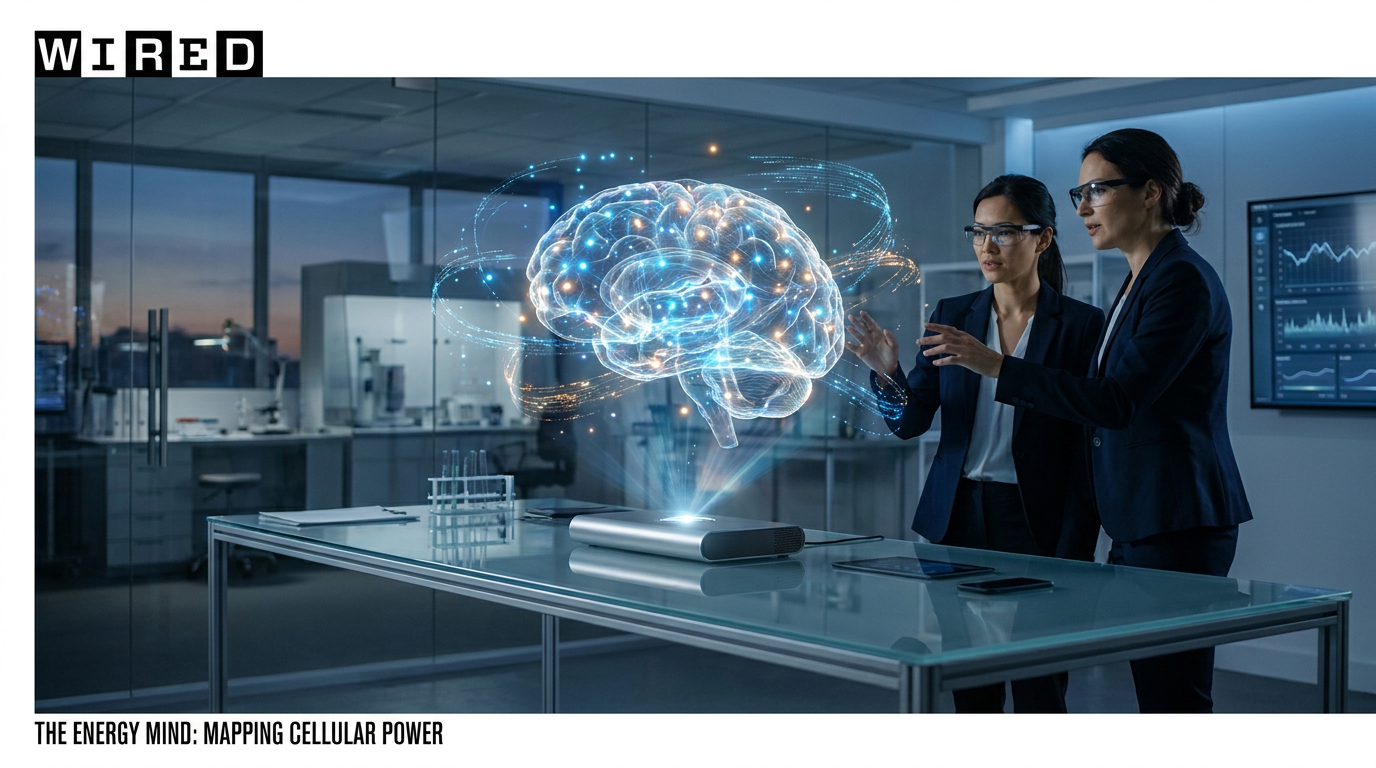
For decades, creatine monohydrate has been relegated to the weight room, synonymous with bodybuilders and sprinters chasing peak physical performance. But in recent years, a profound paradigm shift has occurred in longevity and neuroscience circles. Researchers are increasingly viewing this humble, inexpensive white powder not just as a muscle builder, but as a critical tool for cognitive health. The brain, it turns out, is incredibly energy-hungry, and creatine plays a foundational role in keeping its cellular engines running. As the global population ages and the search for accessible cognitive protectants accelerates, creatine is stepping out of the gym and into the medicine cabinet.[4][7]
To understand why a muscle supplement affects the mind, one must look at how the body manages energy. The human brain accounts for only about two percent of total body weight, yet it consumes a staggering twenty percent of the body's resting energy. Every thought, memory retrieval, and neurotransmitter firing requires adenosine triphosphate (ATP), the universal energy currency of our cells. When a neuron fires, it burns ATP, stripping away a phosphate molecule and leaving behind a depleted byproduct called ADP. This is where creatine steps in. Stored in the body as phosphocreatine, it acts as a rapid-response backup battery, donating its phosphate to instantly regenerate ATP and keep the brain firing without interruption.[5]
Under normal, restful conditions, the brain's internal energy production can usually keep up with demand. However, when the brain is placed under acute metabolic stress—such as during intense mental fatigue, hypoxia, or severe sleep deprivation—its energy reserves are rapidly depleted. A landmark 2024 study demonstrated this effect vividly. Researchers subjected healthy adults to twenty-one hours of sleep deprivation and administered a high single dose of creatine. Brain imaging revealed that the supplement successfully buffered the drop in cerebral energy phosphates, leading to significantly better processing speed and memory recall compared to a placebo group.[2]

Even without extreme stress, the modern knowledge worker constantly depletes brain ATP. Prolonged focus, complex problem-solving, and continuous screen time demand a relentless supply of cellular energy. When ATP regeneration lags behind consumption, the subjective experience is mental fatigue, brain fog, and a diminished attention span. By maintaining a larger reservoir of phosphocreatine, the brain can sustain high-level executive functioning for longer periods before this energetic exhaustion sets in, effectively widening the window of peak mental performance.[7]
Beyond acute stressors, creatine is showing immense promise for the slow, chronic metabolic decline associated with aging. As humans age, the mitochondria—the powerhouses of the cells—become less efficient, and the brain's ability to utilize energy naturally diminishes. A comprehensive systematic review examined the effects of creatine on older adults and found striking results: over eighty percent of the included studies reported a positive relationship between creatine supplementation and cognitive function. By artificially topping up the brain's phosphocreatine stores, older adults were able to partially offset the energetic deficits of aging, seeing particular improvements in short-term memory and attention span.[1]
The cognitive benefits of creatine appear to be particularly pronounced in women, who naturally store up to eighty percent less endogenous creatine than men. This disparity becomes critical during perimenopause and menopause, when estrogen levels plummet. Estrogen is deeply involved in regulating brain energy metabolism; as it declines, many women experience brain fog, fatigue, and reduced processing speed. Clinical experts note that creatine supplementation can help combat these secondary effects of hormonal changes, providing an alternative energy pathway that bypasses the estrogen-dependent systems and helps maintain cognitive clarity during the menopausal transition.[6]
The neuroprotective potential of creatine extends beyond daily fatigue into the realm of physical trauma. When a traumatic brain injury or concussion occurs, the brain experiences an immediate and massive energy crisis as it struggles to restore cellular homeostasis. This metabolic energy gap is a primary driver of post-concussion symptoms. Emerging clinical data suggests that prophylactic creatine supplementation—having elevated brain creatine stores before an impact occurs—can significantly reduce the severity of neural damage and accelerate recovery times, making it a subject of intense interest for contact sports and military applications.[6]
The neuroprotective potential of creatine extends beyond daily fatigue into the realm of physical trauma.
The bioenergetic model of the brain is also reshaping how researchers approach mental health. Major depressive disorder is increasingly viewed through the lens of metabolic dysfunction, with neuroimaging showing reduced brain energy metabolism in depressed patients. Recent clinical trials have demonstrated that adding creatine to standard psychiatric treatments, such as selective serotonin reuptake inhibitors or cognitive behavioral therapy, yields a faster and more robust reduction in depressive symptoms than standard therapy alone. The extra cellular energy appears to support the neuroplasticity required for mood regulation.[6][7]

While the body synthesizes some creatine naturally in the liver and kidneys, it relies on dietary intake to fully saturate its cellular stores. The primary natural sources of creatine are red meat and seafood. Consequently, individuals who consume plant-based diets—vegans and vegetarians—consistently show lower baseline levels of tissue creatine. Unsurprisingly, cognitive intervention trials frequently reveal that vegetarians experience the most dramatic improvements in memory and intelligence test scores when introduced to a creatine supplement, simply because their brains were operating at a greater energetic deficit to begin with.[5]
Despite the clear benefits, a significant debate remains regarding the optimal dosage for brain health. The standard protocol for muscle saturation is a modest three to five grams per day. However, the brain is protected by the blood-brain barrier, which tightly regulates what enters the central nervous system. Because the brain synthesizes its own creatine locally, it is somewhat resistant to absorbing it from the bloodstream. Many neuroscientists now hypothesize that higher doses—sometimes up to twenty grams per day, or prolonged loading phases—may be required to meaningfully elevate brain creatine levels, though research into the exact transport kinetics is still ongoing.[2][7]
As consumer interest surges, the supplement market has flooded with novel formulations—creatine hydrochloride, ethyl ester, and buffered creatine—all claiming superior absorption. However, the scientific consensus remains firmly anchored to creatine monohydrate. It is not only the most affordable form but also the exact compound used in nearly all foundational research demonstrating cognitive and physical benefits. The purported advantages of advanced forms have largely failed to materialize in clinical trials, reinforcing monohydrate as the gold standard for both muscle and brain health.[3]
Despite its pristine clinical record, creatine is still occasionally dogged by outdated myths regarding kidney damage and severe water retention. Comprehensive longitudinal studies have repeatedly debunked these concerns, confirming that standard dosages do not impair renal function in healthy adults. While creatine does draw water into muscle cells—a process known as cellular hydration, which is actually beneficial for muscle protein synthesis—it does not cause systemic bloating or dehydration when accompanied by normal fluid intake.[3]

As excitement grows, clinical skeptics are careful to temper expectations, particularly regarding severe neurodegenerative diseases. While creatine can buffer energy loss and improve symptoms of mild cognitive impairment, it is not a cure for Alzheimer's disease or dementia. It cannot reverse the accumulation of amyloid plaques or tau tangles that physically destroy brain tissue. Instead, researchers view it as a neuroprotective armor—a way to build cognitive reserve and delay the onset of metabolic dysfunction, rather than a therapeutic reversal agent for advanced neurological decay.[4]
One of the most compelling arguments for adopting creatine as a cognitive supplement is its unparalleled safety profile. With over three decades of rigorous clinical testing in sports medicine, creatine monohydrate is widely considered one of the safest and most extensively researched dietary supplements in the world. It is non-toxic, non-addictive, and remarkably inexpensive. For older adults looking to preserve their mental acuity, or professionals seeking to mitigate the cognitive fog of a high-stress lifestyle, the risk-to-reward ratio is exceptionally favorable.[3][4]
As the scientific community continues to map the intricate relationship between cellular energy and cognitive decline, creatine is poised to become a staple of longevity protocols. Future research is already pivoting toward specialized delivery mechanisms, such as intranasal administration or creatine precursors, designed to bypass the blood-brain barrier more efficiently. Until then, the simple daily scoop of creatine monohydrate stands as a powerful, evidence-based tool for anyone looking to keep their brain's energy grid fully charged.[1][7]
How we got here
1832
Creatine is first discovered in skeletal muscle by French philosopher and scientist Michel Eugène Chevreul.
1992
Creatine gains global attention after Olympic athletes reportedly use it to enhance sprinting and power performance.
2006
Early studies begin demonstrating that creatine supplementation can improve memory and intelligence scores in vegetarians.
2022
A major meta-analysis confirms that creatine significantly improves memory in older adults.
2024
Landmark imaging studies prove a single high dose of creatine can buffer brain energy loss during severe sleep deprivation.
Viewpoints in depth
Longevity & Aging Researchers
Viewing creatine as a foundational tool for extending cognitive healthspan.
For researchers focused on aging, the brain's gradual loss of metabolic efficiency is a primary driver of cognitive decline. This camp views creatine not as a performance enhancer, but as a critical energy buffer. By artificially elevating phosphocreatine stores, they argue we can delay the onset of age-related memory loss and protect neurons from the oxidative stress that accompanies energetic exhaustion. Their focus is on long-term, low-dose supplementation to build 'cognitive reserve' over decades.
Sports & Performance Scientists
Treating the brain as a high-performance organ that requires acute fueling.
Rooted in kinesiology and sports medicine, this perspective treats cognitive function under stress—such as sleep deprivation, jet lag, or complex decision-making—as an athletic event. These scientists focus on acute, high-dose interventions to rapidly cross the blood-brain barrier and restore ATP levels during extreme metabolic demand. They point to studies showing immediate improvements in processing speed and fatigue resistance, advocating for creatine as a tactical tool for shift workers, military personnel, and elite professionals.
Clinical Skeptics
Demanding rigorous, long-term data on brain-specific dosing and disease treatment.
While acknowledging the safety and efficacy of creatine for muscle health, clinical skeptics urge caution regarding its neurological applications. They highlight that the blood-brain barrier makes it difficult to significantly elevate brain creatine levels without massive doses, the long-term effects of which are less understood. Furthermore, they actively push back against internet hype suggesting creatine can treat or cure severe neurodegenerative conditions like Alzheimer's disease, emphasizing that it is a metabolic support tool, not a medical cure.
What we don't know
- The exact dosage required to optimally penetrate the blood-brain barrier remains heavily debated among neuroscientists.
- It is unclear if novel delivery mechanisms, such as intranasal administration, will prove more effective than oral creatine monohydrate.
- Long-term data on whether decades of creatine supplementation can meaningfully delay the onset of dementia is still being collected.
Key terms
- Adenosine Triphosphate (ATP)
- The primary molecule that stores and transfers energy within cells, acting as the body's universal energy currency.
- Phosphocreatine
- A stored form of creatine in the body that rapidly donates a phosphate molecule to regenerate depleted ATP.
- Blood-Brain Barrier
- A highly selective semipermeable border of cells that prevents many substances in the blood from crossing into the central nervous system.
- Mitochondria
- The structures within cells responsible for generating most of the chemical energy needed to power biochemical reactions.
Frequently asked
Does creatine cause weight gain?
Creatine can cause a slight increase in water weight as it draws fluid into muscle cells for hydration, but it does not increase body fat.
Do I need to 'load' creatine for brain health?
While a loading phase (20g/day for a week) saturates muscles faster, a steady dose of 5g/day will eventually achieve the same result. However, some researchers suggest higher doses may be needed to effectively cross the blood-brain barrier.
Is creatine safe for older adults?
Yes, decades of research indicate that standard doses of creatine monohydrate are safe for healthy older adults and do not damage the kidneys.
Can I get enough creatine from food?
To get 5 grams of creatine, you would need to eat over a pound of raw beef or salmon daily, making supplementation much more practical and affordable.
Sources
Source coverage
7 outlets
3 viewpoints surfaced







[1]National Institutes of HealthLongevity & Aging Researchers
Creatine and Cognition in Older Adults: A Systematic Review
Read on National Institutes of Health →[2]Scientific ReportsSports & Performance Scientists
Single dose creatine improves cognitive performance and induces changes in cerebral high energy phosphates during sleep deprivation
Read on Scientific Reports →[3]Mayo ClinicClinical Skeptics
Creatine: Overview, Evidence, and Interactions
Read on Mayo Clinic →[4]TIMESports & Performance Scientists
Creatine Is the Ultimate Brain Supplement
Read on TIME →[5]Psychology TodayLongevity & Aging Researchers
Creatine and the Brain's Energy Metabolism
Read on Psychology Today →[6]University of Missouri Health CareClinical Skeptics
Creatine Benefits Your Brain in Several Ways
Read on University of Missouri Health Care →[7]Factlen Editorial Team
Synthesis by Factlen editorial team
Read on Factlen Editorial Team →

More in health
See all 9 stories →Dementia Research
The Shingles Vaccine Is Emerging as a Powerful Shield Against Dementia
7 sources

Exercise Mimetics
The Science of 'Exercise in a Pill': How New Longevity Drugs Mimic Physical Activity
7 sources
Brain Health
How Deep Sleep Washes the Brain: The Science of the Glymphatic System
7 sources
Longevity Science
The Postbiotic Promise: How Urolithin A Recycles Aging Cells
6 sources
Every angle. Every day.
Get health stories with full source coverage and perspective breakdowns delivered to your inbox.