
Beyond BMI: Why VO2 Max and Muscle Mass Are Emerging as the Ultimate Predictors of Longevity
Large-scale epidemiological studies suggest that cardiorespiratory fitness and grip strength outperform traditional metrics like blood pressure in predicting all-cause mortality. Researchers increasingly view skeletal muscle as a vital endocrine organ essential for extending healthspan.
By Factlen Editorial Team
- Longevity Researchers
- Focus on maximizing physiological capacity early in life to create a buffer against age-related decline.
- Clinical Gerontologists
- Emphasize functional independence, fall prevention, and the preservation of lean tissue in older populations.
- Public Health Officials
- Prioritize broad, population-level increases in baseline physical activity rather than elite metrics.
What's not represented
- · Geneticists studying hereditary longevity
- · Socioeconomic researchers analyzing access to fitness facilities
Why this matters
Understanding that fitness metrics like VO2 max and grip strength are highly accurate predictors of lifespan allows individuals to treat exercise not just as a weight-loss tool, but as a measurable, multi-decade investment in their biological resilience.
Key points
- Cardiorespiratory fitness (VO2 max) is a stronger predictor of mortality than smoking, diabetes, or hypertension.
- A 5-kilogram decrease in grip strength is associated with a 16 percent higher risk of all-cause mortality.
- Skeletal muscle functions as an endocrine organ, releasing proteins that regulate metabolism and inflammation.
- Muscle mass index is a more accurate predictor of survival in older adults than traditional Body Mass Index (BMI).
- Improving fitness yields dose-dependent benefits, with the highest fitness quartiles showing the lowest mortality risk.
For decades, preventive medicine has relied on a standard panel of biomarkers to predict longevity: blood pressure, cholesterol, and body mass index (BMI). While these metrics remain foundational to cardiovascular health, a quiet revolution in gerontology and sports science is shifting the focus toward functional capacity. Medical professionals are increasingly looking beyond static measurements of disease risk, recognizing that the body's ability to perform physical work offers a far more comprehensive picture of cellular health. This shift represents a fundamental change in how we define aging, moving away from chronological years and toward a dynamic understanding of biological resilience.[6]
The emerging consensus among longevity researchers is that physical performance metrics—specifically cardiorespiratory fitness and muscular strength—are not just indicators of athletic ability, but profound predictors of biological age and all-cause mortality. Rather than viewing exercise simply as a way to burn calories, scientists now understand physical training as a method of upgrading the body's structural and metabolic hardware, creating a physiological buffer against the inevitable declines of aging.[6][8]
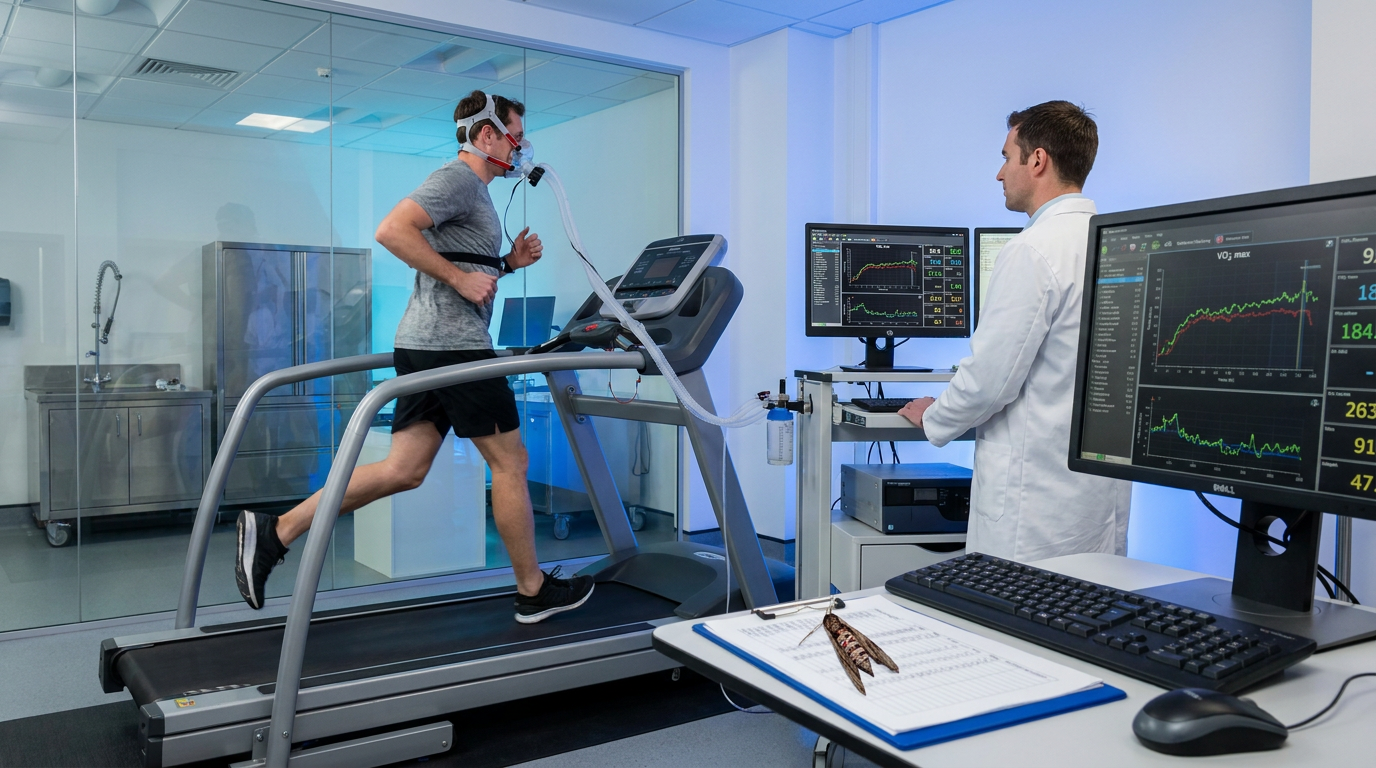
At the forefront of this paradigm shift is VO2 max, the maximum rate at which the cardiovascular and respiratory systems can deliver oxygen to muscles during maximal effort. Once reserved for elite endurance athletes and laboratory settings, VO2 max is now recognized by clinical organizations as a vital sign that encapsulates the efficiency of the heart, lungs, and cellular mitochondria in a single, quantifiable number.[6]
The epidemiological evidence supporting VO2 max is staggering in its scale. In a landmark retrospective study published in JAMA Network Open, researchers at the Cleveland Clinic analyzed data from over 122,000 adults who underwent exercise treadmill testing. The findings were unequivocal: cardiorespiratory fitness was a more powerful predictor of mortality than traditional risk factors like smoking, hypertension, and type 2 diabetes. The sheer volume of data allowed researchers to isolate fitness from other variables, revealing that the capacity to utilize oxygen efficiently is perhaps the single most critical determinant of human survival.[1]

The Cleveland Clinic researchers found that individuals in the lowest fitness quartile faced a dramatically higher risk of death compared to their highly fit peers. In fact, those in the top 2.5 percent of fitness—categorized as "elite"—demonstrated an approximately 80 percent lower mortality risk compared to the lowest performers. Crucially, the researchers noted that there does not appear to be an upper limit to this benefit; unlike some health interventions, higher aerobic capacity consistently correlated with greater longevity without diminishing returns.[1]
This was corroborated by a massive study in the Journal of the American College of Cardiology, which tracked over 750,000 U.S. veterans. The researchers discovered a clear dose-response relationship: every 1-MET (metabolic equivalent) increase in exercise capacity—roughly equivalent to a 3.5 ml/kg/min increase in VO2 max—was associated with a 13 to 15 percent reduction in mortality risk. This protective effect held true regardless of the patient's age, sex, BMI, or baseline comorbidities, proving that improving fitness is universally beneficial.[2]
While VO2 max measures the body's aerobic engine, a remarkably simple test has emerged as the ultimate proxy for musculoskeletal aging: handgrip strength. Measured with a handheld dynamometer, grip strength is increasingly viewed by clinical gerontologists as a window into overall neuromuscular integrity. It requires no specialized laboratory equipment, yet it provides a highly accurate snapshot of a patient's total body strength, bone mineral density, and resilience to oxidative stress.[3][5]
The most compelling evidence for grip strength comes from the Prospective Urban Rural Epidemiology (PURE) study, published in The Lancet. Tracking nearly 140,000 adults across 17 countries, the study revealed that every 5-kilogram decrease in grip strength was associated with a 16 percent higher risk of all-cause mortality. The association remained statistically significant even after adjusting for age, education, physical activity, and alcohol consumption.[3]
The most compelling evidence for grip strength comes from the Prospective Urban Rural Epidemiology (PURE) study, published in The Lancet.
Strikingly, the PURE study found that grip strength was a more accurate predictor of cardiovascular mortality than systolic blood pressure. A weak handshake is no longer seen merely as a sign of frailty, but as an early-warning biomarker for cellular aging and potential cardiovascular vulnerability. Researchers believe that the nervous system's ability to recruit muscle fibers forcefully is deeply intertwined with the overall health of the brain and vascular system.[3]

The predictive power of grip strength is tied to the broader role of skeletal muscle in the human body. Far from being just structural tissue used for locomotion, skeletal muscle is now understood to be the body's largest endocrine organ and a critical metabolic sink. Preserving this tissue is essential for protecting the cellular and blood integrity of the organism over the long term.[6][7]
When muscles contract, they release hundreds of signaling proteins known as myokines into the bloodstream. These myokines communicate directly with the brain, liver, and adipose tissue, helping to regulate systemic inflammation and metabolic homeostasis. A reduction in muscle mass directly diminishes the body's ability to produce these protective anti-inflammatory molecules, accelerating the biological aging process.[6]
Furthermore, muscle tissue is the primary site for glucose disposal in the human body. A robust muscular system acts as a massive sponge for blood sugar, drastically reducing the risk of insulin resistance and type 2 diabetes. As muscle mass naturally declines with age—a progressive condition known as sarcopenia—this vital metabolic buffer shrinks. Without sufficient muscle tissue to absorb circulating glucose, the body is forced to rely on increased insulin production, which drives chronic metabolic dysfunction.[4][7]
The importance of preserving this tissue was highlighted in a comprehensive analysis of the National Health and Nutrition Examination Survey (NHANES III), published in the American Journal of Medicine. Researchers from UCLA examined older adults and found that overall body composition was a far better predictor of survival than BMI. Because BMI cannot distinguish between fat and metabolically active muscle, it often misclassifies healthy, muscular individuals as overweight while ignoring the severe risks of low muscle mass in thin individuals.[4]
By measuring subjects' muscle mass index—the amount of muscle relative to height, determined via bioelectrical impedance—the UCLA team found that individuals in the highest quartile of muscle mass had a 30 percent relative reduction in all-cause mortality compared to those in the lowest quartile. The researchers concluded that clinicians should focus on improving body composition and preserving lean tissue rather than merely counseling older patients on weight loss.[4]

Despite the overwhelming observational data, researchers are careful to highlight the inherent uncertainty in these epidemiological studies. The primary limitation is the difficulty in proving direct causation. While high VO2 max and robust muscle mass are strongly correlated with longer life, it is challenging to separate these metrics from the overall healthy lifestyles of the people who possess them.[6]
For instance, individuals with high cardiorespiratory fitness are generally more likely to eat well, avoid smoking, and maintain healthy sleep habits. Some genetic studies have even suggested that genetically predicted VO2 max does not show the same strong association with longevity, implying that the lifestyle behaviors required to build fitness—the daily training, the recovery, the discipline—may be the true drivers of healthspan rather than the metric itself.[6]
Additionally, many large-scale studies rely on estimated VO2 max derived from treadmill time rather than direct gas-exchange measurements. In clinical populations, poor treadmill performance often reflects underlying, undiagnosed disease—such as early-stage heart disease or respiratory issues—rather than just a lack of aerobic training, which can artificially inflate the apparent mortality risk of low fitness.[1][6]
Nevertheless, the biological plausibility of the mechanisms—improved mitochondrial function, enhanced glucose disposal, and reduced systemic inflammation—strongly supports a causal role for exercise in extending healthspan. The consensus remains that building an aerobic base and preserving lean tissue is a vital multi-decade investment that fundamentally alters the trajectory of aging.[6][8]

For the general public, this evidence pack offers a highly actionable takeaway. The goal is not necessarily to become an elite athlete, but to aggressively avoid the bottom quartiles of fitness and strength. By treating VO2 max and muscle mass as modifiable vital signs, individuals can actively shape their biological resilience, preserving both the length and the functional quality of their lives.[6]
Viewpoints in depth
Longevity Researchers
Focus on maximizing physiological capacity early in life to create a buffer against age-related decline.
This camp argues that average fitness is insufficient for optimal aging. By pushing VO2 max into the top percentiles during middle age, individuals create a 'physiological reserve.' Even as natural age-related decline occurs, this reserve ensures that an 80-year-old retains enough aerobic capacity to live independently, avoid chronic disease, and recover rapidly from physical stressors.
Clinical Gerontologists
Emphasize functional independence, fall prevention, and the preservation of lean tissue in older populations.
Gerontologists focus heavily on sarcopenia and frailty as the primary drivers of late-life mortality. From this perspective, metrics like grip strength and muscle mass index are critical because they directly correlate with a patient's ability to recover from illness, maintain mobility, and avoid catastrophic falls, which are a leading cause of death and loss of independence in the elderly.
Public Health Officials
Prioritize broad, population-level increases in baseline physical activity rather than elite metrics.
Public health experts emphasize that the steepest drop in mortality risk occurs when moving from the lowest fitness quartile to the second-lowest. Therefore, their primary goal is getting sedentary populations moving. They caution that focusing too heavily on 'elite' VO2 max targets can discourage the general public, arguing that even moderate, consistent activity yields massive health dividends across populations.
What we don't know
- Whether high VO2 max directly causes longer life, or if it is primarily a marker for a constellation of other healthy lifestyle behaviors.
- The exact degree to which genetic predispositions influence an individual's baseline VO2 max and their response to aerobic training.
- How emerging 'age-acceleration clocks' based on DNA methylation will ultimately integrate with physical biomarkers in standard clinical practice.
Key terms
- VO2 max
- The maximum rate at which the cardiovascular and respiratory systems can deliver oxygen to muscles during maximal effort.
- Sarcopenia
- The progressive, age-related loss of skeletal muscle mass, strength, and function.
- Myokines
- Small signaling proteins released by muscle fibers during contraction that help regulate metabolism and inflammation.
- MET (Metabolic Equivalent)
- A unit used to estimate the metabolic cost of physical activity, where 1 MET equals the energy expended while sitting quietly.
- Dynamometer
- A handheld device used to precisely measure grip strength.
Frequently asked
Can I improve my VO2 max at any age?
Yes. While VO2 max naturally declines with age, studies show that structured aerobic training can significantly improve cardiovascular fitness and reduce mortality risk in older adults.
Is grip strength training enough to live longer?
No. Grip strength is a proxy for overall neuromuscular health and total body muscle mass. Simply training your hands will not provide the systemic metabolic benefits of full-body resistance training.
Why is muscle mass better than BMI for predicting health?
BMI only measures total weight relative to height, failing to distinguish between fat and muscle. Muscle mass index specifically accounts for metabolically active tissue that helps regulate blood sugar and prevent frailty.
Sources
Source coverage
8 outlets
3 viewpoints surfaced








[1]JAMA Network OpenLongevity Researchers
Association of Cardiorespiratory Fitness With Long-term Mortality Among Adults Undergoing Exercise Treadmill Testing
Read on JAMA Network Open →[2]Journal of the American College of CardiologyLongevity Researchers
Cardiorespiratory Fitness and Mortality Risk Across the Spectrum of Age, Race, and Sex
Read on Journal of the American College of Cardiology →[3]The LancetClinical Gerontologists
Prognostic value of grip strength: findings from the Prospective Urban Rural Epidemiology (PURE) study
Read on The Lancet →[4]American Journal of MedicineClinical Gerontologists
Muscle Mass Index As a Predictor of Longevity in Older Adults
Read on American Journal of Medicine →[5]Clinical Interventions in AgingClinical Gerontologists
Muscular strength as a predictor of all-cause mortality in an apparently healthy population
Read on Clinical Interventions in Aging →[6]Factlen Editorial TeamLongevity Researchers
Synthesis by Factlen editorial team
Read on Factlen Editorial Team →[7]National Institutes of HealthPublic Health Officials
Skeletal Muscle Mass and All-Cause Mortality
Read on National Institutes of Health →[8]Mayo Clinic ProceedingsPublic Health Officials
Cardiorespiratory Fitness and All-Cause Mortality
Read on Mayo Clinic Proceedings →

More in health
See all 9 stories →Dementia Research
The Shingles Vaccine Is Emerging as a Powerful Shield Against Dementia
7 sources

Exercise Mimetics
The Science of 'Exercise in a Pill': How New Longevity Drugs Mimic Physical Activity
7 sources

Brain Health
How Deep Sleep Washes the Brain: The Science of the Glymphatic System
7 sources

Longevity Science
The Postbiotic Promise: How Urolithin A Recycles Aging Cells
6 sources

Every angle. Every day.
Get health stories with full source coverage and perspective breakdowns delivered to your inbox.