
AI System Discovers Seven Novel Antibiotics in 18 Hours, Targeting Drug-Resistant Superbugs
Researchers have used an advanced artificial intelligence system to identify seven new antibiotic compounds capable of defeating MRSA in just 18 hours. The breakthrough promises to revitalize the stagnant drug pipeline and combat the growing global crisis of antimicrobial resistance.
By Logan Price
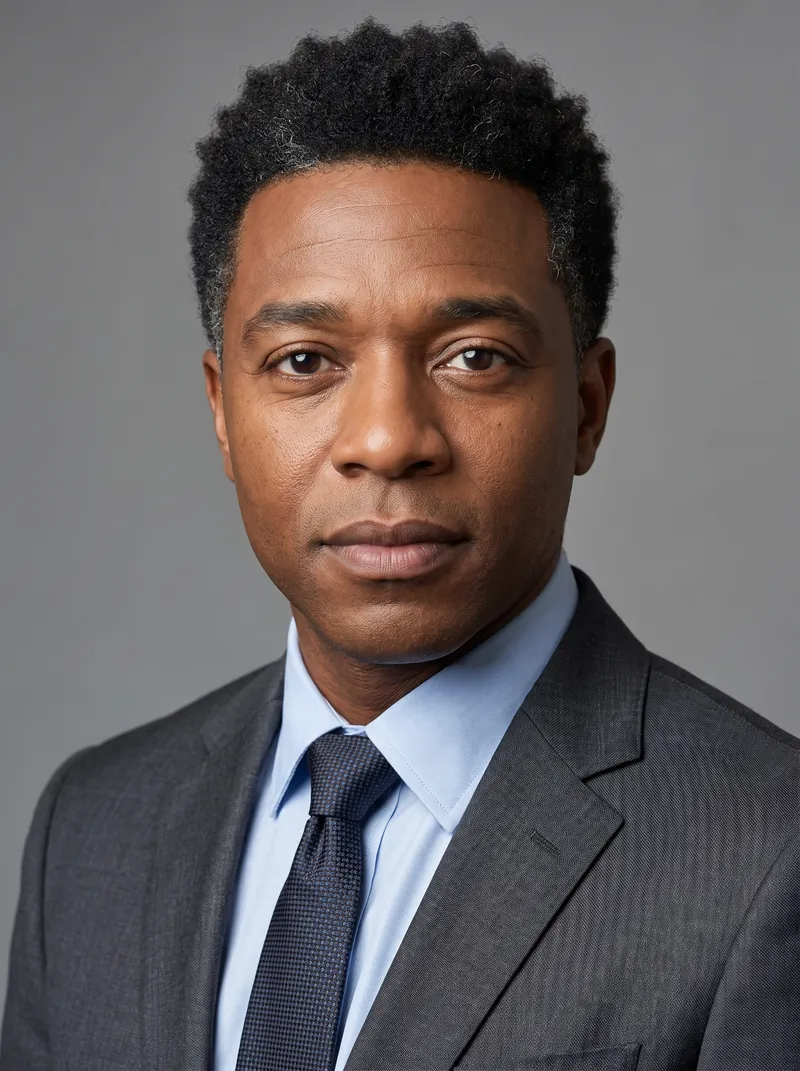
In what is being hailed as a watershed moment for modern medicine, a coalition of researchers from MIT, Harvard University, and major pharmaceutical partners announced Monday that an artificial intelligence system has successfully identified seven novel antibiotic compounds in just 18 hours. The breakthrough, which targets some of the world's most lethal drug-resistant bacteria, compresses a discovery phase that traditionally takes years into less than a single day.[1]
The AI system, dubbed DrugFinder AI, represents a paradigm shift in how science approaches the growing crisis of antimicrobial resistance. By leveraging advanced deep learning algorithms and molecular modeling, the system screened millions of chemical structures to find molecules capable of defeating methicillin-resistant Staphylococcus aureus (MRSA) and other highly adaptable superbugs.
The speed of the discovery is unprecedented in pharmacological history. Traditional antibiotic discovery is a painstaking process of physical trial and error that can take up to 15 years and cost upwards of $2 billion per drug. In stark contrast, DrugFinder AI required only 18 hours of compute time to output seven highly promising candidates that are entirely distinct from existing classes of antibiotics.[3]
The stakes for this technology could not be higher. Public health officials have long warned of a looming "post-antibiotic era" driven by the rapid evolution of drug-resistant pathogens. Currently, antimicrobial resistance is directly responsible for an estimated 1.2 million deaths globally each year, a figure that the World Health Organization projects could rise to 10 million by 2050 if the pipeline for new drugs remains stagnant.
For decades, that pipeline has been effectively dry. The pharmaceutical industry largely abandoned antibiotic research in the late 20th century, citing the immense cost of development and the low return on investment for drugs that are prescribed for only a few days. Artificial intelligence is fundamentally altering those economics by drastically reducing the upfront cost and time required for discovery.[2][3]
To find these new compounds, DrugFinder AI was trained on massive datasets containing the molecular structures of known antibiotics, the genetic vulnerabilities of target bacteria, and vast libraries of human cell data. The system does not merely look for molecules that kill bacteria; it simultaneously predicts whether a compound will be toxic to human liver, lung, or skeletal muscle cells, filtering out dangerous options immediately.
The sheer scale of the search space the AI navigates is staggering. Chemists estimate there are roughly 10 to the 60th power possible drug-like molecules—more than the number of atoms in the observable universe. Human researchers can only explore a microscopic fraction of this chemical universe in physical labs, but AI can systematically navigate it mathematically, identifying patterns and structural combinations that human intuition would miss.
Among the seven compounds identified, one tentatively named AIACK-7 has generated particular excitement among microbiologists. In initial laboratory testing, researchers repeatedly exposed MRSA bacteria to sub-lethal doses of AIACK-7 to see if the pathogen would mutate and develop resistance. Remarkably, the bacteria showed profound difficulty adapting to the drug's novel mechanism of action, remaining vulnerable even after prolonged exposure.[3]
The success of DrugFinder AI builds upon earlier foundational work in the field, including MIT's 2020 discovery of the antibiotic Halicin and the University of Pennsylvania's recent use of AI to mine the DNA of ancient, extinct microbes for antimicrobial peptides. However, the new system's speed, accuracy, and ability to generate multiple viable candidates simultaneously mark a significant leap forward in capability.
The pharmaceutical industry is already reacting to the shifting landscape. Recognizing the potential to revitalize their antimicrobial portfolios without the traditional financial risks, major drugmakers are pouring capital into AI partnerships. Pfizer recently committed $500 million to AI-powered antibiotic research, while Johnson & Johnson is developing proprietary in-house platforms specifically tailored for antimicrobials.[2][3]
Regulatory agencies are also adapting to the rapid pace of AI-driven discovery. The U.S. Food and Drug Administration (FDA) has signaled its intent to utilize fast-track approval pathways for AI-discovered antibiotics, acknowledging the urgent public health need. Regulators are working closely with data scientists to establish new frameworks for validating the safety and efficacy of computer-generated molecules.[2]
Despite the widespread optimism, researchers caution that discovering a molecule is only the first step in a long journey. The seven compounds must now undergo rigorous preclinical safety testing in animal models before they can be administered to humans in Phase 1 clinical trials. AI cannot bypass the biological reality of clinical testing, though it can help optimize trial design and predict potential side effects.[1]
If the clinical trials proceed without major setbacks, the first of these AI-discovered antibiotics could reach patients by late 2028. That timeline, while still years away, represents a massive acceleration compared to the historical average, offering a tangible lifeline in the race against superbugs.[3]
Beyond antibiotics, the underlying architecture of DrugFinder AI is already being adapted for other therapeutic areas. Researchers are exploring how similar deep learning models could be used to identify novel treatments for rare genetic disorders, aggressive cancers, and neurodegenerative diseases that have long defied traditional pharmacology.[1]
Ultimately, the events of this week demonstrate that artificial intelligence is moving out of the realm of theoretical promise and into the delivery of concrete, life-saving medical breakthroughs. By mapping the dark matter of the chemical universe, AI is arming humanity with a powerful new arsenal in one of its oldest biological wars.[1]
Key points
- An AI system identified seven new antibiotic compounds capable of killing MRSA in just 18 hours.
- The system screened millions of molecules, predicting both bacterial lethality and human toxicity.
- One promising compound, AIACK-7, showed remarkable ability to prevent bacteria from developing resistance in lab tests.
- The breakthrough dramatically reduces the cost and time of traditional drug discovery.
What we don’t know
- Whether the seven identified compounds will prove safe for human consumption during Phase 1 clinical trials.
- How quickly the bacteria might eventually evolve resistance to these new mechanisms in a real-world clinical setting.
- The final retail cost of these AI-discovered drugs if they successfully reach the consumer market.
How we got here
Late 20th Century
Pharmaceutical companies largely abandon antibiotic research due to high costs and low profitability.
February 2020
MIT researchers use AI to discover Halicin, one of the first antibiotics identified entirely by machine learning.
August 2025
Researchers successfully use AI to mine the DNA of extinct ancient microbes for new antimicrobial peptides.
Early 2026
Major pharmaceutical companies, including Pfizer, announce massive new investments in AI-driven drug discovery platforms.
June 15, 2026
A coalition of researchers announces the discovery of seven novel antibiotic compounds in just 18 hours using DrugFinder AI.
- Biomedical Researchers
- Focus on the unprecedented speed and scale of exploring the chemical universe using deep learning.
- Public Health Officials
- Focus on the urgent need to combat antimicrobial resistance and the hope these new compounds bring.
- Pharmaceutical Industry
- Focus on the economic efficiency and the revitalization of the stagnant antibiotic pipeline.
- Regulatory Agencies
- Focus on adapting clinical trial frameworks and ensuring rigorous safety testing for AI-generated molecules.
Perspectives this story doesn't cover
- Patient advocacy groups for rare infectious diseases
- Healthcare providers in developing nations facing severe antibiotic shortages
Sources
Source coverage
3 outlets
4 viewpoints surfaced



- [1]ReutersRegulatory Agencies
MIT and Harvard researchers unveil AI system that discovers 7 antibiotics in 18 hours
Read on Reuters → - [2]The Wall Street JournalPharmaceutical Industry
Pharma giants pivot back to antibiotics as AI slashes discovery costs
Read on The Wall Street Journal → - [3]AI PulsePharmaceutical Industry
AI Discovers New Antibiotics in Record Time - Medical Revolution
Read on AI Pulse →
More in Artificial Intelligence
See all →Open-Source AI
Mistral AI Releases One-Trillion-Parameter Open-Weight Model Large 4
4 sources

Model Compression
How Per-Channel Outlier Scaling Protects AI Models From 4-Bit Accuracy Collapse
7 sources
AI Regulation
UK Adopts Lifecycle Regulation to Continuously Monitor AI Medical Devices Across NHS
5 sources

Orbital Computing
Google Launches First Project Suncatcher Satellite to Test In-Orbit AI Computing
5 sources

Comments
Every angle. Every day.
Get Artificial Intelligence stories with full source coverage and perspective breakdowns, free every day.