
Women's T20 World Cup 2026 Power Rankings: Who Leads the Pack Heading Into England
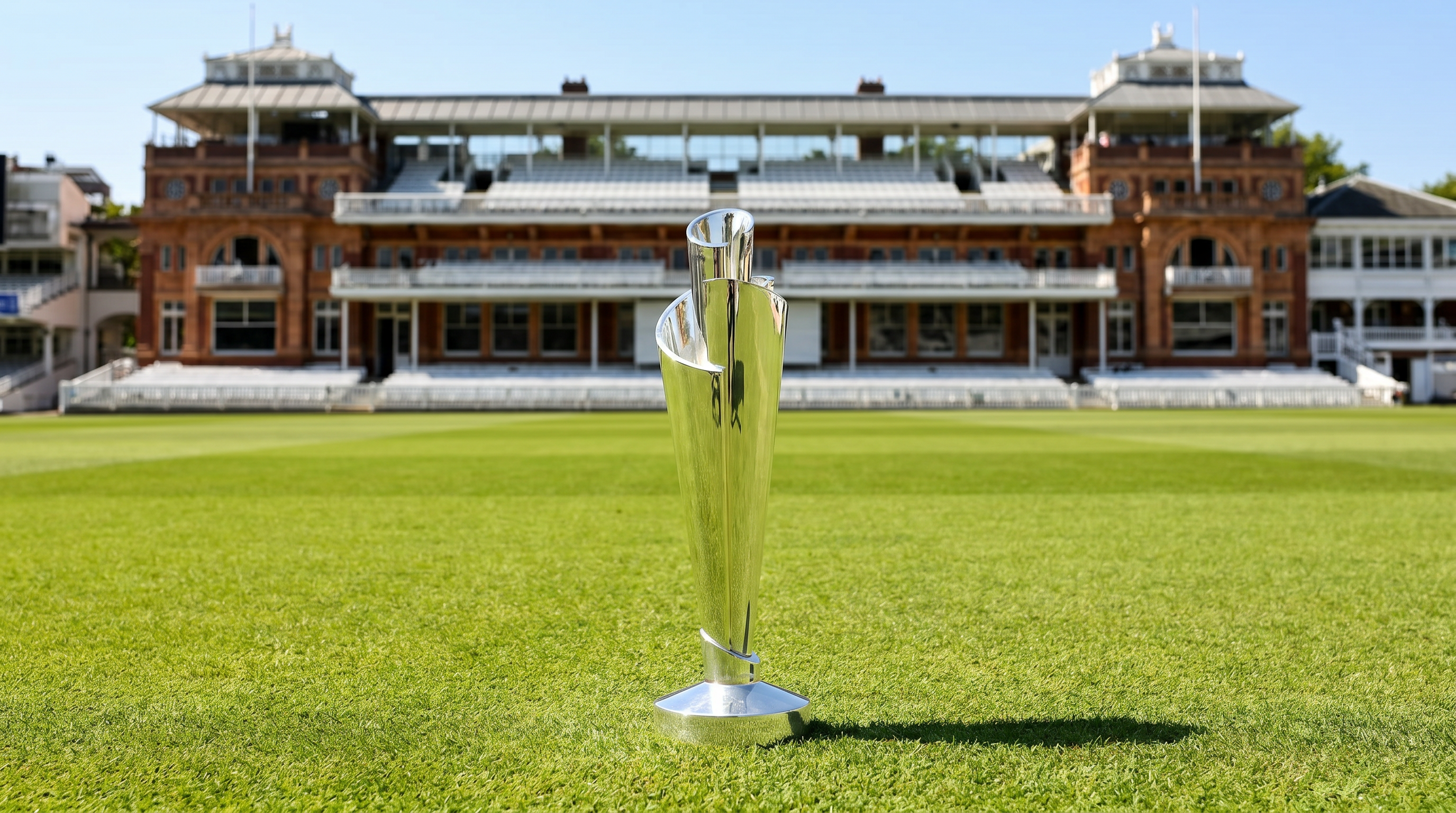
As the expanded 12-team ICC Women's T20 World Cup prepares to bowl off in England, defending champions New Zealand, hosts England, and six-time winners Australia top the global power rankings.
By Factlen Editorial Team
- The Juggernaut Believers
- Confident that the 2024 semi-final exit was a blip and the six-time champions will reclaim their crown.
- Host Nation Optimists
- Believe home advantage and recent form will bring the trophy back to England for the first time since 2009.
- Defending Champion Loyalists
- Backing the White Ferns to repeat their historic 2024 UAE triumph in English conditions.
- The Breakthrough Hopefuls
- Backing teams that have come agonizingly close to finally break the glass ceiling and secure a maiden title.
- Neutral Analysts
- Emphasizing the closing gap between teams and predicting the most open, unpredictable tournament in history.
What's not represented
- · Players from emerging associate nations who narrowly failed to qualify for the expanded 12-team tournament.
- · Domestic league organizers balancing their franchise schedules against the expanding international calendar.
Why this matters
The 2026 tournament marks a historic expansion to 12 teams, reflecting massive global investment in women's sports. For fans, it promises the most competitive, unpredictable cricket World Cup in a decade, accessible via unprecedented free-to-air broadcasts.
Key points
- The 2026 ICC Women's T20 World Cup expands to 12 teams, running from June 12 to July 5 in England and Wales.
- Australia tops the power rankings, seeking redemption after a shock semi-final exit in the 2024 tournament.
- Hosts England rank second, heavily backed to leverage home conditions and record-breaking crowd support.
- Defending champions New Zealand rank third, looking to prove their 2024 victory in Dubai was no fluke.
- South Africa and India round out the top five, both hunting for their elusive maiden senior world title.
- The Netherlands will make their historic tournament debut, marking a milestone for the sport's global expansion.
The wait is almost over. On June 12, the tenth edition of the ICC Women's T20 World Cup will commence in England and Wales, marking a historic milestone for the global game. For the first time in the tournament's history, the field has expanded from ten to twelve nations, reflecting the rapid growth, increased investment, and professionalization of women's cricket worldwide. Over the next three weeks, these teams will contest 33 matches, navigating a grueling group stage before the knockout rounds determine who will lift the trophy on July 5. The expansion not only provides a vital platform for emerging cricketing nations but also guarantees a more unpredictable path to the final, as the traditional heavyweights must now navigate a wider array of tactical challenges.[1][2]
The tournament will be hosted across seven iconic British venues, including Lord's, Edgbaston, and The Oval, bringing the pinnacle of the women's game to some of the most historic grounds in world sport. Broadcasters are anticipating record-breaking viewership figures, with networks like Sky Sports and the BBC offering unprecedented free-to-air coverage for key matches to capitalize on the surging popularity of women's sports in the United Kingdom. This level of visibility is expected to drive the next wave of grassroots participation across Europe, ensuring that the impact of the 2026 World Cup extends far beyond the boundary rope. For the players, the opportunity to compete in front of packed, vocal English crowds adds an electrifying dimension to the competition.[2][3]
The landscape of international women's cricket has shifted dramatically since the previous edition. In October 2024, New Zealand shattered the established global hierarchy by defeating South Africa by 32 runs in Dubai, claiming their maiden T20 World Cup title. That historic victory ended Australia's suffocating stranglehold on the trophy and proved that the gap between the dominant forces and the chasing pack had finally closed. Amelia Kerr's heroics in that final are still fresh in the minds of analysts, setting a new benchmark for all-round excellence. As teams finalize their preparations in warm-up fixtures this week, the power dynamics are more fluid than ever. The aura of invincibility that once surrounded a single nation has been replaced by a genuine multi-team race.[4][5]

Despite their shock semi-final exit in 2024, Australia reclaims the number one spot in the pre-tournament power rankings. The six-time champions possess unmatched roster depth, a ruthless domestic structure, and a burning desire to avenge their stumble in the United Arab Emirates. Australian media and team management have spent the last two years recalibrating their aggressive approach, ensuring their batting lineup is better equipped to handle high-pressure run chases. Analysts across the globe agree that writing off the Southern Stars is a fool's errand; their squad is packed with generational talents who have routinely dominated in English conditions during bilateral series. While they no longer hold the trophy, Australia remains the ultimate measuring stick for every other nation in the tournament.[4][6]
Hot on their heels are the hosts, England, ranked second and riding a massive wave of home support. Women's team sports in the UK have experienced a cultural renaissance, with record-breaking crowds becoming the new normal for the national sides. The England and Wales Cricket Board is banking on packed stadiums to provide a crucial psychological edge. England won the inaugural T20 World Cup on home soil back in 2009, and the narrative of a triumphant, full-circle return is dominating local sports pages. Led by a core of veteran match-winners and exciting young pace bowlers, England's squad is tailor-made to exploit the swinging, seaming conditions typical of early-summer British pitches.[2][3]

Hot on their heels are the hosts, England, ranked second and riding a massive wave of home support.
The defending champions, New Zealand, sit comfortably in third place. The White Ferns proved in 2024 that they possess the tactical acumen and big-match temperament required to navigate a high-stakes World Cup campaign. With veteran stars and dynamic all-rounders in peak form, New Zealand enters the tournament not as plucky underdogs, but as proven winners who know exactly how to close out tight matches. While some critics question whether their core can replicate the magic of Dubai in vastly different English conditions, the team's internal belief has never been higher. They have spent the last two years refining their bowling attack, which could prove surprisingly effective if the UK summer produces dry wickets in the latter stages of the tournament.[4][5]
South Africa occupies the fourth spot, carrying the heavy emotional weight of back-to-back final defeats in 2023 and 2024. The Proteas have consistently demonstrated that they are one of the most formidable, disciplined bowling units in world cricket, capable of suffocating even the most explosive batting lineups. However, their campaign will once again hinge on their ability to handle the immense pressure of knockout cricket. The question for South Africa is no longer whether they have the talent to reach the grandest stage, but whether their batters can finally clear the ultimate psychological hurdle to lift the trophy. If their top order can consistently post competitive totals, their world-class pace attack is more than capable of defending them.[4][5]

Rounding out the top five is India, a team that perpetually teeters on the edge of global dominance. Under the guidance of coach Amol Muzumdar, the squad boasts a lethal combination of explosive top-order batting and crafty, varied spin bowling. While they have historically struggled to close out high-pressure knockout matches, their recent bilateral form suggests a maturing squad that is learning how to win ugly. The Indian camp is acutely aware that securing a maiden senior women's world title would trigger a seismic shift in the sport's commercial landscape back home, adding an extra layer of motivation to their campaign.[1][7]
Beyond the top five, the expanded format introduces fascinating subplots that could disrupt the entire tournament. The West Indies and Sri Lanka remain dangerous floaters capable of upsetting any top-tier side on their day, relying on individual brilliance and fearless ball-striking to swing matches in an instant. Both teams have the firepower to chase down massive totals, making them the ultimate wildcard draws in the group stages. Meanwhile, the Netherlands' historic debut, alongside a returning Scottish side, serves as a massive milestone for the global growth of the women's game. Their presence ensures that the 2026 edition will be remembered as a watershed moment for the sport's expansion into non-traditional markets.[1][2]

As the first ball approaches at Edgbaston, the 2026 Women's T20 World Cup promises to be the most competitive and widely watched edition in history. The gap between the traditional heavyweights and the chasing pack has never been narrower, setting the stage for a month of spectacular, unpredictable cricket. Whether Australia reclaims their crown, England triumphs at home, New Zealand defends their title, or a new champion emerges, the true winner will be the global women's game, which has firmly established itself as a premier sporting spectacle.[3][4]
How we got here
2009
England hosts and wins the inaugural ICC Women's T20 World Cup.
2010–2023
Australia establishes a dynasty, winning six of the next seven T20 World Cup titles.
Oct 2024
New Zealand defeats South Africa in Dubai to claim their maiden T20 World Cup, ending Australia's streak.
Apr 2026
The ICC confirms the expansion of the tournament to 12 teams, with the Netherlands qualifying for the first time.
Jun 12, 2026
The 2026 ICC Women's T20 World Cup officially begins at Edgbaston.
Viewpoints in depth
The Australian Redemption Camp
Believes the six-time champions are primed to reclaim their crown.
Australian media and team management view the 2024 semi-final exit as an anomaly rather than a decline. This camp argues that Australia's domestic structure, particularly the WBBL, continues to produce unmatched depth. They point to the squad's aggressive recalibration over the past two years as evidence that the Southern Stars have adapted to the rising global standard and are ready to reassert their dominance.
The Home Advantage Believers
Argues that England's familiarity with local conditions makes them the team to beat.
English analysts and supporters emphasize the massive psychological and tactical benefits of playing on home soil. They argue that England's pace attack is uniquely suited to exploit early-summer swinging conditions at venues like Lord's and Edgbaston. Furthermore, they believe the unprecedented crowd support will elevate the hosts, replicating the magic of their 2009 inaugural victory.
The Parity Advocates
Maintains that the era of single-team dominance is permanently over.
Global cricket analysts point to New Zealand's 2024 triumph and the expansion to 12 teams as proof that the women's game has achieved true parity. This viewpoint argues that the gap in fitness, tactical analysis, and ball-striking power has closed across the board. They predict that the 2026 tournament will be decided by narrow margins and individual brilliance on the day, rather than historical pedigree.
What we don't know
- How the unpredictable early-summer English weather will impact pitch conditions and match results.
- Whether the debutant Netherlands squad can secure an upset victory against a traditional powerhouse.
- If the expanded 12-team format will lead to more competitive group stages or highlight the gap between top and bottom tiers.
Key terms
- T20 International (T20I)
- A short, fast-paced format of cricket where each team bats for a maximum of 20 overs (120 legal deliveries).
- Powerplay
- The first six overs of a T20 innings where fielding restrictions are in place, encouraging batters to score quickly.
- Seaming conditions
- Pitch conditions, common in England, that cause the ball to deviate off the pitch, making it harder for batters to hit.
- White Ferns
- The official nickname of the New Zealand women's national cricket team.
- Southern Stars
- The popular nickname for the Australian women's national cricket team.
Frequently asked
When and where is the 2026 Women's T20 World Cup?
The tournament takes place from June 12 to July 5, 2026, across seven venues in England and Wales, including Lord's and Edgbaston.
Who is the defending champion?
New Zealand is the defending champion, having won their maiden title in 2024 by defeating South Africa in the United Arab Emirates.
How many teams are competing?
For the first time, 12 teams are competing in the tournament, an expansion from the previous 10-team format.
Which team has won the most T20 World Cups?
Australia is the most successful nation in the tournament's history, having won the title six times.
Sources
Source coverage
7 outlets
5 viewpoints surfaced







[1]ICC OfficialNeutral Analysts
ICC Women's T20 World Cup 2026: Squads and Fixtures
Read on ICC Official →[2]BBC SportHost Nation Optimists
Women's T20 World Cup 2026: England prepares to host expanded tournament
Read on BBC Sport →[3]Sky SportsHost Nation Optimists
How to watch the 2026 ICC Women's T20 World Cup live
Read on Sky Sports →[4]ESPNcricinfoNeutral Analysts
Power Rankings: Who leads the pack ahead of the 2026 Women's T20 World Cup?
Read on ESPNcricinfo →[5]The New Zealand HeraldDefending Champion Loyalists
White Ferns ready to defend T20 World Cup crown in England
Read on The New Zealand Herald →[6]Fox Sports AustraliaThe Juggernaut Believers
Aussies out for redemption in 2026 T20 World Cup
Read on Fox Sports Australia →[7]The Times of IndiaThe Breakthrough Hopefuls
India's quest for elusive ICC title begins in England
Read on The Times of India →

More in sports
See all 13 stories →Olympic Sustainability
How the LA 2028 Olympics Will Run Entirely on Existing Stadiums
0 sources

NBA Finals
New York Knicks Win 2026 NBA Finals, Ending 53-Year Championship Drought
0 sources

NBA Finals
New York Knicks Capture First NBA Championship Since 1973
0 sources

Hockey Strategy
How the PWHL's 'Jailbreak' and 'No Escape' Rules Are Rewriting Hockey Strategy
0 sources

Every angle. Every day.
Get sports stories with full source coverage and perspective breakdowns delivered to your inbox.