
US-Iran Peace Deal on the Brink as Intelligence Warns Israeli Operations in Lebanon Could Derail Accord
A newly signed memorandum of understanding between Washington and Tehran is facing severe strain as U.S. intelligence warns that Israel's continued military campaign against Hezbollah in Lebanon threatens to collapse the fragile agreement.
By Factlen Editorial Team
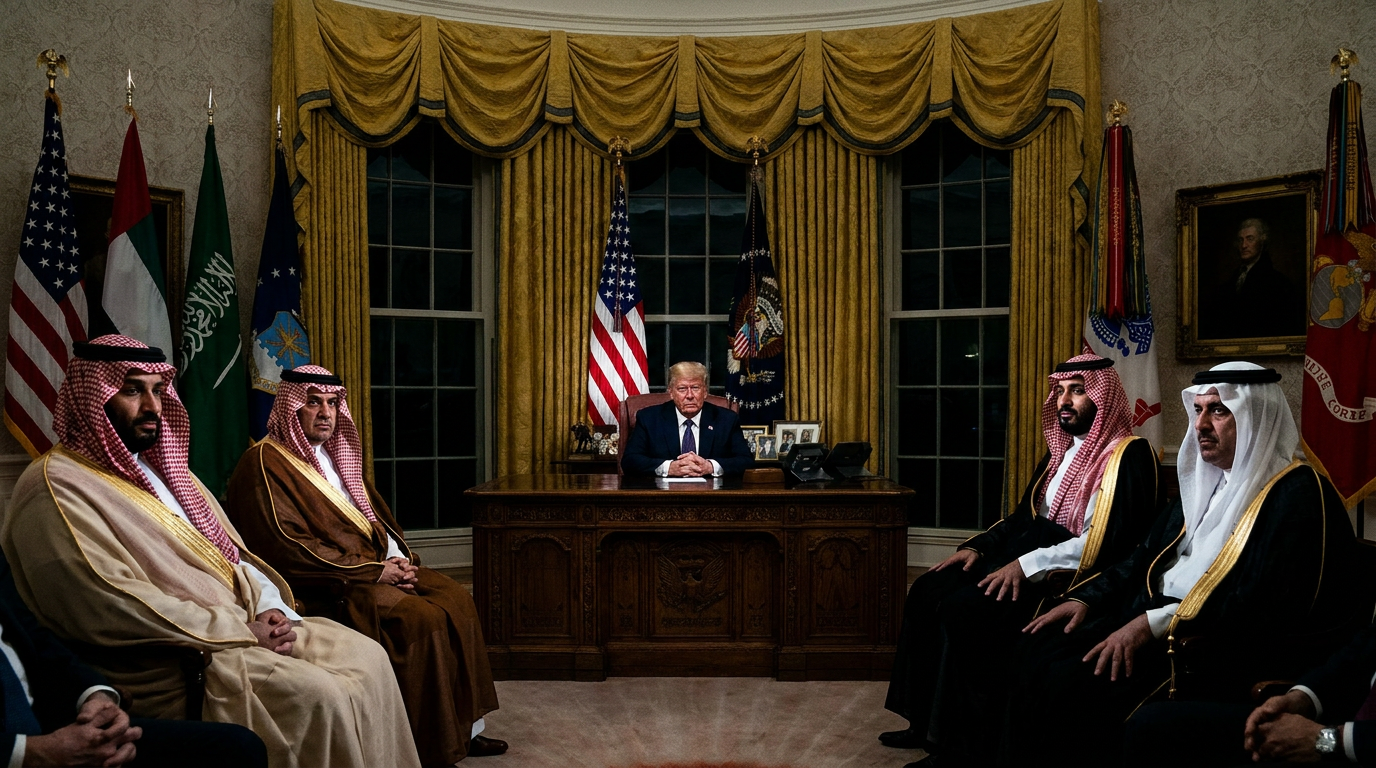
- US Administration
- Prioritizes securing the broader U.S.-Iran peace deal and reopening the Strait of Hormuz, warning allies against actions that could reignite the conflict.
- Israeli Security Establishment
- Views the U.S.-Iran deal as a constraint on its right to self-defense and insists on neutralizing Hezbollah threats in southern Lebanon.
- Iranian Leadership
- Demands a complete cessation of Israeli military operations in Lebanon as a non-negotiable prerequisite for advancing nuclear talks.
What's not represented
- · Lebanese Civilians
- · Global Energy Markets
Why this matters
The survival of the U.S.-Iran deal is critical to preventing a wider Middle East war and keeping the Strait of Hormuz open, a vital artery for global energy markets that directly impacts fuel prices worldwide.
Key points
- U.S. intelligence warns that Israel's continued military operations in Lebanon could derail the U.S.-Iran peace deal.
- The U.S.-Iran memorandum requires a cessation of hostilities on all fronts, including Lebanon.
- Israel insists on maintaining a buffer zone in southern Lebanon to defend against Hezbollah.
- Renewed clashes forced the postponement of follow-up negotiations in Switzerland.
- A fragile, renewed ceasefire between Israel and Hezbollah was announced late Friday.
A fragile new peace agreement between the United States and Iran is facing an immediate and severe stress test, as ongoing fighting in southern Lebanon threatens to unravel months of high-stakes diplomacy.[1][5]
U.S. intelligence agencies have circulated a stark warning to the Trump administration: Israeli Prime Minister Benjamin Netanyahu is likely to continue military operations against Hezbollah in Lebanon, a move that directly undermines the core framework of the U.S.-Iran accord.[1][2]
The intelligence assessment concludes that Netanyahu's political survival ahead of fall elections is heavily tied to maintaining a firm stance against Hezbollah. Consequently, Israel appears determined to keep its forces in southern Lebanon, defying the terms of the newly signed memorandum of understanding.[1][7]
The U.S.-Iran deal, finalized earlier this week with mediation from Pakistan and Qatar, aims to formally end the "2026 Iran war." It includes provisions to lift the U.S. naval blockade, reopen the critical Strait of Hormuz, and initiate a 60-day window for broader nuclear negotiations.[4][5]

However, a central pillar of the agreement requires an immediate and permanent cessation of military operations on all fronts, explicitly including Lebanon. Iranian officials have made it clear that they will not proceed with the deal if Israel continues its strikes against Hezbollah.[3][4]
However, a central pillar of the agreement requires an immediate and permanent cessation of military operations on all fronts, explicitly including Lebanon.
Israel, which was not a party to the U.S.-Iran negotiations, has bristled at the requirement to halt its campaign. Israeli officials argue that the agreement constrains their ability to defend against Hezbollah, which has continued to launch drone and rocket attacks across the border.[2][6]
The diplomatic fallout has been swift. A scheduled meeting in Switzerland, where U.S. and Iranian officials were meant to kick off the next phase of negotiations, was abruptly postponed on Friday due to the renewed clashes. U.S. Vice President JD Vance also delayed his planned trip to the talks.[1][5]
The friction between Washington and Jerusalem has spilled into public view. Vice President Vance warned Israel against alienating its "only powerful ally," underscoring the administration's frustration over operations that jeopardize its signature diplomatic achievement.[7]
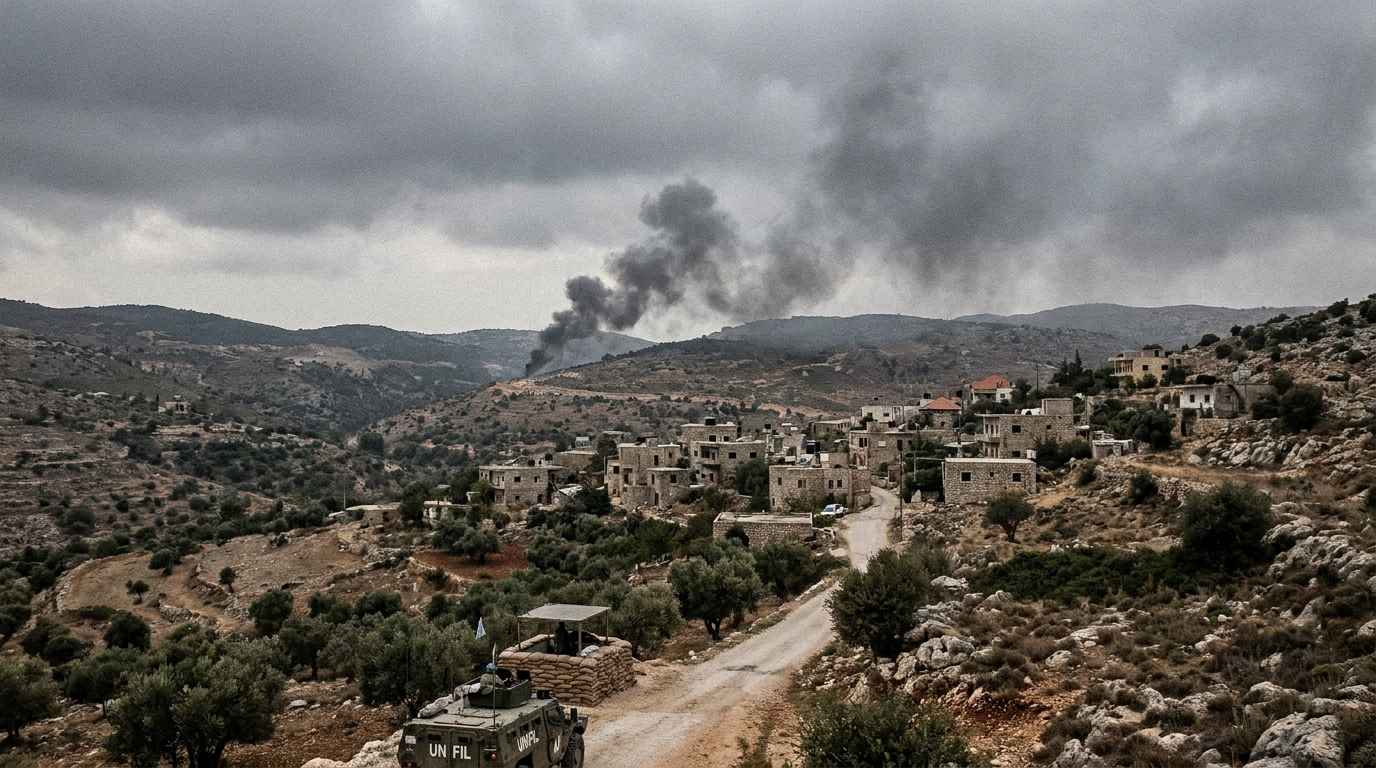
The human toll of the conflict continues to mount. Lebanon's health ministry reports that nearly 4,000 people have been killed since the escalation began in early March, while Israel has suffered dozens of military and civilian casualties, including four soldiers killed in a recent Hezbollah drone strike.[6]

In a last-minute scramble to salvage the broader peace framework, U.S. officials announced late Friday that Israel and Hezbollah had agreed to a renewed ceasefire. The truce, mediated by the U.S. and Qatar, aims to halt the immediate cross-border fire.[5][6]
Yet, the underlying dispute over Israel's troop presence remains entirely unresolved. Israeli forces continue to occupy a buffer zone in southern Lebanon, a posture that U.S. intelligence warns is a "recipe for disaster" that makes resumed hostilities almost certain.[7]

The stakes for the global economy are immense. If the Lebanon dispute collapses the U.S.-Iran deal, the Strait of Hormuz could face renewed blockades, threatening to choke off a vital artery for global energy supplies and trigger a severe spike in fuel prices.[5]
How we got here
March 2026
A broader regional conflict escalates, drawing in the U.S., Israel, Iran, and Hezbollah.
Mid-June 2026
The U.S. and Iran sign a memorandum of understanding to end hostilities and reopen the Strait of Hormuz.
June 19, 2026
U.S. intelligence warns Israeli operations in Lebanon could derail the deal; Switzerland talks are postponed.
Late June 19, 2026
U.S. officials announce a renewed, fragile ceasefire between Israel and Hezbollah.
Viewpoints in depth
US Administration's View
Washington views the Iran deal as a critical diplomatic victory necessary to stabilize the global economy.
The U.S. administration argues that securing the Strait of Hormuz and preventing a wider regional war must take precedence over localized security operations. Officials have expressed deep frustration that Israel's continued campaign in Lebanon threatens to collapse the entire diplomatic framework, warning that alienating Washington could have severe long-term consequences for Israeli security.
Israeli Government's View
Israel views the U.S.-Iran agreement as a deeply flawed deal negotiated without its input.
The Israeli security establishment argues that withdrawing from southern Lebanon would leave northern Israeli communities vulnerable to persistent Hezbollah rocket and drone attacks. Israeli officials insist that their sovereign right to self-defense supersedes Washington's diplomatic timeline, and they refuse to be bound by an agreement that leaves a heavily armed proxy force on their border.
Iranian Leadership's View
Tehran views the cessation of Israeli attacks on Lebanon as a non-negotiable test of the agreement.
Iranian officials argue that they cannot proceed with broader nuclear negotiations or honor the reopening of maritime routes while their primary regional ally remains under military assault. For Tehran, Washington's ability to rein in Israeli operations in Lebanon is the ultimate litmus test of whether the United States can actually deliver on the promises made in the memorandum of understanding.
What we don't know
- Whether Israel will eventually agree to withdraw its forces from the buffer zone in southern Lebanon.
- If the postponed negotiations in Switzerland will be rescheduled before the 60-day window expires.
- How global energy markets will react if the ceasefire collapses and the Strait of Hormuz remains contested.
Key terms
- Strait of Hormuz
- A crucial maritime chokepoint between the Persian Gulf and the Gulf of Oman, through which a significant portion of the world's oil supply passes.
- Hezbollah
- A heavily armed, Iran-backed political and militant group based in Lebanon.
- Buffer Zone
- A designated area of land, currently occupied by Israeli forces in southern Lebanon, intended to prevent direct attacks on northern Israel.
Frequently asked
What is the U.S.-Iran memorandum of understanding?
It is a preliminary agreement to end the 2026 conflict, lift the U.S. naval blockade, reopen the Strait of Hormuz, and begin 60 days of nuclear negotiations.
Why is Lebanon included in the U.S.-Iran deal?
Iran conditioned its agreement on a complete cessation of military operations on all fronts, specifically demanding an end to Israeli strikes on its ally, Hezbollah.
How has Israel responded to the agreement?
Israel, which was not part of the talks, has resisted the terms, arguing it must maintain its military operations in southern Lebanon to protect its northern border from Hezbollah.
Sources
Source coverage
7 outlets
3 viewpoints surfaced







[1]The Washington PostUS Administration
U.S. intelligence warns Israel could undermine Iran peace deal
Read on The Washington Post →[2]Times of IsraelIsraeli Security Establishment
US intel reportedly says Netanyahu's actions in Lebanon expected to undermine Iran deal
Read on Times of Israel →[3]Al JazeeraIranian Leadership
Iran deputy FM says 'ready to move forward' in deal with US
Read on Al Jazeera →[4]Associated PressIranian Leadership
Iran's deputy FM confirms deal with US to end the war, including in Lebanon
Read on Associated Press →[5]Los Angeles TimesUS Administration
U.S.-Iran talks called off because of fighting in Lebanon, officials say
Read on Los Angeles Times →[6]L'Orient-Le JourIsraeli Security Establishment
Israel, Hezbollah agree to cease-fire in Lebanon, US official says
Read on L'Orient-Le Jour →[7]Anadolu AgencyIranian Leadership
US intelligence warns Israel could undermine Iran peace deal: Report
Read on Anadolu Agency →

Every angle. Every day.
Get news politics stories with full source coverage and perspective breakdowns delivered to your inbox.